Hepper is reader-supported. When you buy via links on our site, we may earn an affiliate commission at no cost to you. Learn more.
Gabapentin for Dogs: Uses, Dosage & Side Effects (Vet Answer)

In this article
Few things make pet owners feel more helpless than seeing their pets in pain and suffering. You want to help them feel better, but you may not know how to.
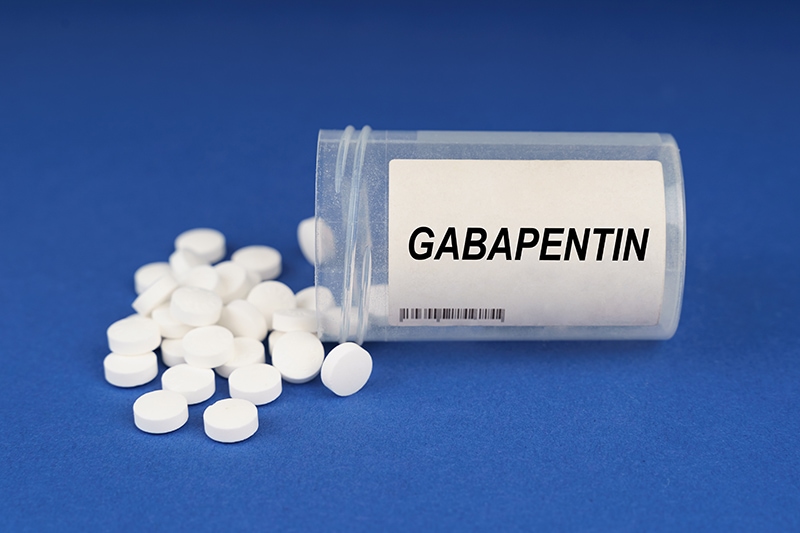
Gabapentin is primarily an anticonvulsant medication used in people for treating neuropathic and chronic pain, and it has been introduced to veterinary medicine, but as an off-label drug in most countries and states. In addition to those applications, it can be administered to dogs and cats for mild cases of fear and anxiety, especially before arriving at the veterinary office, but this seems to be more successful in cats.
This drug can be administered as such or sprinkled over your dog's food. It has potential side effects, with the most frequently encountered being drowsiness, which usually disappears within 24 hours.
It should only ever be prescribed by your vet for a certain medical condition and should not be given without veterinary advice. Some preparations of gabapentin contain xylitol that is toxic for dogs. It should be used with extreme caution in dogs with kidney or liver disease.

What Is Gabapentin?
Gabapentin is the active substance found in medicines such as Neurontin®, Gralise®, and Horizant®. It is a human drug used to treat pain from peripheral neuropathy and epilepsy. It is widely used in veterinary medicine, but because it’s not FDA approved for pets, it’s administered off-label or as extra-label.
In dogs, gabapentin is used for:
For chronic pain, gabapentin is usually combined with other non-steroidal anti-inflammatory drugs (NSAIDs) or opioids because it amplifies the total pain relief effect, often allowing for a reduction of dose of these medications.
Painful conditions in dogs for which gabapentin may be prescribed include:
Regarding anxiety in dogs, gabapentin can be used to try and reduce stress before a visit to the vet, but it may not work very well for some dogs like it usually does for cats.
The mode of action of gabapentin is not exactly known. It is believed to have an effect on the calcium ion channels in the nervous system by inhibiting the neurotransmitter, such as glutamate. Basically, it changes the way that our bodies feel pain. By "calming down nerves," gabapentin also helps keep epilepsy under control, alongside other anti-seizure medications.2
In the case of epileptic episodes in people, gabapentin mimics the neurotransmitter GABA (gamma-aminobutyric acid) and helps treat seizures.3 Neurotransmitters are chemical substances that enable nerve cells to transmit messages throughout the body. The role of GABA is to reduce neuronal excitability. One of the excitatory neurotransmitters is glutamate, while GABA is the main inhibitory neurotransmitter. When there is an imbalance between excitation and inhibition, seizures, excitotoxicity, and cell death can occur.
How Is Gabapentin Given?
Your vet will prescribe and give you detailed instructions on using gabapentin and any other medication for your dog, depending on the underlying issue being treated. Never give your dog any human or other medications without consulting the vet, as you may cause more harm than benefit. Every medicine has a safe dose range, indications for when it should be used, and contraindications when it should be avoided, not to mention possible side effects.
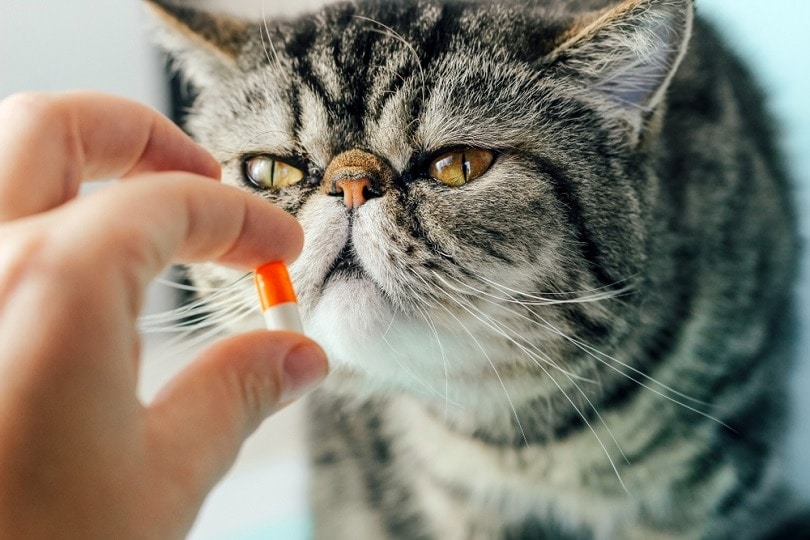
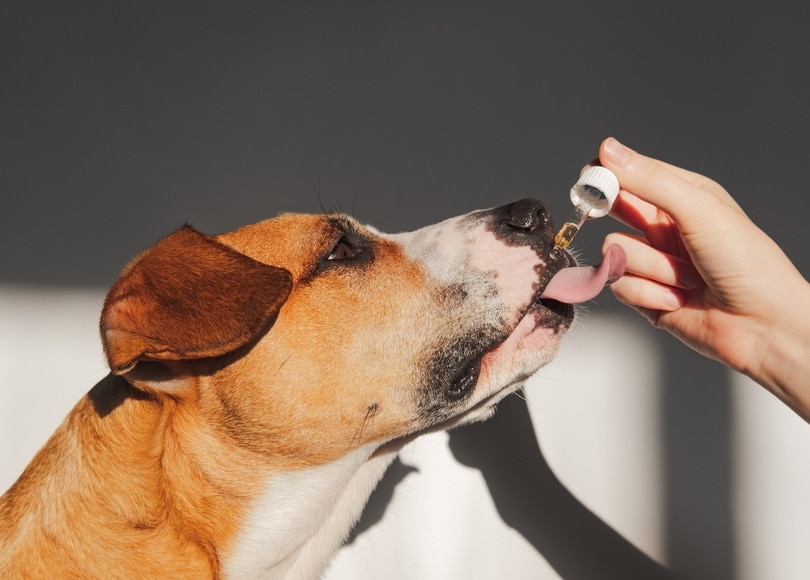
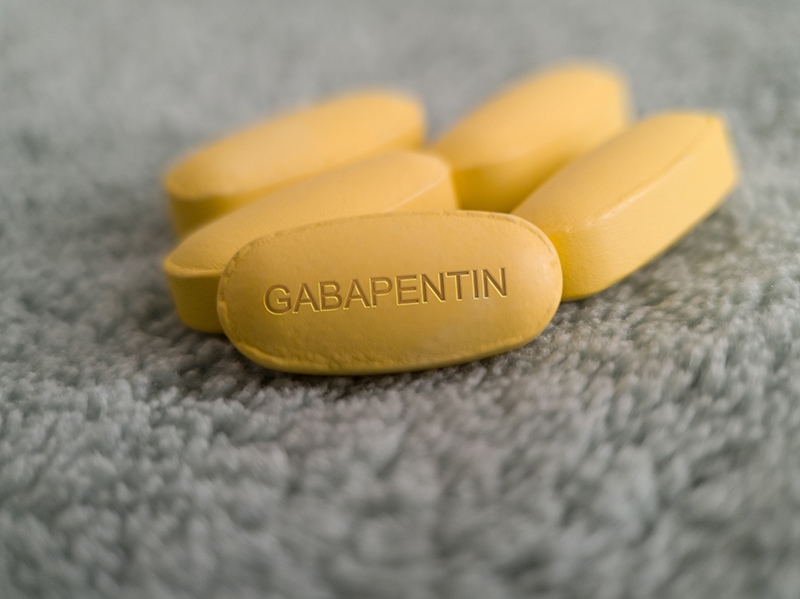
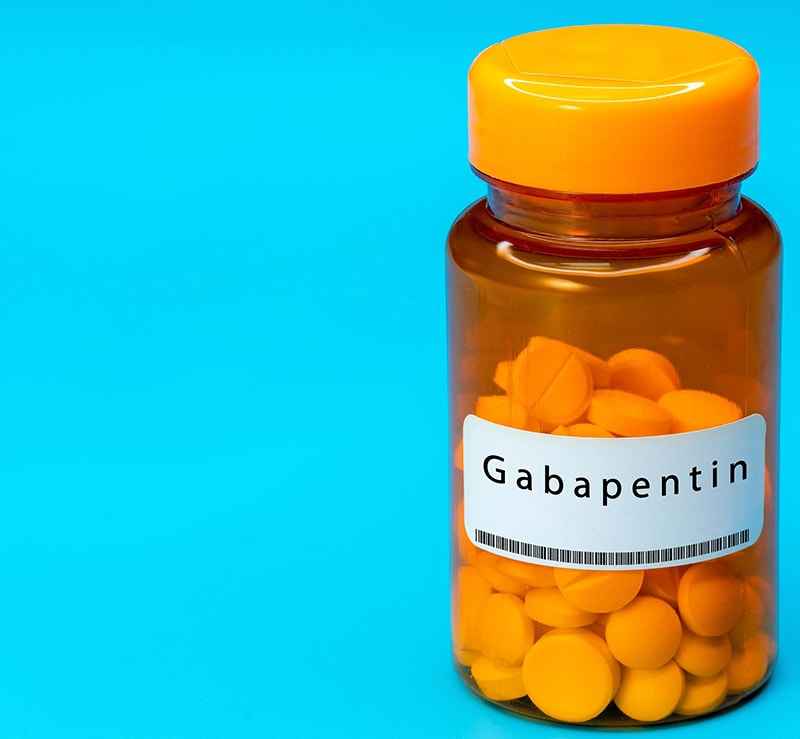
Gabapentin should only be prescribed by your vet and is available in the form of capsules, oral solutions, or tablets. This medication should be stored in a dry place, away from light and out of the reach of pets, at a room temperature of 68°F (20°C).
Care must be taken with an oral gabapentin solution because it may contain xylitol, an artificial sweetener that’s toxic to dogs. Even if your dog ingests only a small amount of xylitol, it can still cause low blood sugar, liver damage, seizures, or even death.
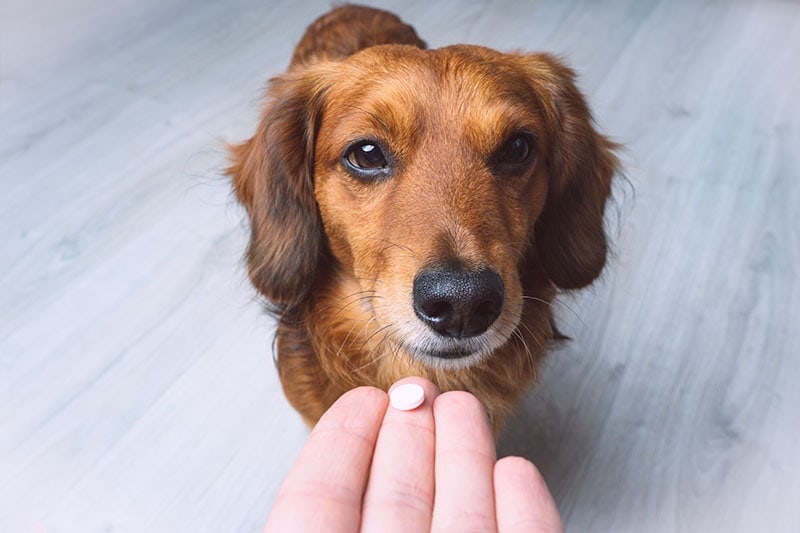
Gabapentin can be administered with or without food one to four times a day. If you cannot give capsules or tablets to your dog, spread, crush, and mix them with their food. The dosage will depend on your pet’s weight and the condition/purpose for which it is administered. For example, for light sedation, the dose will be higher than if it were administered for its anti-pain effects.
Depending on the medical condition for which it is administered, the usual dosage of gabapentin in dogs ranges from 5-40 mg/kg (2.2-18 mg/lb), depending whether it’s used for phobias and anxiety, chronic and neuropathic pain, as an adjunctive treatment for seizures, or any of the previously mentioned indications and conditions. Your vet will prescribe an adequate dose for your dog and their individual situation based on their health, age, and response to treatment, as some dogs may benefit from a lower end of dose range, while others may need more frequent dosing.
Your veterinarian can adjust the dose depending on your dog's reaction to the medicine and its effectiveness. If your dog is taking gabapentin for epilepsy, do not stop the medication suddenly, as withdrawal seizures may occur. The vet will recommend reducing your dog's dose gradually over a period of at least 7 days.
For dogs that are stressed by the visit to the vet, the veterinarian may recommend administering gabapentin 2–3 hours before the visit when it is at its peak concentration (the highest level of a medication in the blood).
If your dog takes antacids or gastric protectants that contain aluminum with magnesium, gabapentin should be administered at least 2 hours after the antacid medication. Vets recommend this because antacid drugs decrease the absorption of gabapentin and make it less effective.

What Happens if You Miss a Dose?
If you forgot to give your dog one dose, give it to them as soon as you remember. If the missed dose is closer to the next scheduled one, skip the missed dose, and administer the next one according to the schedule. Do not double the doses.
Potential Side Effects of Gabapentin
Gabapentin is a safe drug with few side effects, which is why it is so popular in many veterinary clinics.
The most common side effects of gabapentin in dogs include:
There is also a risk that your dog may be allergic to gabapentin, in which case, your veterinarian will recommend another medication. If the dose recommended by the vet for chronic pain makes your dog drowsy, they will lower the dose until the desired effects are achieved.
In dogs with kidney or liver diseases, gabapentin should be used with caution because it will take longer for them to metabolize the drug.

Frequently Asked Questions (FAQs)
How Quickly Does Gabapentin Work in Dogs?
The effects of gabapentin are usually noticed from about 2 hours after administering the drug in most animals, while it metabolizes in the liver and eliminates through the kidneys, reducing in concentration by half after 3-4 hours. Its peak concentration is at 2–3 hours after administration. However, for some pets, their owners may notice the effects of gabapentin sooner than that. Gabapentin achieves a steady state within 1-2 days.
Is Gabapentin a Strong Painkiller for Dogs?
Gabapentin is a drug used successfully by veterinarians in treating chronic and nerve pain. It has far fewer side effects than NSAIDs, which in the long run, can become dangerous for pets. For this reason, in some cases, gabapentin enables the reduction of the dose of NSAIDs but may not be as efficient in treating more acute and postoperative pain. It’s used in conjunction with other painkillers for patients after undergoing spinal surgeries and fracture repairs.
Can Gabapentin Cause Hind Leg Weakness in Dogs?
If you have a senior dog or have given them too much gabapentin, hind leg weakness can occur. In senior pets, drugs don't metabolize as quickly as in young pets. If your elderly dog shows side effects after taking gabapentin, the veterinarian will reduce the dose. In case of an overdose, contact the vet immediately. Overdose does not usually cause a pet’s death, and the clinical signs usually disappear within 24 or more hours, depending on the administered dose.
Conclusion
Gabapentin is a human drug that is used successfully to treat chronic and neuropathic pain, seizures, and anxiety in dogs, amongst other conditions. The medicine is prescribed only by veterinarians, and the dose will depend on your dog's condition. Gabapentin is a fairly safe medicine with few adverse effects, with the most common one being drowsiness. If your dog is sleepy after taking gabapentin, your vet will reduce the dose. In the case of dogs with kidney or liver diseases, gabapentin should be administered with caution.
Sources
Brain concentrations of glutamate and GABA in human epilepsy: A review
The effect of gabapentin on brain gamma-aminobutyric acid in patients with epilepsy
Gabapentin: Clinical Use and Pharmacokinetics in Dogs, Cats, and Horses - PMC
Brain concentrations of glutamate and GABA in human epilepsy: A review - ScienceDirect.
Gabapentin for Dogs: Uses and Side Effects – American Kennel Club
Featured Image Credit: SkazovD, Shutterstock
Get Hepper In Your Inbox


Pet care tips from our vets and experts, straight to your inbox.
You may opt-out at any time. View our Privacy Policy for more information.
Iulia Mihai is a veterinarian with more than 13 years of experience in pet pathology, laboratory, and cancer. She studied at the University of Agronomical Sciences and Veterinary Medicine of Bucharest, Romania Iulia earned a master’s degree in equine and pet pathology and studied epithelial cancer for her Ph.D. Dr. Mihai's passions for internal medicine and parasitology inspired her to volunteer at the faculty’s clinic in her third year of college. She has worked in a couple of veterinary clinics over the years as an internal medicine specialist, and loves to write and educate pet parents about pet nutrition, behavior, and diseases.
Iulia is a passionate veterinarian with a strong affinity for veterinary parasitology, internal medicine, and laboratory. She is excited to share her experience and knowledge with pet owners around the world through her writing and hopes to educate people on pet nutrition, diseases, and behavior.
Education
Iulia graduated from the University of Agronomical Sciences and Veterinary Medicine, Bucharest, Romania, in 2012 and has a Master’s degree in Small Animals and Equines Pathology and is certified in HAACP food safety system implementation. Iulia started her Ph.D. in epithelial cancer in dogs and cats in 2013. Her research is published in national and international veterinary journals.
Experience
Dr. Iulia has been a veterinarian for more than 14 years. She is experienced in animal pathology and laboratory and has experience with exotic animals, such as pet rats and ferrets. She also has skills in the field of clinical pathology, laboratory, microscopy, cancer, and imaging.
Join the conversation
Ask a question, share your story, or send private feedback.