Hepper is reader-supported. When you buy via links on our site, we may earn an affiliate commission at no cost to you. Learn more.
Carprofen for Dogs: Usage, Safety & Dosage (Vet Answer)


In this article
Carprofen is a non-steroidal anti-inflammatory drug (NSAID) belonging to the propionic acid class which includes other drugs such as ibuprofen, ketoprofen, and naproxen. It is used to treat inflammation and pain in a wide range of animals. It is commonly used by vets to treat osteoarthritis. It is also used to manage post-surgical pain. It can be used off-license for pain relief in other species such as cattle, horses, sheep, rabbits, ferrets, some birds, and reptiles.
Carprofen is given via the oral route, in the form of a tablet. It is recommended to be given with a meal to prevent gastric irritation which could result in vomiting. The tablets usually take about 1–2 hours to work.

What Is Carprofen?
Carprofen is a popular non-steroidal anti-inflammatory drug used for the treatment of inflammation and pain in animals. It goes by various brand names including:
Carprofen can be given orally as a tablet or administered as an injection under the skin.
It is indicated for the relief of inflammation and pain that is seen with osteoarthritis. It is also used for the management of postoperative pain seen with orthopedic and soft tissue surgeries in dogs.
The tablets should be stored in a cool dry place in their box away from direct sunlight. It is usually recommended to keep them at a temperature between 59 and 86 degrees Fahrenheit (15–30 degrees Celsius). Each generic version will have slightly different requirements so always check the label thoroughly for storage instructions.
They usually come in 20mg, 50mg, and 100mg tablets. Some forms of carprofen are flavored and extremely palatable for dogs so it is best to ensure they are out of reach of dogs and kept in a secured container so the dog cannot find them and eat the packet.
The injectable form of carprofen should be kept in the fridge once the vial stopper has been punctured for the first dose. It should be stored for a maximum of 28 days and then discarded.

How Is Carprofen Given?
Carprofen oral tablets are given by mouth. They can be given with or without food, however, it is strongly recommended to give with food as it can irritate the stomach and cause vomiting. If you give a tablet to your dog and they start vomiting, speak to your vet immediately for advice.
An initial recommended dose for carprofen orally is 2mg/lbs or 4 mg/kg per day. This can be given as a single dose, or two doses equally divided up. If the clinical response is satisfactory, after approximately 7 days, the dose can be reduced to 2 mg/kg or 1 mg/lbs. This can be given as a single daily dose. The length of treatment largely depends on the dog's response. Long-term treatment will require veterinary supervision and regular checkups.
Carprofen can also be injected subcutaneously. Your vet will administer the injection under your dog's skin usually at the back of their neck. The recommended dose for subcutaneous injection is 4.4mg/kg or 2 mg/lb. The total daily dose may be given all at once or divided into two doses. For control of postoperative pain, it is recommended to give carprofen 2 hours before the procedure.
What Happens If You Miss a Dose?
If you miss a dose of carprofen, you can give the dose at a later time depending on when the next dose is due. If it is time for the next dose, then you will have to skip that dose. There should not be any major adverse effects by missing one dose. Although it does depend on what the carprofen is being used for. Your dog will not have pain relief for that period, so if it is straight after an operation, they may be in more pain than usual.
Do not ever give two doses at once or give more than the recommended amount in the time frame specified. If you accidentally overdose your dog, speak to your vet for advice immediately.
Potential Side Effects of Carprofen
In general, carprofen is a very safe drug with minimal side effects reported. As with all drugs, adverse effects do get reported. The reaction depends on the individual dog.
Clinical signs that have been reported may include:
There may also be blood abnormalities your vet can identify such as changes in:
It is important to remember that the list of side effects is generally a list of everything that has been reported, lots of the clinical signs listed are not common at all. Serious reactions are very rare. Most of the signs seen will resolve once the medication has been stopped. If you see any of the above signs or are suspicious that your dog is unwell at all, it is advised to consult your vet immediately.


Frequently Asked Questions (FAQs)
Why do vets prescribe carprofen for dogs?
The most common reason vets prescribe carprofen for dogs is for the treatment of osteoarthritis or other inflammatory diseases. It is also prescribed for postoperative analgesia. Vets choose carprofen as it is a non-steroidal anti-inflammatory drug that works by reducing pain by reducing inflammation in the body.
What is the difference between Carprofen and Ibuprofen?
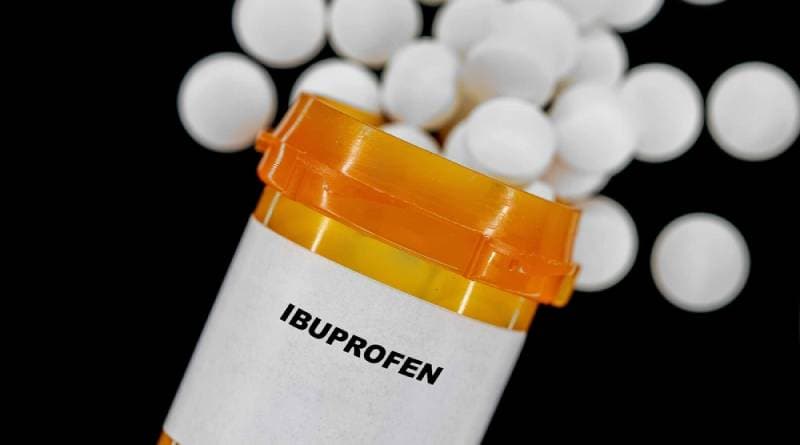
Carprofen and Ibuprofen are both part of a family of drugs called non-steroidal anti-inflammatories. They are both used to relieve pain and inflammation. They have different uses and safety precautions. Carprofen is manufactured and licensed for use in dogs. It has a relatively low risk of gastrointestinal side effects in the dog. Ibuprofen is manufactured for humans and can be extremely harmful if given to animals.
Should I give my dog carprofen in the morning or at night?
Carprofen is unique in that it can be dosed once daily, or the dose can be halved and given in two doses spread 12 hours apart. Owners can choose whether to give once or twice depending on what suits them and their dog. For example, working around owner shifts or specific routines.
Can you give a dog carprofen on an empty stomach?
You technically can give carprofen on an empty stomach, however, it is not recommended as it can potentially cause irritation of the gastrointestinal tract. This can result in lethargy, signs of abdominal pain, and vomiting. If carprofen is given with food, this reduces the chances of stomach irritation. If your dog starts to vomit or shows any other signs of illness after starting carprofen, consult your vet immediately.

Conclusion
Carprofen is a popular non-steroidal anti-inflammatory drug used for the management of pain and inflammation in dogs. It is well tolerated in dogs and can be used off-licence in other species of animal, only if prescribed by a vet. Side effects are rare; however, they can develop very quickly so always consult your vet immediately if there are any signs of illness.
Usually, side effects are mild and stop when the medication is discontinued. Your vet will be able to advise you about the pros and cons of using carprofen and decide if it is an appropriate treatment for your dog.
See also:
Sources
Featured Image Credit: Creative Cat Studio, Shutterstock
Get Hepper In Your Inbox


Pet care tips from our vets and experts, straight to your inbox.
You may opt-out at any time. View our Privacy Policy for more information.
Dr. Emma is an experienced vet who is always happy to share her knowledge and expertise with our readers. Her passion is surgery but she will happily talk about anything animal related. Dr. Chandley graduated from The Royal Vet College and since then she has worked in general practice in the UK. She has completed a postgraduate certificate in Small Animal Surgery and has also gained Advanced Practitioner status in the same discipline. She enjoys developing her skills in clinical pathology, animal behavior and nutrition as well.
Emma is an experienced veterinarian who is always happy to share her knowledge and expertise with our readers. She is passionate about surgery but will happily talk about anything animal related.
Experience
Since graduating, Dr. Emma has worked in general practice in the UK. She has completed a postgraduate certificate in Small Animal Surgery and has also gained Advanced Practitioner status in the same discipline. She also has expert knowledge in small animal medicine with a special interest in Endocrinology, although surgery is her passion. She enjoys developing her skills in clinical pathology, animal behavior, and nutrition as well.
Education
Emma received her degree from the Royal Vet College, University of London. She obtained her postgraduate certificate from the British Small Animal Veterinary Association and Nottingham Trent University.
She was granted Advanced Practitioner status by The Royal College of Veterinary Surgeons.
Join the conversation
Ask a question, share your story, or send private feedback.