Hepper is reader-supported. When you buy via links on our site, we may earn an affiliate commission at no cost to you. Learn more.
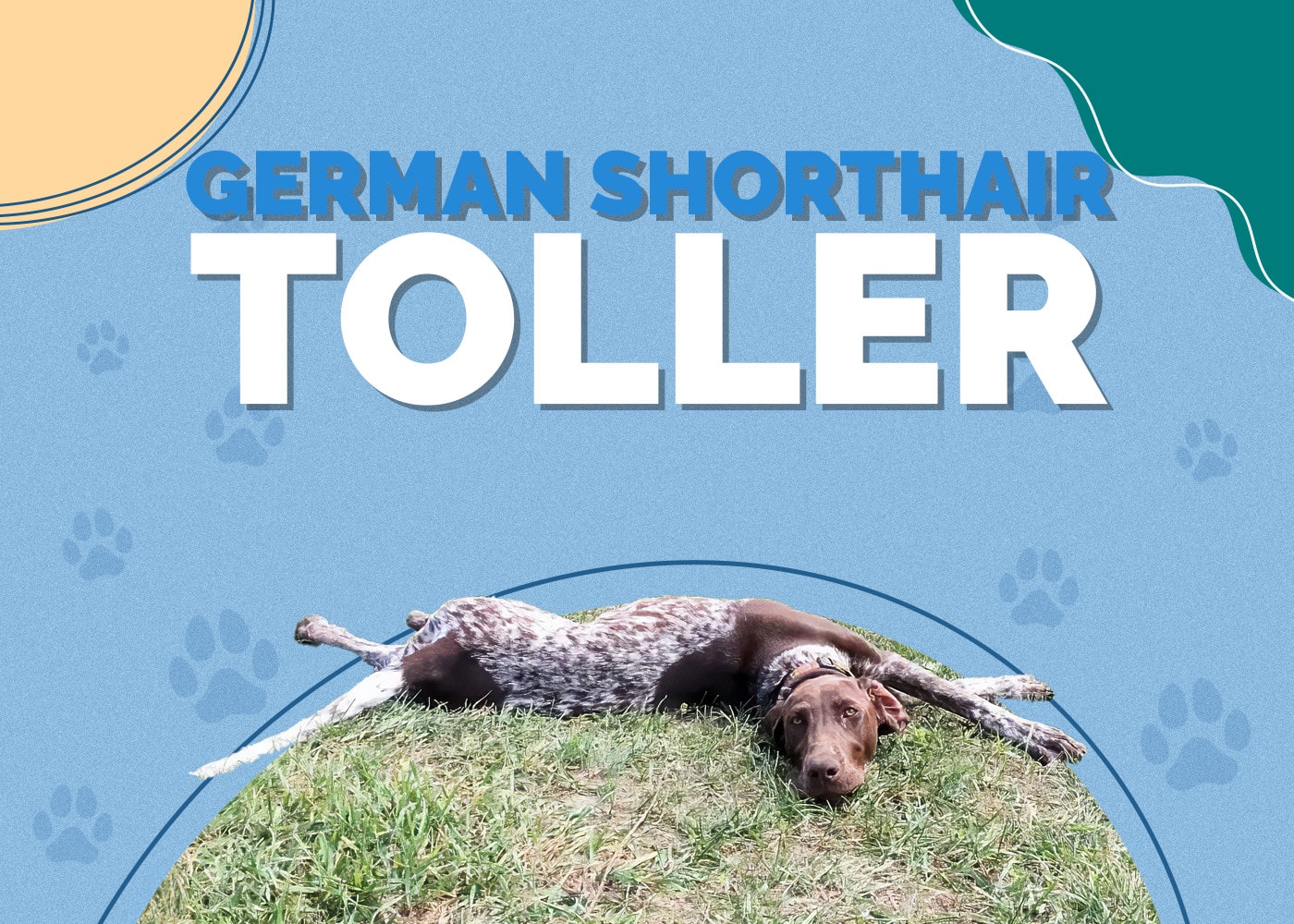
German Shorthair Toller: Info, Pictures, Care & More
In this article
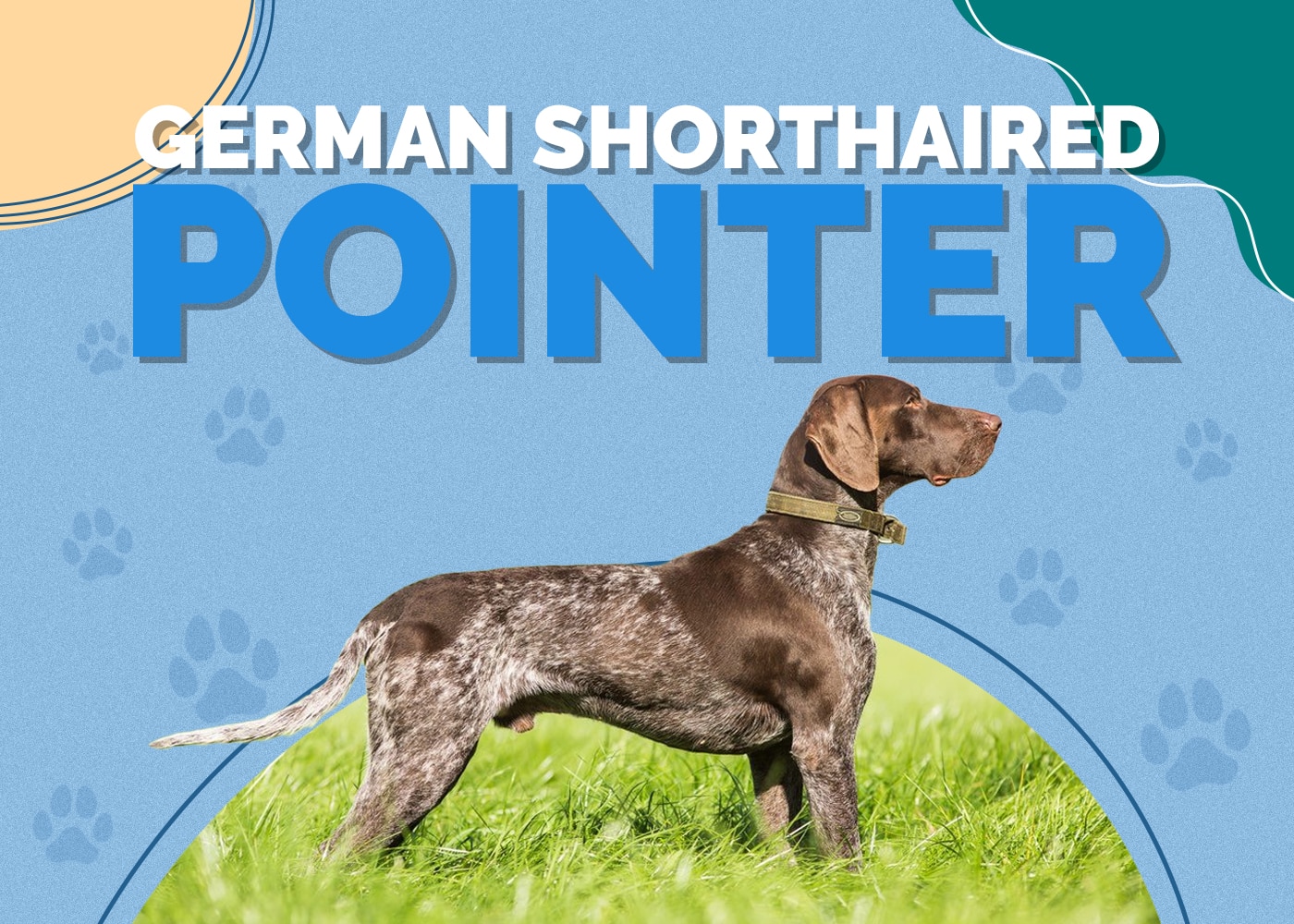
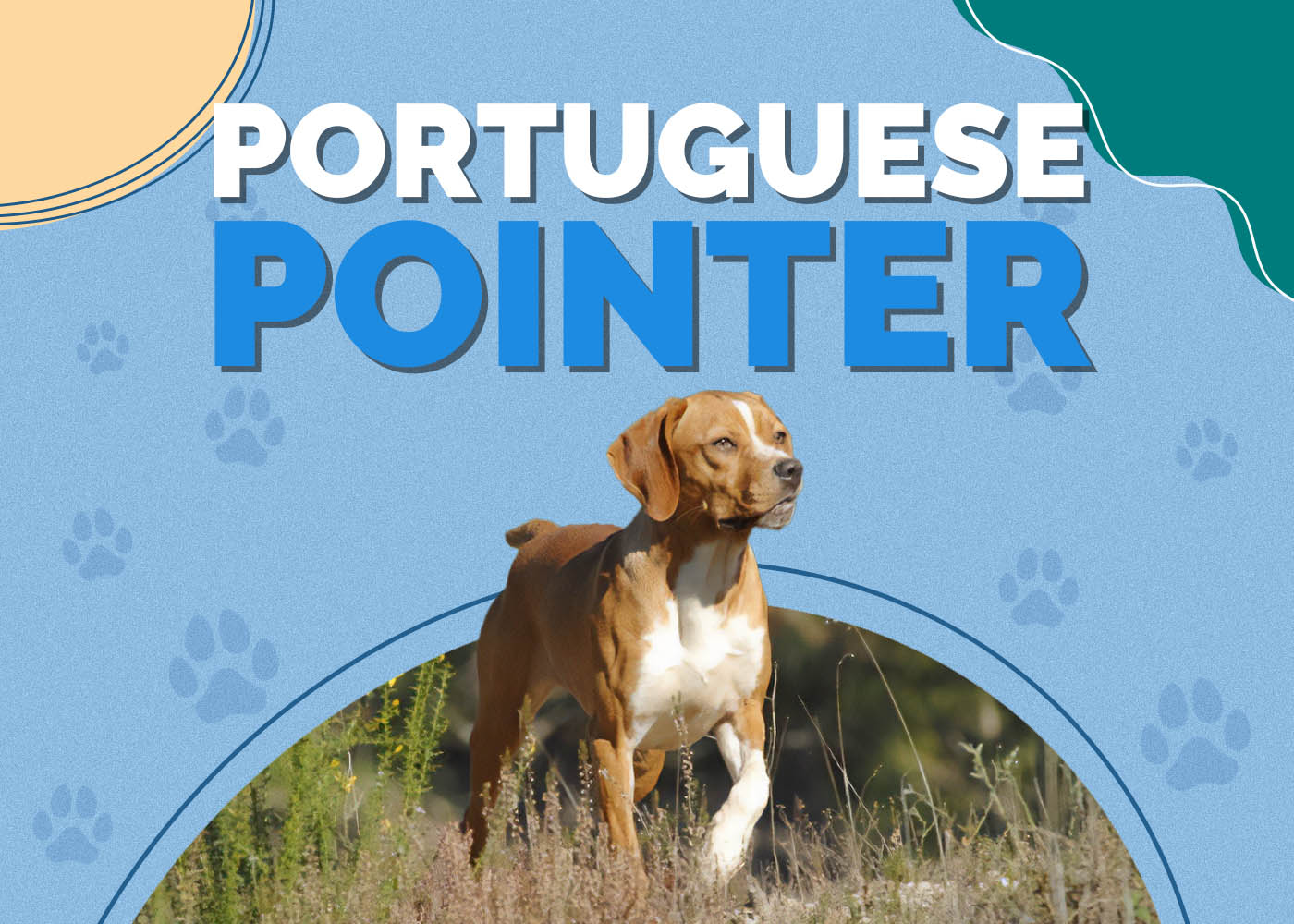
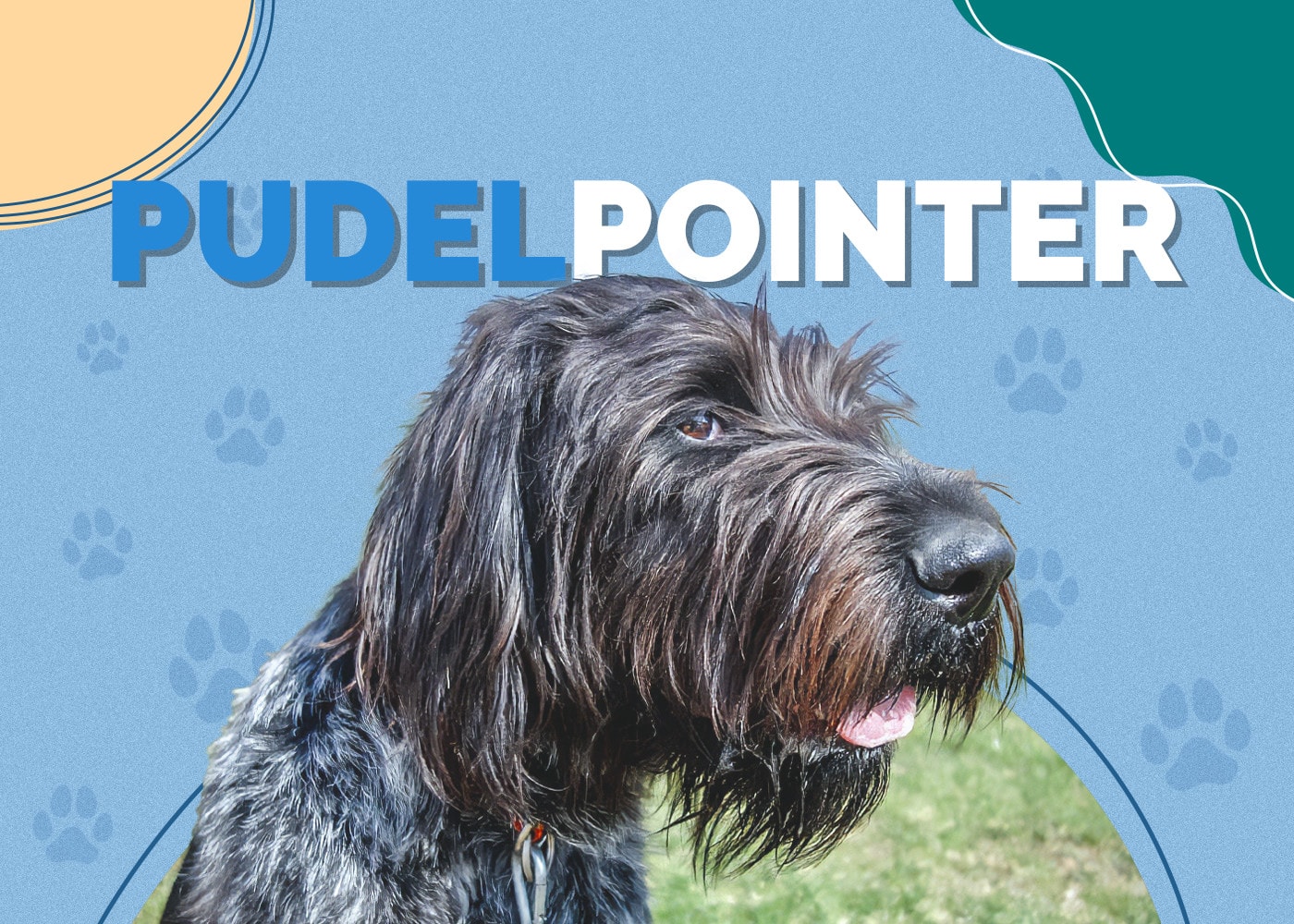
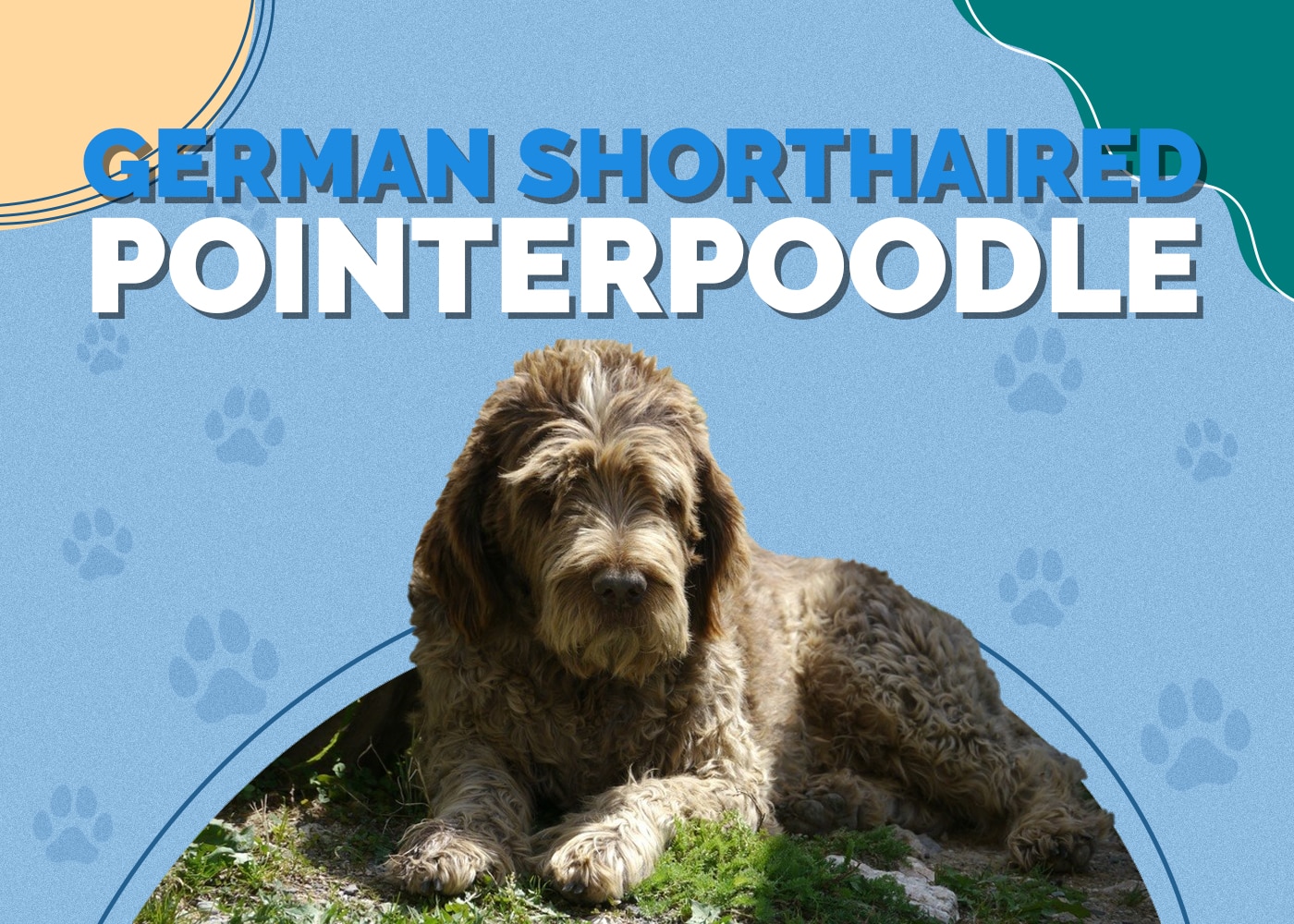
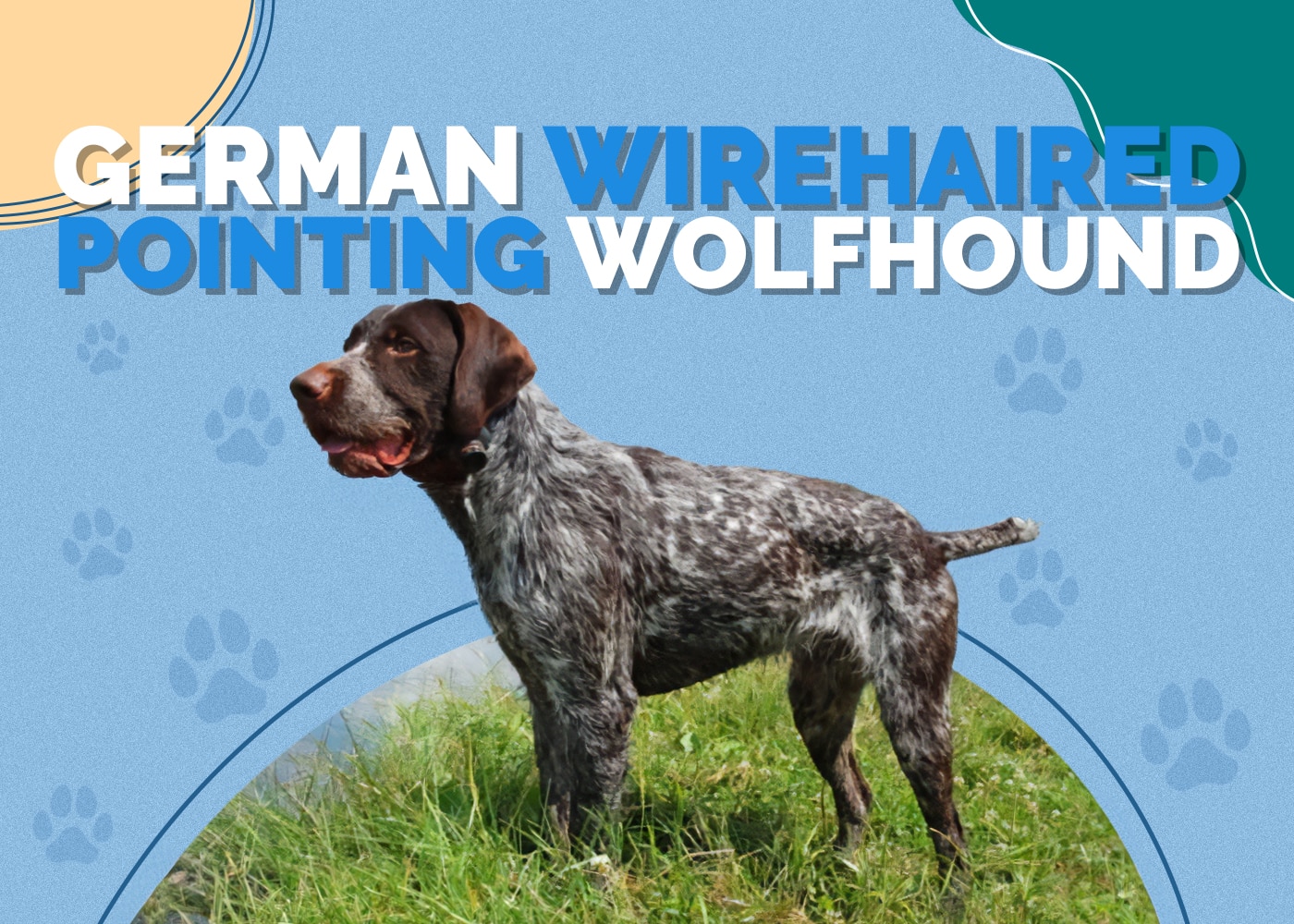
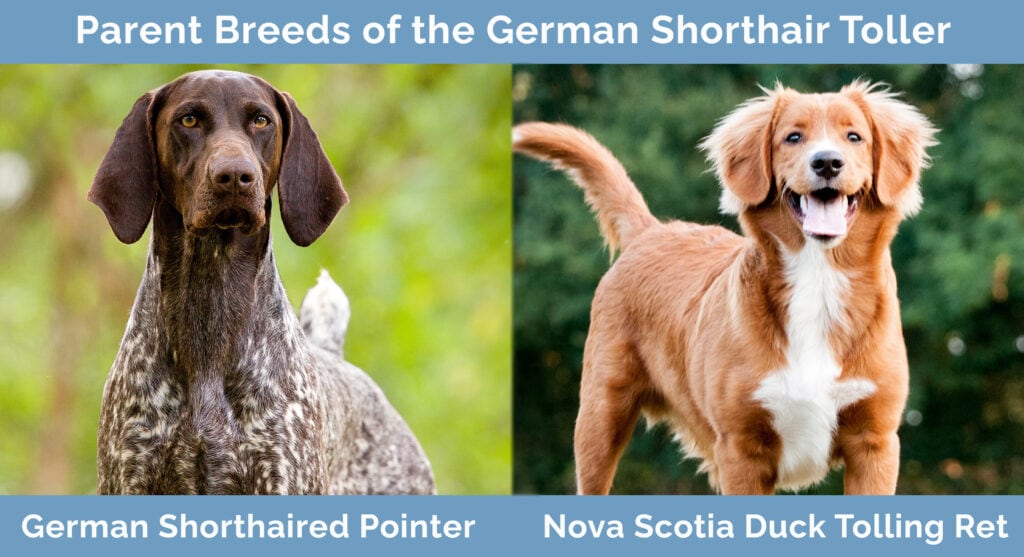
The German Shorthair Toller is a mix between a German Shorthaired Pointer and a Nova Scotia Duck Tolling Retriever. These dogs were bred to be hunters and tollers, and they will always have a powerful drive to retrieve.
Breed Overview
Height:
Weight:
Lifespan:
Colors:
Suitable for:
Temperament:
They aren't just hunting dogs, however, as they have loving and somewhat affectionate personalities. Although they enjoy the ability to have their own space, they make good family pets as long as everyone respects their sometimes standoffish nature.
They are incredibly energetic and are best suited for highly active owners looking for an exercise companion. They're also very loyal, so they make great overall pets. We'll go over everything you need to know about these dogs so you can decide if they are the right fit for your home.
German Shorthair Toller Characteristics

German Shorthair Toller Puppies
The most important thing to consider when deciding if a German Shorthair Toller puppy is right for you is their activity level. These dogs have a seemingly unending amount of energy, and this is a true beginning in puppyhood. It would be best if you were prepared as soon as you bring your dog home to commit to a regular and extensive exercise regimen to keep your pooch happy and healthy.
While these dogs need tons of exercise every day, they are prone to hip dysplasia and other joint issues, which are exacerbated by high levels of activity. While there is no way to prevent these from happening altogether, you should exercise your puppy on soft ground like dirt or grass as much as possible. Their joints are particularly at risk of issues as they’re developing, and exercising on cement or asphalt can be detrimental later in life.
Lastly, you should consider the German Shorthair Toller's food requirements before committing to the breed. Although they are medium-sized dogs, their high energy and affinity for exercise mean they have big appetites. You should be prepared to keep up with a reasonably high food bill for your pup, and of course, consider this ongoing cost when deciding if this breed is right for you.

Temperament & Intelligence of the German Shorthair Toller
As you can imagine, based on their hunting and luring prowess, the German Shorthair Toller is brilliant, and you'd find it challenging to identify a smarter breed. Their ability to understand what you want from them is astounding.
They are remarkably energetic and enjoy nothing more than extensive exercise with their owners. They’re also rather affectionate, though, so as long as they get their daily exercise, they’re happy to spend time with you indoors.
Are These Dogs Good for Families?
German Shorthair Tollers make lovely family pets for the right family. They are somewhat affectionate, very loving, extremely loyal, and enjoy spending time with their owners. They typically make excellent additions to any family, provided they are given their required daily exercise.
While they do enjoy having space in their homes to call their own and relax by themselves from time to time, they also get along very well with people of all ages, including children. You should be mindful that they are very energetic and can accidentally knock over small children while playing, but you’ll never need to be concerned that your dog will show any aggression to children. They’ll happily spend time with owners of any age.
Although they occasionally like to retreat to their own private space, German Shorthair Tollers thrive on human interaction most of the time. They can develop separation anxiety if left alone for long periods. They're best suited for homes where there is always someone around to give them attention.
Does This Breed Get Along with Other Pets?
You can expect your German Shorthair Toller to get along very well with just about any other dog. This includes dogs that live in the same home and those they meet outside at dog parks or during exercise. Smaller dogs may present a bit of an issue, given the German Shorthair Toller's prey drive, but you shouldn't experience any problems for the most part.
The same cannot be said about cats or other small pets. This dog’s prey drive will very often lead it to chase and pin down small animals, and while this tendency can be trained out, the instinct to hunt will always be there and could result in problems. These hybrids are not recommended for homes with cats, hamsters, guinea pigs, or other smaller pets.
Lastly, this prey drive can also lead to lunging at small animals like squirrels or rabbits when exercising outside. Always walk or run your German Shorthair Toller on a sturdy harness that they can't back out of easily.

Things to Know When Owning a German Shorthair Toller:
Food & Diet Requirements
Despite the German Shorthair Toller’s medium size, their activity level leads to a big appetite. You can expect to feed your pooch around 3 cups of dry food a day, and this should be split into two or three meals to help maintain their energy levels.
Very active dogs like this need a high protein content. Make sure to choose a dry food that is high in protein and doesn’t contain a lot of filler foods like grains or corn.
It would be best if you chose a food that contains glucosamine or omega 3 fatty acids included, as these compounds can help reduce the risk of joint issues to which German Shorthair Tollers are prone.
Lastly, German Shorthair Tollers are susceptible to bloat, which is a major and potentially life-threatening issue in which the stomach fills with gas and turns over on itself. While there is no way to prevent this entirely, you can reduce your dog’s risk by waiting an hour or so after eating or drinking to exercise in any capacity, and always split your dog’s daily food into multiple small meals throughout the day.
Exercise
As we mentioned earlier, German Shorthair Tollers have a very high energy level and need extensive exercise every day. You should expect to set aside around 90 minutes of dedicated exercise each day, as this will help keep your pooch healthy. Suppose they don't get this required exercise. In that case, they can turn to destructive behavior and have additional health problems, including weight gain, so ensure you can supply your dog with this much walking or running before committing to this breed.
Because these dogs are also brilliant, it is a good idea to stimulate them mentally daily as well. Puzzle toys, logic games, and engaging treat holders are great for keeping their minds sharp if they aren't used to lure or hunt prey.
Training
German Shorthair Tollers are intelligent and loyal, and because they’re avid hunting dogs, they’re also naturally very attentive. These traits make this breed very easy to teach new commands, rules, and concepts.
However, they do require strong leadership and will take an authoritative role in your home if you or another family member doesn't. They aren't necessarily challenging to train, but they require you to put in some time and work to establish a leadership position for yourself.
Lastly, these dogs are relatively sensitive when it comes to training, so they do best with calm, positive reinforcement. You should never yell at your dog, punish them, or show signs of frustration while training.
Grooming ✂️
These dogs have thick, dense coats that are meant to be water-resistant, but they don't shed as much as other dogs with dense fur. You can expect some moderate shedding, and brushing once a week or so with a pin brush should help cut down on this and keep their coats shiny and healthy. Unless your dog gets particularly dirty playing or hunting outside, you can limit bathing to once every few months.
Especially after swimming or hunting, you should clean out their inner ears and dry them thoroughly, as debris or water build-up can lead to infection and other problems. You should also check their paws for cuts or other issues, and always keep their nails properly trimmed.
Lastly, brush your dog’s teeth once a week or so with a doggy-approved toothpaste to promote good dental health.
Health Conditions ❤️
German Shorthair Tollers are generally hearty and healthy dogs that don’t experience many health problems. They are susceptible to the below issues, so keep an eye out for these. Even if you don’t expect your pooch to experience any health problems, yearly vet visits are always recommended to ensure your dog remains in good health.

Male vs Female
Male and female German Shorthair Tollers will be about the same in temperament and behavior. You may find that males have a higher prey drive and a slightly higher energy level, but these traits will depend more on which parent breed they more closely resemble rather than sex. Males are usually larger, can stand up to about six inches taller, and can weigh up to 15 pounds more.
3 Little-Known Facts About the German Shorthair Toller
1. They Do More Than Retrieve
You may know that both parent breeds were bred for hunting, but you may not know that "tolling" dogs take more of a part in hunting than only retrieving prey. Tolling involves luring prey to a particular area so that a hunter can startle them and take aim. This practice requires an extremely high level of intelligence and is truly amazing to witness.
2. They Maintain “Puppy” Behavior Into Adulthood
German Shorthair Toller puppies are full of energy and playfulness, but those traits don’t fade with age! You can expect your pooch to be playful and have that adorable and loveable puppy behavior long after they are fully grown.
3. Their Name Was Changed to Avoid Confusion
These dogs have one German Shorthaired Pointer parent, but the “shorthaired” descriptor in their name was truncated to “shorthair” to avoid confusion with other German Shorthaired Pointer mixed breeds.
Final Thoughts
German Shorthair Tollers are extraordinary hunting and companion dogs, and they'll happily fit in with just about any family. They have delightful and attentive personalities, and they'll feel more like a family member than a pet.
They are highly energetic and are best suited for active owners and those with large yards for running and playing. Provided they get their daily exercise, they’re happy to spend time with you and your family inside.
They are friendly dogs who love human interaction, so if you're looking for a dog with a lot of personality and love to give, then this may be the perfect dog for you!
Related Reads:
Featured Image: Doin, Shutterstock (cropped)
Get Hepper In Your Inbox


Pet care tips from our vets and experts, straight to your inbox.
You may opt-out at any time. View our Privacy Policy for more information.

Nicole is a lover of animals of all sizes but is especially fascinated with the feline variety. She’s the proud mom of Baby, a Burmese, and works every day so he can relax in the sunshine or by the fire. She’s always had a cat in her home and has spent countless days with others, observing behaviors and softening up even the grouchiest of the lot. Nicole wants to share her kitty expertise with you so you and your cat can live happy, healthy, and care-free.
Join the conversation
Ask a question, share your story, or send private feedback.