Hepper is reader-supported. When you buy via links on our site, we may earn an affiliate commission at no cost to you. Learn more.
Ammonia Poisoning In Goldfish: Causes, Prevention & Treatment
In this article
The leading cause of death in aquariums worldwide is traced to one notorious killer: ammonia. Interestingly enough, disease isn't as much of a predator of goldfish's lives as ammonia. Because water quality plays such a huge role in the health of goldfish, we will look at the importance of keeping it under control and "knowing your enemy," so to speak. By understanding the nature of this ruthless assassin, you will be better able to keep your fish safe from its attack.

What is Ammonia?
A chemical compound (scientifically NH3/NH+4) of nitrogen and hydrogen atoms, ammonia is extremely toxic to goldfish. It can enter your aquarium through tap water, rotting material such as plants or food, and goldfish waste. Ammonia is the primary waste product of goldfish, with 25% excreted through their solid waste and 75% excreted through their gills.
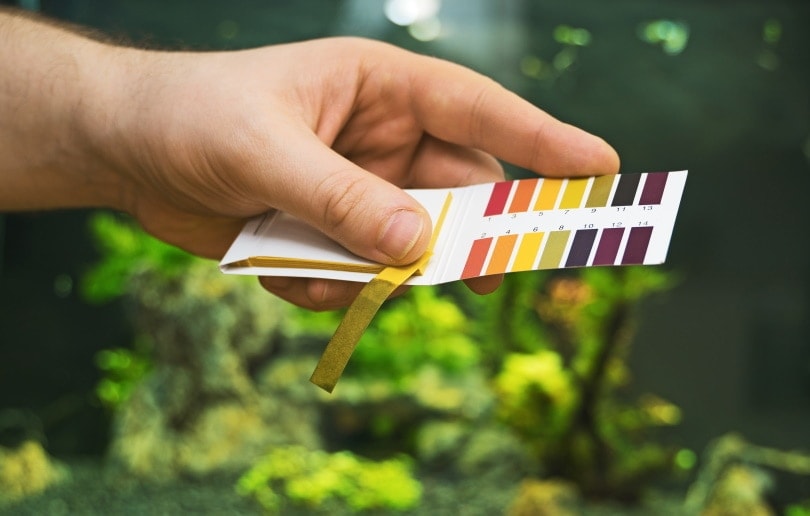
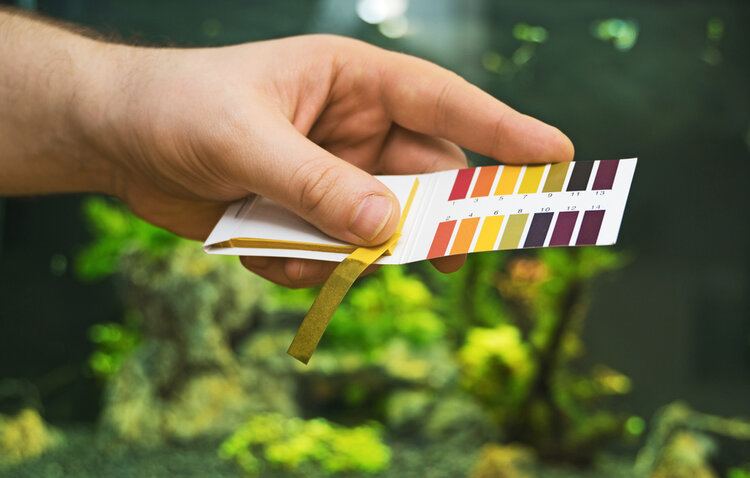
You cannot see ammonia in the aquarium because it is colorless. For that very reason, a tank with murky water teeming with algae may be far safer than a sparkling clear tank. Because it is invisible to the eye, detecting ammonia is only possible through water tests. A liquid test kit is very helpful in being able to tell if there is ammonia in your tank and something that every goldfish owner must have on hand.
Ordinarily, ammonia leaves the goldfish's bloodstream without effort on the fish's part. The ammonia is then converted into safer forms via The Nitrogen Cycle. When ammonia is not properly converted for any reason, it lingers in the tank and prevents the goldfish from being able to get rid of any ammonia. The result is ammonia poisoning.
What are the Effects of Ammonia Poisoning?
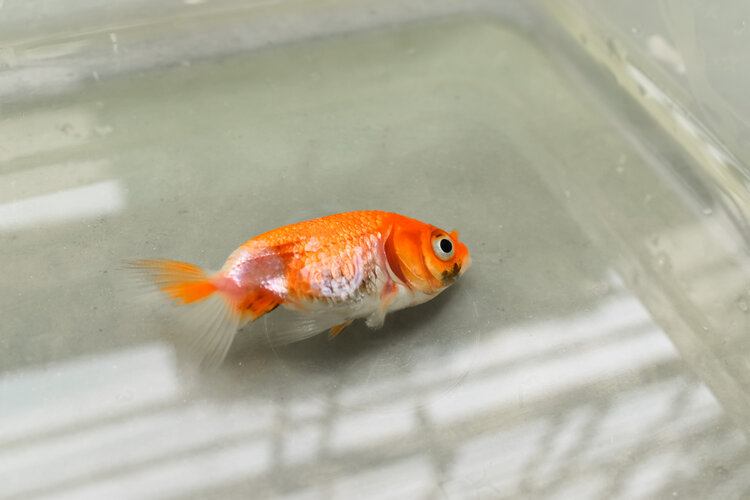
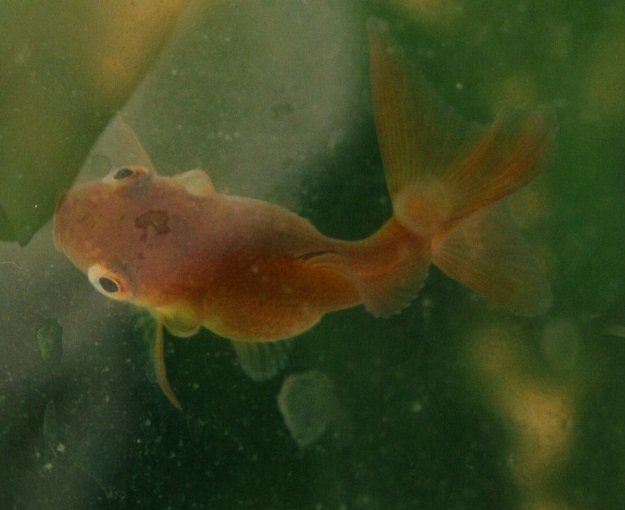
Ammonia causes a wide range of health issues to occur in goldfish. Symptoms of ammonia poisoning include:
Signs
What to Do for Ammonia Poisoning
You can see by the many symptoms of ammonia poisoning how it is often mistaken for disease. Treating a goldfish suffering from ammonia poisoning with medications intended to combat disease is usually deadly to the goldfish. Ammonia poisoning is common in tanks that have not been cycled and causes fish to undergo New Tank Syndrome.
Rather than run to the store to buy more chemicals to add to the unbalanced aquarium, it is recommended to do a large water change right away and continue doing them successively every day until the ammonia is no longer measurable. If your tank is not yet cycled and you have fish in the tank, you may be looking at repeated occurrences of ammonia poisoning until the cycle is complete and your fish may not make it.
If you need help getting the water quality in your aquarium just right for your goldfish family, or just want to learn more on the subject (and more!), we recommend that you check out our best-selling book, The Truth About Goldfish.
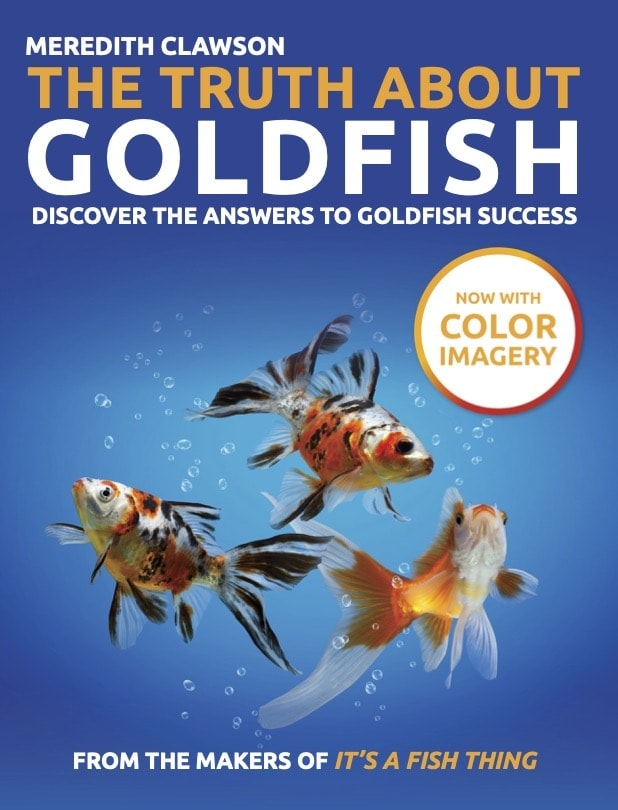
It covers everything from water conditioners to nitrates/nitrites to tank maintenance and full access to our essential fishkeeping medicine cabinet!
Preventing Ammonia Poisoning
Because of ammonia's destructive and often deadly effect, any trace of it in the water higher than 0 is unacceptable.
Ways you can prevent your goldfish from coming down with this terrible condition are:
Prevention Tips
See Also:
Featured Image Credit: Red Shadow, Shutterstock
Get Hepper In Your Inbox


Pet care tips from our vets and experts, straight to your inbox.
You may opt-out at any time. View our Privacy Policy for more information.

Lindsey discovered her passion for fish keeping after a junior high school field trip to the Shedd Aquarium in Chicago. Prior to becoming Editor-in-Chief of It's a Fish Thing, Lindsey studied marine biology at the University of California-Santa Cruz. She loves goldfish, tetras, and mystery snails, and recently began experimenting with a saltwater aquarium.
Join the conversation
Ask a question, share your story, or send private feedback.