Hepper is reader-supported. When you buy via links on our site, we may earn an affiliate commission at no cost to you. Learn more.
Aquarium Salt for Sick Goldfish: Benefits & Proper Use
You’ve probably discovered that there are several methods for helping cure your sick goldfish—powdered or liquid medications and water treatments. However, aquarium salt is an all-natural solution that can help your goldfish recover. And it isn’t hard on the wallet, either!
If you’ve never used aquarium salt in a freshwater aquarium before, we will take you step-by-step through the process so your goldfish will feel like its old self before you know it. We’ll look at the process of adding salt to your aquarium versus a salt dip for your goldfish. We will also discuss aquarium salt as a permanent treatment versus using it only when necessary.
This guide should benefit both experienced and beginner fish keepers to find the right dosage that will get your goldfish back to optimum health.

What Exactly is Aquarium Salt?
We can only assume that most of you are familiar with aquarium salt, but for those of you newly embarking on your fish-keeping experience, we’ll break it down for you.
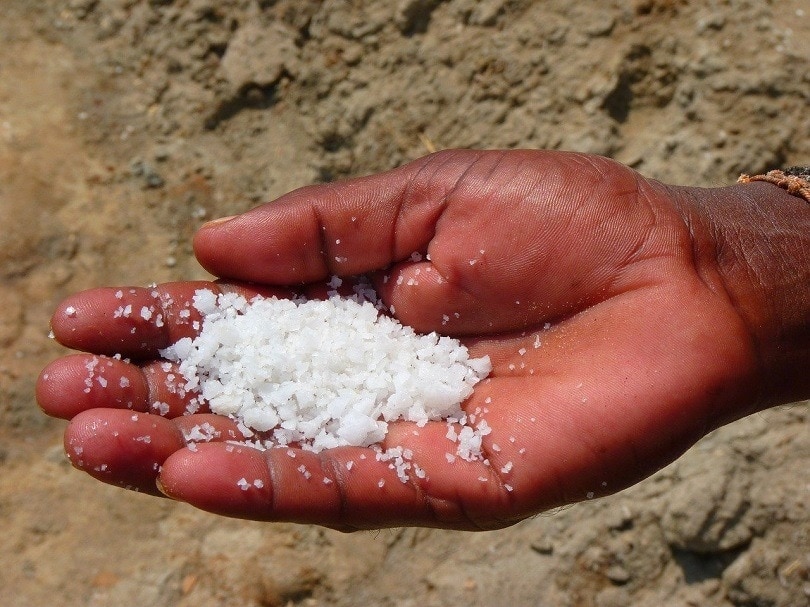
First of all, what it isn’t is table salt. Table salt is typically mined from salt deposits found underground and is heavily processed to eliminate minerals and contains chemicals (calcium silicate) to prevent clumping and additives like iodine.
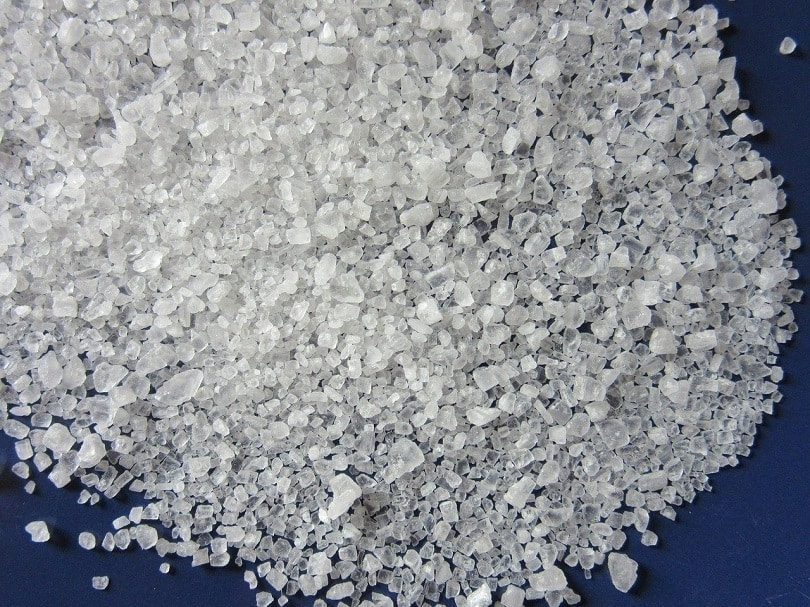
Aquarium salt is made from the process of evaporating seawater, and the salt that’s left is perfect for freshwater aquariums, particularly because it does not contain any chemicals or additives. Aquarium salt can be found in local pet stores or online.
Any salt that does not contain additives or chemicals can also be used. Non-iodized rock salt and kosher salt can also be used, as long as they don’t have any iodine or added chemicals for anti-clumping.
Why is Aquarium Salt Beneficial for Goldfish?
It might seem strange that adding salt into a freshwater tank would benefit rather than harm a goldfish, but it does have multiple advantages.
1. Reduces Stress
Goldfish have electrolytes, or a balance of water and salt in their cells, which is usually a higher level of salt than what is found in the surrounding water. Tiny amounts of salt are continuously exiting the goldfish's body into the water, and the fish is continuously reabsorbing small quantities of salt back into its cells from the water.
When your goldfish is experiencing stress, it will lose electrolytes, which can cause serious health issues for your goldfish. It can prevent the gills from working properly, which might result in your goldfish going into osmotic shock. Adding aquarium salt will provide the electrolytes that your goldfish needs and will help reduce the stress, which will then assist your fish in managing the appropriate amount of carbon dioxide and oxygen necessary.
2. Slime Coat Preservation
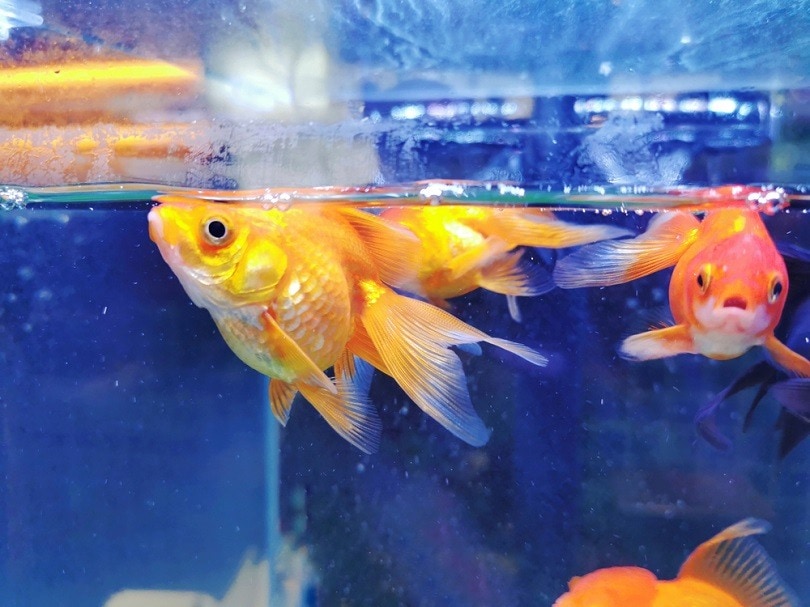
The slime coat is that lovely slippery, slimy layer that covers the body of your goldfish. This coat is a secreted mucoprotein that contains antibodies and enzymes that help your goldfish fight parasites, diseases, infections, and fungal pathogens. It also prevents the goldfish’s electrolytes from seeping out into the water, thereby helping prevent stress as well.
Aquarium salt helps to promote slime coat production, which gives your goldfish that extra boost in defense against illnesses and parasites.
3. Eliminates Parasites and Bacteria
The pathogens and parasites found on goldfish are simple (albeit harmful) organisms that can't withstand salt and will dehydrate and eventually die off from the extra aquarium salt. The same salt that helps reduce stress for your goldfish is ultimately fatal for parasites and proves an effective treatment for Ich (also known as White Spot Disease).
If you suspect your fish is sick and want to ensure you provide the right treatment, we recommend that you check out our best-selling and comprehensive book The Truth About Goldfish on Amazon today.
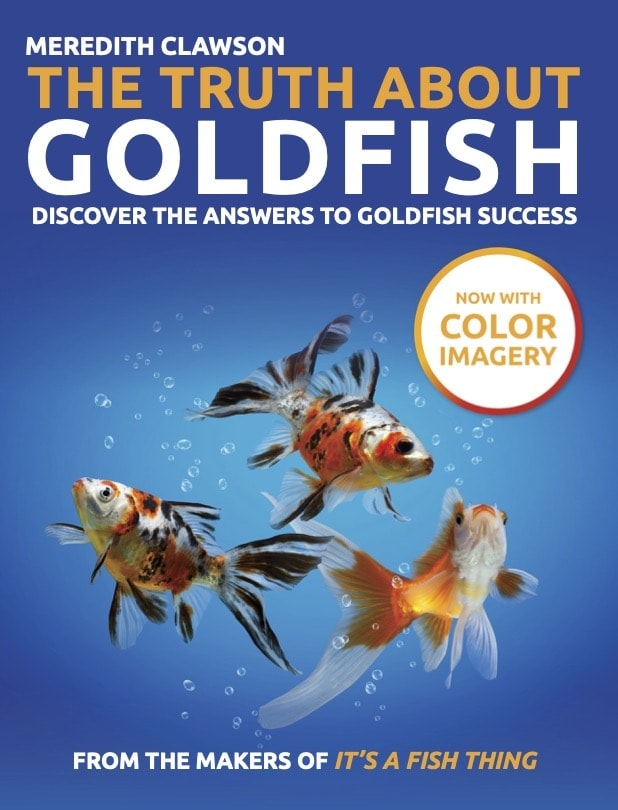
It has entire chapters dedicated to in-depth diagnoses, treatment options, a treatment index, and a list of everything in our fishkeeping medicine cabinet, natural and commercial (and more!)
4. Faster Recovery Time
This one falls closely under the reducing stress category. When there’s extra salt in the surrounding water, the goldfish don’t have to absorb as much water or work as hard to manage their bodies’ electrolytes. This essentially means that it gives the goldfish extra energy to heal or fend off illnesses and diseases.
5. Helps Prevent Nitrite Poisoning
Nitrite toxicosis typically occurs in new aquariums (also called New Tank Syndrome) when the beneficial bacteria (nitrifying bacteria) that take care of ammonia haven’t had a chance to grow. It can also occur by adding extra fish before the tank is cycled, or there’s not enough or a problem with filtration. This is a deadly problem for your goldfish. Adding aquarium salt will help to stop your fish from absorbing the excess nitrites through its gills, even when the nitrite levels are high.

Aquarium Salt as Prevention
Using aquarium salt as a preventative method essentially means keeping your aquarium salted at all times. This entails using low levels of salt to prevent any illnesses or stress before they happen. Your goldfish will always have a well-maintained slime coat, and reduced stress, and it will eliminate harmful bacteria and pathogens before they latch onto your fish.
While keeping your aquarium salted at all times does have some advantages, there are some decided disadvantages.
Preventative Aquarium Salt Disadvantages
There are problems associated with keeping your fish tank continuously salted
Most fish keepers prefer not to keep their freshwater tanks constantly salted, but it’s up to each individual. A common alternative is to only use aquarium salt to treat any problems as they arise.
Aquarium Salt as Treatment
The next option is to only treat the aquarium when absolutely necessary as many believe that salt should not be in freshwater tanks at all times
The Salt Dip
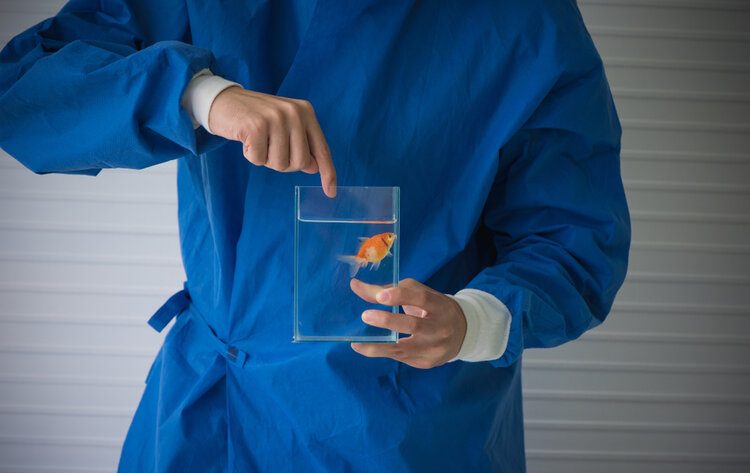
The salt dip is a concentrated salt bath that you place your goldfish in for a short period. Be sure you have a quarantine tank ready for your goldfish after the salt dip until the main fish tank has been cleaned and all parasites have been destroyed.
Place your goldfish in the quarantine tank or the clean aquarium once you’re done. Keep in mind that a weak or very ill goldfish might not survive a salt dip so you might want to explore other options if this is the case.
Be sure the aquarium is also treated before you return your goldfish back to the tank.
Conclusion
The treatment you decide on for your goldfish will depend on what is wrong with it and what you feel most comfortable doing. Many goldfish keepers recommend only using salt dips when necessary and avoiding adding salt to the aquarium on a permanent basis.
Aquarium salt is a natural treatment that can work wonders for many of the infections and parasites that might plague your goldfish. Used carefully, it might just make your goldfish feel like, well, a new fish!
Featured Image Credit: rkit, Pixabay
Get Hepper In Your Inbox


Pet care tips from our vets and experts, straight to your inbox.
You may opt-out at any time. View our Privacy Policy for more information.

Lindsey discovered her passion for fish keeping after a junior high school field trip to the Shedd Aquarium in Chicago. Prior to becoming Editor-in-Chief of It's a Fish Thing, Lindsey studied marine biology at the University of California-Santa Cruz. She loves goldfish, tetras, and mystery snails, and recently began experimenting with a saltwater aquarium.
Join the conversation
Ask a question, share your story, or send private feedback.