Hepper blog

Search our database of over 9,984 posts with up-to-date information from our experts and veterinarians.

Hepper is reader-supported. When you buy via links on our site, we may earn an affiliate commission at no cost to you. Learn more.

Ideal Water Parameters for Goldfish: 5 Vet-Approved Measurements

By Lindsey Stanton · Reviewed & fact-checked by Dr. Luqman JavedVet Approved
Dr. Luqman Javed
Reviewed & Fact-Checked byDr. Luqman JavedDVM (Veterinarian)
Dr. Luqman grew up with an extreme fondness for animals and turned a childhood dream into reality by becoming a veterinarian. His goals are now focused on helping pet owners understand their pets better in order to ensure the best quality of life for all pets globally. He is passionate about wildlife, exotic pets, pet owner education, and animal welfare. Luqman has 3 years of professional experience working with a variety of animal species. He has skills in demonstrating proper animal husbandry and training some exotic species, such as parrots. Additionally, he has decades of personal experience with keeping many exotic pets: freshwater fish, parrots, songbirds, chickens, ducks, turtles, and hamsters.View authorThe information is current and up-to-date in accordance with the latest veterinarian research. Read about our vets
Share
Ask us a question in the comments
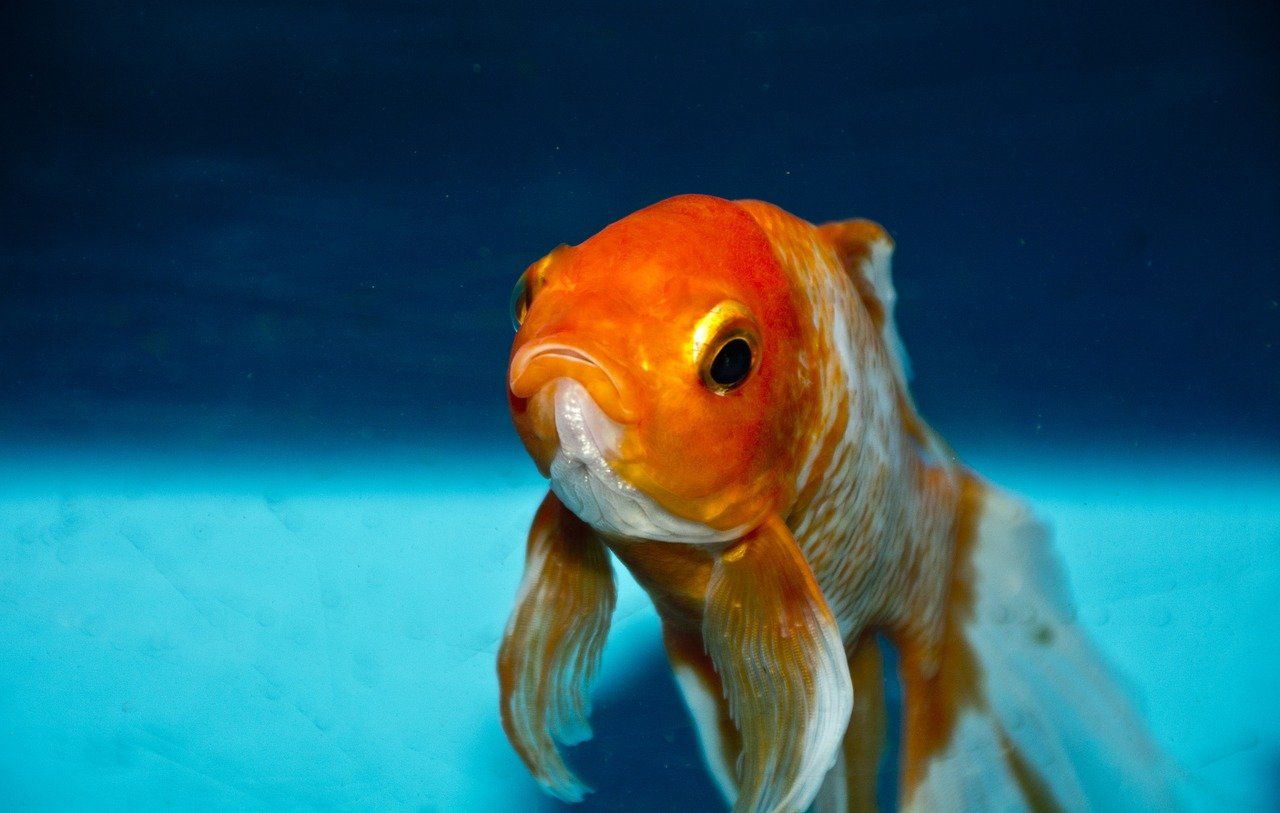
orange jikin goldfish on white background

If you want healthy, happy fish, their water has to be suitable for the species you are keeping, and goldfish definitely have their own set of needs for them to thrive. What exactly are they? Let's discuss the key water parameters for goldfish and how you can ensure your goldfish are housed in ideal conditions. After all, who doesn't want their pets to thrive?

Testing Your Water

The simplest way to get a beat on your aquarium's water is with a testing kit. Here is a quick overview of what your levels should look like, but we'll get into more detail below.
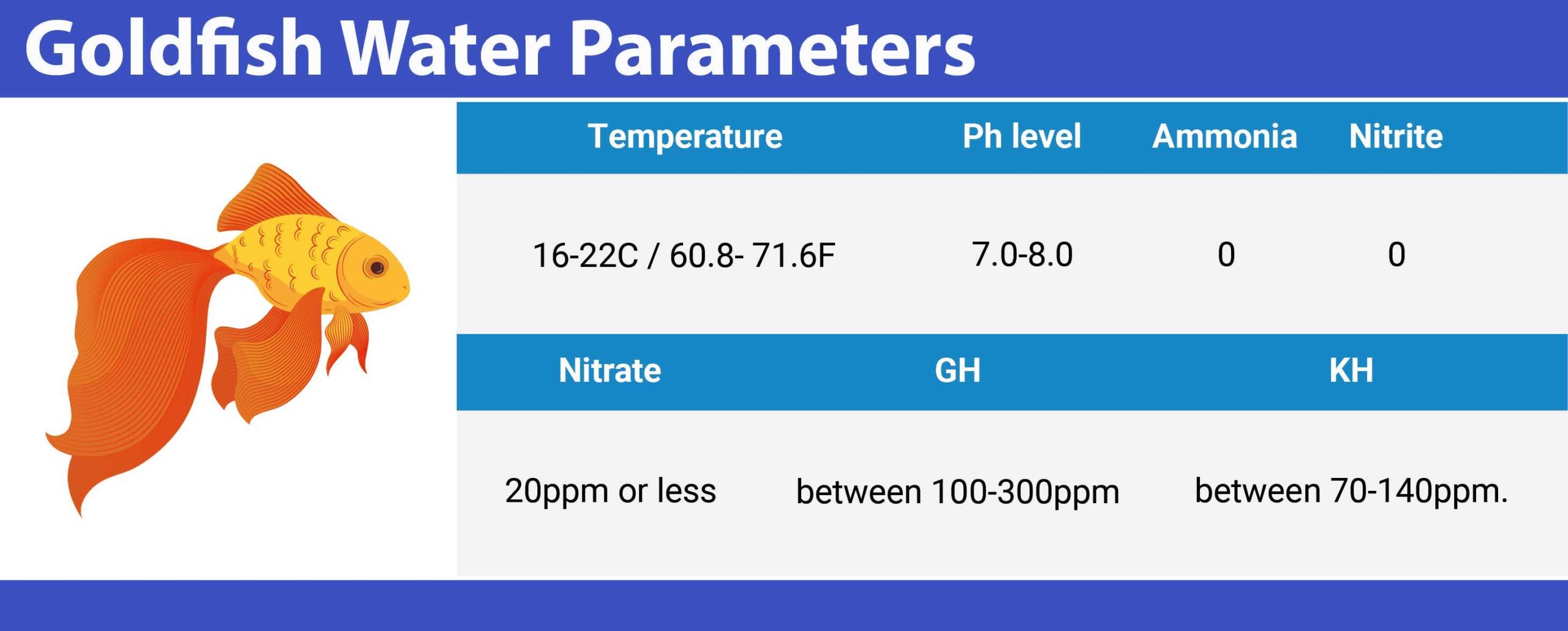
goldfish water parameters
You are free to use this image. but please give credit to articles.hepper.com

The Big 5

  • Ammonia
  • Nitrite
  • Nitrate
  • pH
  • Temperature

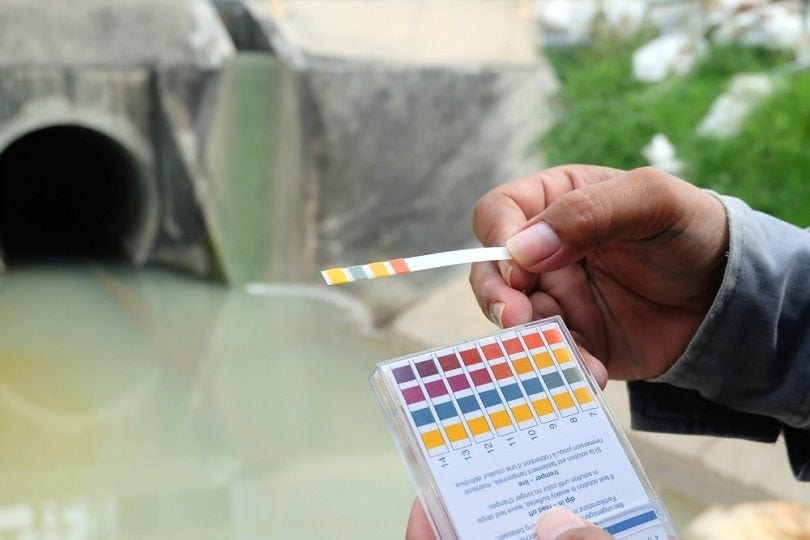
You can use a liquid kit or a dip strip test. A submersible thermometer is required to test the temperature of your water.

The 5 Essential Water Parameters to Test

1. Ammonia

Importance:

Ammonia is a waste by-product of goldfish respiration and poop. It's extremely toxic for fish.

What it should test:

Your ammonia reading should always be at 0. Any amount greater than that can poison your fish. In a cycled tank with sufficient filtration, ammonia should only be present in unusual situations, like if a fish dies.

Ammonia Poisoning Signs:

  • Sudden death
  • Erratic swimming patterns (also known as flashing)
  • Lethargy
  • Poorly coordinated swimming
  • Refusal to eat
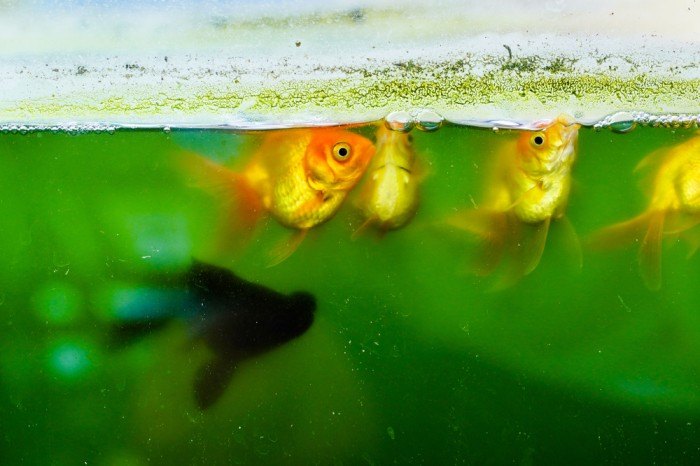
  • Heavy breathing
  • Gills appearing red
  • Gasping at the surface (also known as piping)

Reasons For High Ammonia:

  • An uncycled tank (new tank syndrome)
  • Insufficient filtration
  • An overstocked tank
  • Bacterial die-off from overcleaning
  • Overfeeding
  • A combo of all of the above

What You Can Do:

  • Immediately perform a large water change of around 30-50%.
  • Water changes and ammonia tests should be repeatedly performed until ammonia levels are at 0 ppm or 0 mg/L (depending on the kit you use). Depending on the size of your aquarium, you might have to change the water every 4-6 hours in order to keep your fish safe.
  • Stop feeding your fish temporarily.
  • If your tank is overstocked, consider reducing the stock size by moving some fish to another tank. Alternatively, switch to a larger tank.
  • Heavily oxygenate the water using air stones and powerful filtration.
  • If your tank’s pH is alkaline (over 7.0), use a product to bring it as close to 7.0 as possible.
  • Add commercial ammonia binders, aquarium salt, and nitrifying bacteria. Follow dosing instructions on the product labels. Some products might require carbon filtration to remove them from your aquarium. Activated carbon can be added to most filtration systems to do so.
  • Contact your aquatic veterinarian for any secondary issues or diseases that occur due to the poisoning.
lionchu goldfish inside the aquarium
Image by: Anstey33, Shutterstock

2. Nitrite

Importance:

Nitrite is also toxic for fish. It is the result of bacteria turning ammonia into nitrite. It can cause brown blood disease in goldfish, along with other damage to the gills and skin.

What it should test:

Nitrite should also remain at 0 in the goldfish tank. Higher than that can cause health issues and even death to the fish.

Many of the signs are also similar to those of ammonia poisoning. However, with nitrite poisoning, you might also notice the following:

Nitrite Poisoning Signs:

  • All ammonia poisoning signs
  • Heavy breathing or rapid gill movements
  • Fish tend to gather near the filter
  • Gills may appear pale or brown

Reasons For High Nitrite:

  • Same as ammonia poisoning

What You Can Do:

  • Same protocol as that for ammonia poisoning.
  • Aquarium salt is very useful for nitrite poisoning.
  • Bacteria cultures added to the aquarium for nitrite poisoning should include Nitrosomonas (these also metabolize ammonia well) and Nitrobacter strains (these are particularly efficient at metabolizing nitrite).

If you need help getting the water quality in your aquarium just right for your goldfish family, or just want to learn more on the subject (and more!), we recommend that you check out our best-selling book, The Truth About Goldfish.
The Truth About Goldfish New Edition

It covers everything from water conditioners to nitrates/nitrites to tank maintenance and full access to our essential fishkeeping medicine cabinet!


3. Nitrate

Importance:

Nitrate is far less toxic than ammonia or nitrite. When you see nitrates, your cycle is near to or fully completed.

What it should test:

For goldfish, it is recommended to keep nitrate levels at 20 ppm or under. It is best that they remain under 10 ppm. Please note that the EPA does not recommend water with nitrates over 10 ppm. If your tap water has nitrates greater than 10 ppm, you should not use it.

Nitrate Poisoning Signs:

  • Buoyancy issues
  • Bulging veins
  • Appetite loss
  • Lethargy

Reasons For High Nitrates:

  • Incomplete denitrification and not enough water changes
  • Overfeeding

What You Can Do:

  • Perform several small water changes (25% daily) to gradually reduce nitrate.
  • Add live plants to the tank.
nymph goldfish at the bottom of the tank
Image Credit: dien, Shutterstock

4. pH

Importance:

The pH measures how acidic or alkaline the aquarium's water is. A pH of 7 is considered neutral.

What it should test:

Goldfish generally do best at a pH between 7-8.

Low or High pH Signs:

  • Gasping and/or hanging at the top of the water
  • Reduced activity or lethargy
  • Suppressed appetite
  • Excess slime production
  • Slime coat shedding
  • Death

Reasons for Incorrect pH:

  • Nothing to stabilize the pH in aquarium combined with no water changes
  • Low or high from the tap water source
  • Distilled water

What You Can Do:

  • Perform water changes (if your source is fine).
  • Consider pH adjusters if necessary - always consult an aquatic vet before doing so.
  • Do not use distilled water unless it's remineralized.

5. Temperature

Importance:

Goldfish are coldwater fish and have an ideal temperature range as well as an optimum temperature.

What it should test:

The acceptable temperature range for goldfish, whether they’re kept indoors or outdoors, is 16–22°C (60.8 – 71.6°F). Fancy Goldfish have lower tolerances to changes in temperature and should be kept at 20–23°C (68–74°F). Their optimal temperature for growth, immunity, and reproduction is between 20 °C (68 °F) and 22 °C (72 °F).

Temperature Incompatibility Signs:

  • Fish will appear restless and overly active (if too hot)
  • Fish will be lethargic and may not eat (if too cold)
  • Fish may die (if temperature changes suddenly)

Reasons for Improper Temperature:

  • Sudden changes in ambient temperature
  • Replacement water (after a water change) is too warm or cold
  • A small aquarium’s temperature fluctuates more quickly than a large aquarium’s

What You Can Do:

  • Use either a chiller/fan or an aquarium heater to adjust the temperature to a desirable level. Please note that you should not change the water’s temperature by more than 1 or 2 °C (1.8 - 3.6 °F) per day. A sudden change may inadvertently shock and stress your fish. Gradual changes in temperature are advised for your fish’s safety. It's best to adjust the temperature by 1 °C (1.8 °F) every 12 hours until you reach the desired temperature.

Wrapping Up

Though there are many water tests you can perform on a goldfish’s tank, and a few of them are very important to closely monitor. In this article, we’ve summarized the five key parameters you should keep in mind when caring for goldfish. When you hit all the right numbers, all your goldfish should thrive.


Featured Image Credit: panpilai paipa, Shutterstock

Get Hepper In Your Inbox

Pet care tips from our vets and experts, straight to your inbox.

List

Select all that apply.

You may opt-out at any time. View our Privacy Policy for more information.

Lindsey Stanton
Authored by

Lindsey Stanton

Join the conversation

Ask a question, share your story, or send private feedback.
Rate this post
Required to post. Only our editors see your rating.
Who should see this?

A human reviews every comment before it appears. Your email is never published.

Picked to go with this article

Is Water Quality the Secret to a Healthy Goldfish? Facts & Suggestions

Is Water Quality the Secret to a Healthy Goldfish? Facts & Suggestions

What is the secret to goldfish health? Every aquarist wants to know. Is it a special gel food recipe with some wonderful elixir of life in it? Perhaps it is al…

Lindsey Stanton
By Lindsey Stanton ·
How to Take Care of Goldfish: Vet Approved Beginner’s Guide

How to Take Care of Goldfish: Vet Approved Beginner’s Guide

Goldfish are one the most popular pet fish in the world. These ornamental fish originate from China and have been domesticated for more than a millennium. They…

Lindsey Stanton
By Lindsey Stanton ·
What Kind of Water Do Goldfish Need? Facts & FAQ  (With Infographic)

What Kind of Water Do Goldfish Need? Facts & FAQ (With Infographic)

Keeping a goldfish is about as simple as it gets. What kind of water do goldfish need? Can you use bottled, tap, or well water? Goldfish need clean water with…

Lindsey Stanton
By Lindsey Stanton ·
Ammonia Poisoning In Goldfish: Causes, Prevention & Treatment

Ammonia Poisoning In Goldfish: Causes, Prevention & Treatment

The leading cause of death in aquariums worldwide is traced to one notorious killer: ammonia. Interestingly enough, disease isn't as much of a predator of gold…

Lindsey Stanton
By Lindsey Stanton ·

Keep reading

More stories you might like

Goldfish Water Temperature Guide - What Is the Range for Goldfish?

You’ve probably heard that goldfish are cold water fish, but is that true and what exactly does it mean? Goldfish are often misunderstood pets, which leads to…

Lindsey Stanton
By Lindsey Stanton ·
Goldfish Water Temperature Guide - What Is the Range for Goldfish?

How Long Do Goldfish Live? Average Lifespan, Data & Care Guide

Goldfish (Carassius auratus) are popular pets with a history that stretches back to China’s Tsin Dynasty (265–419 AD). The species still exists in the wild, an…

Chris Dinesen Rogers
By Chris Dinesen Rogers ·
How Long Do Goldfish Live? Average Lifespan, Data & Care Guide

Goldfish Tank Size Guide: Vet-Approved Tips & Tricks

Although the most common pets in America are undoubtedly dogs and cats, you may be surprised to learn just how many people keep fish. According to a recent sur…

Gregory Iacono
By Gregory Iacono ·
Goldfish Tank Size Guide: Vet-Approved Tips & Tricks

Why Is My Goldfish Dead? 6 Common Reasons

Just a quick plug for goldfish before we get into this: They have a reputation for being short-lived and dying easily. I feel like they really don't deserve th…

Lindsey Stanton
By Lindsey Stanton ·
Why Is My Goldfish Dead? 6 Common Reasons

How to Change Goldfish Water in Your Tank (in 5 Steps)

The importance of clean water can't be stressed enough when it comes to caring for your fish. If you want a healthy goldfish, you have to start with healthy wa…

Lindsey Stanton
By Lindsey Stanton ·
How to Change Goldfish Water in Your Tank (in 5 Steps)

8 Goldfish Myths & Misconceptions: Vet-Approved Info

Colorful, hardy, and long lived, the goldfish is one of the most popular pet fish to own worldwide. However, their popularity has gained them plenty of misconc…

Sarah Psaradelis
By Sarah Psaradelis ·
8 Goldfish Myths & Misconceptions: Vet-Approved Info

Can Goldfish Survive Being Frozen? Vet-Approved Safety Information

If you have perhaps accidentally let your goldfish pond freeze solid during the wintertime, you may be wondering if your goldfish could survive. The simple ans…

Lindsey Stanton
By Lindsey Stanton ·
Can Goldfish Survive Being Frozen? Vet-Approved Safety Information

What to Do in Case of a Goldfish Emergency? How to Save Your Pet

You look in your tank one morning and realize (with horror) that something is really wrong with your fish. For a second, you think it is dead. Running up to th…

Lindsey Stanton
By Lindsey Stanton ·
What to Do in Case of a Goldfish Emergency? How to Save Your Pet