Hepper is reader-supported. When you buy via links on our site, we may earn an affiliate commission at no cost to you. Learn more.
Goldfish Anchor Worm & Lice Treatment: DESTROY these Parasites!
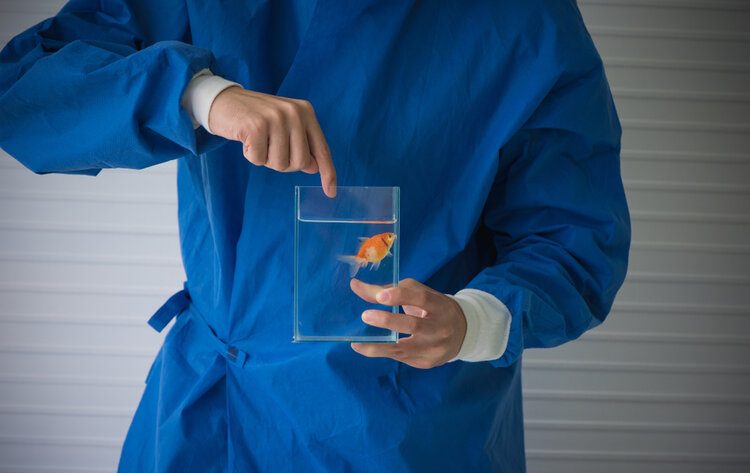
Dealing with creepy crawlies on your fish? I'm sure you're thinking one thing: Yikes!
The good news is... Treatment is pretty simple. And once you get rid of them - they won't come back. (Assuming you quarantine any new fish properly.)
So, let's dive in!

What are Fish Lice and Anchor Worms in Goldfish?
Fish lice and anchor worms are two common parasites that prey on our finned friends. They are often found on fish at the pet store.
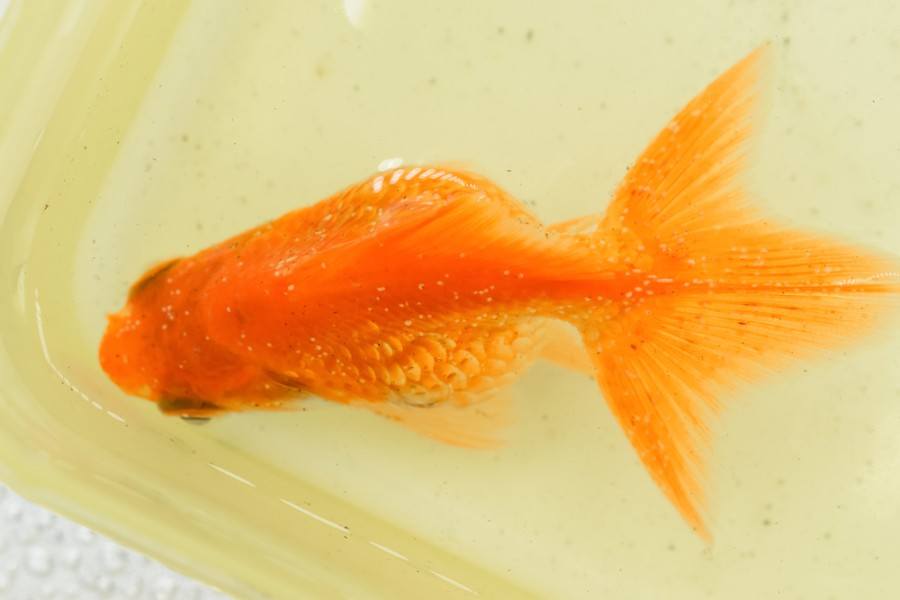
Unlike many goldfish parasites, these two buggers can be seen with the naked eye. Lice look like little green specks:
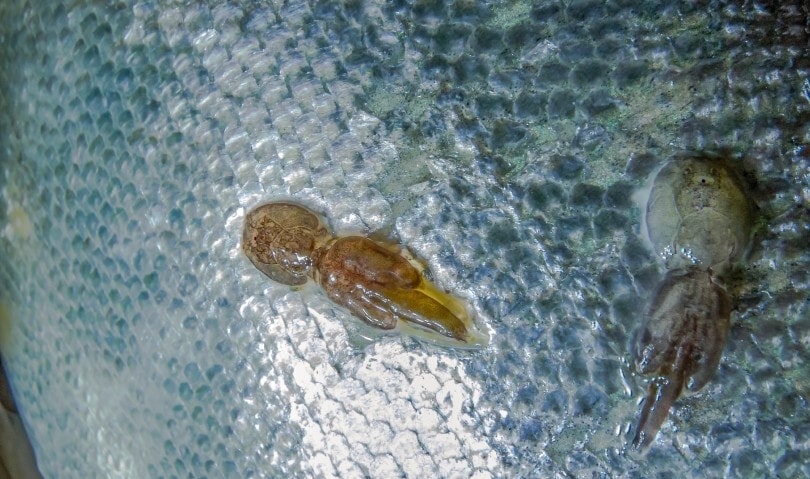
Anchor worms look like sticks or strings sticking off of the fish:
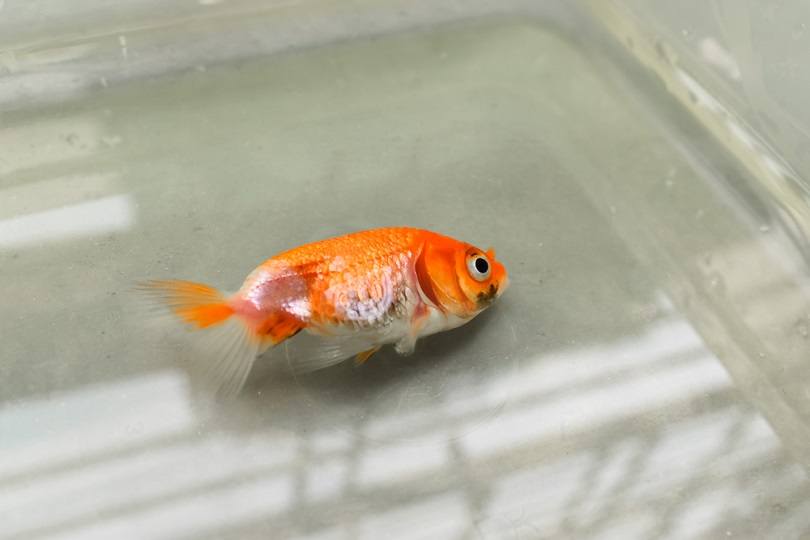
As they chew on your fish, your fish may get super irritated - scratching itself, flicking its fins, maybe even hitting itself on things in the tank, or jumping out of the water onto the floor!
Both of them lay eggs. Both of them attach themselves to your fish to eat it alive (eek!). And both of them have the same treatment.

How to Treat Anchor Worms & Lice
Treating anchor worms and lice QUICKLY is critical. Why? Because the longer they are left untreated... the greater the chance is that the fish won't make it.
Some people recommend pulling the bugs off using a pair of tweezers, and then swabbing the lesions with hydrogen peroxide.
Now: The problem is this method doesn't get rid of the eggs they've laid in the tank. Once the eggs hatch and the larvae are swimming free... It's only a matter of time before the problem comes back.
Yep, this means they can still get it again. Getting rid of the eggs is the most important step to get your fish to recover. The truth is...
By the time you actually see the parasite on your fish, it's already laid lots of little eggs that are waiting to hatch.
Look: Pulling off the parasites is a great place to start. But using the right medication will take care of those sneaky little eggs lurking in the tank.
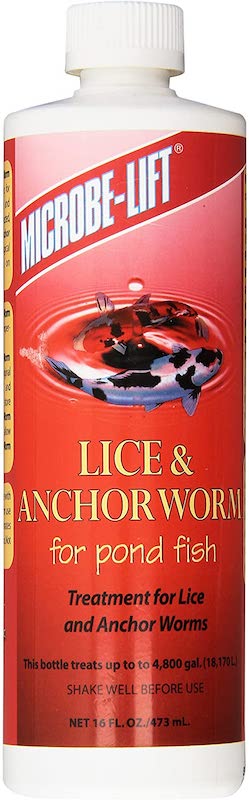
In the past, a pesticide called Dimilin was the treatment of choice. But it's expensive, super toxic, and hard to get. This newer medication containing Cyromazine (the active ingredient) is just the ticket. You can get a larger size if you need to treat a pond.
Secondary Infections: Prevention is Better than Treatment
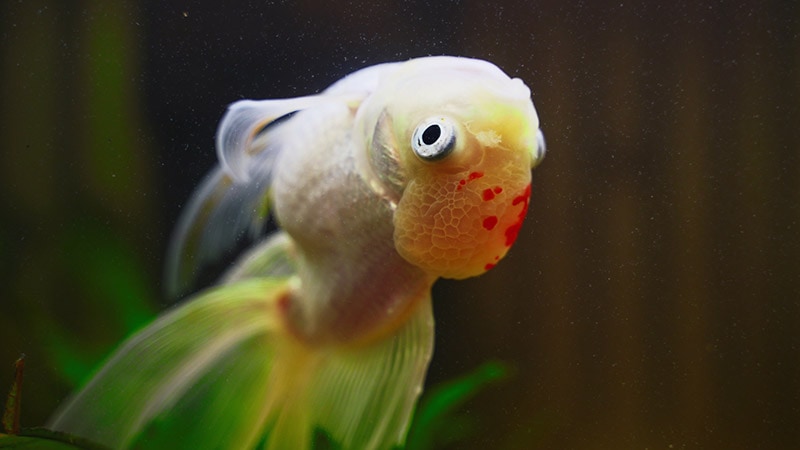
The scary thing about these pests is that they can create red spots or sores on your fish, which are little wounds... Wounds that can become infected by bad bacteria.
With many parasites, many times the parasite itself isn't even as dangerous as the infections that can follow! Preventing secondary infections is the best way to deal with them.
I recommend using KoiZyme throughout treatment and several weeks afterward to help protect the fish from infection.
KoiZyme is a totally natural product that contains good bacteria and nutrients to help prevent bad bacteria from trying to colonize on ulcerations on your goldfish.
It is safe to double the dose... in fact, it's very difficult to overdose with this product and many fishkeepers report no ill side effects with a triple concentration.
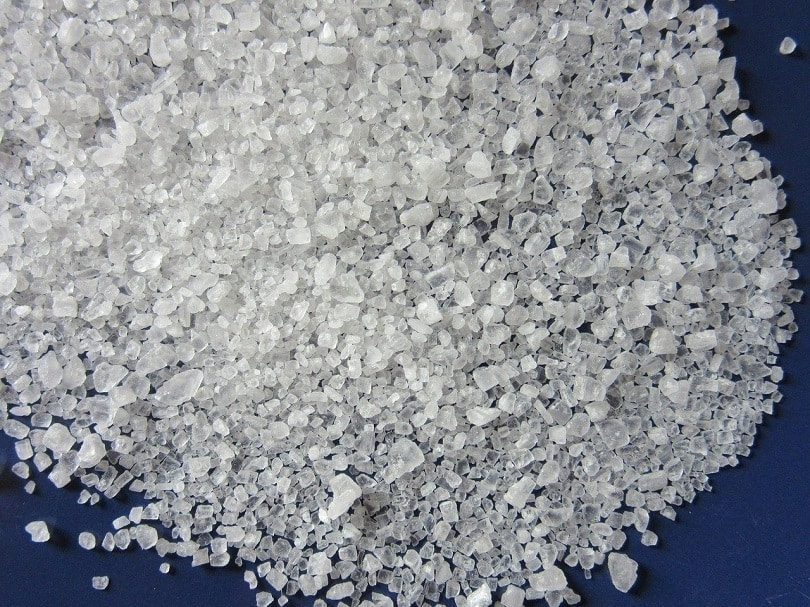
Another tip is to salt the water at 0.3%, which will help reduce osmotic pressure on the wounds and expedite the healing process. KoiZyme is safe to use with salt.

How to Identify Anchor Worm on Your Goldfish
Diagnosing anchor worm on your goldfish is pretty easy. Anchor worms have been described like a... Stick. Splinter. Or... Worm.
The Copepod has a pronged head, shaped like an anchor.
It burrows this under the fish's skin to suck its blood. (Only the females do that.) The worms themselves can be many different colors, from red to brown to light green. Needless to say, fish with anchor worms can feel pretty uncomfortable, and the red sores are a sign of irritation from the pest.
Here's a video of someone manually removing worms from their fish with tweezers:
Again, Cyromazine (the main ingredient in Microbe-Lift Lice & Anchor Worm) is the way to go for goldfish anchor worm treatment.

How to Identify Fish Lice
Lice are nasty little critters. They have a long needle that stick into your fish to suck its blood. (I'm not making this up.) They are also carriers of other fish diseases!
You can identify them as little green specs that look a bit like a dot of green algae on your fish. Close up, they look like a really freaky, disc-shaped alien creature with dark eyes. Lice make your fish feel itchy and scratchy.
Treat them quickly with Cyromazine-containing products to make your fish feel better!
If you think your goldfish may have a parasite but you aren’t sure which one, you should check out our best-selling book The Truth About Goldfish, on Amazon.
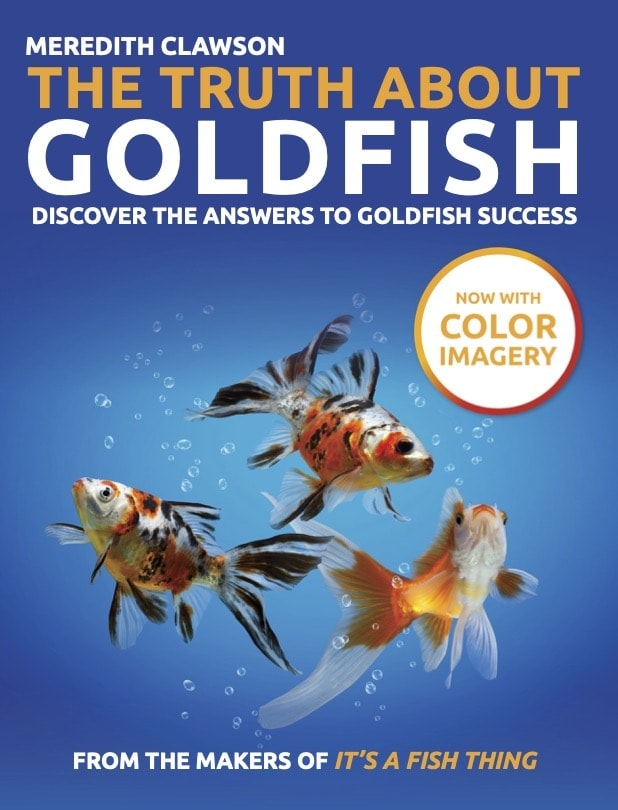
It provides visuals of each possible ailment so you can diagnose accurately and start treating your pet ASAP so you can save your fish and keep them healthy.

Parasite Prevention Tips
Anchor worms and fish lice are highly contagious. One fish carrying the disease can quickly contaminate all the fish it's exposed to.
So: It's really important to quarantine your new fish to catch it before it spreads, infecting your existing collection.
Sometimes your new fish won't show signs of them for the first week or so until later on, you notice something clinging to your pet.
Remember: I always say, if something shows up during quarantine - that means quarantine is doing its job. It's far better to deal with something away from your main display tank than to risk the health of all of your finned friends!
I also give a complete quarantine procedure in my book, The Truth About Goldfish, which teaches you how to ensure how to safely remove all parasites from your goldfish.

What About You?
Are you dealing with an outbreak of anchor worm? Are lice crawling around on your fish? We hope this guide helps!
Featured Image Credit: BannokStockPhoto, Shutterstock
Get Hepper In Your Inbox


Pet care tips from our vets and experts, straight to your inbox.
You may opt-out at any time. View our Privacy Policy for more information.

Lindsey discovered her passion for fish keeping after a junior high school field trip to the Shedd Aquarium in Chicago. Prior to becoming Editor-in-Chief of It's a Fish Thing, Lindsey studied marine biology at the University of California-Santa Cruz. She loves goldfish, tetras, and mystery snails, and recently began experimenting with a saltwater aquarium.
Join the conversation
Ask a question, share your story, or send private feedback.