Hepper is reader-supported. When you buy via links on our site, we may earn an affiliate commission at no cost to you. Learn more.
6 Common Goldfish Diseases: Our Vet Explains Treatment & Prevention

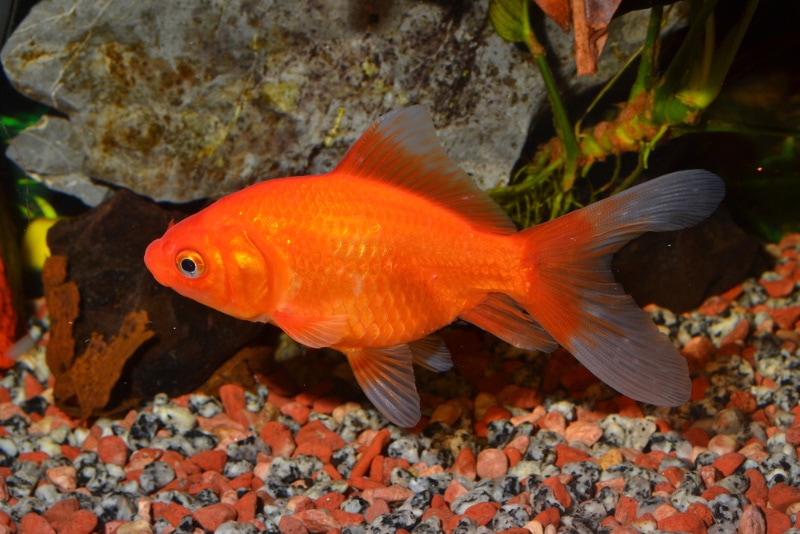
For many people, fish are the best pets. Besides the fact that they won't make messes in the house, they won't chew on your shoes or furniture, break your flower vases, or make noise, and it's relaxing to sit and watch them swimming in their environment. However, even if you set up the proper conditions for them, always give quality food to them, and regularly clean the aquarium, your fish can still get sick.
In this article, we talk about six common goldfish diseases and how you can treat and prevent them.

How to Recognize Common Diseases in Goldfish
It’s vital to know how to recognize that something is wrong with your pet. It is sometimes difficult to recognize when a dog or cat is suffering from various conditions, and in the case of fish, it is even more challenging. Fish are less expressive, and contact with them is not as frequent and close as in the case of dogs and cats. However, they can still show certain signs of illness, and you’ll need to know how to recognize them to be able to take the necessary measures in time.
The most common clinical signs in fish include:
- Shorter feeding time than usual
- Refusal of food
- Weight loss
- Broken or injured fins
- White spots on the body
- Cloudy eyes
- Swimming erratically
- Color loss
- Rapid breathing
- Gulping at the water’s surface
- Abnormal behavior
If you notice these clinical signs, it is recommended to talk to a specialist who can help you solve the problem.
The 6 Common Goldfish Diseases
1. Goldfish Ich Disease (White Spot)
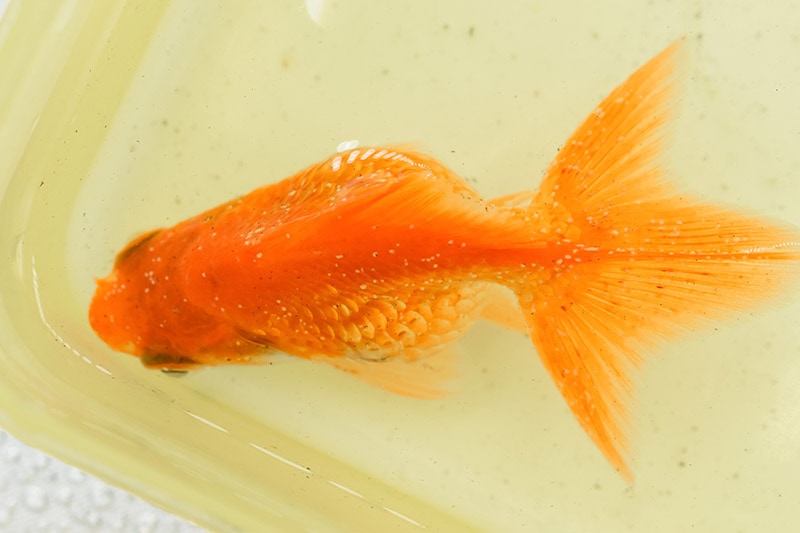
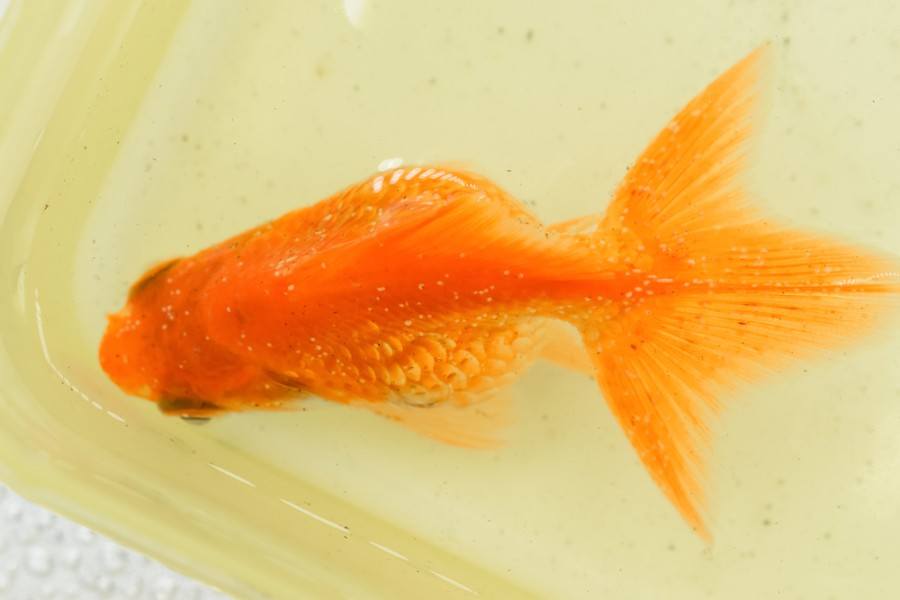
The disease is sometimes incorrectly called “ick” disease. The ich parasite (Ichthyophthirius multifiliis) is the most common protozoan parasite found in fish tanks. When it is present, white spots may appear on the body and fins of the fish. Other clinical signs may include:
- Rapid breathing
- Rubbing against gravel or aquarium decorations
This parasite activates when there is a sudden drop in water temperature caused by a malfunctioning heater, adding cold water when changing the water, or even introducing new fish to the aquarium. When a new fish is added, due to transport and stress, its immunity may be low, making it extremely prone to infection.
Treatment
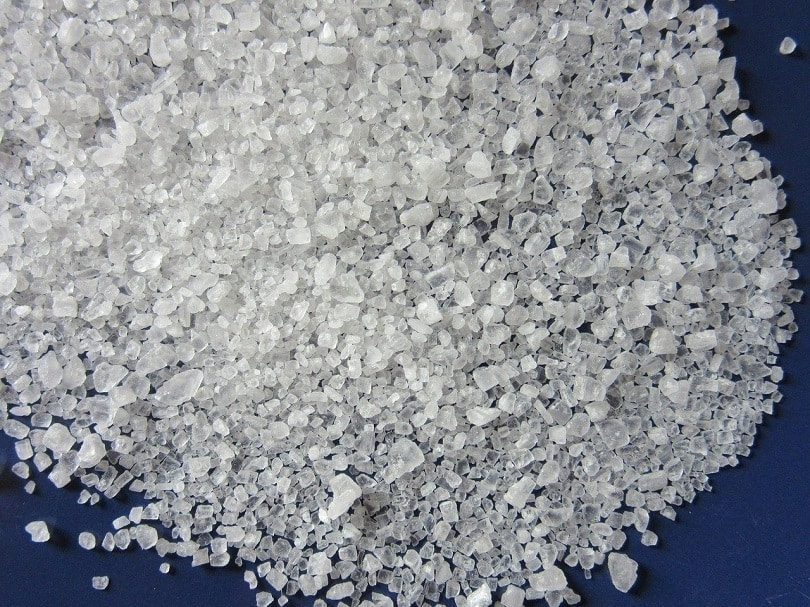
If you notice the clinical signs and think that one of the fish is infected, it is mandatory to treat the whole aquarium because this parasite is highly contagious. Also, the affected fish cannot be treated because the parasite is under their skin. When the cyst ruptures, though, the parasite can be killed because it releases the young into the water. To kill the parasite in the water, raise the water temperature to 80°F (27°C), and add methylene blue or malachite green. Put the affected fish in a bath of aquarium salt and add 3 teaspoons per gallon immediately. After 12 hours, and after 12 hours again for 14 days, and then reduce the salt concentration at each water change.
Prevention
It is important to quarantine all newly arrived fish for at least 30 days to prevent infecting your entire aquarium.
2. Swim Bladder Disease
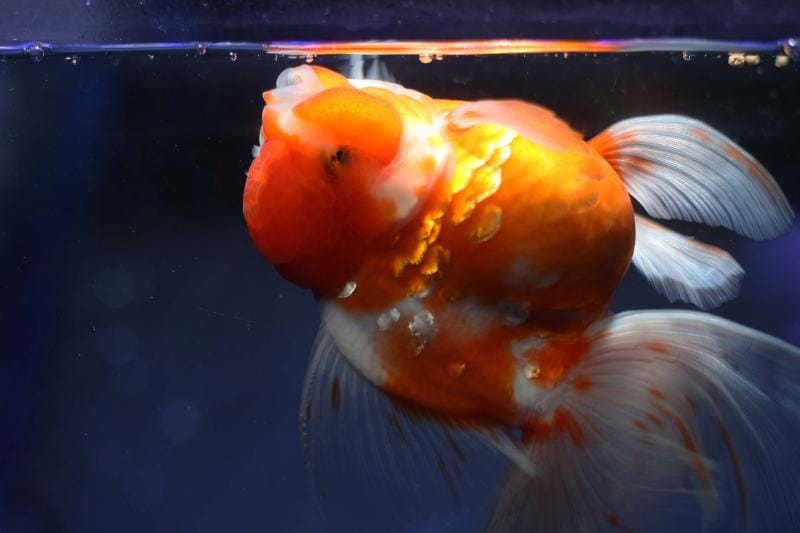
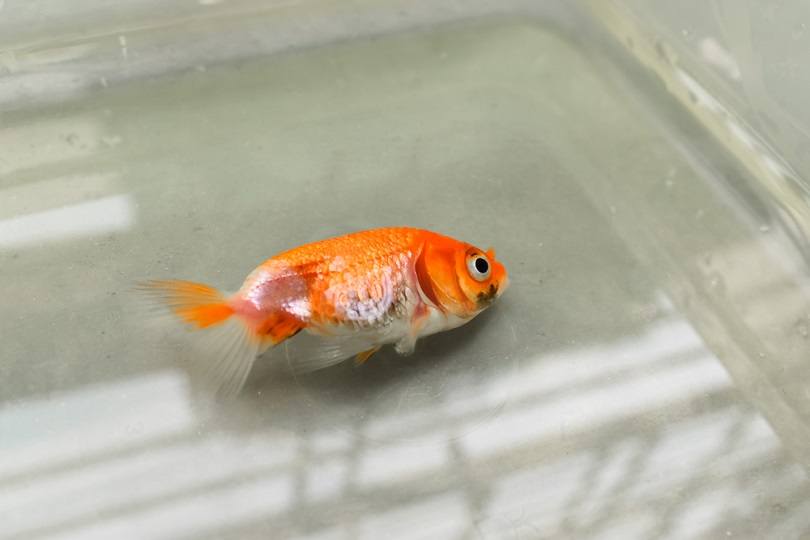
This disease is common in aquarium fish. The swim bladder helps maintain a fish's buoyancy. When this organ no longer works properly, you will notice your fish swimming upside down, sideways, at the bottom of the aquarium, etc. The causes of swim bladder disease are multiple and can include:
- Constipation
- Swallowed air
- Environmental anomalies
- Bacterial or fungal infections
- Kidney or liver problems
Swim bladder disease can also be genetic due to inbreeding.
Treatment
Check the water quality and change 25% of it. You can also try not to feed your fish for 48 hours or feed it shelled peas (one to two peas a day), which can help relieve constipation problems.
Prevention
If your fish consumes food in the form of flakes, soften the flakes before feeding them to remove the air. Also, constantly check the water quality, and feed your fish a high-quality sinking pellet diet.
3. Bacterial Infections
Bacterial infections are the most common diseases in aquarium fish after parasites. Clinical signs of fish suffering from bacterial infections may include:
- White film on the fins or body
- Cloudy eyes
- Bleeding
- Open wounds
- Fin, mouth, and tail rot
- Ulcers on the head
In most cases, the main cause is prolonged exposure to poor-quality water. Unfortunately, poor-quality water weakens the fish's immunity, making it vulnerable to infections. Also, a low-quality diet can play a role in your fish getting sick.
Treatment
Antibiotics will be needed for bacterial infections. So, talk to your vet about a prescription. Always respect the dose that they recommend.
Prevention
To prevent bacterial infections, quarantine newly arrived fish, make sure the water is of good quality and in normal parameters, and give your fish a proper diet.
4. Fungal Infections
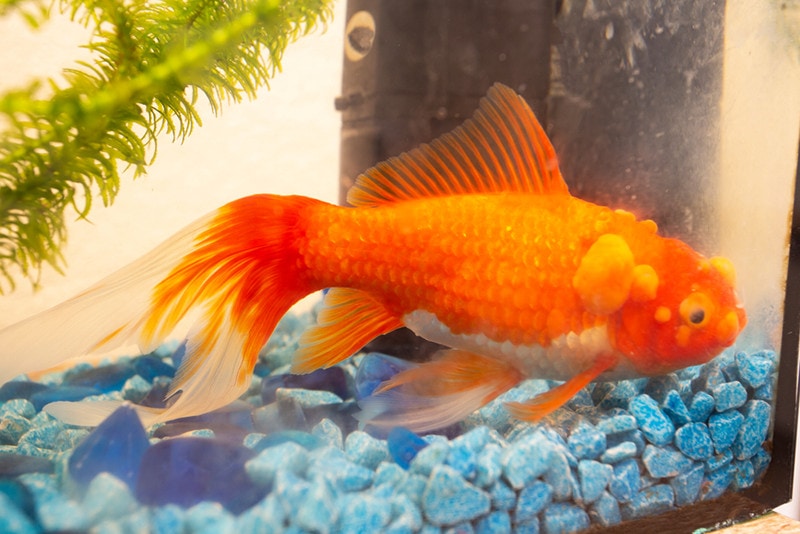
Fungal infections in fish are less common than bacteria or parasites. However, when these are present, fish will have fuzzy or cottony deposits on their bodies. Fungal infections generally occur due to poor water quality, infected food, or open wounds.
These infections are generally not contagious but do require immediate care.
Treatment
Talk to your vet for a prescription for antifungal drugs for your sick fish. Always respect the recommended dosage.
Prevention
To prevent fungal infections, quarantine your newly arrived fish, and make sure the water is of good quality. You should also make sure your fish receive a proper diet.
5. Ulcers
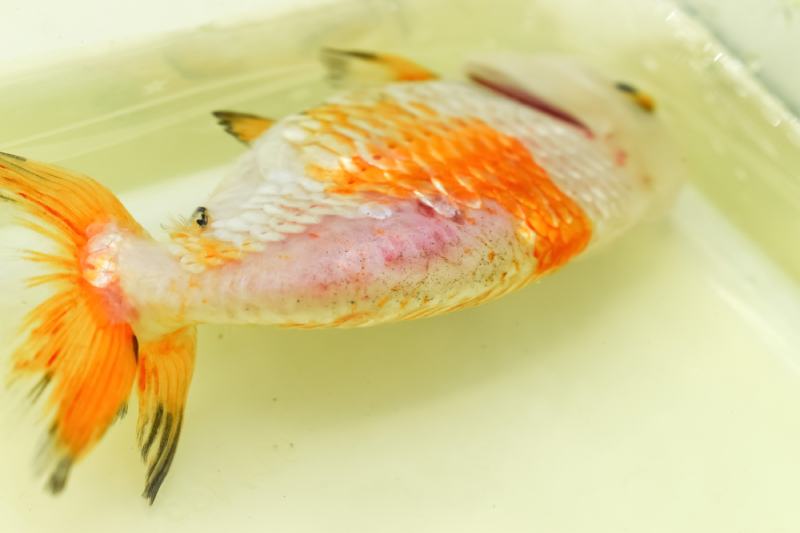
Ulcers usually affect goldfish and look like wounds. They represent the inflammation and erosion of external tissues and can be caused by:
- Parasites
- Physical injury
- Bacterial infection
- Bacterial sepsis
- Chemicals in the water (ammonia, nitrate, and high or low pH levels)
- Bacterial erosion
You need to check if only one or several fish are affected. If many fish have ulcers, it may indicate an environmental problem.
Treatment
Check the quality of the water and replace 30 to 50% of it. Quarantine the affected fish, and apply treatment solutions following the dosing instructions on the label. Add aquarium salt to your tank if your fish tolerates it.
If the ulcer is caused by a bacterial infection, contact your vet for appropriate treatment.
Prevention
Ensure that the water is of good quality and that it respects the normal parameters for goldfish (ammonia, 0 ppm; nitrites, 0 ppm; nitrates, 0 ppm; pH, 6.5–8.0). Also, make sure that your fish eat a quality diet and that you quarantine newly arrived fish.
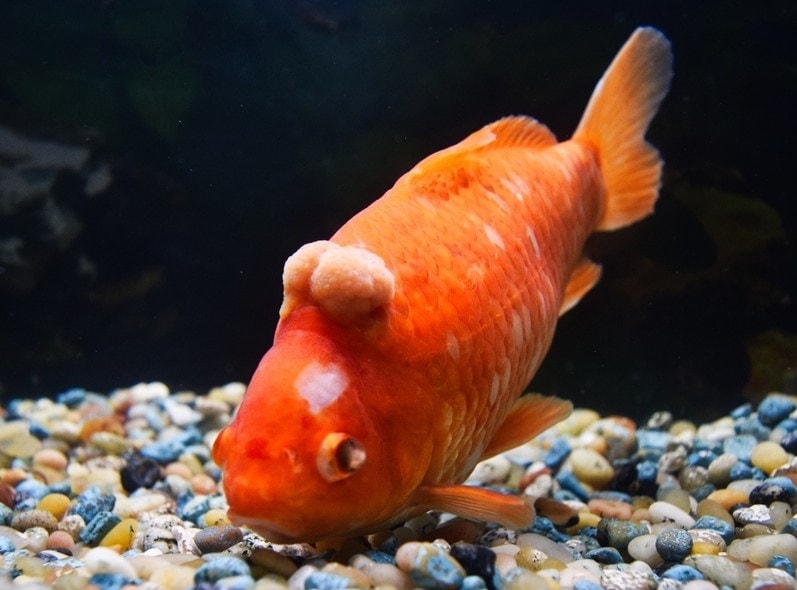
6. Popeye Disease
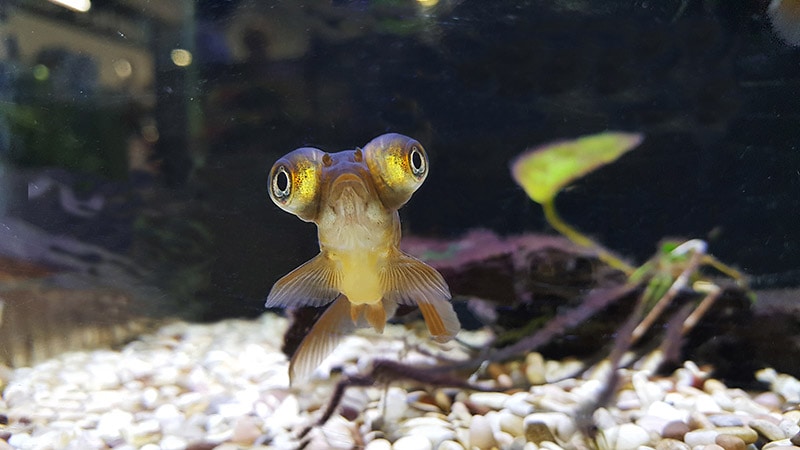
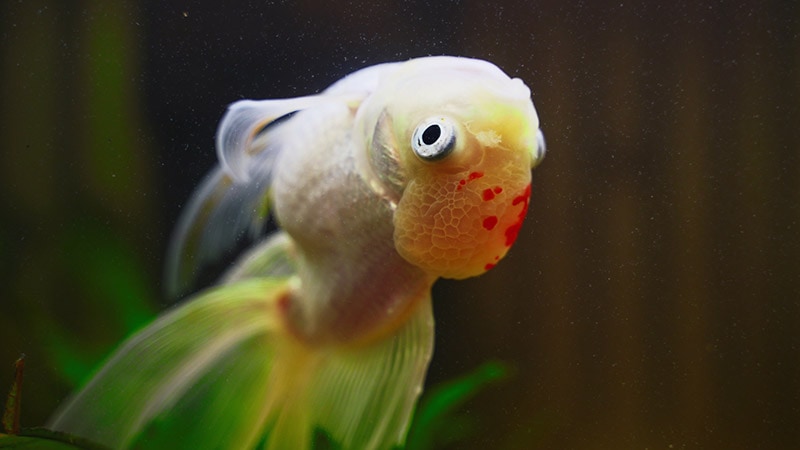
Popeye disease is not considered a condition but rather a clinical sign of an underlying problem. As the name indicates, popeye disease causes an accumulation of fluids either behind the eye or even in it. The eyes of the fish enlarge so they seem to pop out of their sockets. This condition can be caused by fights between fish, bacterial infections, or poor-quality water in the aquarium.
Treatment
If you notice a problem with your fish's eyes, remove any sharp objects from the aquarium, and observe if there is any aggressor. It is best to isolate your affected fish, give it healthy food, and treat its condition.
This could be a basic bacterial infection, so do not skip the quarantine stage. It may be necessary to treat the entire aquarium. Change 30 to 50% of the amount of water, and treat it with an antibacterial solution.
Prevention
Check that there are no sharp objects or aggressive fish in your aquarium. Also, ensure that the water quality is suitable for your goldfish and that they receive an adequate diet. Do not hesitate to contact your vet if your fish changes its behavior or shows clinical signs.
Conclusion
It is more difficult to realize that something is wrong with your fish compared to some other species of pets, but it is not impossible. The most common goldfish diseases are bacterial, fungal, and parasitic infections, swim bladder disease, ulcers, and popeye disease. Recognizing the clinical signs associated with these conditions will help you institute the best treatment.
Isolating your newly arrived fish is the best method of prevention. Maintaining a clean aquarium with quality water and feeding your fish an adequate diet will also help prevent these diseases.
Related Reads:
Featured Image Credit: M Production, Shutterstock
Get Hepper In Your Inbox


Pet care tips from our vets and experts, straight to your inbox.
You may opt-out at any time. View our Privacy Policy for more information.
Iulia Mihai is a veterinarian with more than 13 years of experience in pet pathology, laboratory, and cancer. She studied at the University of Agronomical Sciences and Veterinary Medicine of Bucharest, Romania Iulia earned a master’s degree in equine and pet pathology and studied epithelial cancer for her Ph.D. Dr. Mihai's passions for internal medicine and parasitology inspired her to volunteer at the faculty’s clinic in her third year of college. She has worked in a couple of veterinary clinics over the years as an internal medicine specialist, and loves to write and educate pet parents about pet nutrition, behavior, and diseases.
Iulia is a passionate veterinarian with a strong affinity for veterinary parasitology, internal medicine, and laboratory. She is excited to share her experience and knowledge with pet owners around the world through her writing and hopes to educate people on pet nutrition, diseases, and behavior.
Education
Iulia graduated from the University of Agronomical Sciences and Veterinary Medicine, Bucharest, Romania, in 2012 and has a Master’s degree in Small Animals and Equines Pathology and is certified in HAACP food safety system implementation. Iulia started her Ph.D. in epithelial cancer in dogs and cats in 2013. Her research is published in national and international veterinary journals.
Experience
Dr. Iulia has been a veterinarian for more than 14 years. She is experienced in animal pathology and laboratory and has experience with exotic animals, such as pet rats and ferrets. She also has skills in the field of clinical pathology, laboratory, microscopy, cancer, and imaging.
Join the conversation
Ask a question, share your story, or send private feedback.