Hepper is reader-supported. When you buy via links on our site, we may earn an affiliate commission at no cost to you. Learn more.
How to Treat Goldfish Ich (White Spot Disease) in 7 Simple Steps
In this article
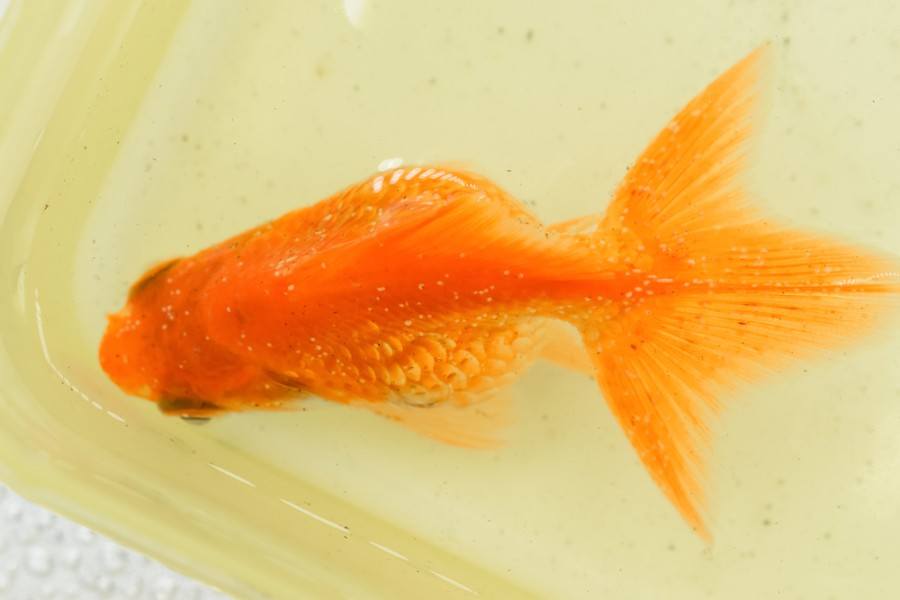
It sounds like what it is. A tiny little parasite that gradually covers the body and fins of your precious goldfish...until they look like they've just come out of a snow globe. But it gets worse: untreated, ich will eventually KILL your goldfish.
So, does your goldfish have ich? Find out how to diagnose and treat it - before it gets out of hand.

What is Ich?
Ich is short for Ichthyophythirius multifilis. Also known as "white spot disease." And it's a common unwelcome visitor in aquariums that contain recently purchased goldfish. In ponds, parasites aren't a serious threat to goldfish because most of them never find a host (thanks to all the water). A fish can live fine with one or two.
But in a CLOSED aquarium, it's a whole 'nother story.
Now the fish has nowhere to escape as massive amounts of parasites multiply to crazy-high numbers. This eventually leads to the fish inevitably getting "taken down."
Unless you eradicate EVERY LAST parasite.
Signs
Common Signs
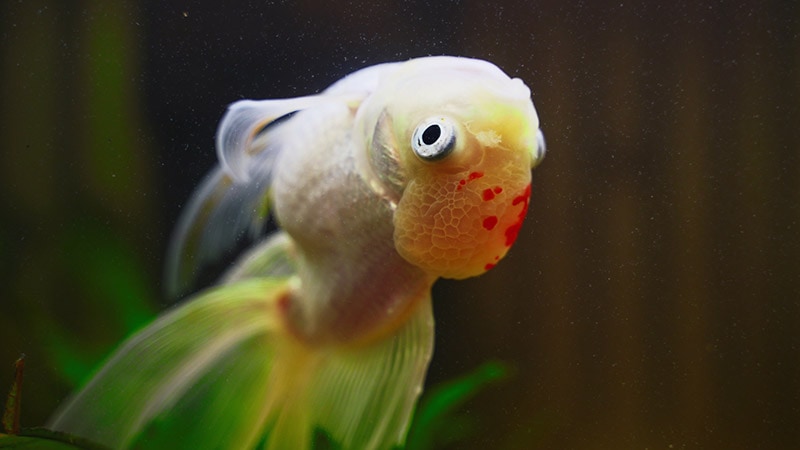
Sometimes goldfish ich can cause difficulty breathing and red skin, but this is less common. Once you've seen ich, there's no mistaking it.
The manifestation of white spot disease is far different from the breeding stars that appear on the gill covers and pectoral fin rays of male goldfish during the warm months of the year.
Ich will affix itself to any part of the goldfish's body, save the eyes, and continue to multiply with time.
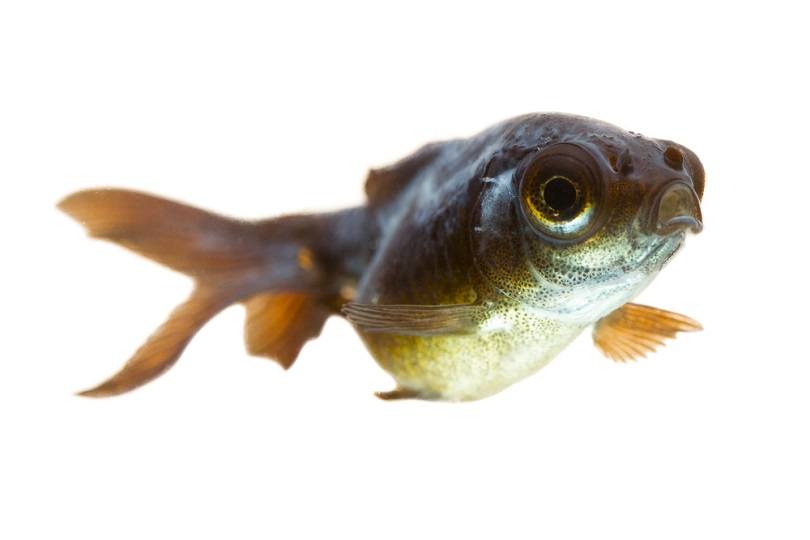
If left untreated, the goldfish can die. This is because this creepy creature does considerable damage to the gill tissues of the fish, suffocating them through lack of oxygen.
So what can you do to help your fish? Understanding the life cycle of this pesky protozoan is the key to eradicating it from your aquarium.
In a nutshell, ich is one of the most common parasites of domestic fish.
Interestingly enough, the tiny white spots that can appear fuzzy up close are actually not the ich parasites - they are the goldfish's immune reaction to the parasite underneath its skin.
You may not always see the visible white spots when your goldfish has white spot disease. Depending on the conditions in the tank, this disease may only be detected with a microscope. If your fish flashes, clamps its fins and acts lethargic, it may host a vast number of ich organisms - though it shows no speckles.
WARNING: If you do not treat the fish quickly, the fish may not survive. You may follow a good treatment plan, but sometimes by the time you start, it is too late for the fish. Catching it early is key.
If you think your goldfish may have a parasite but you aren’t sure which one, you should check out our best-selling book The Truth About Goldfish, on Amazon.
It provides visuals of each possible ailment so you can diagnose accurately and start treating your pet ASAP so you can save your fish and keep them healthy.
The Life Cycle of Ich
Ich enters the goldfish tank through the water.
(Let's say one thing about this: when you buy a new goldfish, please do not dump ANY of the pet store water into your tank EVER. You do not know what invisible pathogens it may contain.)
At this stage, the creature is "free-swimming" like a goldfish fry, and seeks to latch onto a host. When it finds one, it buries itself underneath the skin to feed on the fish (yuck)...
... Where it grows...
... and grows...
... until it the skin bursts, releasing a packet that falls to the bottom of the tank.
From there, it continues to grow until it bursts open to release thousands of more free-swimmers that begin searching for a new host immediately. The process continues until the tank is completely infested.

The 7 Steps to Treat Ich in Goldfish: Salt Method
Controlling the temperature of the tank can help you clear up ich much faster.
While it is lodged in the skin of the goldfish, the protozoan cannot be touched by any cure and can remain there for over a week in low temperatures.
Because the pathogen can only be killed during the "free-swimming" stage, raising the temperature of the tank speeds up the life cycle of ich and allows you to kill the parasite while it is vulnerable. Then you can DESTROY it with the treatment!
At Pure Goldfish, we prefer to go the natural way when it comes to goldfish treatment.
Store-bought medications are not only pricey, but they are very dangerous to the stability of the tank because they can destroy the beneficial bacteria needed to ensure stable water parameters and stress the fish themselves.
Recent evidence shows that strains of "Super Ich" are showing up due to the overuse of these chemicals. Why pay for something that could potentially destroy your goldfish community? Not only that many products that claim to cure ich simply don't work.
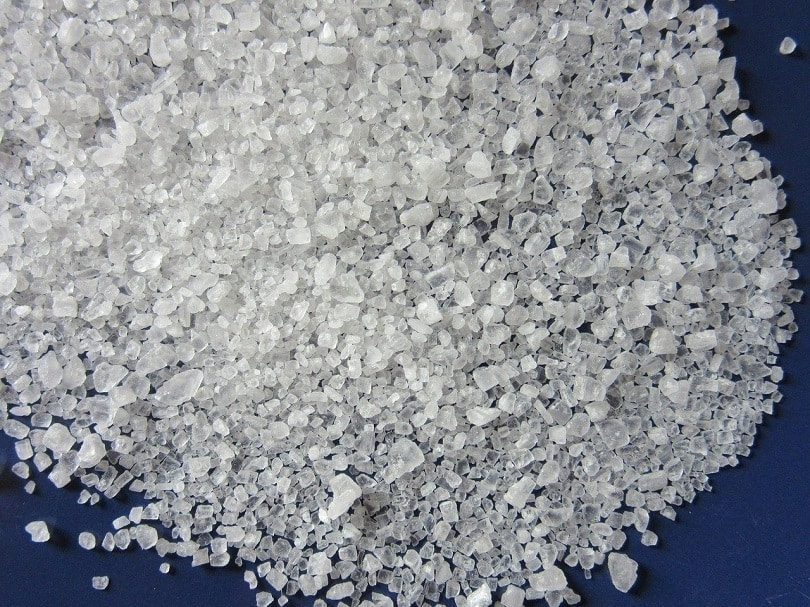
Non-iodized sea salt (which cannot have any anti-caking agents) is by far the MOST effective and safe treatment for your goldfish tank.
You can get aquarium salt here.
Here's the best treatment I've ever used to stop this disease for good.
Follow these steps to cure your goldfish from ich using salt:
Steps to Cure Goldfish using Salt:
Do not worry if the ich seems to worsen during treatment - this is normal and means that the life cycle of the protozoan is indeed speeding up, as you want it to.
In about 10 days, (if all goes well) things should start looking much better.
Note: ALL fish exposed to the sick one must go through treatment. Do not bother with a hospital tank if an infected fish was in your main tank as they have likely already contaminated it.
Keep a close eye on the goldfish and test the water frequently to maintain perfect water conditions.
Alternatives to Salt
Sometimes salt is actually NOT the best treatment for your tank.
Why? Salt is not a good solution for planted tanks, as it will harm or kill them. It is especially not recommend treating scaleless fish (such as loaches) with salt as they are very sensitive.
Instead, there are two good alternatives you can use:
- MinnFinn is proven to kill ich and is the most natural alternative to salt
- Ich-X can be effective as well
(If using MinnFinn, use a minimum of 5 treatments on an every other day schedule, more may be required depending on the severity of the infestation.)
Some people use high heat to kill ich, however this can be stressful to the fish and is not always effective.
Garlic has been used by some fishkeepers to treat ich, however a study found that it only eradicates up to 70% of the parasites. That other 30% will only reproduce and continue the problem. That said, garlic is a good additive to feed anyway during another treatment as it helps boost the immune system.
Why Goldfish Get Ich & How to Prevent it
Myth: "Ich is a sort of "red-flag" disease that often tells you something is wrong in the tank or an owner's husbandry - possibly poor water quality. "
Nope, sorry!
If your fish have ich, it's not because of your care habits. The REAL reason is because whoever sold you that fish did not quarantine them properly.
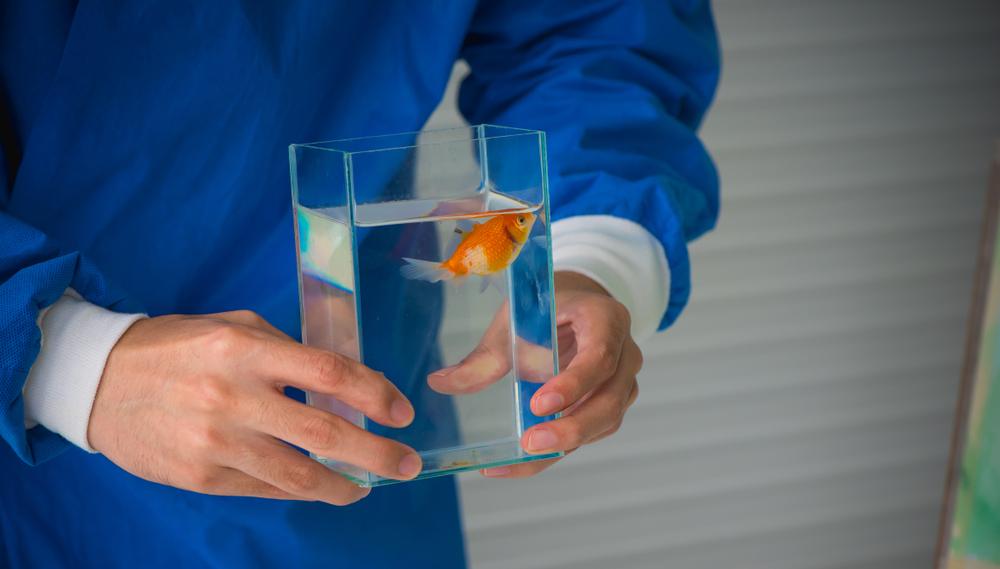
This means that if we as fishkeepers don't want ich to invade our tanks, we have to treat for it in quarantine——ideally before the fish start showing signs of it.
Tips for Preventing Goldfish Ich:
- Do not dump in pet store fish water into your tank along with new goldfish
- Follow the correct water change and care outline to prevent toxins from accumulating and harming your fish's immune system
- Try to choose healthy goldfish from the start to avoid incurring preexisting problems.
- Quarantine all new fish and only buy from a reputable goldfish seller.

Conclusion
Thanks for making it to the end of the post. We want this information help turn your fish around. Ich is annoying, but as long as you catch and treat it early - your fish have a good chance of beating it.
What about you? Do your fish have ich? What's your favorite ich treatment?
Featured Image Credit: Zay Nyi Nyi, Shutterstock
Get Hepper In Your Inbox


Pet care tips from our vets and experts, straight to your inbox.
You may opt-out at any time. View our Privacy Policy for more information.

Lindsey discovered her passion for fish keeping after a junior high school field trip to the Shedd Aquarium in Chicago. Prior to becoming Editor-in-Chief of It's a Fish Thing, Lindsey studied marine biology at the University of California-Santa Cruz. She loves goldfish, tetras, and mystery snails, and recently began experimenting with a saltwater aquarium.
Join the conversation
Ask a question, share your story, or send private feedback.