Hepper is reader-supported. When you buy via links on our site, we may earn an affiliate commission at no cost to you. Learn more.
Goldfish Dropsy: Treatment, Causes, Identification & Prevention
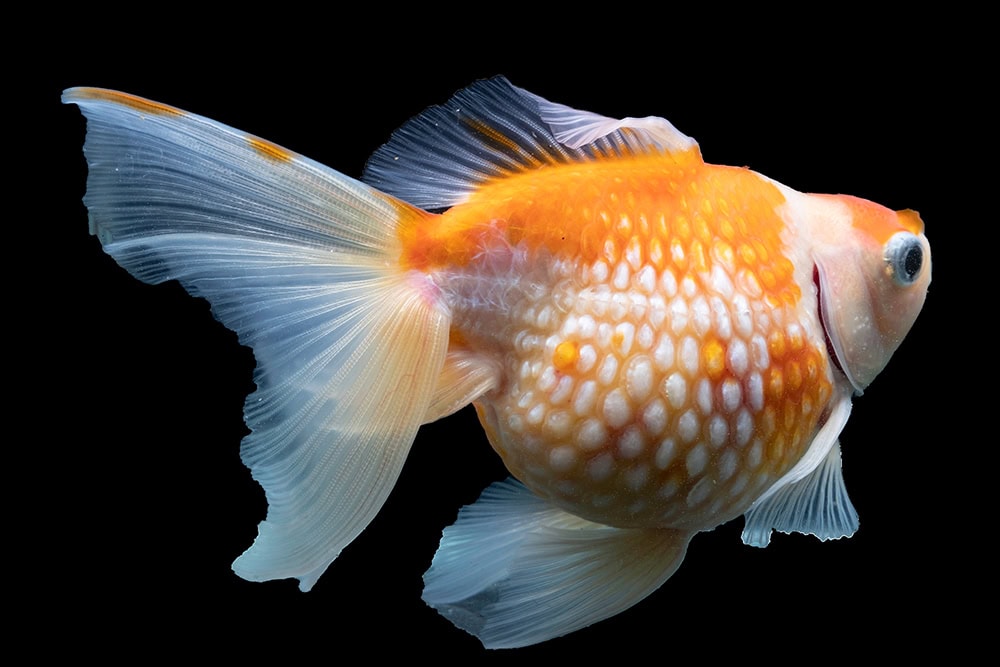
Dropsy is a dreaded word among goldfish keepers, and for good reason. It's one of the most dangerous killers of our fish that can come on suddenly without warning. But what is goldfish dropsy?
And more importantly; is there a cure? Keep reading to find out!

What Are the Symptoms of Dropsy in Goldfish?
Symptoms of Dropsy
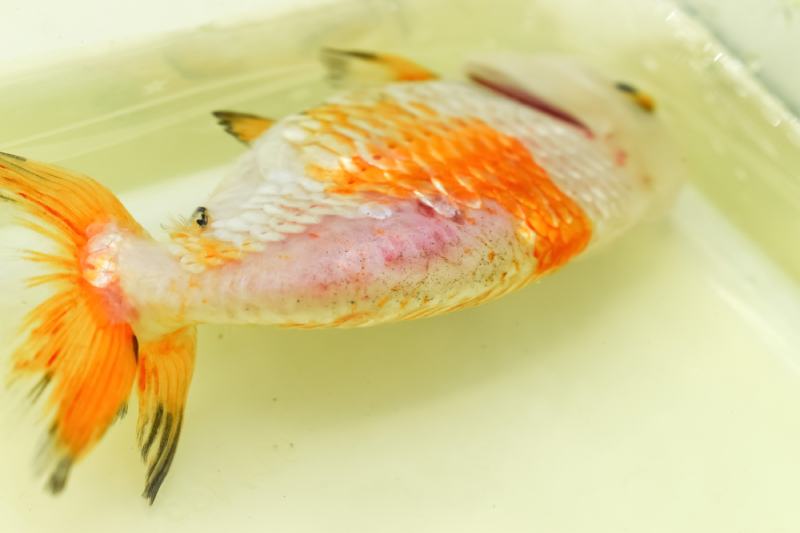
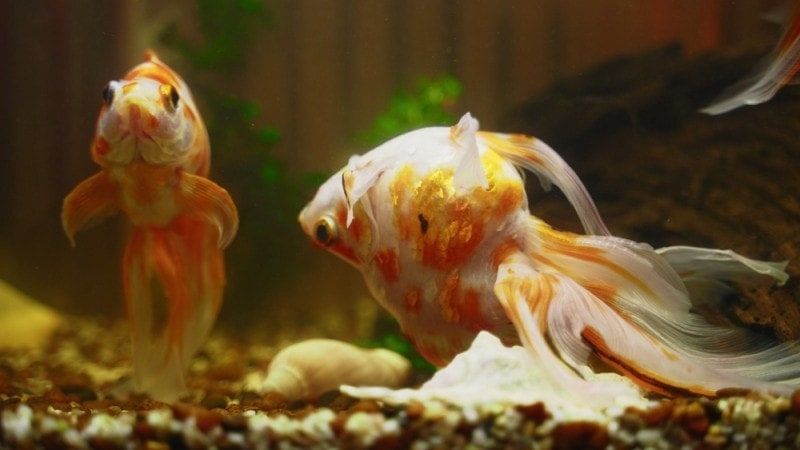
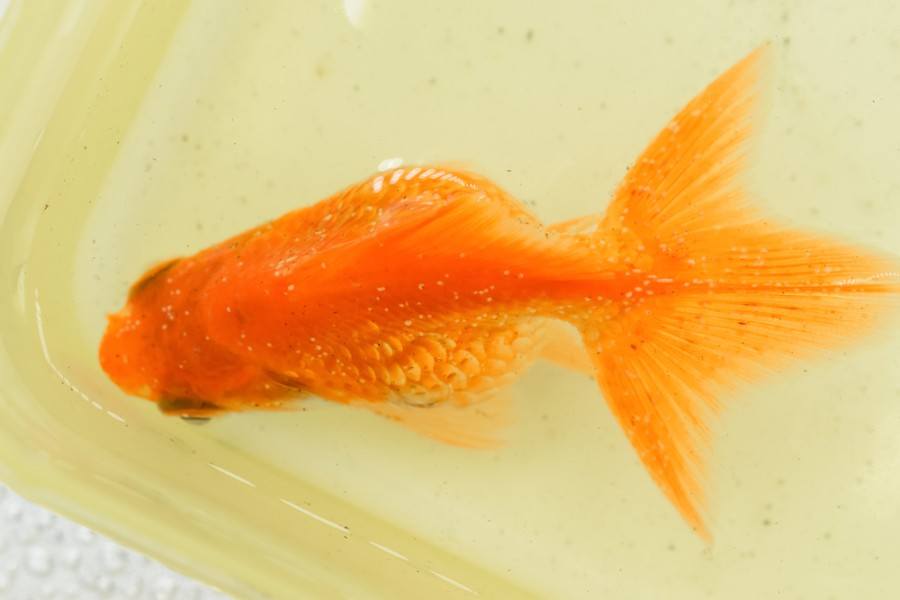
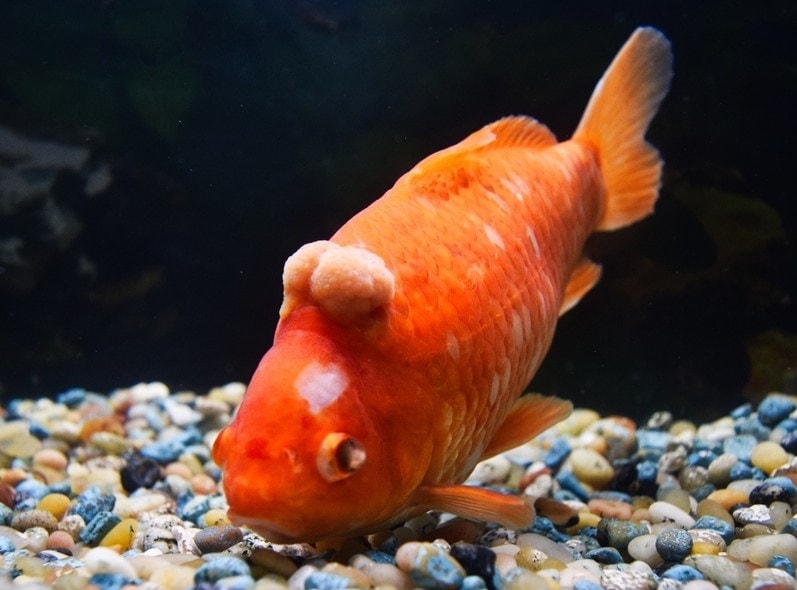
Note: Pineconing can be hard to detect with the untrained eye from the side but is VERY apparent from above.
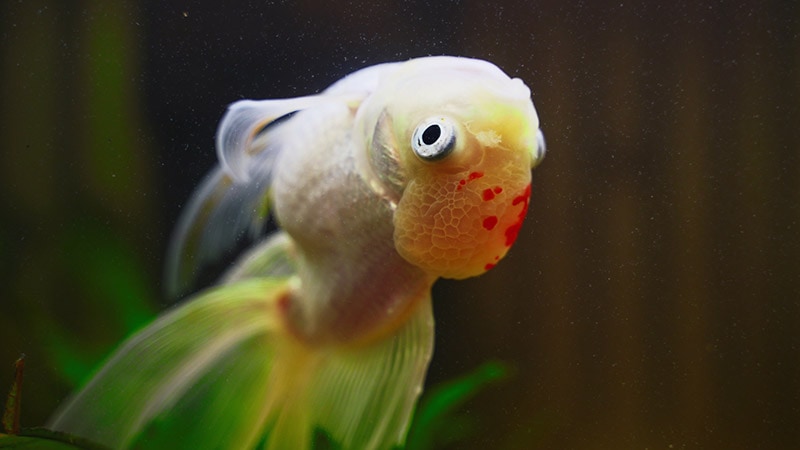
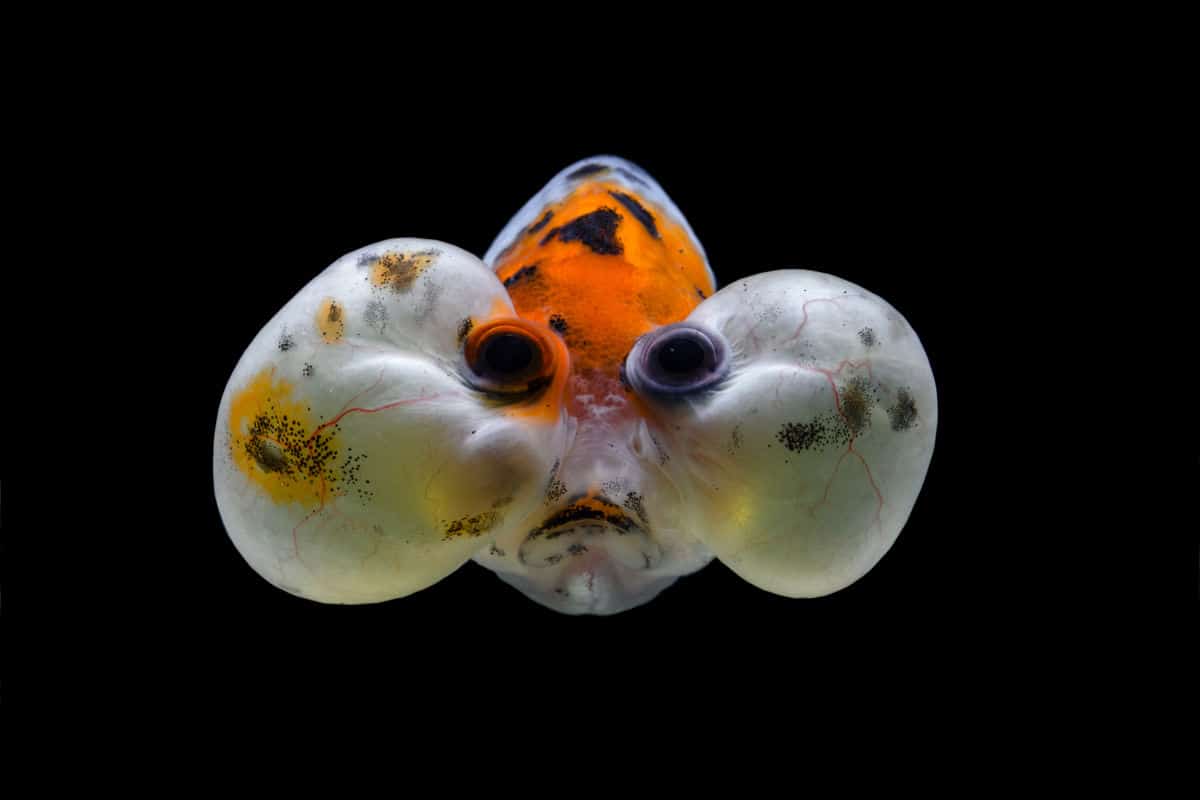
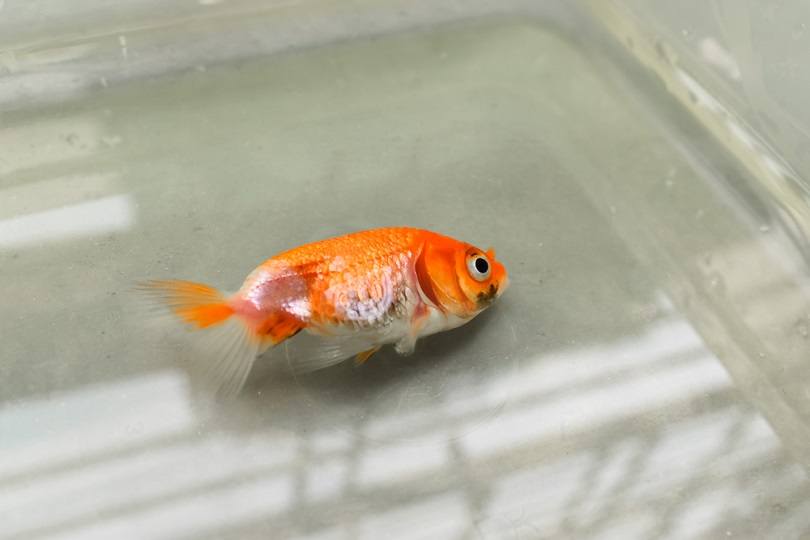
A dropsied fish might not always have pineconed scales. Sometimes it just swells up, usually with bulging eyes. Egg-binding (what makes the fish look pregnant) does not cause that fluid behind the eyes.
What Causes This Disease?
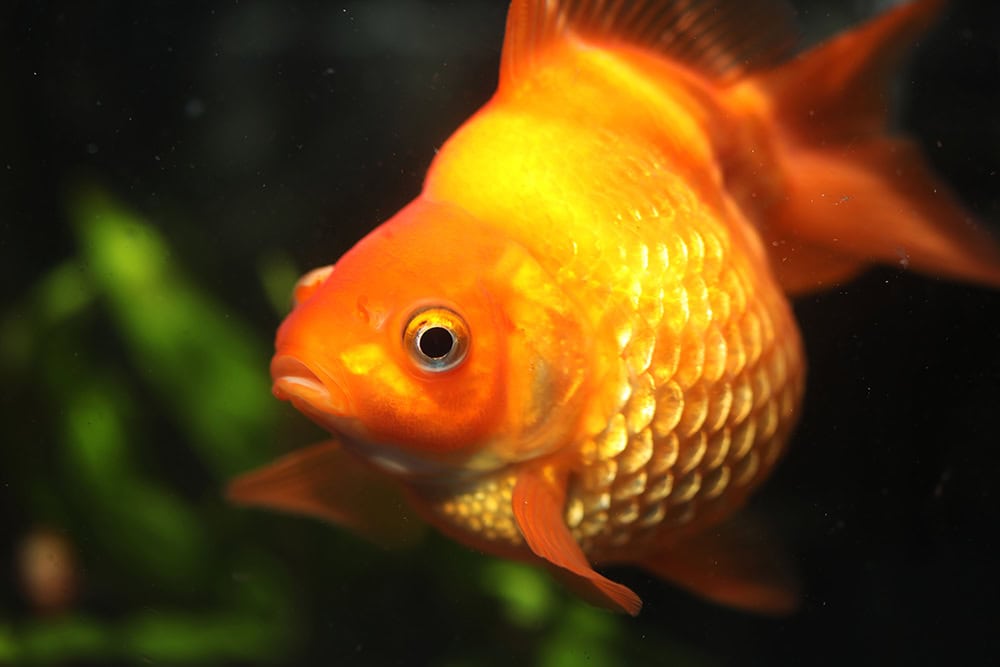
Dropsy is caused by the inability of the fish to rid itself of excess fluid (something called osmoregulation). It is thought that in many cases, dropsy is bacterial in nature. There are some exceptions, such as if the kidney has been directly injured.
Some conditions that lead to dropsy can include poor water quality or secondary infection after stress. This is because the bad bacteria that cause dropsy love dirty conditions, and they can only attack the fish with the help of one or both of these factors. The bacteria can invade the fish's body while it is weakened and destroy an internal organ such as the kidney, which regulates the fluid balance in the body. But why isn't the fish releasing fluids how it should?
That has to do with the root cause of dropsy. Sometimes the bacteria are the secondary cause of this disease rather than the primary.

Is There a Cure?
Part of what makes dropsy so deadly is that by the time the pineconing is discovered, the damage has usually been done, and the kidneys are damaged. Organ failure is NOT reversible.
That's why many fish keepers opt to euthanize their fish once they are at this point rather than prolong certain death. But don't despair. If you catch it early enough, there might be hope to get the fish back on track before things get out of hand.
It doesn't work all the time (dropsy is often fatal), but it has worked and may help your fish.
The Treatment Plan to Follow if Your Fish Has Dropsy
Many times, I'm all for all-natural methods of treating fish diseases and find that antibiotics are way too overused to treat problems that don't need them. But dropsy is one of the serious conditions that have such high fatality rates that I believe they are warranted.
Sometimes, if it's caught soon enough and if the cause is bacterial, the antibiotics can save the fish when nothing else will.
Note: Your fish may never be totally the same if it recovers from dropsy, but many owners still want to do whatever it takes to bring back their fish.
Potential Remedies
Finally, don't stress the fish. Keep the lights low and the fish calm. Ensure the water temperature stays stable when doing water changes. Don't make loud sounds, etc. Anything that causes the fish to act frightened or bothered, you should avoid. Stress will hinder the fish's natural immune response, which you will be using to your advantage with this treatment.
If all goes well and you have acted in time, you should start seeing major improvement.
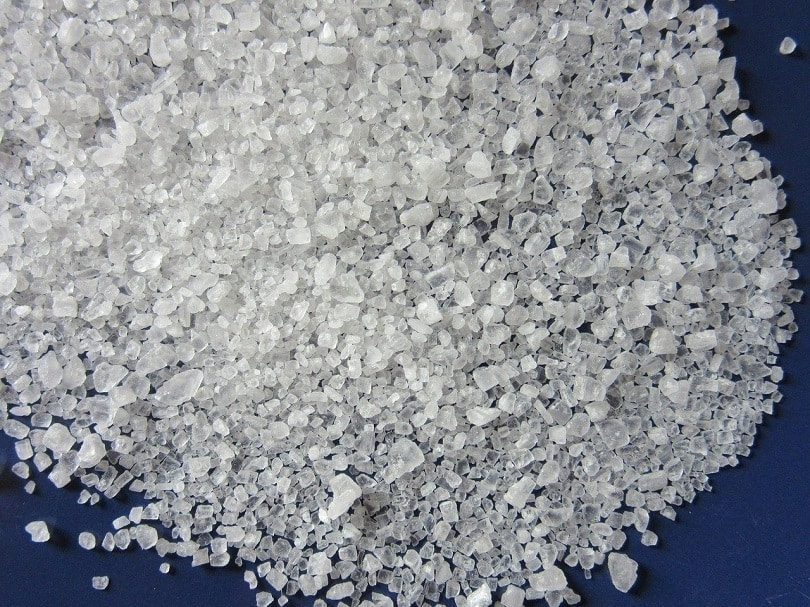
Once the treatment is over and the swelling and pineconing symptoms are better, and the fish is looking perkier, maintain the large frequent water changes. Continue treating with Epsom salts. The primary focus should now be on letting the fish heal.
Within another week, your fish should be much better if not healed. Dropsy can return if the primary cause of dropsy was never addressed or if the fish gets stressed or weakened in any way. Fancy goldfish are very delicate.
What if This Treatment Doesn't Work?
There are times when the fish can be treated with antibiotics for dropsy and it doesn't respond. In this case, this means the underlying cause of dropsy could be something such as organ failure or even antibiotic-resistant bacteria.
Antibiotic-resistant bacteria can be mycobacteria (i.e. Fish TB): bacteria that are very difficult to kill with conventional treatments that can spread to infect entire systems.
If you suspect your fish is sick and want to ensure you provide the right treatment, we recommend that you check out our best-selling and comprehensive book The Truth About Goldfish on Amazon today.
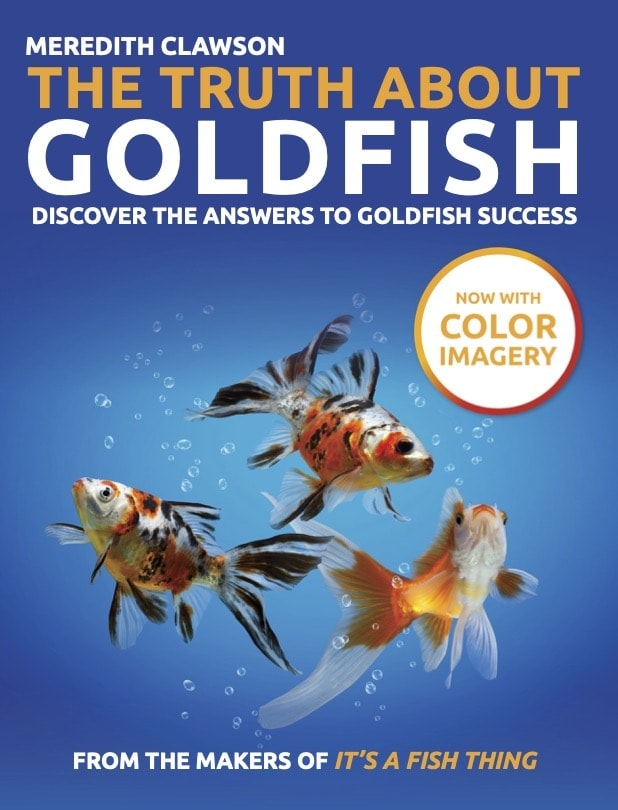
It has entire chapters dedicated to in-depth diagnoses, treatment options, a treatment index, and a list of everything in our fishkeeping medicine cabinet, natural and commercial (and more!)
I recently had a fish with dropsy that failed to respond to the antibiotic treatment, but this is what I did:
I just continued this protocol as long as he was still sickly. The fish has shown significant improvement and is back to looking and acting more like his old self. I'm glad because I thought for sure I was going to lose this fish. Finally, I bought a UV sterilizer for his tank because I wanted to keep the bacteria out of the water and protect my other fish from infection.
Not saying this is the cure-all by any means, but it might be worth a try for you.

Post-Treatment Care
You (and especially your fish!) don't want to go through all of this only to have the dropsy return, sometimes even more severe. So you want to ensure that you keep the water quality absolutely perfect during that time, which includes remembering not to overfeed.
As much as you want to spoil your fish for being such a trooper, overfeeding is very dangerous at this point, and your fish is still weak and vulnerable. It is recommended to keep the fish in stable, warm water for the rest of its life (75–80 degrees F). UV sterilization is also a very good idea.
Be sure to feed it a nutritious, non-inflammatory diet such as Omega One sinking pellets. Low-quality foods that irritate the fish's digestive system should be avoided.
Tip: Supplement with mild, easy-to-digest foods like frozen peas or soft spinach.
Preventing Goldfish Dropsy
As with most diseases, prevention is far better than trying to try to treat your fish. Dropsy is usually a condition brought on by something that weakened the fish to begin with.
There are actually many different causes of dropsy, and eliminating these can go a long way in keeping your aquarium safe from this menace. I also recommend always using a beneficial bacteria treatment in the water to keep bad bacteria, including those that cause dropsy, to a minimum.
I talk more in detail about the 6 causes of dropsy in my book, The Truth About Goldfish, and how you can protect your fish from them to start with.
What Do You Think?
Have you ever had success dealing with dropsy in your goldfish? Did you learn something new in this article? I'd love to hear about your experiences when you fill out the comment box below.
Featured Image Credit: Wari_Nuchczy, Shutterstock
Get Hepper In Your Inbox


Pet care tips from our vets and experts, straight to your inbox.
You may opt-out at any time. View our Privacy Policy for more information.

Lindsey discovered her passion for fish keeping after a junior high school field trip to the Shedd Aquarium in Chicago. Prior to becoming Editor-in-Chief of It's a Fish Thing, Lindsey studied marine biology at the University of California-Santa Cruz. She loves goldfish, tetras, and mystery snails, and recently began experimenting with a saltwater aquarium.
Join the conversation
Ask a question, share your story, or send private feedback.