Hepper is reader-supported. When you buy via links on our site, we may earn an affiliate commission at no cost to you. Learn more.
Hamster vs. Mouse: Differences Explained (Vet-Verified Info With Pictures)


In this article
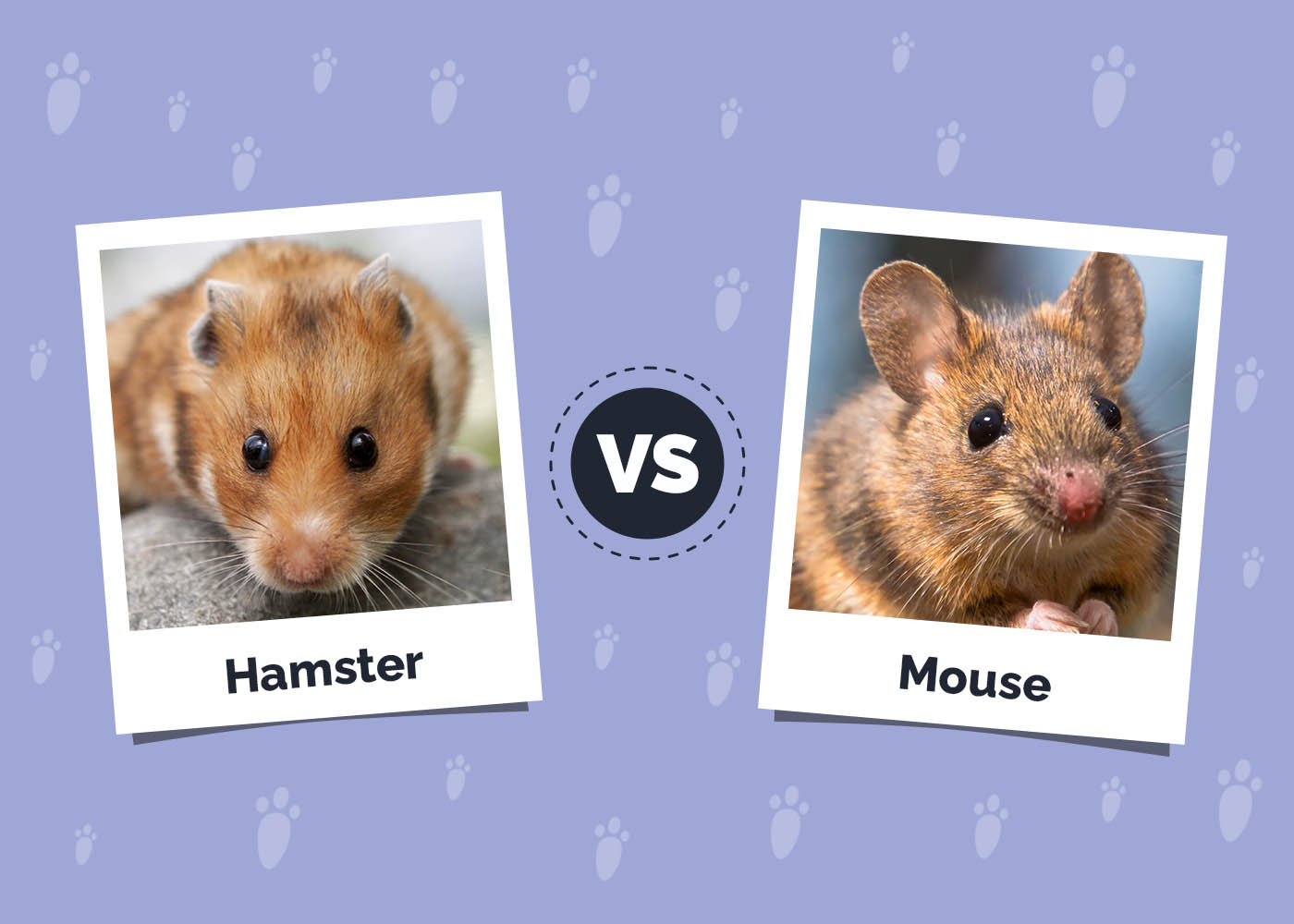
Hamsters and mice are both rodents that make great pets, especially for children. For some, they even look somewhat similar. However, these are two distinctly different animals and should be considered as such. Hamsters and mice should not even live together in the same habitat because of their differences.
There is much to learn about both of these critters before deciding whether the hamster or the mouse is the best pet option for your household. Let’s dive deeper into this topic!

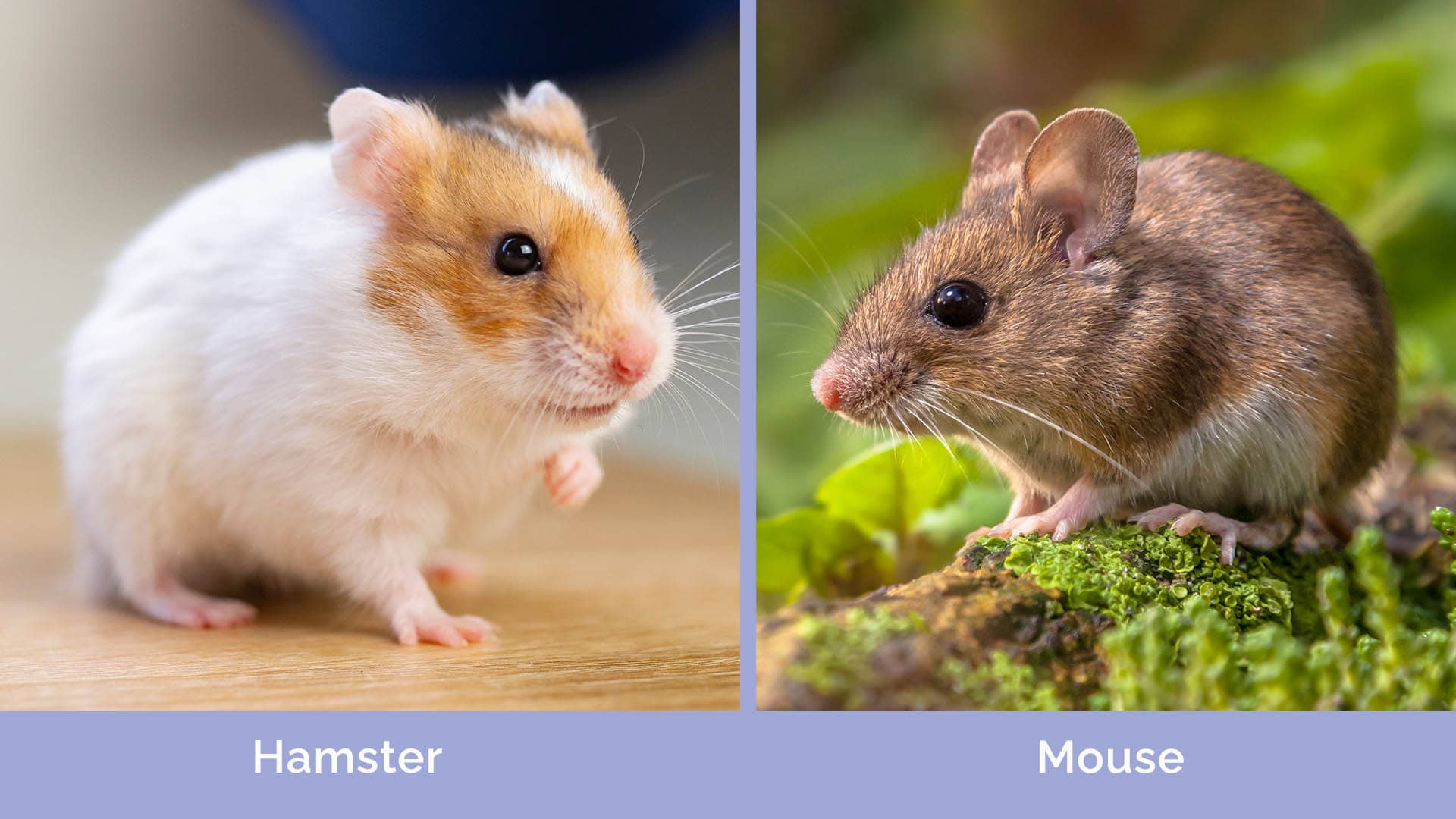
Visual Differences
At a Glance
Hamster Overview
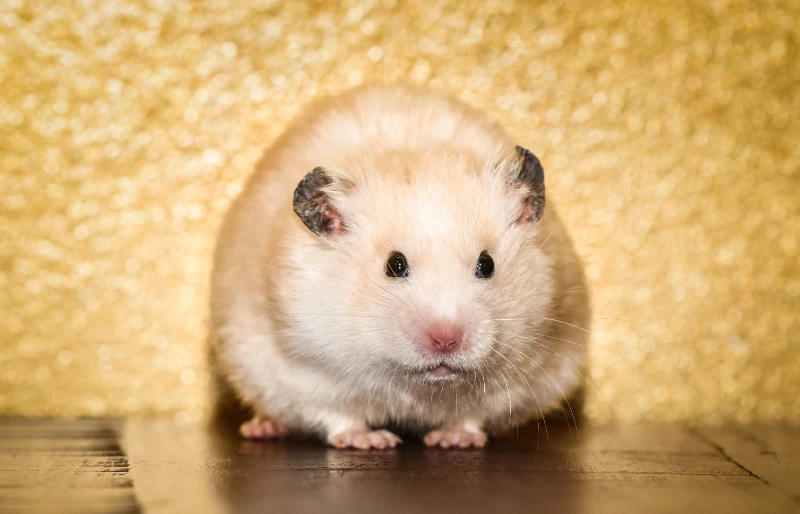
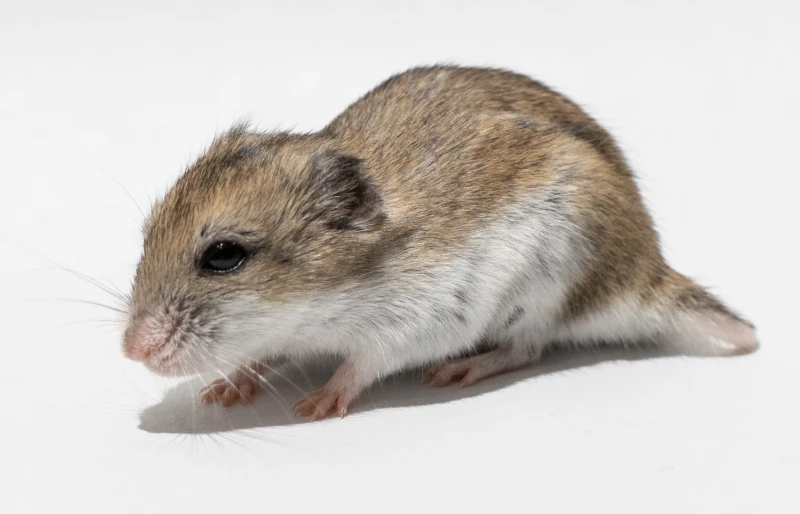
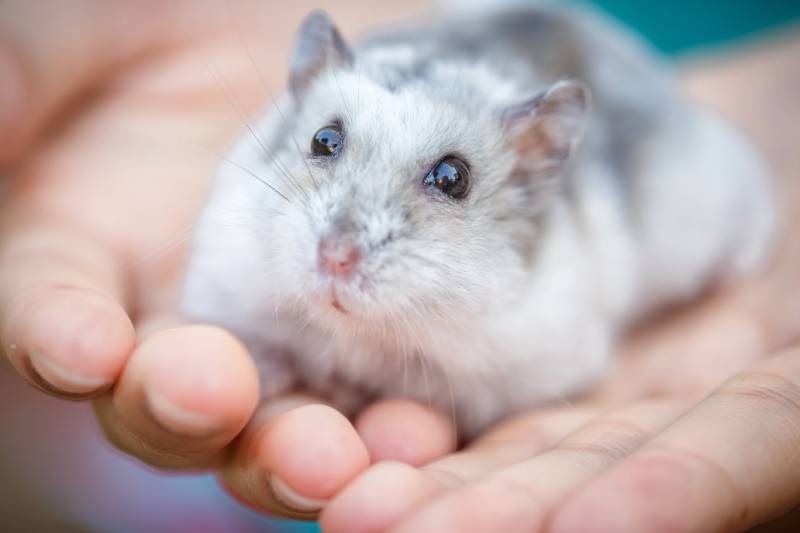
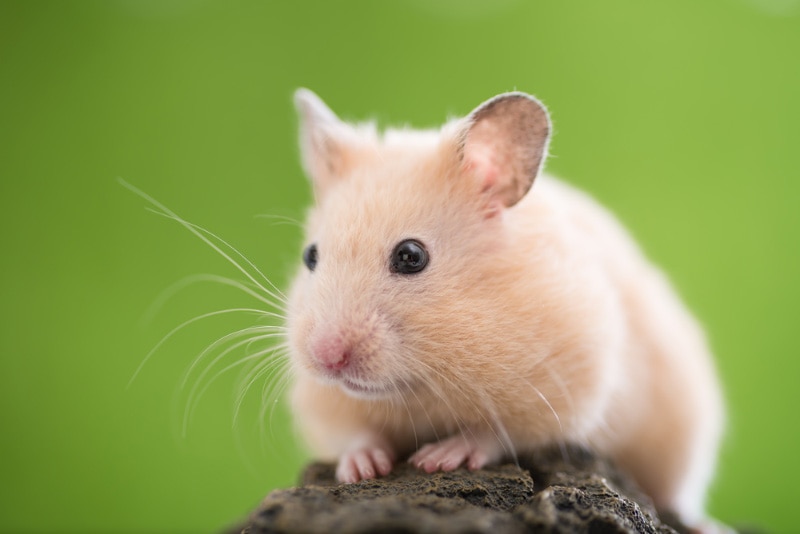
Hamsters come in a variety of different colors, including beige, gray, black, cream, lilac, and even spotted. They have small round ears, dark eyes, stout bodies, and short tails. They can have either long or short hair, and they are perhaps best known for their extremely large cheek pouches, which can stretch beyond their shoulders. There are more than 20 species of hamsters in existence, but only five are commonly seen as household pets. These are:
- Syrian (Mesocricetus auratus) — These hamsters were discovered in the 1800s in the Middle East, where they live freely. Sadly, they’re considered endangered in their natural habitat. They are available in different colors as pets, including the “panda” variation. In addition, they’re also available in different fur lengths. They are by far the most popular pet hamsters in the world.
- Winter White (Phodopus sungorus) — This species has several different names, including the Russian Dwarf and the Striped Dwarf. They have a black stripe going down their back and cute little furry paws that give them a “hardy” look. The wild variation of this hamster turns white in the winter as a form of camouflage. There is a pet variation known as the “pearl white” which permanently stays white, often confused with the wild type. The natural color of this hamster is a mousey-brown with the aforementioned black line.
- Campbell’s Dwarf (Phodopus campbelli) — These little critters hail from Central and Eastern Asia. They love to dig and gnaw, so they need plenty of things to do inside their habitats. They’re often confused with the aforementioned Winter White hamsters.
- Chinese (Cricetulus griseus) — These hamsters were first used as lab animals. Today, they are a popular household pets. However, certain places like California and New Jersey consider these hamsters to be exotic and require pet owners to get permits before owning, breeding, or selling them.
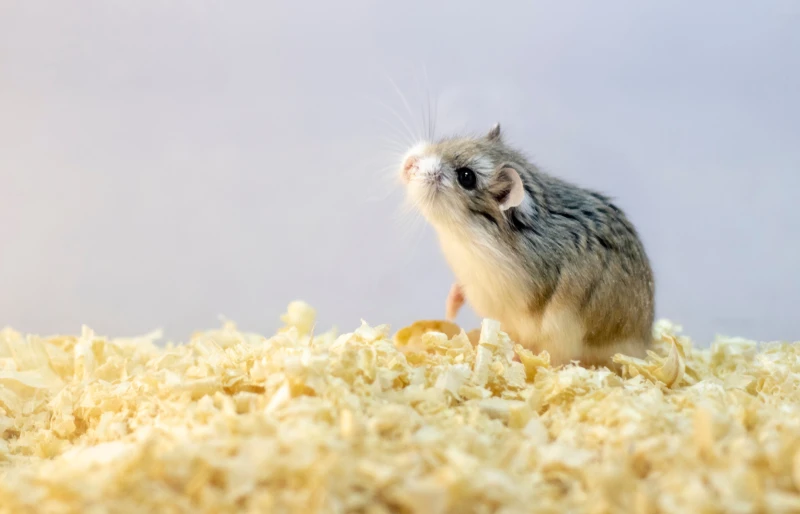
- Roborovski (Phodopus roborovskii) — This is the smallest hamster species kept as pets. They might be tiny, but they are known for being more energetic and outgoing than their larger counterparts. These animals seem to love toys and will keep themselves busy during their waking hours.
Personality / Character
Depending on the species, hamsters have slightly different personalities and characteristics. However, there are certain characteristics that hamsters as a whole tend to share. For instance, while usually curious by nature, hamsters are known for being docile creatures. These are also clean animals that can handle their own grooming needs. Hamsters are nocturnal, so they spend most of the day sleeping and most of the night exploring their habitats. If handled from a young age, they can learn to enjoy close physical interaction with their human companions.
Training and Exercise
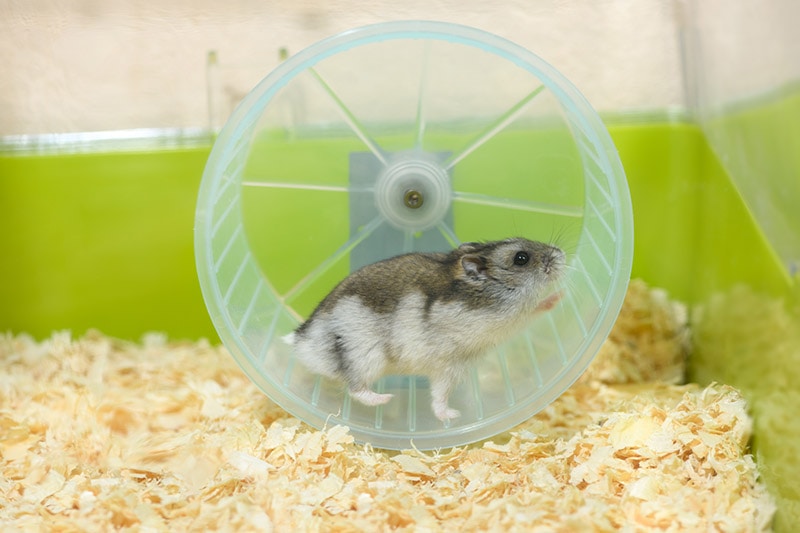
Hamsters can be trained to do things like sit calmly in your hand when you’re holding them, and can sometimes be conditioned to come when you call them, stand, and even roll over. Like all animals, a hamster requires daily exercise to maintain a strong body and a healthy life as time goes on. Most hamsters must get at least 120 minutes of physical activity each day to stay healthy. If they have a running wheel, a few toys, and plenty of places to explore in their habitat, they can get all the exercise that they need. Hamsters in the wild can travel up to 6 miles (close to 10 kilometers) in a single night in the wild, and therefore, exercise is very important for them.

Health & Care
What is unique about rodents is that their teeth never stop growing, so hamsters must have things to gnaw on so they can keep their teeth trimmed. Little wooden toys, sticks, and hay are all great options. Always make sure there are enough chewing toys available in your pet hamster’s habitat.
Hamsters are easy to feed due to readily available commercial food designed just for them. They can be offered treats, however, it’s best to discuss this with your veterinarian to ensure that you’re not overfeeding your pet or offering them something inappropriate.
Suitable For:
Hamsters are suitable pets for most households because they are good with kids and don't require much attention or care throughout the day, as they’re mostly active at night.
Mouse Overview
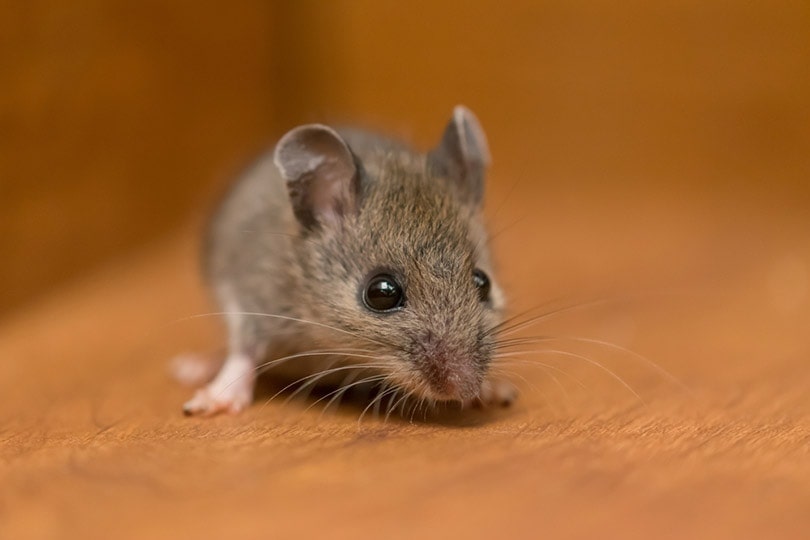
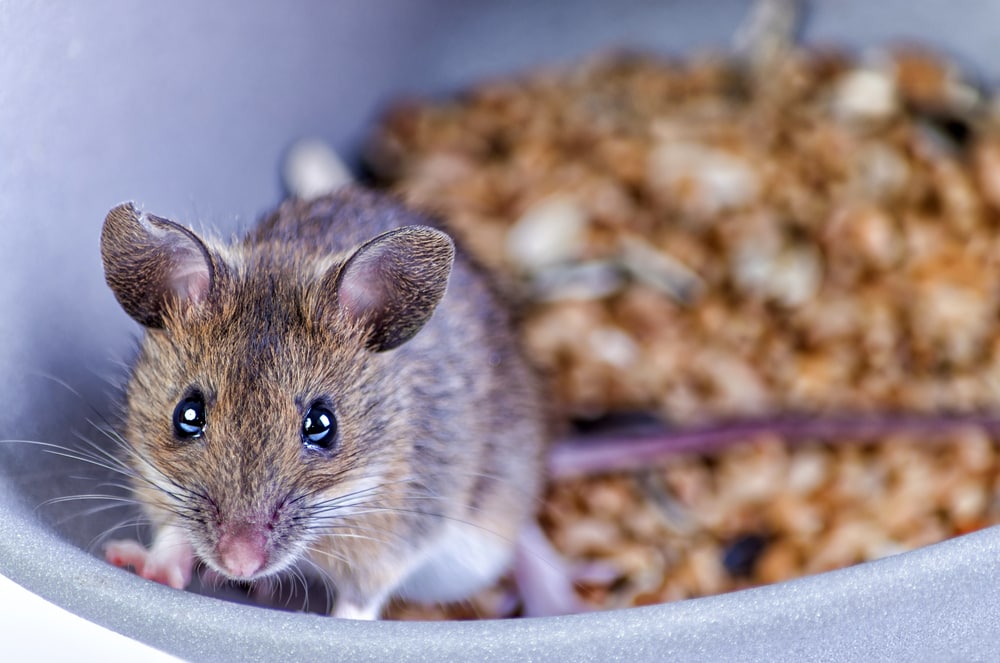
Mice are slender animals with prominent ears and tapered muzzles. Their legs are narrow, and their tails appear hairless, though they are covered in thin layers of fur. Those tails are also long—sometimes as long as the mouse’s body. They have small, black eyes and noses that are slightly pointy. Pet mice come in a variety of coat colors, patterns, and textures. The fancy mouse (Mus musculus) is arguably the most common type of domesticated pet mouse in existence.
Personality / Character
The average mouse is highly active and extremely curious. Unlike hamsters, mice enjoy living in groups, though be aware that males and females that are housed together can procreate quickly and often. Males can also get territorial and are prone to fighting when living in the same habitat. When dealing with humans, mice can be skittish, as they prefer to be seen instead of handled. Luckily, these are fun animals to watch when they’re interacting with their habitats.
Training and Exercise
Since mice dislike being held and handled, they anecdotally don’t take as well to training as hamsters do. However, a mouse that is conditioned for handling as a baby may learn basic tricks and learn to enjoy being handled occasionally. Mice tend to bite when someone tries to handle them when they don't want to be touched.
As for exercise, mice require plenty of it, but they can usually take care of their own exercise needs, just like hamsters can. Since they have a high exercise need, they should have a large habitat and an appropriately sized exercise wheel (much like a hamster).
Health & Care
Mice are relatively healthy animals (provided you adopt healthy individuals from a trusted source) that are easy to care for as time goes on. However, they aren’t particularly long-lived, and therefore, the onset of chronic diseases often accompanies an end of life scenario as well.
Rodent pellets made specifically for mice that are fortified with all the vitamins, minerals, and proteins that a mouse needs for optimal health can be found at most pet stores. Like all animals, mice require access to fresh, clean water at all times.
Suitable For:
These are suitable pets for most households but may not be great for kids who want to physically interact with their pets regularly.
Which Pet Is Right for You?
Choosing between a hamster and a mouse as a household pet comes down to your personal preferences. Hamsters are more sociable and apt to enjoy human handling. But mice are a bit easier to care for because they are more likely to want to stay in their habitats. With these things in mind, consider your lifestyle to determine which pet would be best suited for your family.
See also:
Sources
Featured Image Credit: (L) Anastasia Solovykh, Shutterstock | (R) Rudmer Zwerver, Shutterstock
Get Hepper In Your Inbox


Pet care tips from our vets and experts, straight to your inbox.
You may opt-out at any time. View our Privacy Policy for more information.
Rachael has been a freelance writer since 2000, in which time she has had an opportunity to research and write about many different topics while working to master the art of fusing high-quality content with effective content marketing strategies. She lives off the grid in Hawaii with her husband, her garden, and her rescue animals including 5 dogs, a cat, a goat, and dozens of chickens. She is an artist at heart and loves to read, paint, and make jewelry in her spare time. As a vegan, Rachael is obsessed with helping animals in need both in her community and anywhere in the world where she feels she can make a difference. Animals also happen to be her favorite topic to write about!
Join the conversation
Ask a question, share your story, or send private feedback.