Hepper is reader-supported. When you buy via links on our site, we may earn an affiliate commission at no cost to you. Learn more.
How to Tame a Hamster: 9 Handling & Bonding Tips (Vet-Verified)


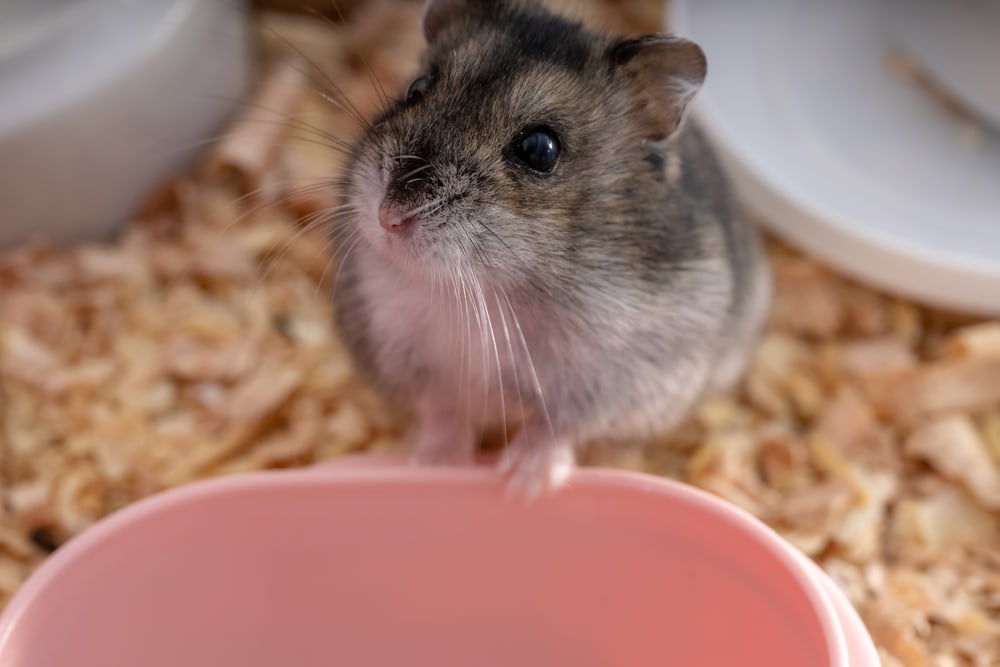
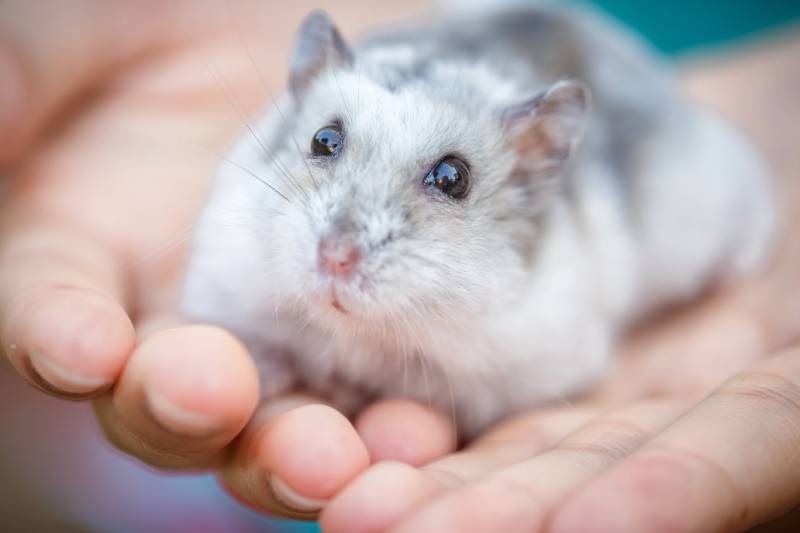
While hamsters have been kept as pets for a fairly long time, they are not born automatically tame. Instead, they must be handled and tamed, preferably at a young age. This process can be a bit tricky at times. You may think your hamster is perfectly tame only for them to suddenly not enjoy being held.
However, there are tons of things you can do to help encourage your hamster to be calm and accept human contact. Of course, it helps to start at a young age but it's still possible to start later or try to tame your hamster a bit more.
Below, we'll take a look at some of the best ways to get your hamster tame.

The 9 Tips for Taming a Hamster
A Note From Our Veterinarian
1. Choose the Right Time
Hamsters aren't receptive to being handled at all times. Often, hamsters are most active in the evening and night. Therefore, it's best to try and tame them during this time. You should also not attempt to handle them when they are hungry—a hungry hamster is often an anxious hamster. You want them full and relaxed before you start trying to handle them.
Attempting to tame your hamster at the wrong time can be frustrating, at the very best. In the worst situation, it may make your hamster dislike being held even more. Therefore, always consider timing before moving forward.
2. Create a Safe Environment
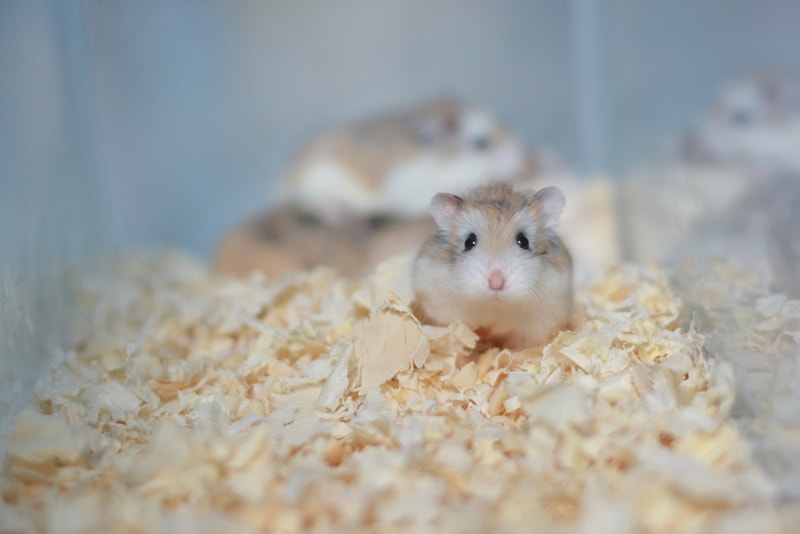
Always put safety first and ensure that the area is completely safe for your hamster. Your hamster should be relaxed before you start handling them. Getting them relaxed means keeping the area quiet and calm. Close the door to ensure that your hamster can't get out and that nothing else can get in. If you have other pets, be sure that they are in a separate area.
If you plan on handling your hamster for more than a couple of minutes, we recommend avoiding areas with drafts and direct sunlight, too. These can make your hamster too hot or too cold, which can have a negative effect on taming.
3. Let Them Acclimate
Before you start any handling, be sure to let your hamster acclimate to the area and you. If you've moved your hamster to a safe location, you'll need to let them get used to their new surroundings. Your hamster will probably be a bit fearful at first, making it a poor time to handle them.
4. Offer Treats
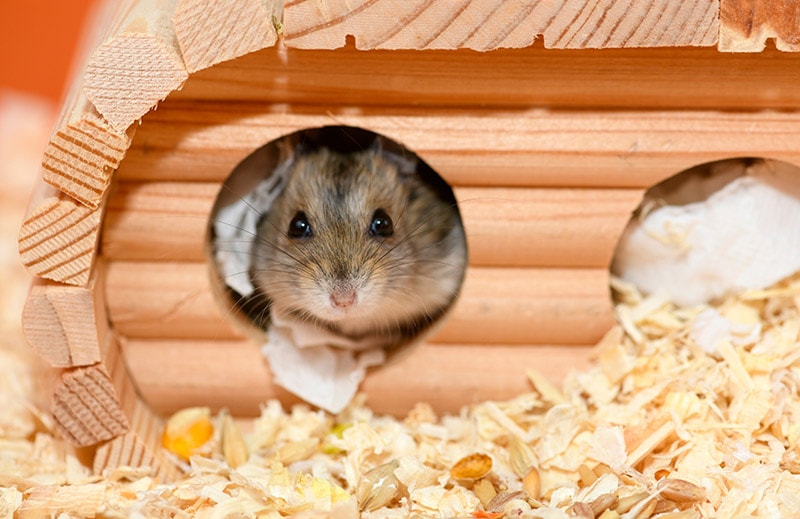
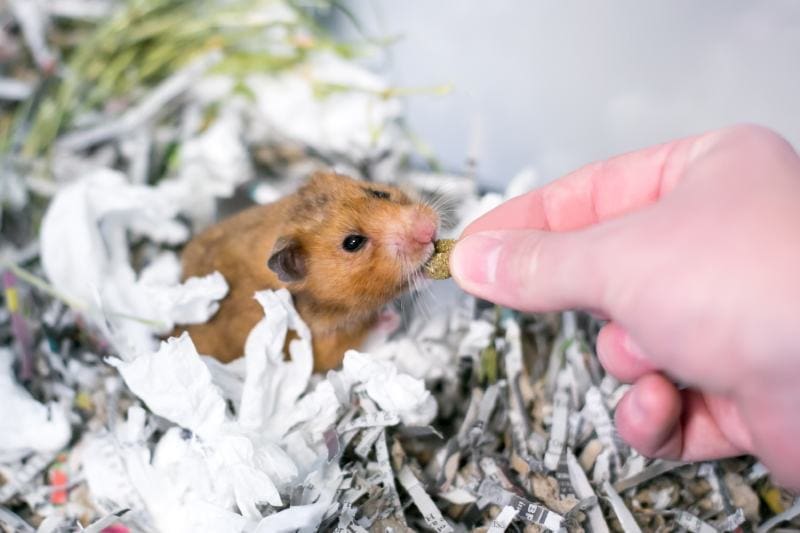
No matter what stage of taming you're at, it’s good to have treats nearby. Treats help you make the bonding experience positive, which is what makes your hamster tamer. When they associate handling people with good things, they're more apt to let you handle them. Of course, your hamster doesn't need to eat a ton of treats. So, make sure to offer only very small amounts and provide only healthy treats.
In the beginning, you may only want to provide treats without doing much handling. Hand-feeding is a great way to get a very skittish hamster used to your presence.
5. Gradual Interaction
Once you've done a little bit of hand feeding, you can start gradually introducing yourself to the hamster. Let the hamster sniff your hand and explore it as they want. It's often best to simply place your hand in the cage and keep it still, at least at first.
Repeat this process several times until your hamster gets used to your hand. Remember to offer treats. Once your hamster is pretty relaxed, you can move on to the next step.
6. Start Gentle Petting
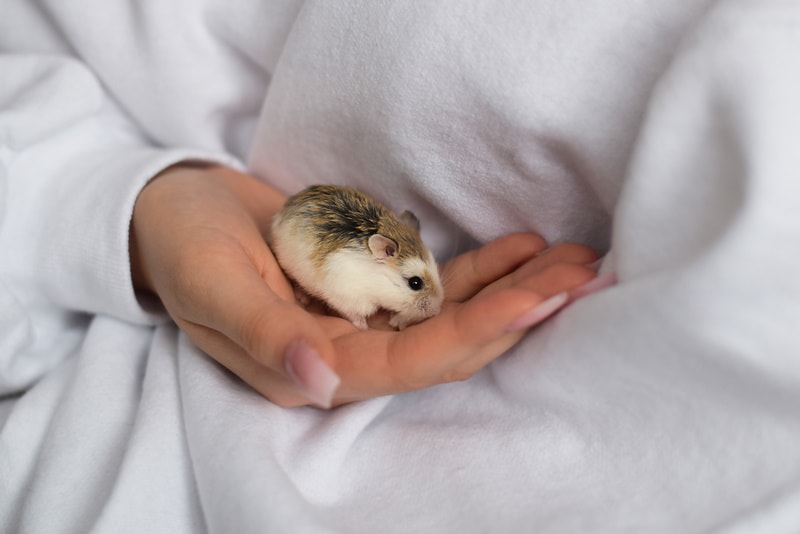
Once your hamster is pretty used to your hand, you can start gently and slowly petting him. In the beginning, you may only want to slowly move one finger whenever your hamster approaches to gently rub their side. However, your goal is to slowly work up to actual petting. This process will take several weeks. You'll need to work up very slowly and use treats the entire time.
Some hamsters are more skittish than others. Always pay attention to how your particular hamster is reacting when deciding when to proceed.
7. Be Patient
Your goal should be to get your hamster used to being handled without becoming scared. However, hamsters are naturally pretty skittish animals, so this can take a while. Most hamsters don't become very comfortable after several weeks of consistent work. It is a long process—not something that is going to happen overnight.
Never rush or force interactions, as this may only make your hamster more skittish. Always follow their own pace, and avoid using a one-size-fits-all timeline, as every hamster is different.
While working with your hamster, we do recommend having other people handle them, too. That said, it is one thing for your hamster to be used to you handling them. It is something completely different for others to handle them! You'll need to use extra patience when socializing your hamster with others.
8. Handle Regularly
During the taming process and afterward, you'll want to handle your hamster regularly. If you don't, it is possible for your hamster to "backslide" and become less tame. It's a muscle that must continue to be practiced. You should always be gentle with your hamster, even after they are pretty used to you. Sudden movements and accidental injuries can quickly make a hamster skittish again.
9. Respect Their Limits
While most hamsters can be tamed, some are more naturally tame than others. Outgoing hamsters are more likely to want interaction, and they may be less skittish. Other hamsters may be very sensitive to loud noises or sudden movements. Some will take longer to tame than others.
No two hamsters are alike, and you should learn to respect the limits of your particular hamster. Some hamsters may simply not tolerate as much handling, and you should respect that by handling them less.
Final Thoughts
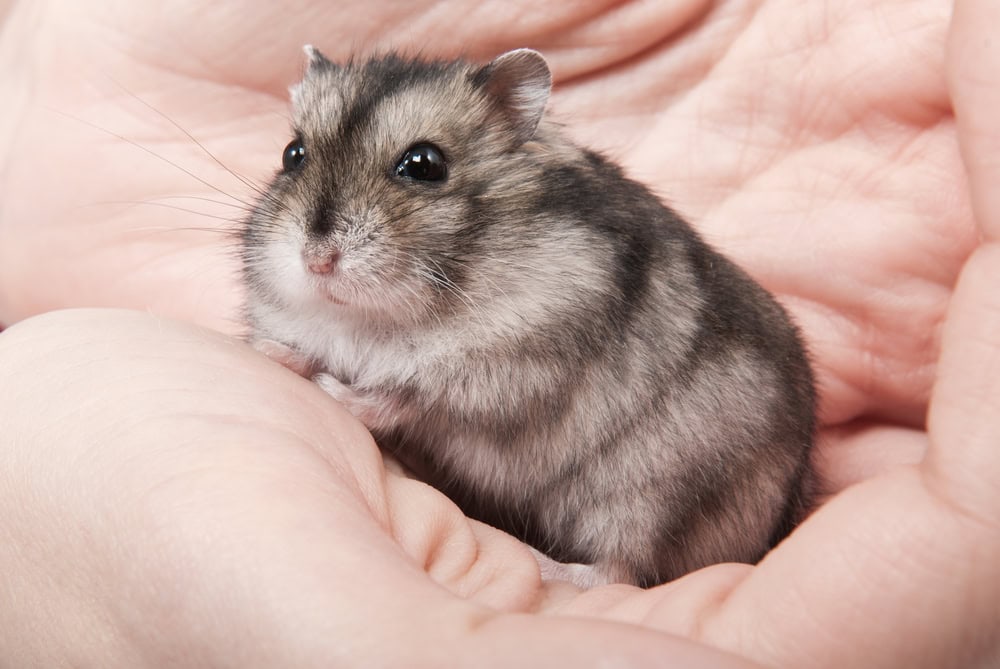
Taming your hamster isn't challenging, but it does require a lot of work. Hamsters are naturally skittish creatures, and most will automatically avoid interaction until taught otherwise. You need to slowly get them used to their surroundings, your hand, and handling. Often, this process takes several weeks.
The most important factor in taming your hamster is consistency. You want to handle your hamster every day, even after they are tamed. Otherwise, they may become less used to handling, and undo all the work you've done.
The biggest mistake many people make when taming hamsters is not handling them daily, especially after the "newness" wears off. Be sure you're ready for the work of taming your hamster before adopting one.
See Also:
Sources
Featured Image Credit: Vinicius R. Souza, Shutterstock
Get Hepper In Your Inbox


Pet care tips from our vets and experts, straight to your inbox.
You may opt-out at any time. View our Privacy Policy for more information.
Kristin is passionate about helping pet parents create a fulfilling life with their pets by informing them on the latest scientific research and helping them choose the best products for their pets. She currently resides in Tennessee with four dogs, three cats, two fish, and a lizard, though she has dreams of owning chickens one-day!
Join the conversation
Ask a question, share your story, or send private feedback.