Hepper is reader-supported. When you buy via links on our site, we may earn an affiliate commission at no cost to you. Learn more.
4 Health Benefits of Fish Oil for Cats: Science-Based Facts & FAQ


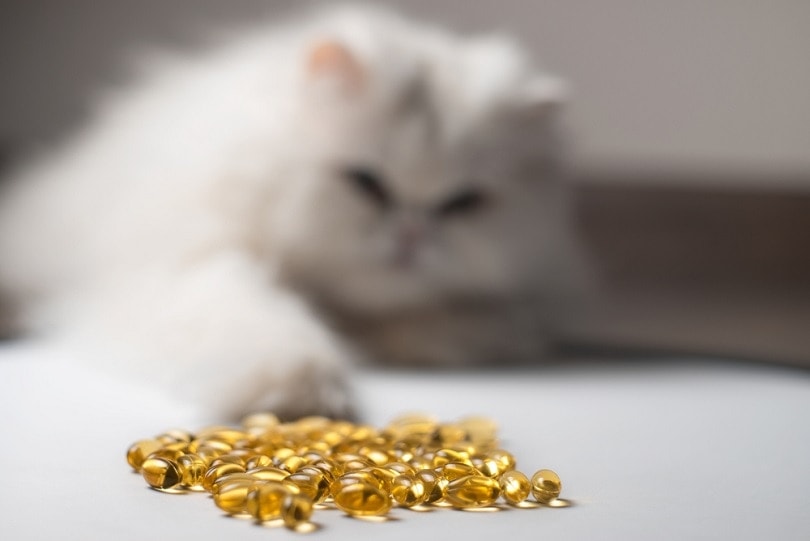
Fish oil is a popular supplement for humans and pets, thanks to its rich omega-3 fatty acids. These fatty acids can support good health all around, from immune support to anti-inflammatory properties to heart health.
Check out the top four health benefits of fish oil for cats to see if you should add this supplement to your cat’s diet.

What are Fish Oil Supplements?
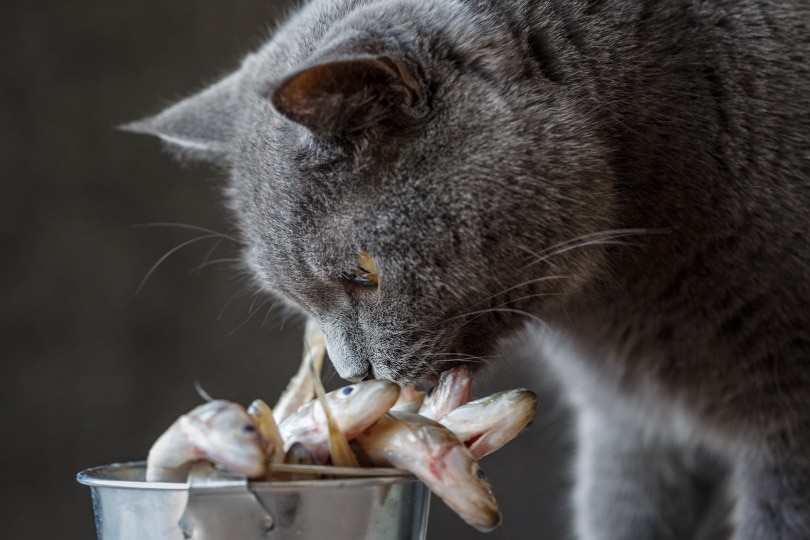
Fish oil supplements are derived from fat or oil extracted from fish tissue, usually from oily fish like tuna, mackerel, anchovies, and herring. Fish oil is high in omega-3 fatty acids, which provide energy for the body and contribute to the structure and function of cell membranes. Omega-3 fatty acids are essential, meaning that the body can’t produce them and must get them from diet.
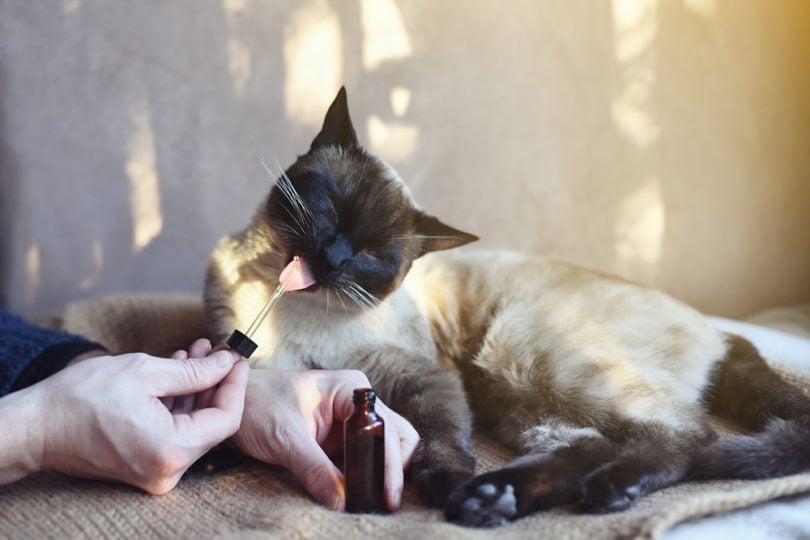
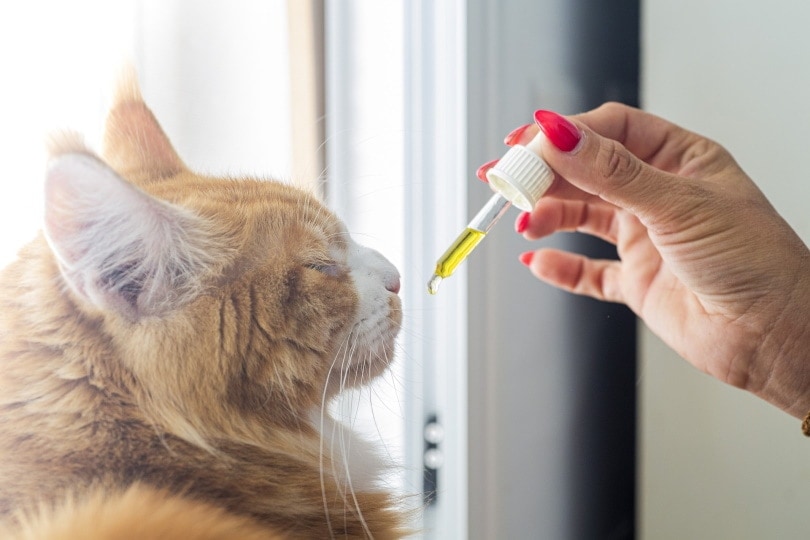
Fish oil supplements are available in pill or liquid form and contain two types of omega-3 fatty acids:

The 4 Benefits of Fish Oil for Cats
Supplementing fish oil in your cat’s diet has several health benefits:
1. Lower Inflammation
Fish oil supplements are touted for their anti-inflammatory properties, in both humans and animals. DHA and EPA work to reduce inflammation by sending cellular signals, making them helpful for managing arthritis, heart disease, and other inflammatory conditions. Fish oil also may also help reduce pruritus and improve coat quality in cats with allergic skin disease, which are often triggered by an immune response.
2. Improved Cognitive Function
DHA is an important component in the brain and supports normal visual and cognitive development of young animals, including kittens. In adults, DHA supplements may stave off age-related cognitive dysfunction, which is similar to dementia in people. Supplementing with fish oil may help your cat navigate age better and become less disoriented.
3. Slows the Progression of Kidney Disease
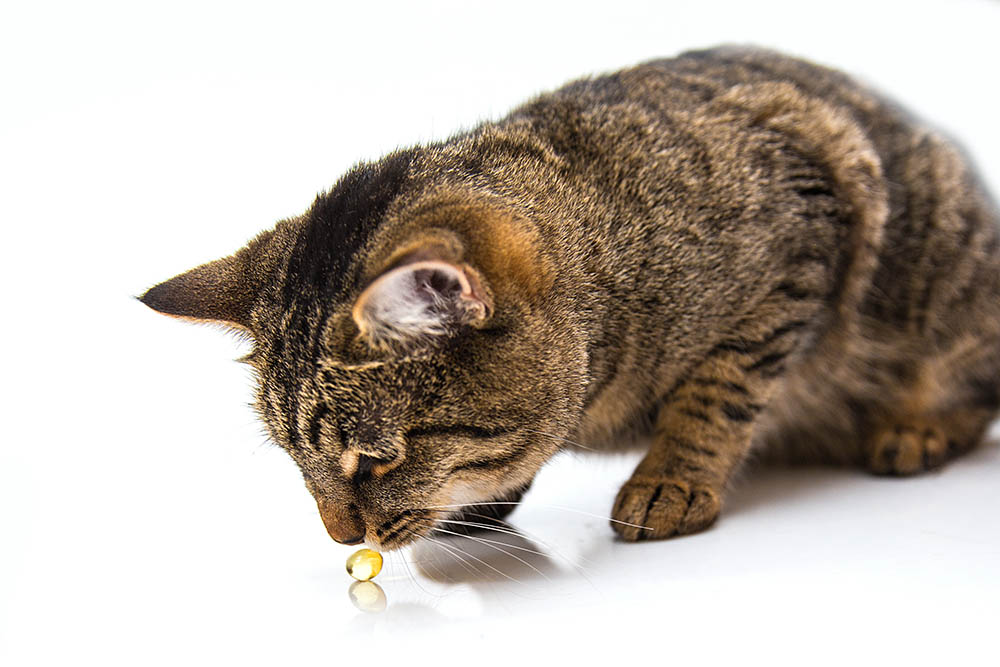
Cats are prone to conditions of the urinary tract and kidneys. This is especially true of once-feral cats with poor diets and exposure to toxins. Clinical studies in cats with chronic kidney disease (CKD) have shown that omega-3 fatty acids can help reduce glomerular inflammation, lower blood pressure, and decrease protein loss, potentially slowing disease progression. Omega-3s are often included as part of a veterinary-prescribed renal diet rather than as an over-the-counter supplement.
4. Improved Heart Health
In addition to lowering inflammation, a considerable factor in heart disease, omega-3 fatty acids support heart health. Although feline-specific studies are limited, research in dogs and humans suggests that omega-3 supplementation may help stabilize cardiac cell membranes and support a more regular heart rhythm. Fish oil may reduce triglyceride levels and platelet aggregation, which can contribute to better cardiovascular health overall.

Side Effects of Fish Oil Supplements
Fish oil supplements are generally safe and have no toxic ingredients for cats, but they can have side effects. The most common side effect is a fishy odor from the breath or skin, which is harmless but unpleasant. Other side effects may include gastrointestinal discomfort and oily, flaky skin.
If you’re concerned about the side effects of fish oil, consult with your veterinarian about whether the benefits outweigh the concerns for your pet.
Choosing a Fish Oil Supplement
Plenty of fish oil supplements are on the market, but they’re not created equal. If you’re shopping for fish oil, here’s what to look for:
If you have any doubts, you can consult your veterinarian to choose the best fish oil supplement for your pet. Fish oil supplements also come in liquid and capsule form, so be sure to choose the option that you think will be most appetizing to your cat.
Final Thoughts
Fish oil is a relatively inexpensive way to give your cat vital nutrients to support heart, joint, brain, skin, and coat health. If you’re considering supplementing with fish oil, be sure to speak to your veterinarian to make sure that fish oil is a safe and appropriate addition to your pet’s diet, especially if your cat has a medical condition or is already eating a therapeutic diet.
Also see:
Featured Image Credit: hppphnts, Shutterstock
Get Hepper In Your Inbox


Pet care tips from our vets and experts, straight to your inbox.
You may opt-out at any time. View our Privacy Policy for more information.
Nicole is a lover of animals of all sizes but is especially fascinated with the feline variety. She’s the proud mom of Baby, a Burmese, and works every day so he can relax in the sunshine or by the fire. She’s always had a cat in her home and has spent countless days with others, observing behaviors and softening up even the grouchiest of the lot. Nicole wants to share her kitty expertise with you so you and your cat can live happy, healthy, and care-free.
Join the conversation
Ask a question, share your story, or send private feedback.