Hepper is reader-supported. When you buy via links on our site, we may earn an affiliate commission at no cost to you. Learn more.
Can Cats Eat Flaxseed? Vet-Reviewed Facts & Potential Health Benefits


In this article
Flaxseed in oil form can be a great dietary supplement for cats if it's used correctly. Flaxseeds are safe for both adult cats and kittens alike, but your cat will not be able to get the benefits of eating flaxseeds in their pure form. This is because flaxseeds need to be thoroughly chewed for the oils to be released, and since the seeds are so small, your cat will struggle to chew them properly. Moreover, cats are unable to turn the Alpha linoleic acid of flaxseed into EPA and DHA, the omega 3 fatty acids with well-researched health benefits.
If you are wondering about whether flaxseed is safe for cats to eat and the potential benefits that it may have on their overall health, then this article is perfect for you.

Can Cats and Kittens Eat Flaxseed?
In simple terms, flaxseed is completely safe for cats if it is fed in small doses in the correct form. Cats require a source of omega-3 and 6 fatty acids in their diet for their coat and digestive health. There are no known toxicity reports of a cat eating too much flaxseed and a cat fed flaxseed in a supplementation form.
Flaxseed meal is a common ingredient in most kitten and cat foods. It is an easily digestible form of flaxseed and can be found in foods that are labeled for ‘coat health’ or ‘skin conditions’. However, food with EPA and DHA would be the most effective formula in those cases. Flaxseed does have some benefits and it is a great fiber source for cats. Instead of changing your cat’s diet entirely, you can purchase flaxseed oil or crushed flaxseeds to add to their diet instead.
In some cases, flaxseed should not be used for some cats or kittens, mainly if they have an intestinal condition. There is a concern that excess consumption of flaxseeds may cause diarrhea and other intestinal discomforts in cats who suffer from chronic dehydration. Always consult your cat's veterinarian before adding flaxseed as a supplement to your cat's diet.
Different Forms Of Flaxseed for Cats
Since flaxseed in its seed form is not a great source of essential fatty acids, you may want to consider using a different form of flaxseed to feed to your cat or kitten if you want them to retain the benefits.
1. Crushed Flaxseed
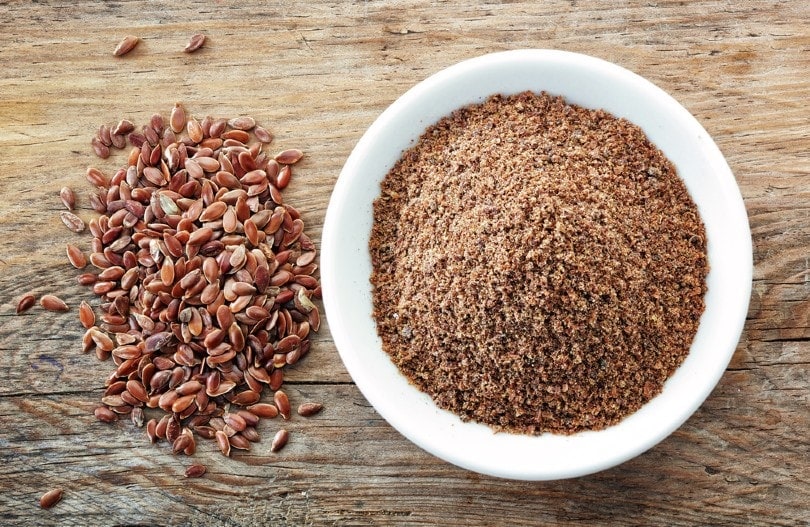
Crushed flaxseed has usually been crushed to release the fatty acids and other nutrients from the seed to make it easier for the body to absorb and synthesize. Most human health stores will sell crushed flaxseed, even if it is labeled for human consumption. If the packaging states that there are no additives, then it is safe for animal consumption, too.
2. Flaxseed Powder
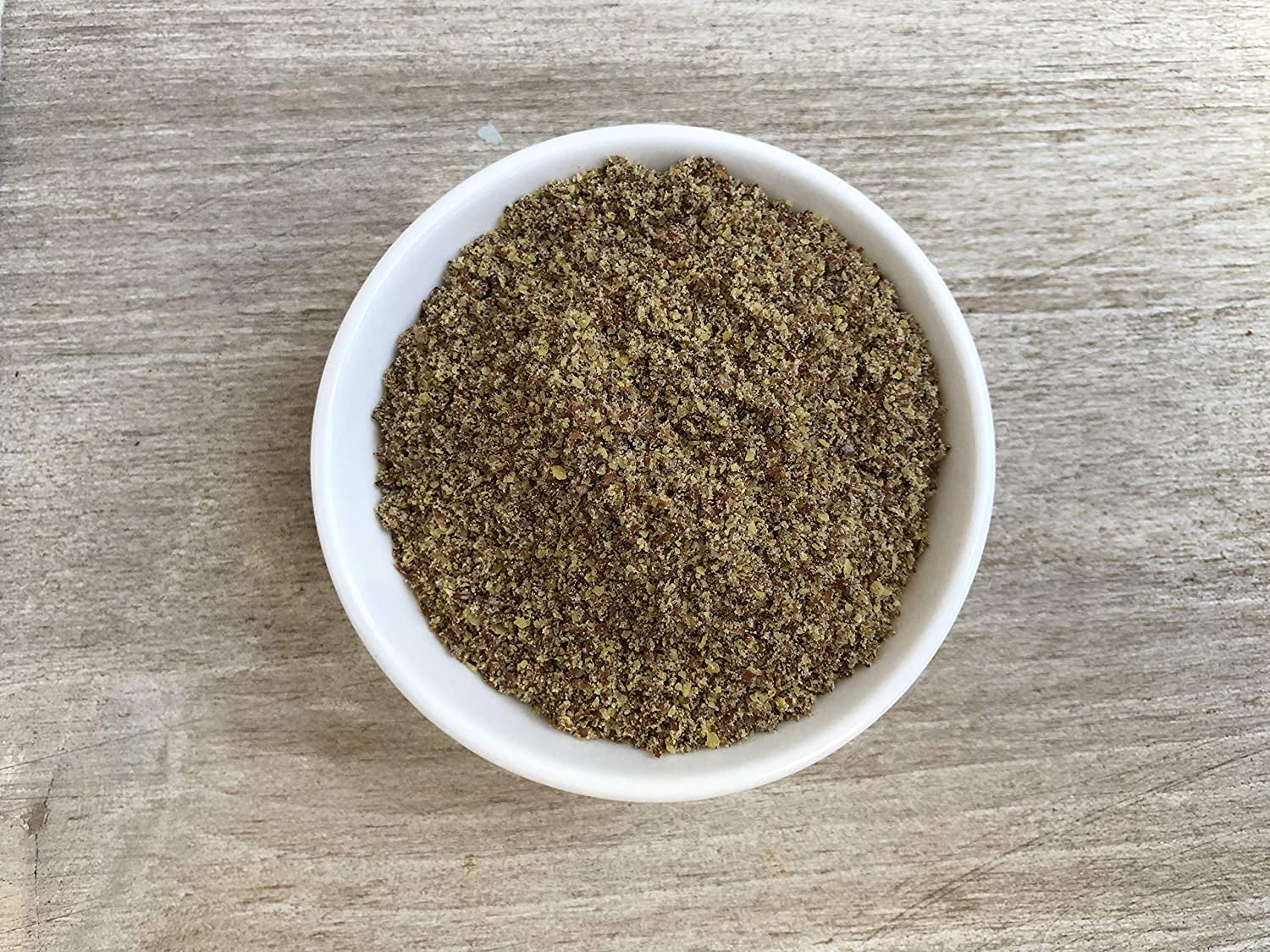
This form of flaxseed can be sprinkled over your cat’s food. It can be purchased in bulk. You will need to consult your cat’s veterinarian for the correct dosage your cat should be receiving of the flaxseed powder. You can then weigh the correct amount and use a measuring spoon to sprinkle it over your cat’s food.
3. Flaxseed Oil
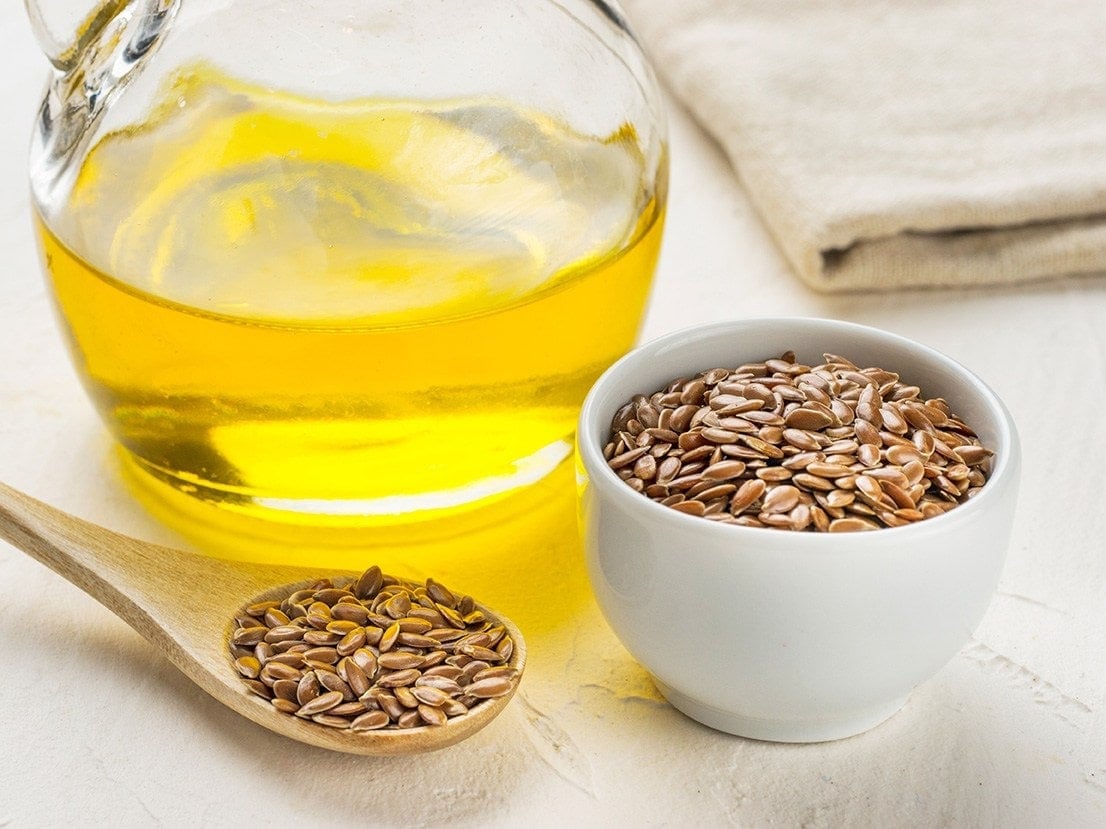
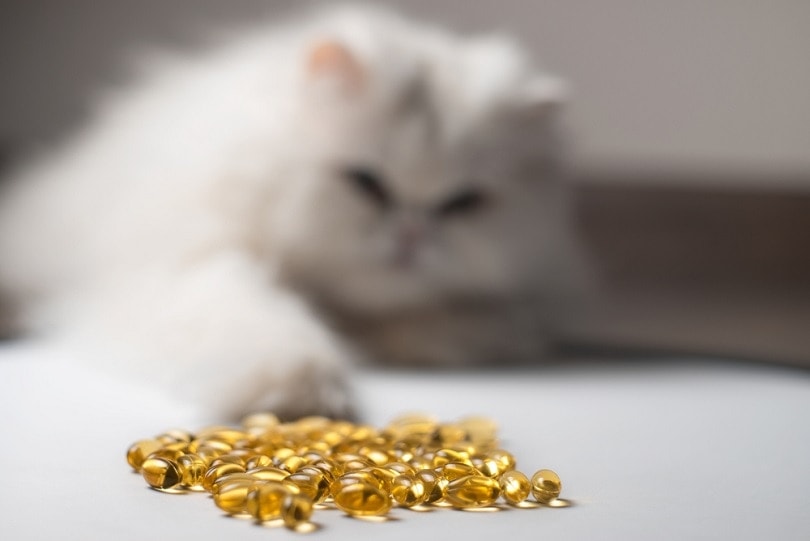
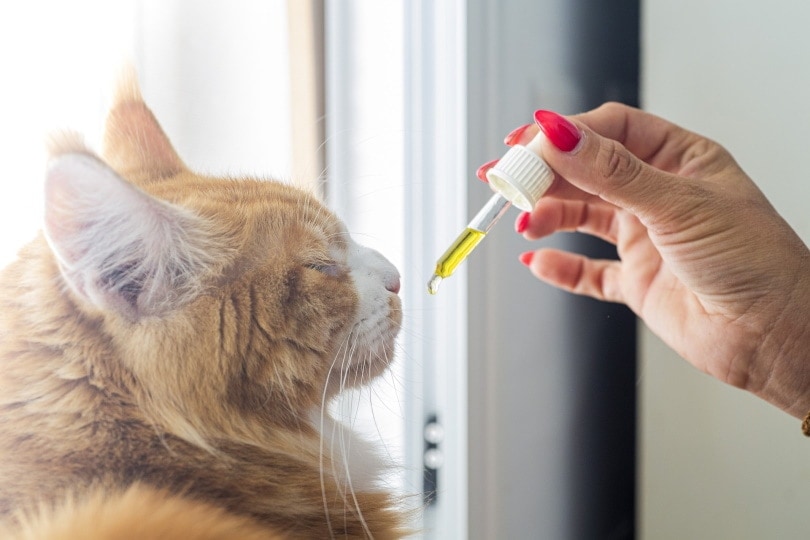
This is the most popular form of flaxseed for a supplementary diet. You can purchase a flaxseed oil that is formulated for cats and will have the correct dosage amount on the label.

Is Flaxseed Good for Cats?
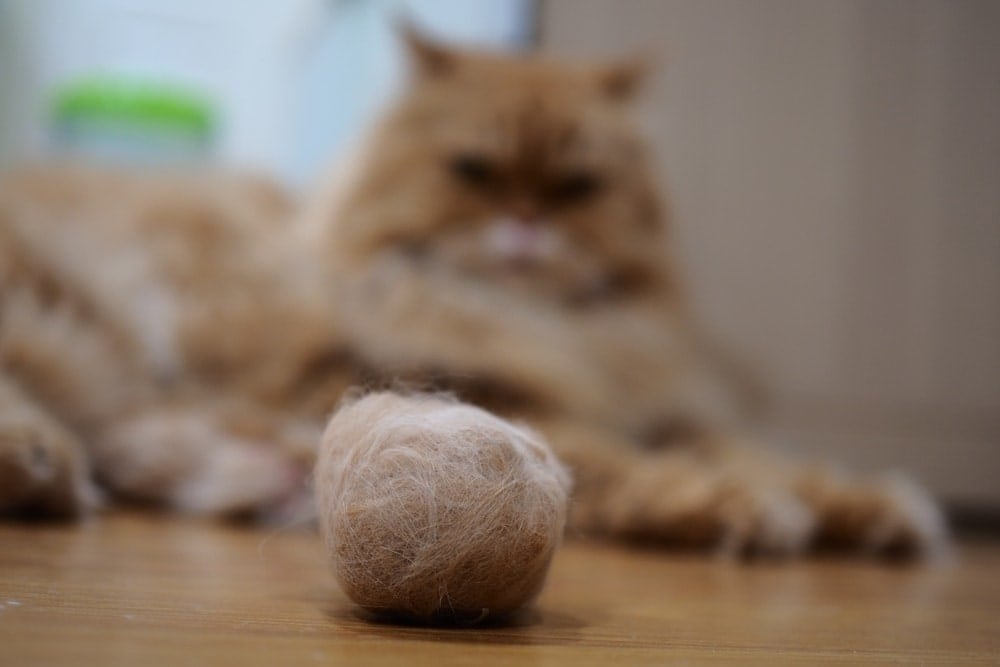
Flaxseed is good for cats, and it comes with a range of benefits that combat minor skin and digestive issues in a natural way. Ground flaxseed in the form of crushed or powder contains dietary fiber that aids cats with certain digestive issues and helps them to pass hairballs. Including flaxseed as a part of your cat’s diet provides a source of omega-3 fatty acids and other essential fatty acids.
We will take a deeper look into why fatty acids are a necessary component in your cat’s diet…
What Are Essential Fatty Acids?
If your cat’s diet is up to par, they should already be receiving fatty acids from their diet. They use this fat for energy, cell building, hormone synthesis, and insulation to name a few.
Fats are made up of smaller components called fatty acids that are classified according to their carbon structure's bonds. There are a variety of other omega fatty acids aside from the popular omega-3 and 6 fatty acids, as you also get omega-7’s and omega 9’s. Cats require many different types of fatty acids to thrive, and most of these fatty acids can be synthesized by their bodies. Essential fatty acids must come from your cat’s diet because they cannot form from other components.
Most commercial cat foods have a lot of omega-6 EFA’s and less omega-3 EFA which are equally important.
These are some of the essential fatty acids found in flaxseeds that are beneficial to cats:
Flaxseeds Beneficial Component (ALA)
Flaxseed is a natural source of omega-3 EFA alpha-linolenic acids (ALA) and flaxseeds have a much higher level of ALA than other food sources such as chia seeds, walnuts, and even canola oil which some cat owners include in their cat's diet.
Alpha-linolenic acids (ALA) are delicate fatty acids that can break down easily under improper storage conditions, so it is important to store your flaxseed oils or crushed flaxseed in an airtight container and follow the storage directions on the label of the product.
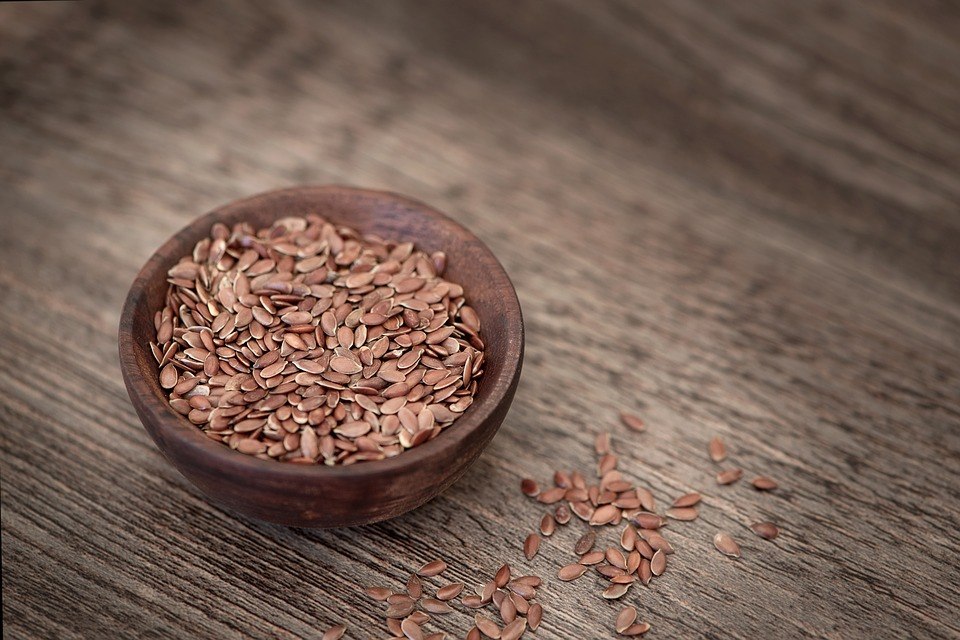
Benefits and Truth About Flaxseed for Cats
- Source of dietary fiber, potentially benefiting stress-induced diarrhea. This increased fiber intake can also aid in maintaining your cat’s weight.
- Natural source of omega-3 EFA alpha-linolenic acid (ALA).
- Cats can not convert ALA to other anti-inflammatory omega-3 fatty acids, eicosapentaenoic acid (EPA), and docosahexaenoic (DHA)
- Cats with skin inflammatory conditions can have their issues improved with a diet rich in flaxseed oils.
- Improve some digestive problems your cat may be suffering from.
How Much Flaxseed Can Cats Eat?
Overdosing is not a huge risk when it comes to supplementing your cat's diet with flaxseed. However, there is no point in giving your cat too much flaxseed as that will only cause negative gastrointestinal signs.
An adult cat’s food can be sprinkled with ¼ teaspoon of ground flaxseed as a supplement daily. Observe the response to this amount for a few weeks and evaluate any changes in feces and skin. If needed, gradually increase to ½ teaspoon.
About ¼ to ½ a teaspoon of flaxseed oil can be given to an adult cat, and kittens will usually have half the dosage instructed for adult cats.
As you can see, flaxseed has many potential benefits for your cat; however, it is important to keep in mind that flaxseed oil has anti-clotting effects. Always consult your veterinarian when adding daily supplements to your cat’s diet. This is especially important if your cat is already taking any other medications like insulin, anticoagulants or medications to regulate blood pressure.
Now that you know what you can safely feed your cat, it’s just as important to find a bowl that supports their health and well-being. With whisker-friendly bowls and a wide tray to catch any spills, our Hepper NomNom Cat Bowl is our favorite option.

- NO MESS - The 360° tray on this cat food and water bowl set has a raised design to catch and contain stray crumbs and drips. Protect your indoors and floors from wet and messy meals!
- WHISKER FRIENDLY - Shallow and wide metal containers with flat bottoms ensure your kitty can enjoy mealtime free from whisker fatigue!
- CHEW-SAFE MATERIALS - Kittens and cats love chewing on silicone and soft rubber - but it's a choking hazard. Our cat feeding station materials are anti-chew for a 100% safe feeding frenzy!
Final Thoughts
Supplementing your cat’s diet with flaxseed can be a good idea if they suffer from constipation or skin and coat conditions. You should keep in mind that cats can not convert the alpha-linoleic acid of flaxseed into the very researched omega-3 fatty acids EPA and DHA.
Related Reads:
Featured Image Credit: balouriarajesh, Pixabay
Get Hepper In Your Inbox


Pet care tips from our vets and experts, straight to your inbox.
You may opt-out at any time. View our Privacy Policy for more information.
Sarah is residing in South Africa with her partner and pets. She currently is interested in veterinary science and ichthyology, which she wants to study alongside her main passion: pet content writing. Sarah has over 60 fish including goldfish, tropicals, shrimp, and snails. She also keeps hamsters and a tarantula and wishes to provide quality content for readers and allow others to learn from her knowledge and experience. Sarah has much experience in all aspects of pet care, and providing the world with knowledge on ethical pet ownership is her lifelong dream.
Join the conversation
Ask a question, share your story, or send private feedback.