Hepper is reader-supported. When you buy via links on our site, we may earn an affiliate commission at no cost to you. Learn more.
7 Benefits of Raw Food Diet for Dogs (Based on Science)


In this article
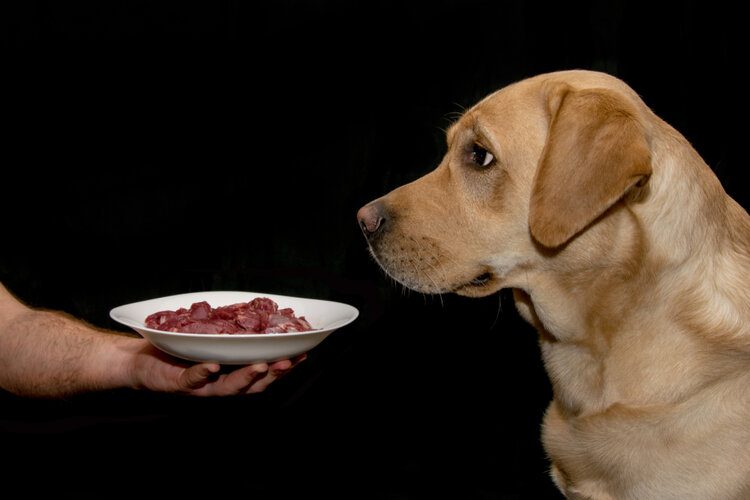
Focusing on raw meat, bones, and fresh produce, the raw dog food diet is one of today’s most controversial issues in canine nutrition and health.
Proponents of the diet claim inspiration from the raw diets of racing dogs, while mainstream veterinarians caution against it as a potentially dangerous pseudoscience. If you’re looking for the best diet for your dog’s overall health and well-being, you’ll need to sort through this often-conflicting information before making your own judgments.
That’s why we have put together this guide on the potential benefits of a raw dog food diet. In the following sections, we will explore the raw dog food diet from both its recent popularity and historical origins before covering the potential benefits, possible dangers, and general economics of a raw dog food diet.

History and Origins of the Raw Dog Food Diet
The raw dog food diet is often professed as a more “natural” diet for dogs that allows them to get in touch with their wild and carnivorous ancestry. For the specifics of the diet as we understand it today, however, you’ll have to look only as far back as 1993.
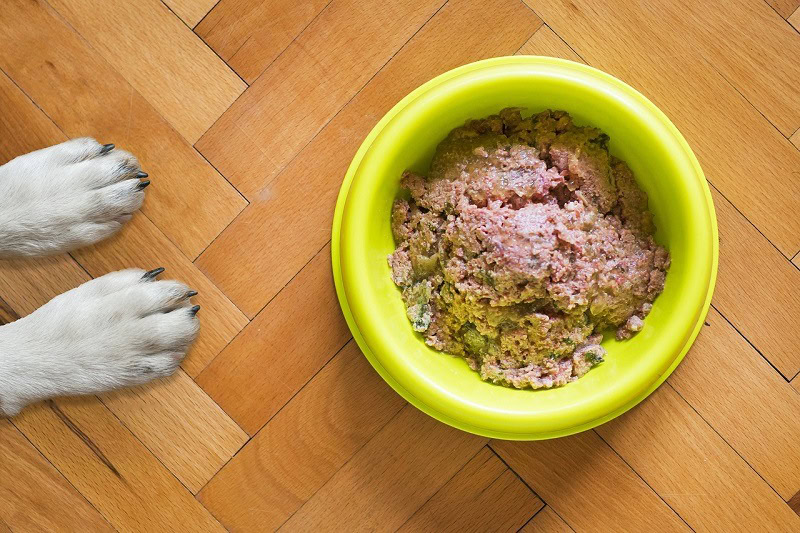
Originally advocated by the works of Australian veterinarian Ian Billinghurst in his book Give Your Dog A Bone: The Practical Commonsense Way to Feed Dogs for a Long Healthy Life, the raw dog food diet was first proposed as a solution to the detrimental effects of overly-processed factory-made dog food. Sometimes known as the BARF, or Biologically Appropriate Raw Food, Billinghurst is widely regarded as the “father” of raw pet food.
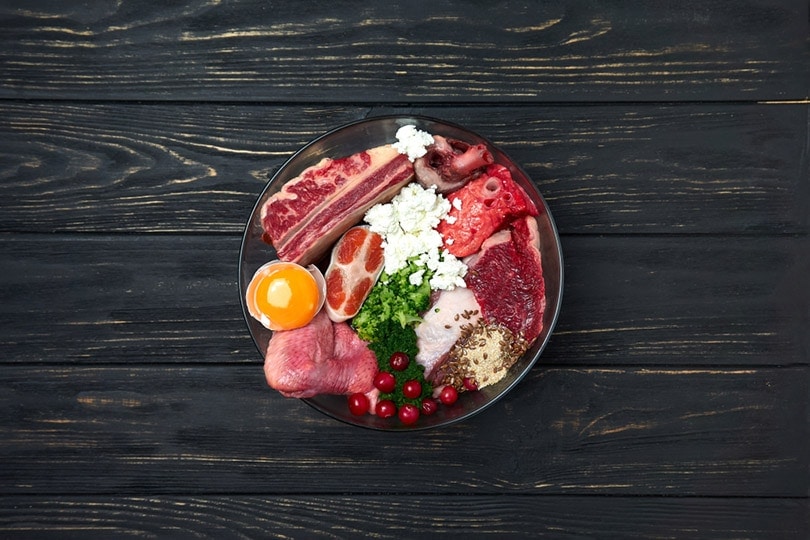
Arguing that fully matured dogs would enjoy their best health with a diet based on pre-domestication canine feeding habits, the raw dog food diet emphasizes the feeding of raw, meaty bones and vegetable scraps as well as a small portion of high-quality raw grains.
Today, variations of Billinghurst’s original recommendations include freeze-dried raw food blends and pre-made combinations that are intended to be mixed with raw meat at home.

Benefits of a Raw Diet For Dogs
What exactly do fans of the raw dog food diet claim as benefits of this unconventional nutrition plan? We found seven commonly cited potential benefits:
1. Better Bone and Dental Health
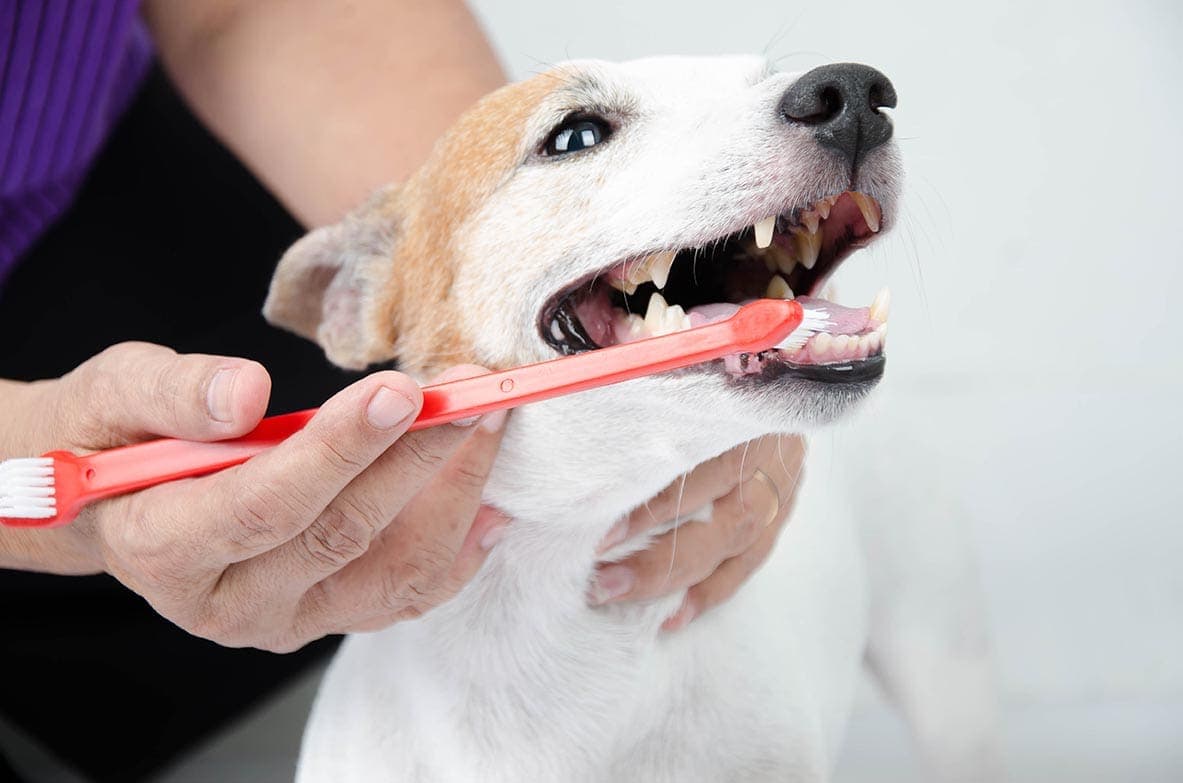
The inclusion of whole bones in your dog’s diet may help to balance their calcium and phosphorus levels, two nutrients that are essential to the health of your dog’s bones and teeth.
Related Read: 8 Best Dog Dental Chews
2. Improved Skin Health and Coat Condition

Feeding your dog fewer synthetic ingredients and providing all of their nutrients in the highly bioavailable forms that a raw food diet offers may lead to healthier skin and shinier coats, though this may take some time to manifest.
3. High Protein Availability
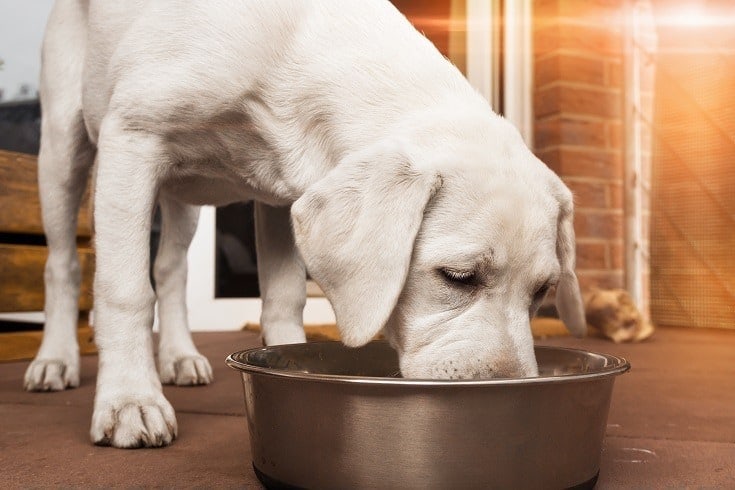
The high-heat processing that commercially-available dog foods undergo has negative effects on the protein’s structure and may limit the bioavailability of essential amino acids and reduce your pet’s ability to utilize the protein. Since a raw diet does not expose its proteins to high temperatures, the protein structure is unaltered and complete in amino acids making it more available and easier to digest.
4. Low Ecological Impact

By doing away with the multiple time- and energy-consuming processing steps involved in preparing commercial dog food, a raw food diet may be more environmentally friendly. This is especially true if you prepare most of your dog’s raw food diet at home.
5. Remove Dangers of Processed Foods

Many dog food recalls are the result of improper processing and safety measures at the factories that produce these foods. Taking your dog’s diet into your own hands limits the possibility of feeding them food that has been tainted by unsafe production practices.
Never miss a dog food recall! Sign up for our alerts here!
6. Minimize Bad Breath

Since both excessive sugars and general digestive problems can lead to bad dog breath, a raw dog food diet has a chance of reducing or eliminating doggy breath by limiting sugars and improving overall digestive capacity.
7. Smaller and Less Smelly Poops

Adherents to the raw dog food diet claim that without the fillers used in many processed dog foods, their pups produce less voluminous feces with lower odor.

Potential Disadvantages and Dangers of a Raw Food Diet for Dogs
Dangers and side effects of a raw dog food diet come in three main forms, all covered in a critical review of available literature by the Canadian Veterinary Medical Association:
1. Nutritional Imbalance
Lacking the facilities and testing equipment necessary to verify whether a diet contains all the nutrients a dog needs, some owners who choose home preparation of a raw dog food diet may be unknowingly underfeeding essential nutrients. The inverse is true, as well; a diet too high in organ meat can lead to excess accumulation of vitamins and minerals that may put your dog’s health at risk.
2. Bacterial Contamination
Consuming raw meat is inherently dangerous thanks in particular to the risk of Salmonella and E. coli. Even with proper food handling procedures, raw meat can easily end up harboring harmful bacteria that could adversely affect your dog’s health.
3. Risk of Bone Shards
For anyone choosing to include whole bones in their dog’s diet, the possibility of creating bone chips and shards can pose a serious risk to the lining of your dog’s intestines. Similarly, hard bones can easily lead to damaged teeth after prolonged chewing.

The Cost of the Raw Dog Food Diet
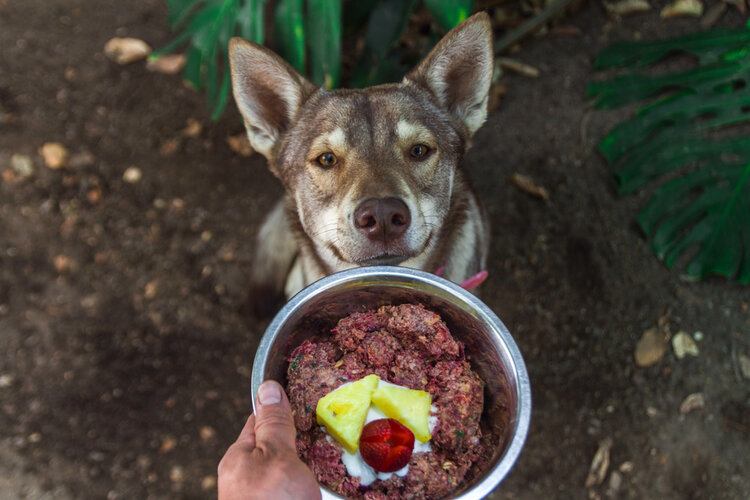
According to a survey of The Raw Feeding Community, an online group of raw dog food enthusiasts and practitioners, most owners will pay less than two dollars per pound of raw pet food. Calculating an average amount of dog food per month as roughly 2.5% of your dog’s ideal adult body weight, the community advises budgeting around $60 per month on a raw food diet for a 50-pound dog.
What Raw Foods Can You Feed Your Dog?
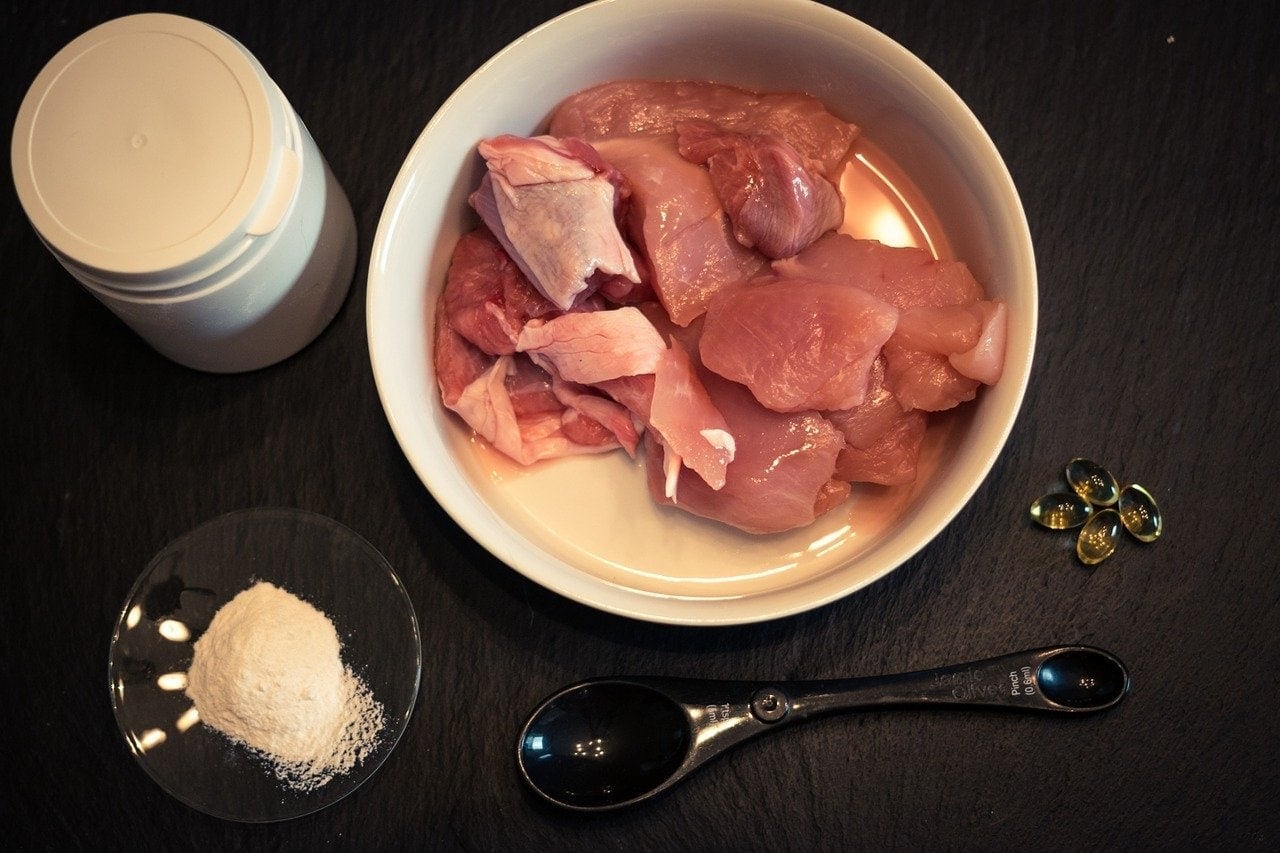
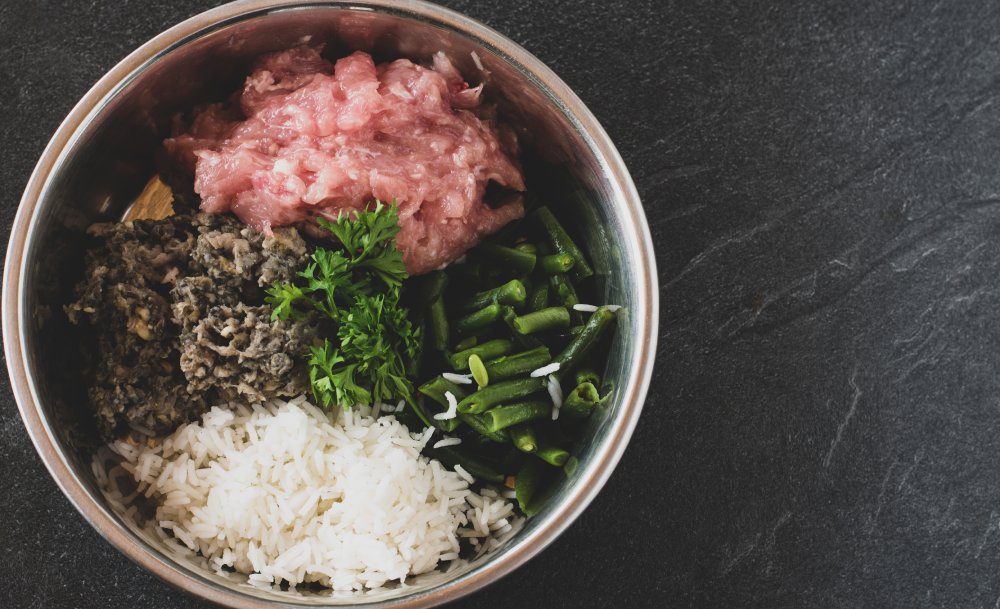
Foods commonly found in a raw dog food diet include:
Additionally, some owners choose to supplement their dog’s raw food diet with a small portion of vitamins, minerals, and fatty acids such as:

Final Thoughts: Dog Raw Diet Benefits
While certainly growing in popularity, raw food diets for dogs are still a hotly contested nutritional choice.
Despite the potential benefits of being able to more closely control the composition and preparation of your dog’s diet, the American Veterinary Medical Association still advises against raw meat in your pet’s diet, primarily because of the risk of bacterial contamination.
Alternatively, the potential benefits of a raw food diet for dogs outlined by The Raw Feeding Community show that processed foods may not be a healthy option for your pet, either – and they advocate for a safe and practical approach to raw food preparation.
Ultimately, only you will be able to decide which diet is best for you, your budget, and your dog’s health and well-being.
See also:
Featured image credit: thamKC, Shutterstock
Get Hepper In Your Inbox


Pet care tips from our vets and experts, straight to your inbox.
You may opt-out at any time. View our Privacy Policy for more information.
Nicole is a lover of animals of all sizes but is especially fascinated with the feline variety. She’s the proud mom of Baby, a Burmese, and works every day so he can relax in the sunshine or by the fire. She’s always had a cat in her home and has spent countless days with others, observing behaviors and softening up even the grouchiest of the lot. Nicole wants to share her kitty expertise with you so you and your cat can live happy, healthy, and care-free.
Join the conversation
Ask a question, share your story, or send private feedback.