Hepper is reader-supported. When you buy via links on our site, we may earn an affiliate commission at no cost to you. Learn more.
What Is Raw Dog Food? Benefits, Cons & FAQ

In this article
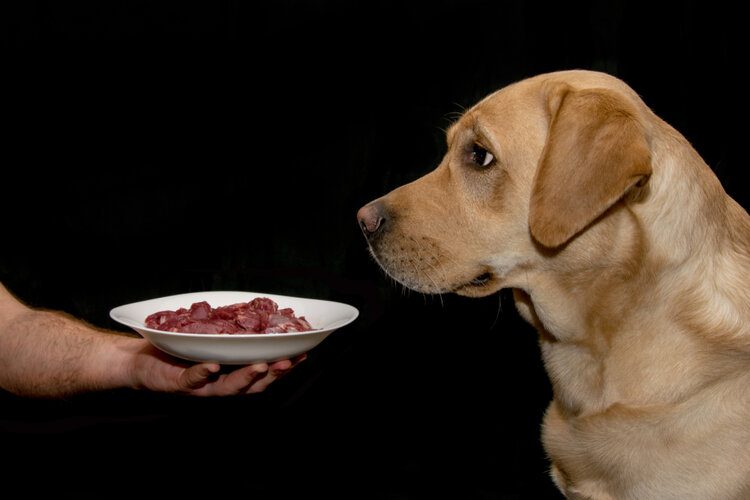
If you are a dog owner, you’ve likely heard about raw dog food. It’s one of the latest trends that stresses the importance of dogs eating a similar diet to their wild ancestors. Perhaps you’ve been contemplating switching your dog to a raw diet but are wondering if it’s safe.
Many advocate that a raw diet is good for dogs. However, many veterinarians, as well as the FDA, have strong reservations due to the risks.
Here, we look at the pros and cons of feeding a dog a raw food diet. But our cautionary disclaimer is that you should always speak to your vet before changing your dog’s diet, particularly to a diet with potential risks.

What Is a Raw Dog Food Diet?
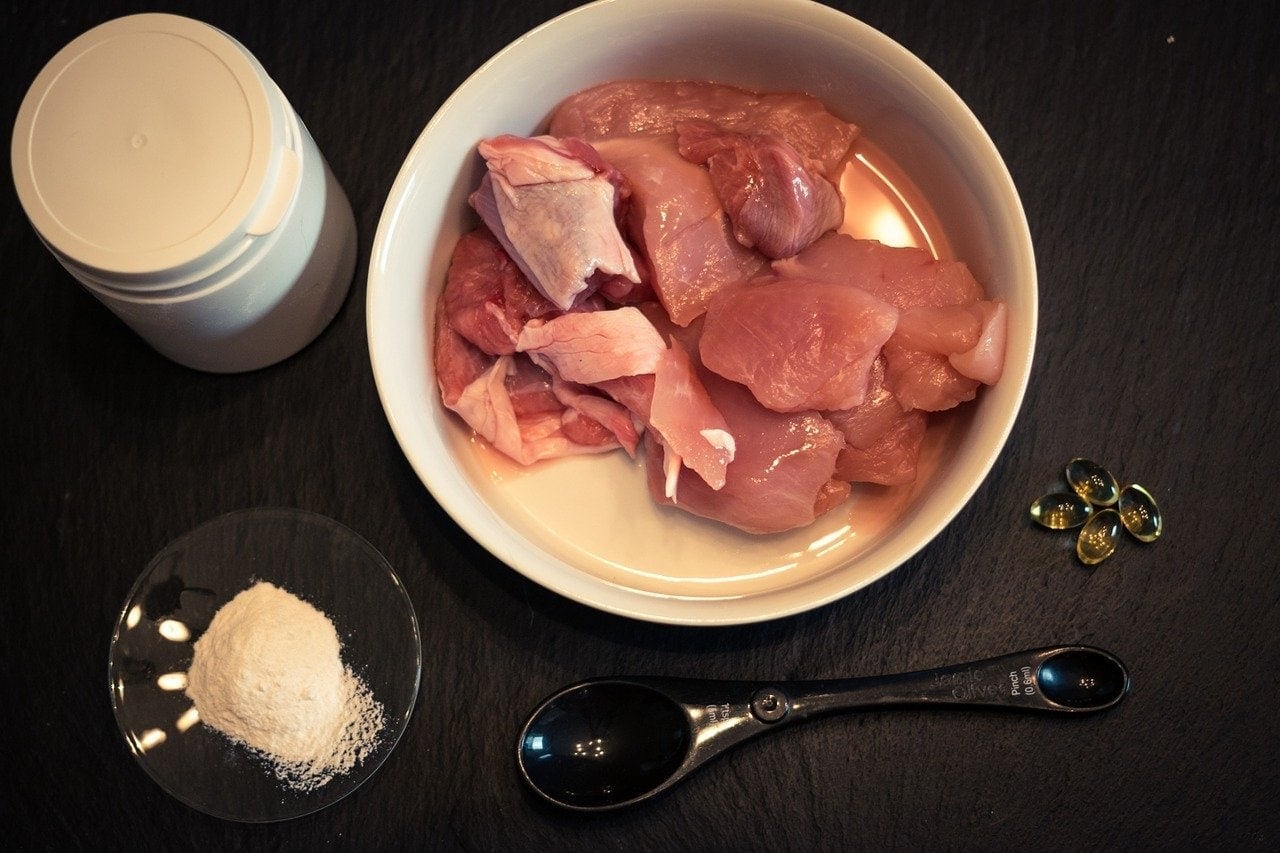
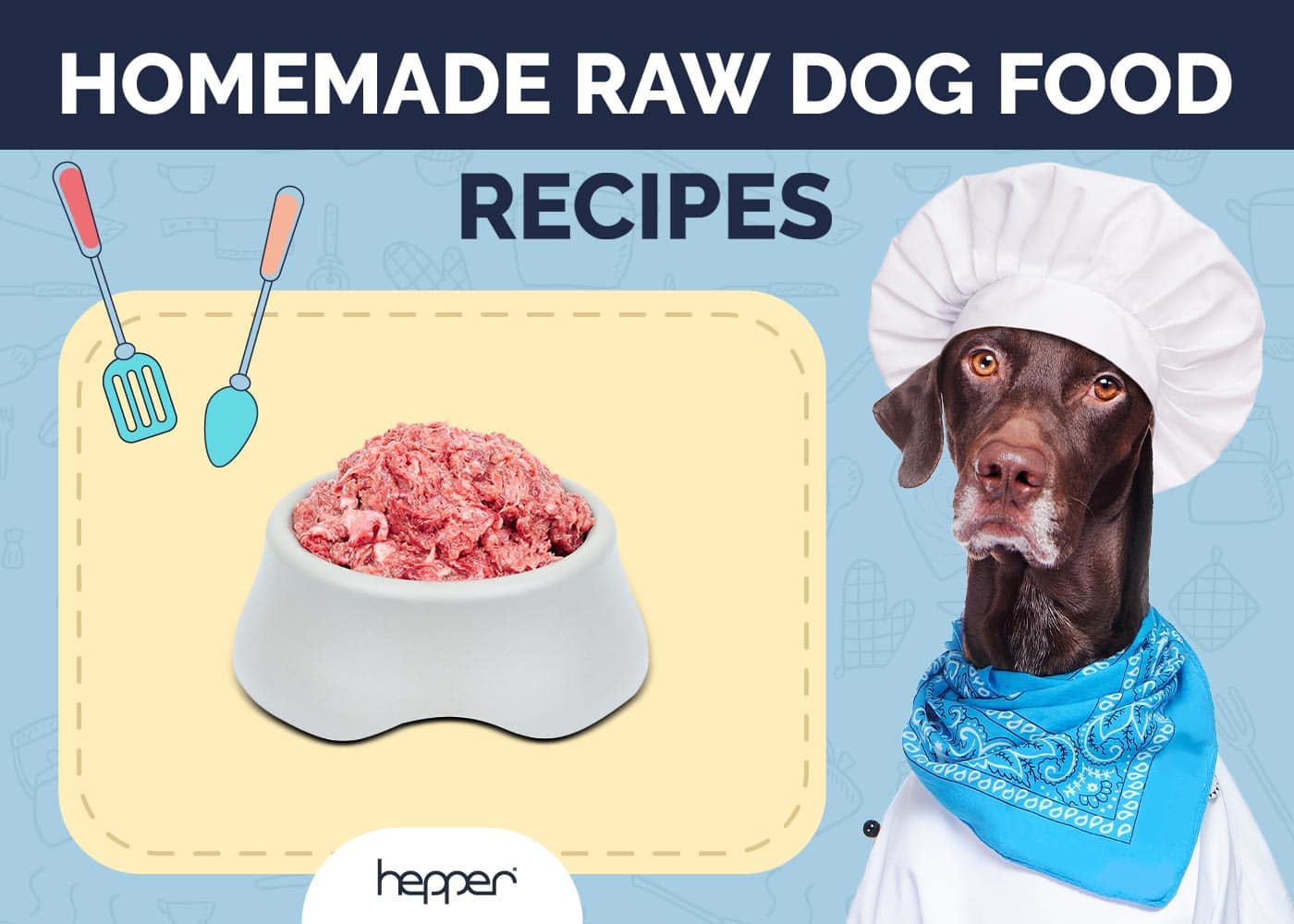
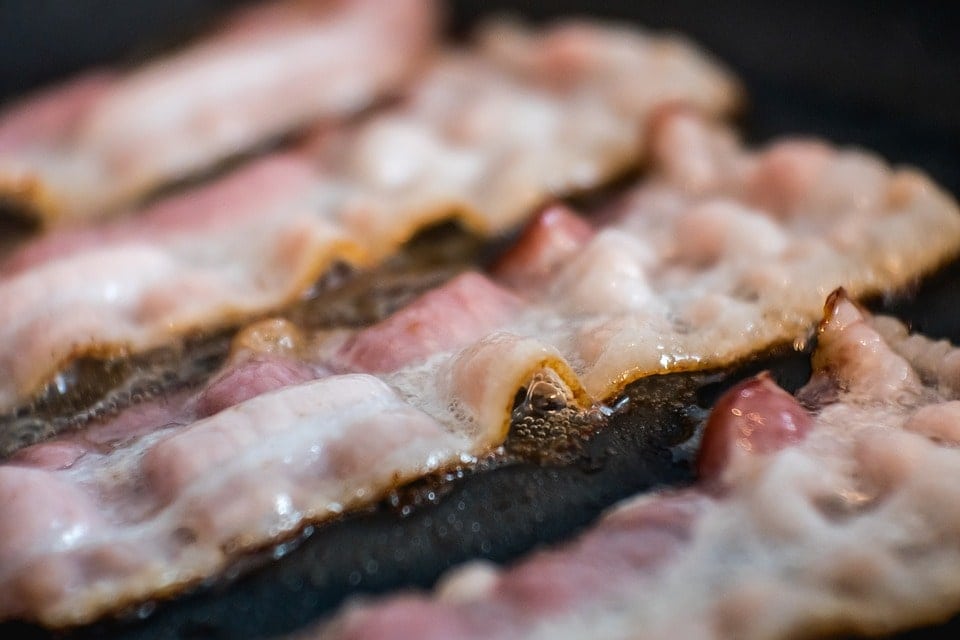
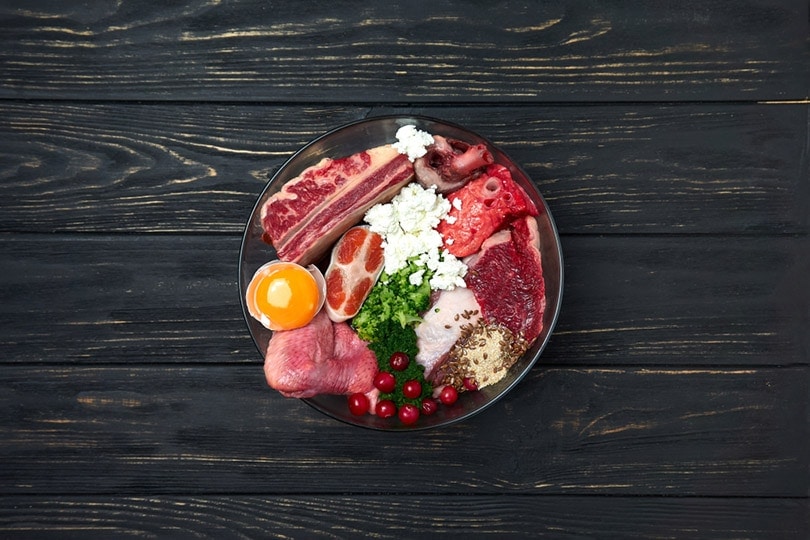
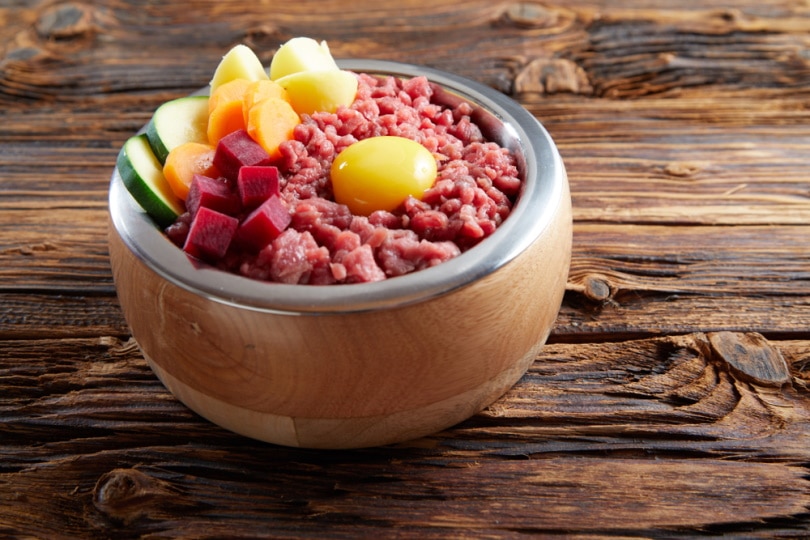
Raw dog food comes in several forms, such as dehydrated, freeze-dried, store-bought, subscription, and homemade.
The food itself is usually comprised of:
What Are the Benefits of a Raw Dog Food Diet?
Many raw food advocates claim that there are decided benefits for dogs, including:
- Healthier skin and coats
- Higher energy levels
- Improved digestion
- Smaller sized feces
- Improved dental health
This does not mean that every dog eating raw food will experience these benefits, but some dogs might.

What Are the Risks of a Raw Dog Food Diet?
A raw food diet has various risks that must be considered before deciding on it.
Bacteria
One of the most significant risks of a raw food diet is dangerous bacteria, which pose a threat to your dog. An FDA study analyzed 196 raw pet food samples and found that 15 were positive for Salmonella and 32 contained Listeria monocytogenes.
To compare, the FDA also analyzed six other types of pet food and treats in which there was just one positive result for Salmonella, in a dry cat food.
Raw food will always carry the risk of contamination, as cooking the food eliminates the bacteria.
Risks to People
The same bacterial contamination that threatens dogs is also a threat to us. We're all familiar with the warnings about handling raw food, and the same goes for preparing your dog’s meal with raw meat.
You must be quite thorough when washing all surfaces and utensils that have come in contact with the raw meat. Also wash your hands well, of course.
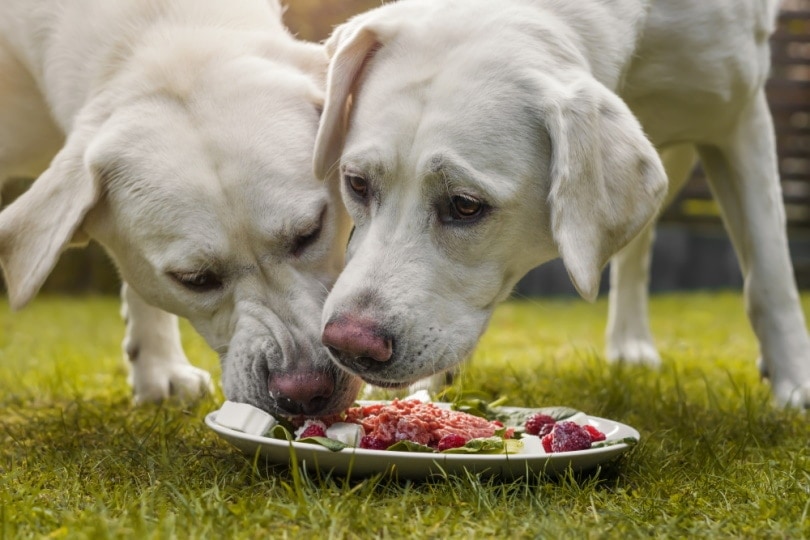
After your dog has finished their meal, you’ll want to clean around their mouth, particularly if your dog has a long coat. Otherwise, they can potentially carry the bacteria around, which can be easily transferred to you, your dog, and other members of the household, both animal and human.
Unbalanced Diet
Another reason that people may want to go raw is it gives them more control over their dog's nutrition. Certain substances are added to dog food that some studies show have detrimental effects on a dog's health. As dog owners, we only want to give our dogs the best.
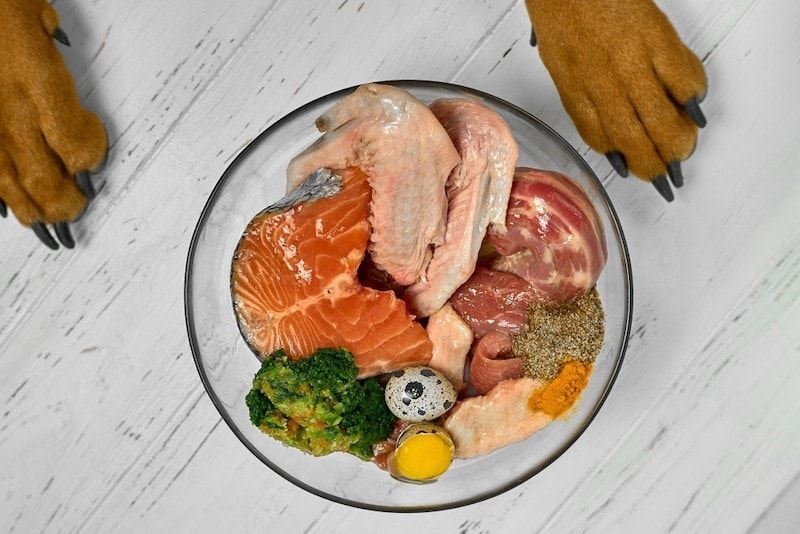
However, a dog’s diet must be nutritionally balanced, which isn’t always suitably accomplished with a raw diet. Phosphorus and calcium are frequently overlooked, and these minerals are instrumental in keeping teeth and bones strong and healthy.
If you are going to try out a raw diet, speak to your vet so you can work out a balanced meal plan, which might need to include supplements.
Physical Damage
Since bones are a big part of a raw diet, there’s always the risk of your dog swallowing bone fragments. This can cause the potential for choking or punctures along your dog’s digestive tract and in the stomach lining. There’s also the possibility of your dog breaking their teeth on the bone.

What Should You Consider When Choosing This Diet?
Besides talking to your vet, you should consider these factors if you’re thinking about changing your dog’s diet:
- Age: The age of your dog is essential when choosing food for them. Puppies have different nutritional requirements than adults, and so do seniors.
- Size: Toy, small, medium, large, and giant dogs all have different nutritional requirements.
- Health: A nutritionally balanced diet is essential for your dog to remain healthy. If your dog has any medical conditions, it’s even more important to speak to your vet before switching to a new diet.
- Food allergies: Some dogs develop food allergies or intolerances to certain ingredients. The most common ones are chicken, beef, dairy, and eggs. This means being quite diligent with the ingredients that you use to feed your dog.
- Activity level: Dogs with high energy levels, especially working dogs, have different nutritional needs than more sedentary pets.
- Time: Do you have time to prepare a meal for your dog every day? Keep in mind the extra time that you’ll spend shopping for and preparing your dog’s meals.
- Tastiness: Above all else, your dog’s food must smell and taste good to your dog.
What About Fresh Food?
Another option to consider if you’re feeling nervous about the raw food diet is to try fresh food.
Fresh food is also made with all-natural ingredients. It is typically gently cooked and retains its freshness and nutritional value but eliminates harmful bacteria. It’s made with many of the same ingredients used in raw food, and the meat, veggies, and fruit are chopped up together.
Making these dinners yourself can be time-consuming, though, and you might run into the same nutritional-deficit problems as homemade raw food.
There are quite several subscription services, like Ollie, that do the preparation for you and deliver meals to your door, but this option can be fairly pricey.
However, most of these fresh food companies work with nutritionists and veterinarians to ensure that the food will have the right balance of nutrients. Many of the benefits that dogs can get from a raw diet are also found in fresh food.

Conclusion
There is no question that many dogs have benefited from eating raw food, but the risks can’t be ignored. However, if you’re still interested in trying out a raw dog food diet, speak to your vet first.
They can assess your dog to determine if a raw diet will be suitable for them and can give you pointers on how to keep yourself and your dog safe.
Featured Image Credit: Zontica, Shutterstock
Get Hepper In Your Inbox


Pet care tips from our vets and experts, straight to your inbox.
You may opt-out at any time. View our Privacy Policy for more information.
Kathryn was a librarian in a previous lifetime and is currently a writer about all things animals. When she was a child, she hoped to work in zoos or with wildlife in some way, thanks to her strong love for animals. Unfortunately, she's not strong in the sciences, so she fills her days with researching and writing about all kinds of animals and spends time playing with her adorable but terribly mischievous tabby cat, Bella. Kathryn is hoping to add to her family in the near future – maybe another cat and a dog.
Join the conversation
Ask a question, share your story, or send private feedback.