Hepper is reader-supported. When you buy via links on our site, we may earn an affiliate commission at no cost to you. Learn more.
12 Herbs That Are Safe for Cats (Vet Answer)

Herbs, both medicinal and for cooking, have benefits not only for humans but also for cats. You might be surprised to learn that several herbs are safe for your furry friend.
If you want to have a happy cat and a house with beautiful plants, it is preferable to grow ones that are not dangerous to your pet.

The 12 Herbs That Are Safe for Cats
1. Catnip
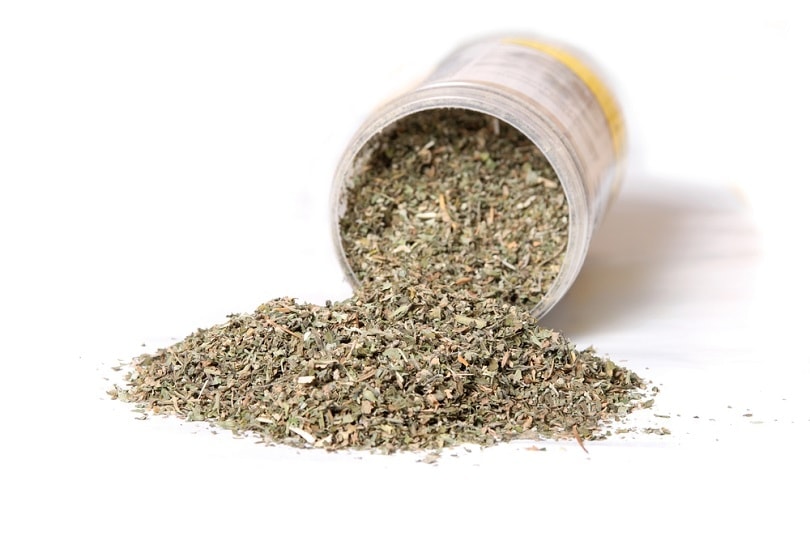
Many cats love the smell of catnip. The plant was named due to the fact that it attracts sexually mature felines. Their response to catnip varies, though, and is strong in only approximately 50% of cats. Domestic cats and wild cats like lions and tigers are attracted to it. Conversely, the smell is said to repel rats and mice, though it is not scientifically proven.
This smell has an intoxicating effect on most cats. Some rub against the plant and become more relaxed, while in others, catnip increases their playful instinct, and lazy pets will become more active.
It is not recommended to expose your cat to its smell daily. Once a week is more than enough and prevents overstimulation.
2. Silver Vine
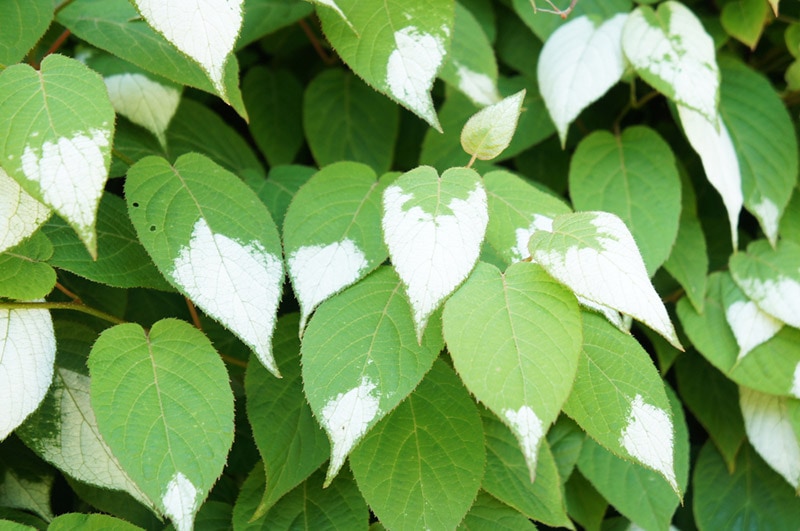
Silver vine is safe for cats, being a good alternative to catnip if it has no effects on your pet.
If a stressful event is coming up for your cat and you want to calm them with silver vine, you must know that the effects of this herb tend to last longer than those of catnip, so you will need to administer it about 30 minutes before the event. Some cats become quite drowsy after the effects wear off, which could make silver vine a relaxing remedy.
Like any cat stimulant, offer silver vine in moderation.
3. Valerian
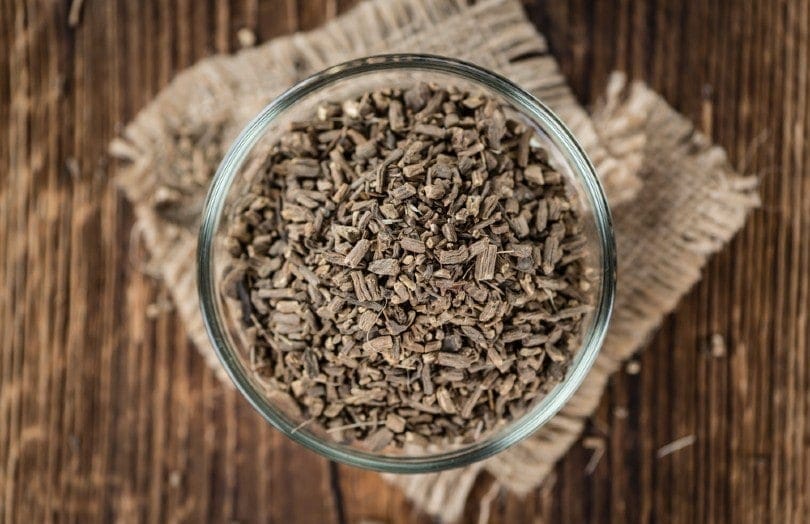
Dried valerian root has one thing in common with catnip and silver vine: It’s a favorite plant among felines. Even big cats like lions and tigers go wild for dried valerian. However, there are also cats that are not interested in this herb, most being very young or old cats.
Valerian root has a calming effect on many people, but the opposite applies to cats. As soon as a valerian-loving cat smells the herb, they can't stop moving! So, if your cat has gotten lazy, you can stimulate them with dry valerian. You can give them as it is or use it as a filling for cat toys. However, don’t give too much valerian to your cat, as it can lead to stomach upset.
4. Witch Hazel
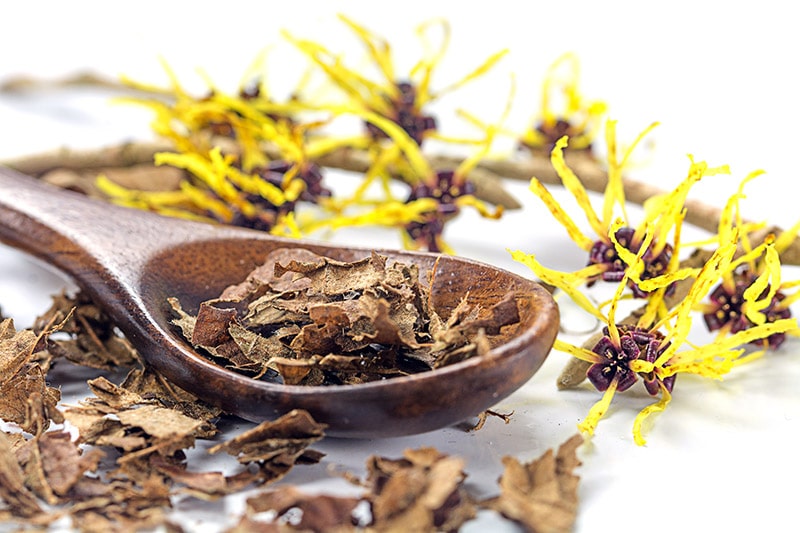
Witch hazel is considered safe for cats for external use but is considered toxic if ingested. It can lead to vomiting, diarrhea, dehydration, and abdominal pain. In severe cases, it can also lead to liver and kidney damage.
Witch hazel is used to prevent acne in cats. Since it has anti-inflammatory properties, this herb is also used in some pet products. However, make sure your cat does not lick the product off their skin.
5. Echinacea
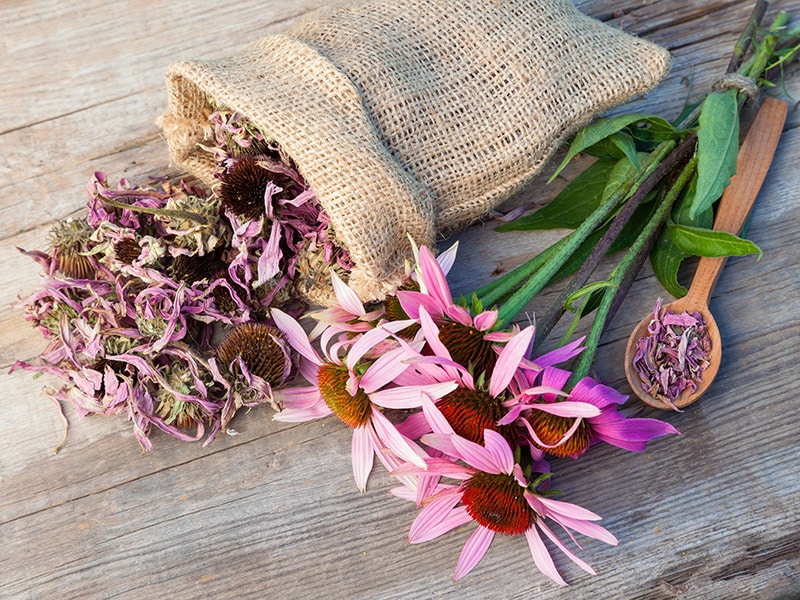
Also known as purple coneflower, echinacea is considered safe for cats. This herb has many health benefits, such as strengthening immunity and relieving pain, skin problems, and respiratory problems.
The most potent part of the plant is the root. However, in cats (and humans), echinacea is administered in the form of capsules, liquid extract, or powder. Side effects are uncommon.
6. Calendula
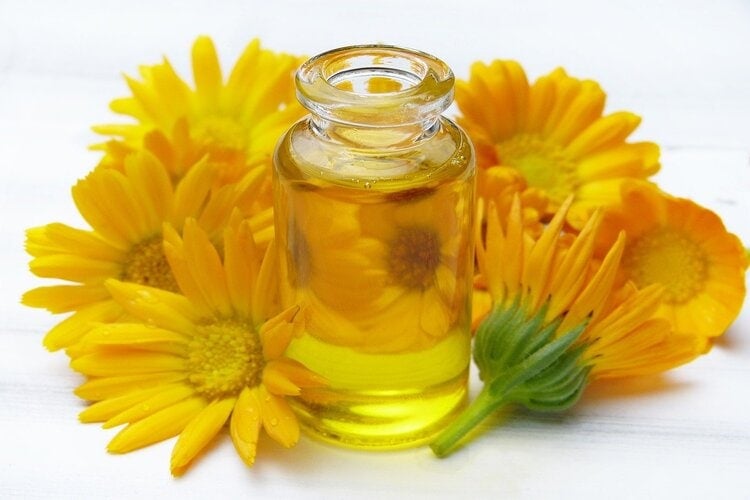
Also known as pot marigold, calendula is safe for cats, though it’s more often used externally as an anti-inflammatory and antiseptic. Still, calendula is also used in certain varieties of cat food, being safe for ingestion. It can help prevent gastric ulcers and lower blood sugar. Studies on side effects are limited.
7. Licorice Root
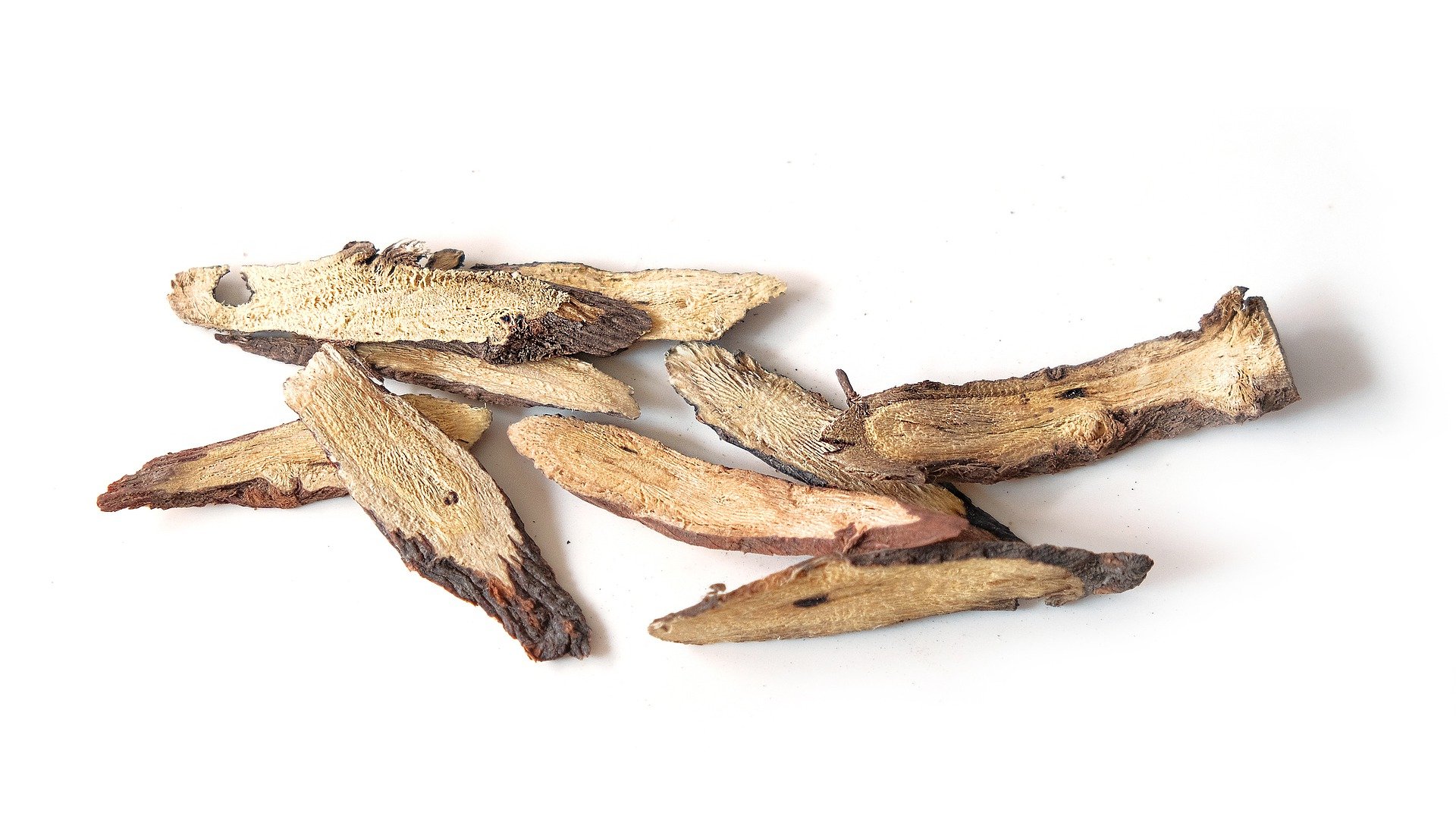
Licorice root has an aroma adored by cats, as it is fragrant and sweet. Extracts, tablets, and chew sticks that are made from the licorice root are safe for cats. Raw licorice root can be too bitter, though.
It has therapeutic properties for a cat’s body. It is perfect for fighting the signs of respiratory infections, asthma, allergies, or digestive ailments. It also has soothing and anti-inflammatory properties, so it’s recommended for cats suffering from arthritis.
Large amounts of licorice root can lead to gastrointestinal problems, so only give as recommended by your vet or as directed on the label.
8. Basil
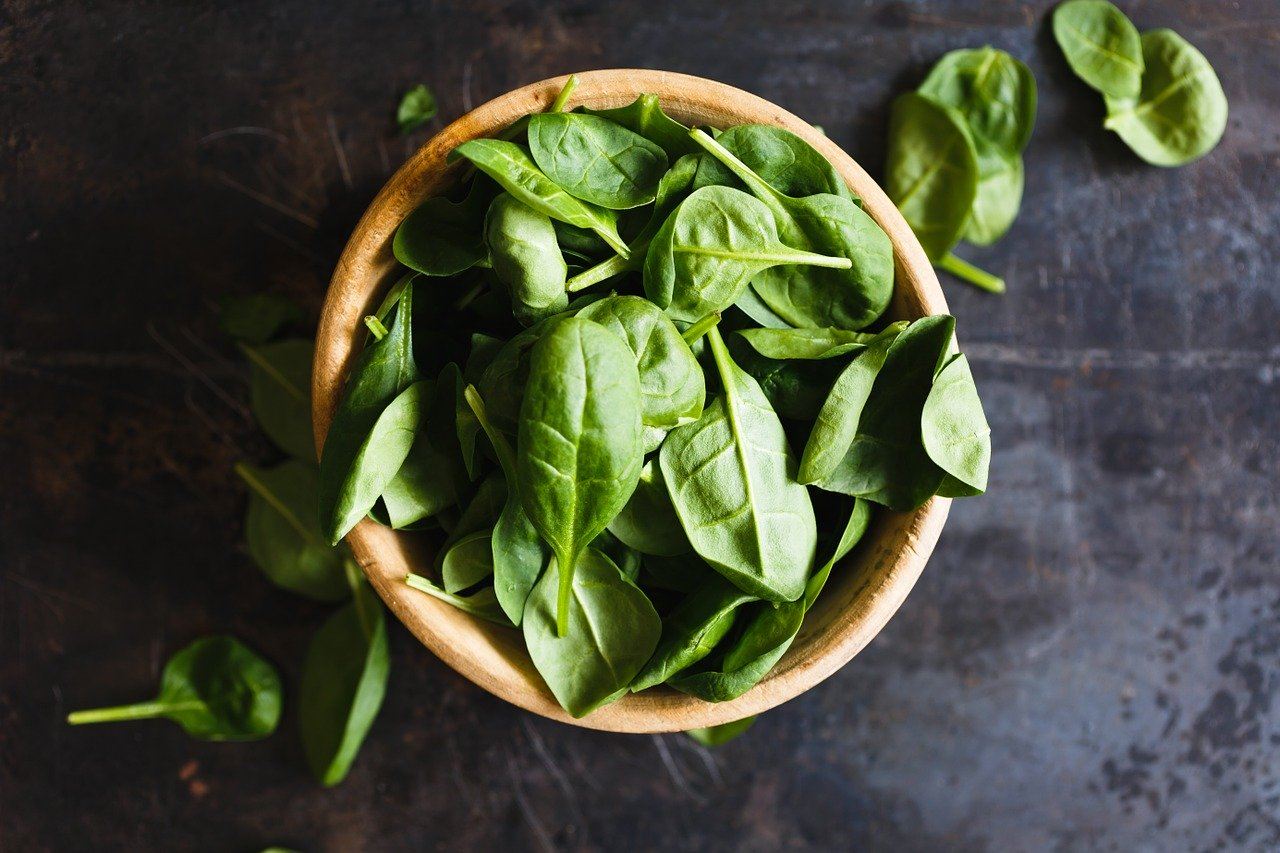
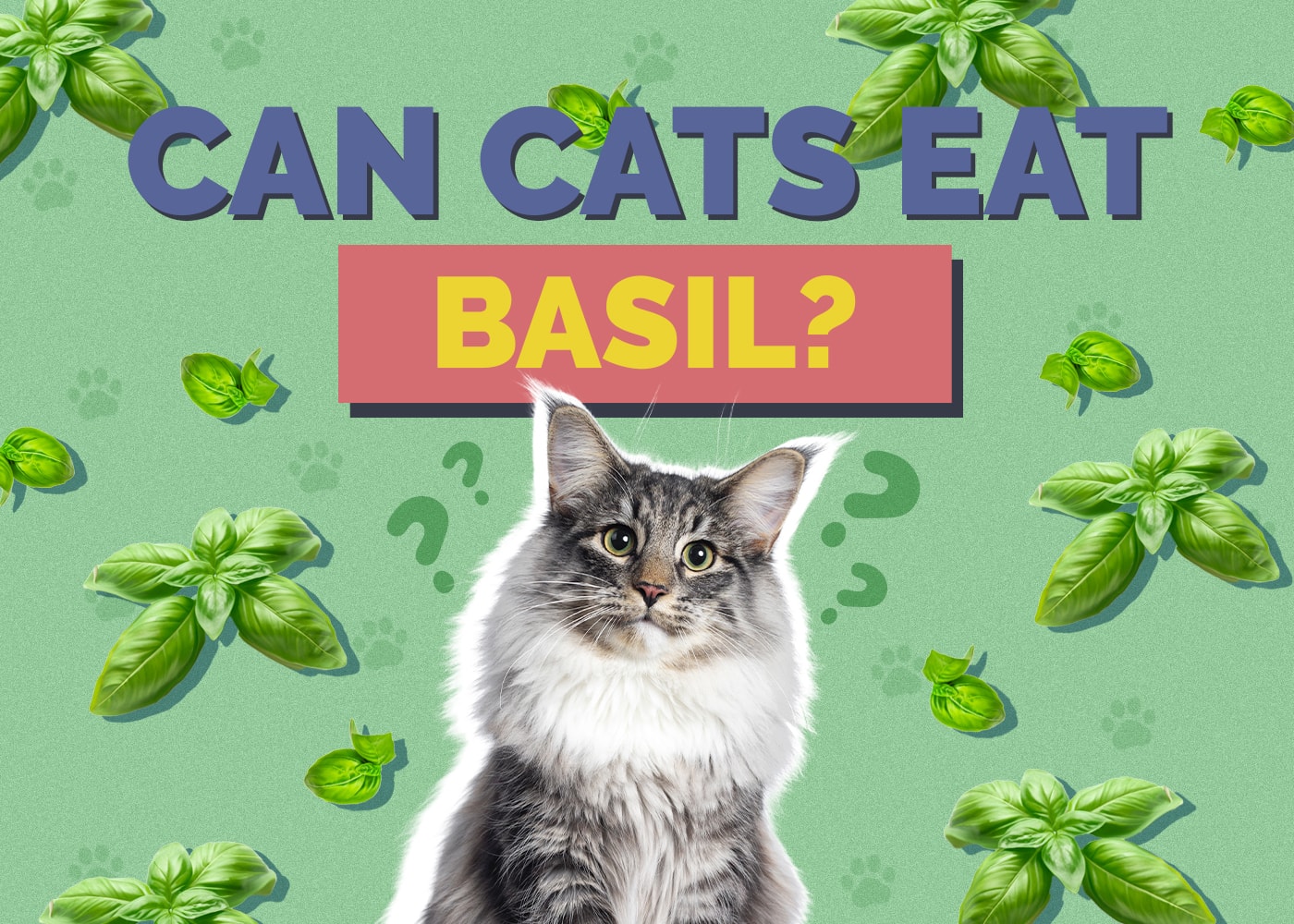
Basil is a safe herb for cats. So, if you have a plant at home, you can let your cat consume a leaf or two occasionally. However, too much basil can lead to gastrointestinal upset (vomiting and diarrhea). Some cats can also be allergic to basil and develop signs like hives, difficulty breathing, and/or swelling of the face and throat. If this happens, contact the vet as soon as possible.
9. Cat Thyme

Cat thyme is an aromatic herb that your pet will likely consume with pleasure. No matter how you grow this plant, such as in the garden or a pot, it will not resist a feline’s temptation to nib on it. It has the same beneficial effects as catnip, but it has a more pronounced taste and smell, which not all cats like.
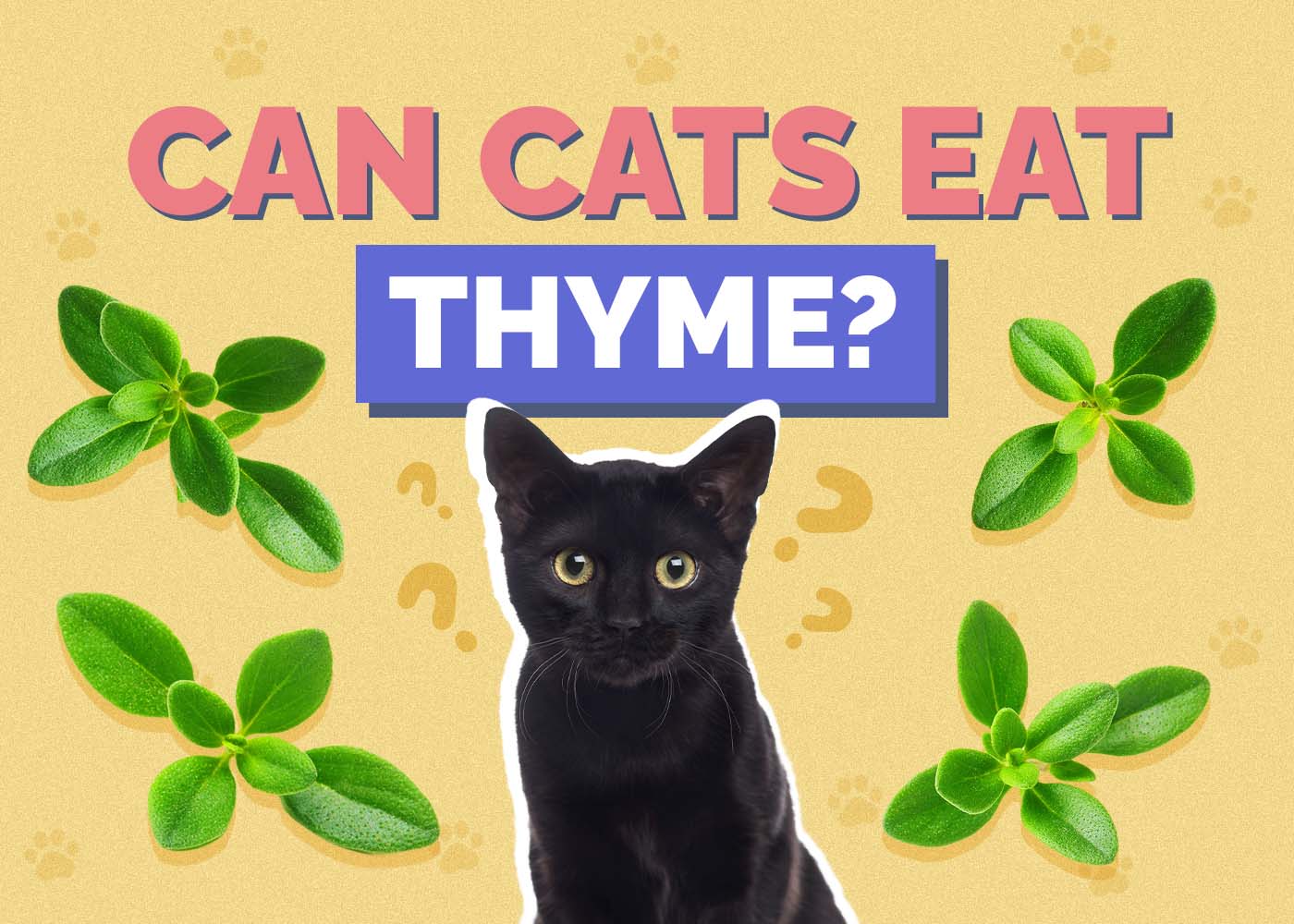
10. Thyme
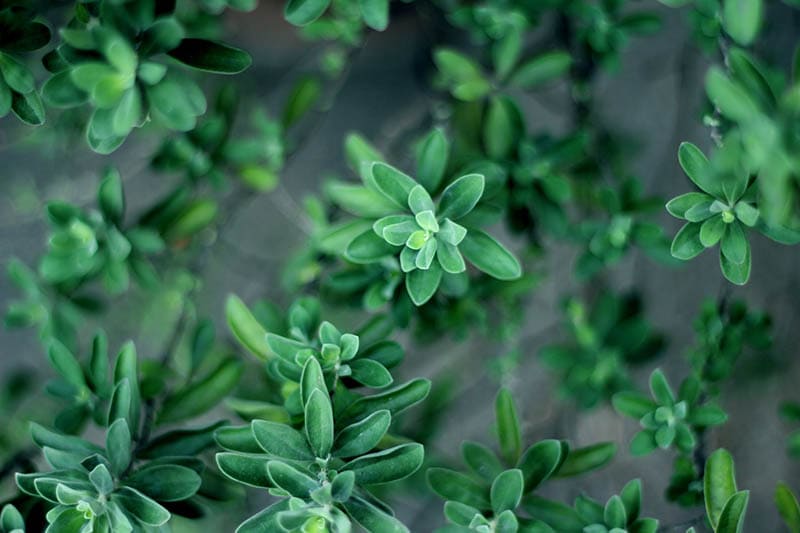
Thyme is not toxic to cats and has many benefits for them. It is a good source of fiber, antioxidants, vitamins, and minerals. It can support the immune system and improve your cat's digestive health.
Add small amounts to your cat's diet so your pet can enjoy the benefits of this aromatic plant.
11. Rosemary
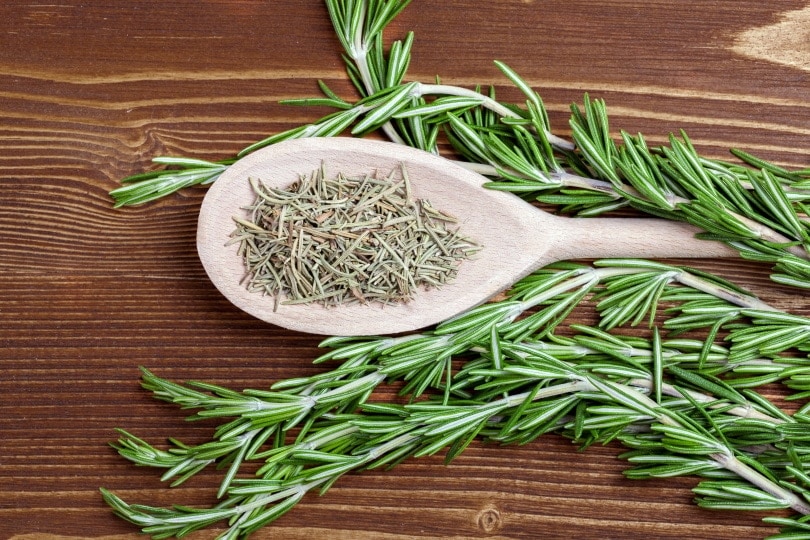
Rosemary is not toxic to cats. It has a multitude of benefits for your cat's body, containing large amounts of antioxidants, vitamins, and minerals. Rosemary can improve your cat's digestion and protect them from free radicals.
Sprinkle a small amount of rosemary over your cat's food so they can enjoy the beneficial effects. Rosemary consumed in large quantities can lead to gastrointestinal problems, such as vomiting, diarrhea, abdominal pain, or depression.
You can also prepare a rosemary infusion: a spoonful of rosemary in a cup of boiling water left to infuse for 15 minutes. It can help treat mosquito or fly bites. After the infusion has cooled to room temperature, put it in a spray bottle, and spray the affected area.
12. Dill

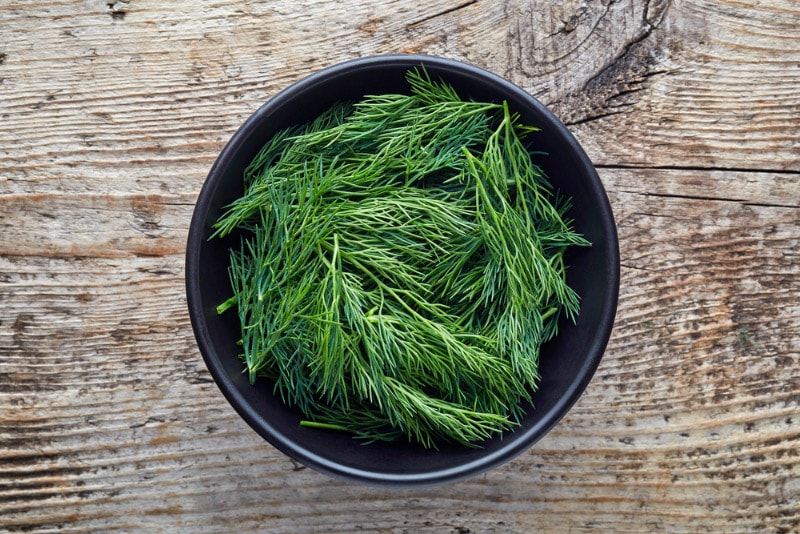
Dill is safe for cats to consume. However, it should not be fed to cats regularly because while it contains antioxidants and vitamins, it is not that nutritious for them.

Conclusion
Cats are curious animals that explore their surroundings with their mouths, in addition to their other senses. Not all plants are toxic for them, though, just as not all plants are safe for them. Dill, cat thyme, thyme, silver vine, catnip, valerian, basil, echinacea, calendula, and licorice root are a few of the herbs that are safe for cats to consume. Witch hazel is potentially toxic if swallowed, but it can be safely applied to the skin if your cat suffers from acne. However, talk to the veterinarian before giving even a safe herb to your cat, and be sure to watch if clinical signs appear or if your cat changes their behavior afterward.
Sources
Featured Image Credit: bigacis, Shutterstock
Get Hepper In Your Inbox


Pet care tips from our vets and experts, straight to your inbox.
You may opt-out at any time. View our Privacy Policy for more information.
Iulia Mihai is a veterinarian with more than 13 years of experience in pet pathology, laboratory, and cancer. She studied at the University of Agronomical Sciences and Veterinary Medicine of Bucharest, Romania Iulia earned a master’s degree in equine and pet pathology and studied epithelial cancer for her Ph.D. Dr. Mihai's passions for internal medicine and parasitology inspired her to volunteer at the faculty’s clinic in her third year of college. She has worked in a couple of veterinary clinics over the years as an internal medicine specialist, and loves to write and educate pet parents about pet nutrition, behavior, and diseases.
Iulia is a passionate veterinarian with a strong affinity for veterinary parasitology, internal medicine, and laboratory. She is excited to share her experience and knowledge with pet owners around the world through her writing and hopes to educate people on pet nutrition, diseases, and behavior.
Education
Iulia graduated from the University of Agronomical Sciences and Veterinary Medicine, Bucharest, Romania, in 2012 and has a Master’s degree in Small Animals and Equines Pathology and is certified in HAACP food safety system implementation. Iulia started her Ph.D. in epithelial cancer in dogs and cats in 2013. Her research is published in national and international veterinary journals.
Experience
Dr. Iulia has been a veterinarian for more than 14 years. She is experienced in animal pathology and laboratory and has experience with exotic animals, such as pet rats and ferrets. She also has skills in the field of clinical pathology, laboratory, microscopy, cancer, and imaging.
Join the conversation
Ask a question, share your story, or send private feedback.