Hepper is reader-supported. When you buy via links on our site, we may earn an affiliate commission at no cost to you. Learn more.
How Common Is Cat Scratch Fever (Cat Scratch Disease)



In this article
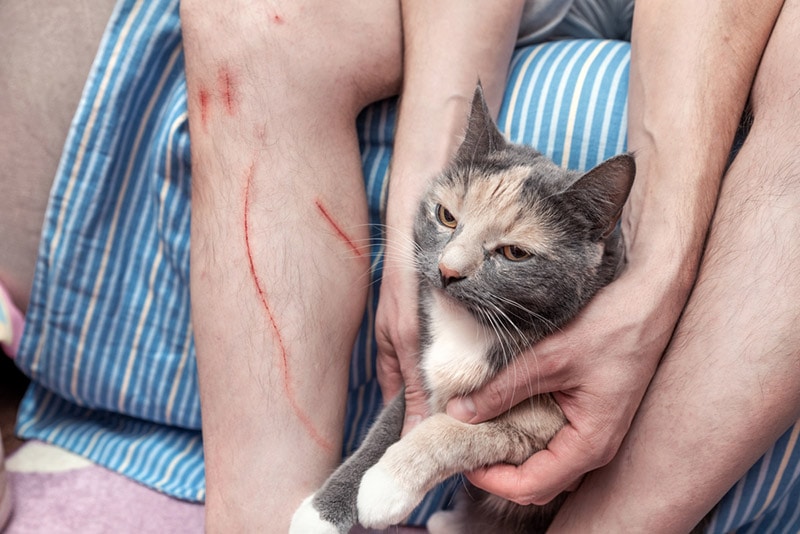
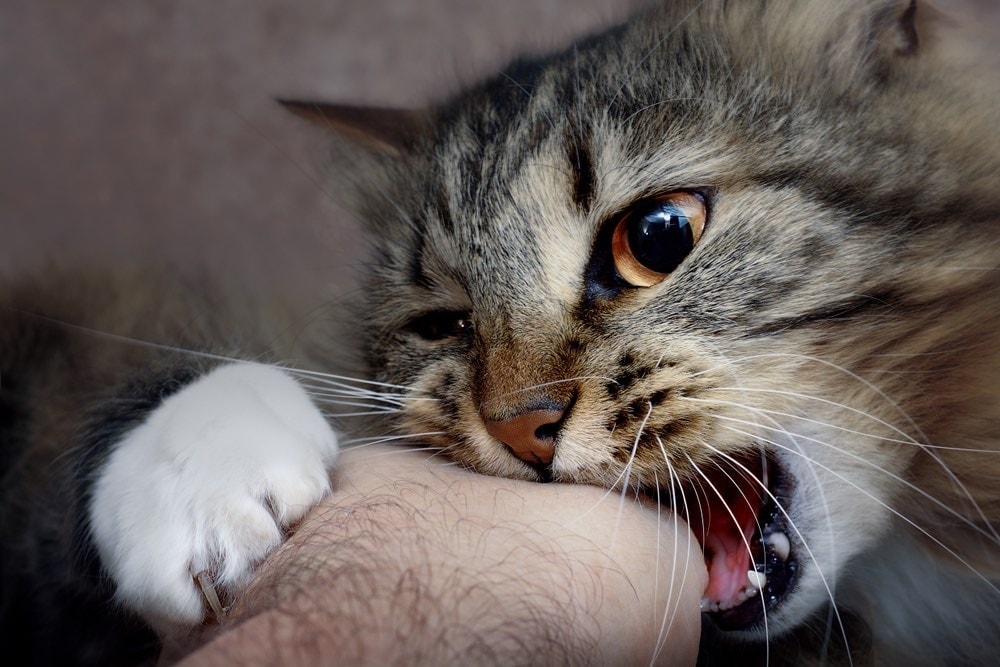
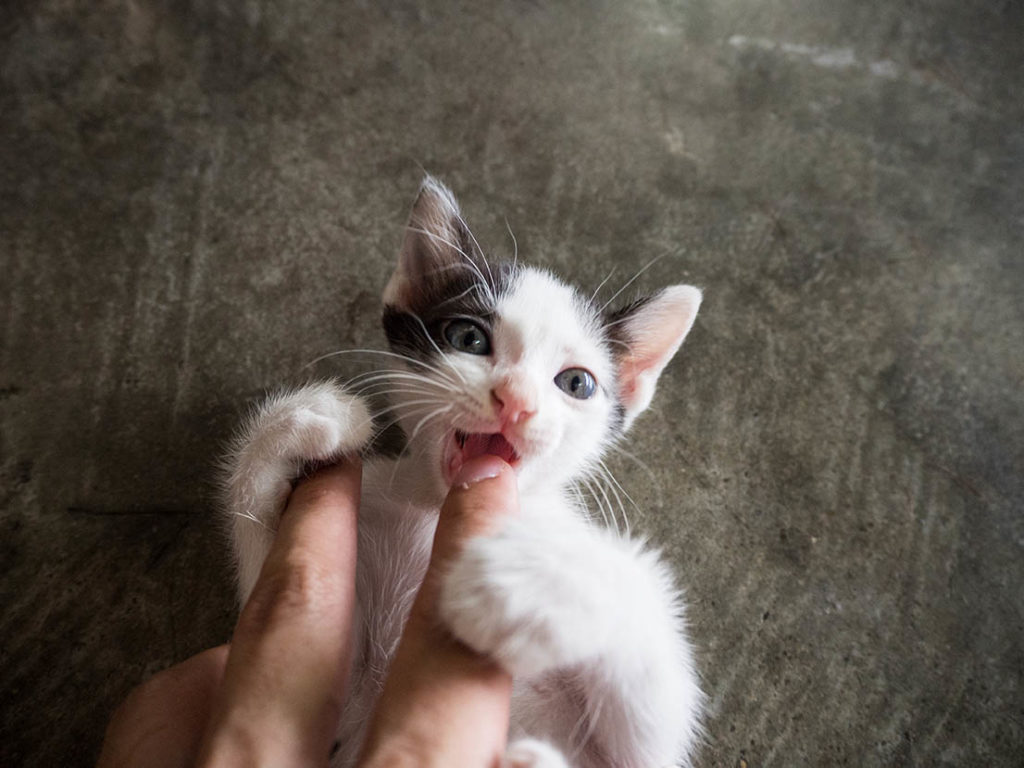
Cat scratch fever, or cat scratch disease (CSD), is an infection that humans can get from the bite or scratch of a cat. The infection is caused by Bartonella henselae bacteria, and it can sometimes progress to severe disease. According to the Cornell Feline Health Website, a study released by the CDC listed the risk of CSD as 0.005%, or 4.5 out of every 100,000 people.1 While this is a low risk, continue reading to learn more about risk factors and what to monitor for.
Important: This information has been fact-checked by a veterinarian and is meant to serve informative and educational purposes; it is not a medical recommendation or advice. Anyone concerned about a possible infection should consult a doctor for an evaluation of their case and appropriate treatment as necessary.

What Is Cat Scratch Disease?
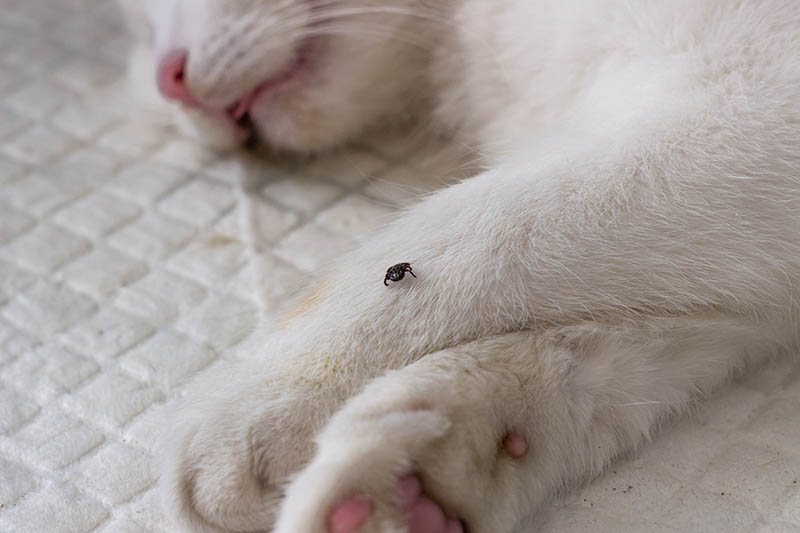
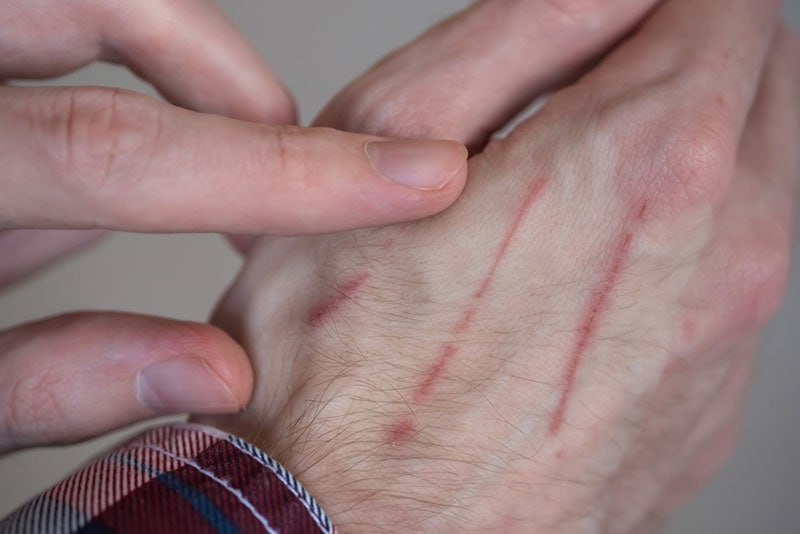
CSD is caused by getting infected with Bartonella henselae. These bacteria are first transmitted to the cat via flea bites. Cats then become carriers and can pass them to people or other animals through their saliva when they bite them. Scratch injuries can get infected if the cat’s claws carry flea feces. That may sound gross, but it can happen when a flea-infested kitty scratches themselves.
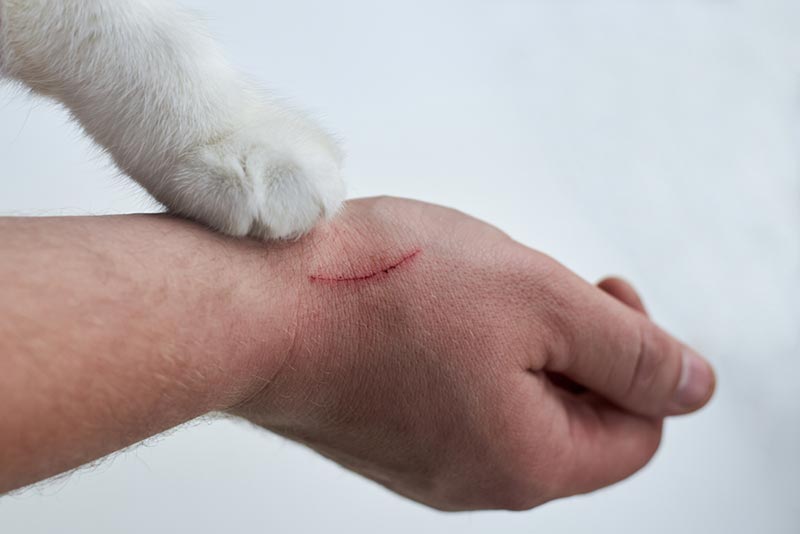
CSD can also be spread by a cat’s saliva getting into a person’s open wound. The damage produced by the cat biting or scratching has to be severe enough to break skin. The bacteria will then affect both the immediately surrounding tissues and can sometimes get into the bloodstream, causing severe disease.
Incidence and Those at Highest Risk
The CDC released a study evaluating approximately 40 million health insurance claims listing CSD as the cause of medical treatment. It reported that between 2005 and 2013, there was, on average, an annual incidence of 4.5 cases out of every 100,000 people.
The study found that people at highest risk were those who lived in the southern states (6.4 cases per 100,000 people) and children aged 5–9 years old (9.4 cases per 100,000 people); 55% of those hospitalized were less than 18 years of age.
It’s estimated that of those diagnosed with the disease every year, about 12,000 can be treated on an outpatient basis, and only about 500 people will need to be hospitalized and treated.
That said, the study only evaluated individuals who were younger than 65 years old. Therefore, these numbers may or may not be reflective of an entire population, especially immunocompromised elderly individuals.
What to Monitor For
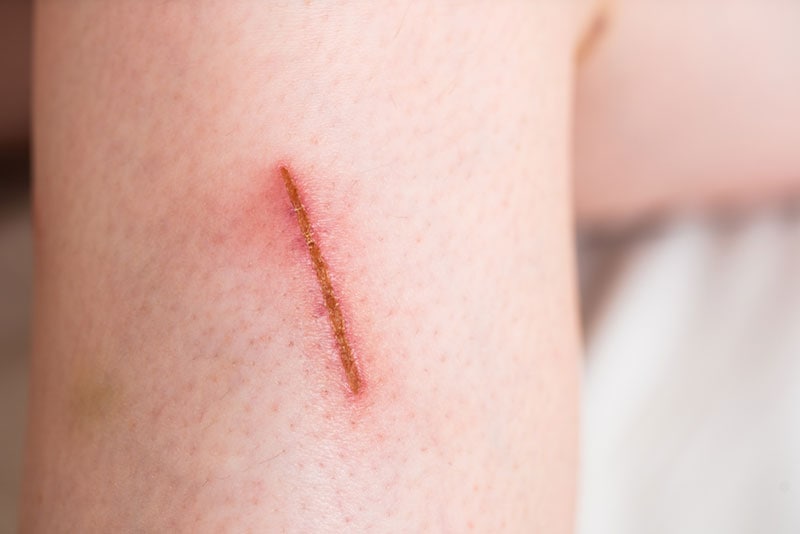
If you have been bitten or scratched by a cat, one of the most obvious abnormalities will be an enlargement of the lymph nodes nearest the wound site (referred to as lymphadenopathy). The immediate surrounding tissue will also likely become red, inflamed, and painful. A localized infection or a small raised swelling similar to a pimple at the wound site may develop.
As the name of the disease states, affected people may develop a low-grade fever, headache, and body aches. Most people will have mild symptoms. However, some people will develop a severe reaction, requiring aggressive care and hospitalization.
Treatment
The cost of treatment is not cheap! Per the study, it’s estimated that the total annual cost of CSD-affected people treated as outpatients is $2,928,000.00. Those treated as inpatients are estimated to have an annual cost of $6,832,000. This equates to approximately $244/patient as an outpatient and $13,663.00 as an inpatient (including follow-up care). Therefore in the U.S., it’s estimated that CSD costs $9,760,000 yearly.
Treatment consists of antibiotics and local wound care. If you get bit or scratched by a cat, you should immediately clean out the wound and contact your doctor. Depending on how bad the wound is, the condition of the cat, and where the injury occurred, your doctor may choose to immediately put you on antibiotics. Other times, they may have you monitor the area for a few days. For instance, if you get bit or scratched near or over a joint or mucous membrane (eyes, nose, mouth, etc.), you should contact your doctor immediately. These areas can be more prone to developing both localized and serious systemic infections.
Some people will develop serious infections that may affect the brain, eye, or heart and require hospitalization, IV antibiotics, and aggressive care. Other affected people may do fine with oral antibiotics and pain medications.
Severe Cases
Although rare, some cases of CSD may progress to severe abnormalities. These include neuroretinitis (inflammation of the optic nerve and retina causing blurry vision), Parinaud oculoglandular syndrome (infection of the eye), osteomyelitis (infection within the bone), encephalitis (brain disease that can result in brain damage or death), and endocarditis (infection of the heart that can lead to death).
As with many other types of pathogens, CSD can severely affect those individuals who are already immunocompromised. In other words, the person’s immune system is not healthy and working efficiently or is already struggling to fight against another condition. We can see this issue in cancer patients, individuals with AIDS, those who have received an organ transplant, etc.
Conclusion
There is a very low risk of contracting and developing CSD, but it is not unheard of. While the majority of cases appear to affect children, immunocompromised and elderly people are not without risk. If you get bit or scratched by a cat, it’s best to immediately clean the wound and contact your doctor about the recommended next steps.
Related Read: Do Kittens Grow Out of Biting & Scratching Behaviors?
Sources
Featured Image Credit: Nils Jacobi, Shutterstock
Get Hepper In Your Inbox


Pet care tips from our vets and experts, straight to your inbox.
You may opt-out at any time. View our Privacy Policy for more information.
Nicole is a lover of animals of all sizes but is especially fascinated with the feline variety. She’s the proud mom of Baby, a Burmese, and works every day so he can relax in the sunshine or by the fire. She’s always had a cat in her home and has spent countless days with others, observing behaviors and softening up even the grouchiest of the lot. Nicole wants to share her kitty expertise with you so you and your cat can live happy, healthy, and care-free.
Join the conversation
Ask a question, share your story, or send private feedback.