Hepper is reader-supported. When you buy via links on our site, we may earn an affiliate commission at no cost to you. Learn more.
How Clean Is a Cat's Mouth Relative to Dogs and Humans? Vet-Reviewed Facts


In this article
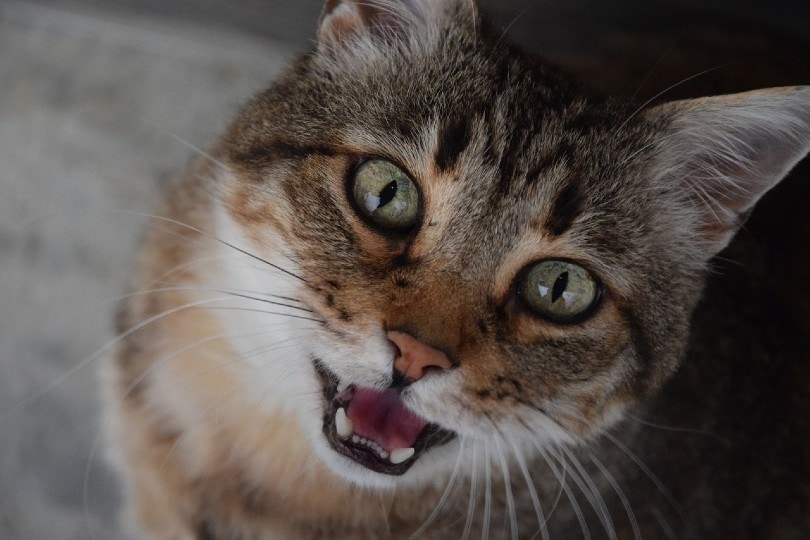
With their habit of keeping themselves in pristine condition, cats are generally seen as cleaner than dogs. Many people assume that their mouths are also cleaner than those of dogs and humans. While this might be true on occasion — directly after a teeth cleaning, for example — cats have the same number of bacteria as dogs and humans.
How clean pets’ mouths are is widely debated, though, and many people see no problem with letting their pets lick their faces. To help clear the air and answer a few of your questions, we put together this guide to tell you why letting your cat lick your face might not be the best idea.

How Clean Is a Cat’s Mouth?
It’s not easy to answer whether a cat’s mouth is cleaner than a dog’s or a human's. While dogs are generally considered dirtier due to their habit of raiding the kitty litter, picking up sticks in the yard, and other mischief, cats are more reserved and tend to stay indoors.
However, it’s important to remember that cats aren’t as clean as they may appear. They might keep their coats sleek and shiny, but what many people forget is they have unpleasant hygiene standards of their own.
Before your cat’s grooming ritual, they wandered around the yard or house and probably used the litter tray. Whatever grime, debris, and other germs that they clean off their feet will end up in their mouth.
There was an unofficial study about the issue submitted to the California State Science Fair in 2002 by E. Jayne Gustafson. The results showed that cats had fewer bacteria in their mouths than dogs and more than humans, but the study itself wasn't peer-reviewed. As a result, it’s hard to say how thoroughly the study was conducted.
Are Cat Kisses Safe?
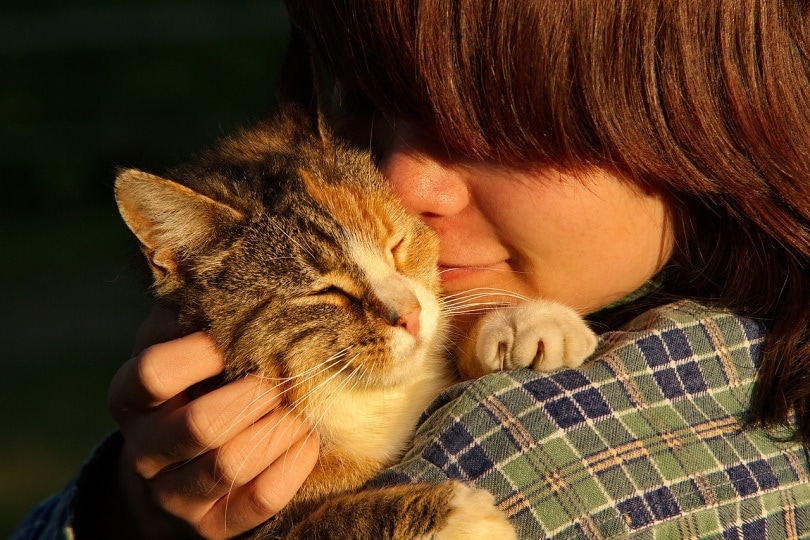
The bacteria in a cat’s mouth are similar to those in a human’s. However, there are many more things to consider when it comes to kissing your cat or letting them kiss you.
Many of the germs that cats carry can’t be passed on to humans. You won’t, for example, catch a cold if you kiss your cat when they’re sick, although you can pass it to your healthy kitty if you kiss them next.
There are several zoonotic diseases that are transmittable between pets and humans, though:
- Staphylococcus
- Pasteurella
- E-coli
- Salmonella
- Ringworm
- Cat scratch fever
- Parasites
While not all of these diseases are transmitted through saliva, not allowing your cat to kiss you and having good hygiene habits like regularly washing your hands, cleaning the litter box, and getting your cats checked for parasites is a must. You can reduce the risk by regularly cleaning their teeth, as well as having regular vet checks. While it can be challenging, it’s safer to avoid kissing them on the mouth or allowing them to lick your face.
Why Do Bite Wounds Get Infected?
No matter what you get bitten by, if the cat, dog, or human breaks the skin, the wound is at risk of developing an infection if it’s not treated. The mouth, whether it belongs to a cat, dog, or a human, contains a high level of bacteria. These bacteria transfer to the bite wound and increase the risk of infection if the wound isn’t cleaned thoroughly.
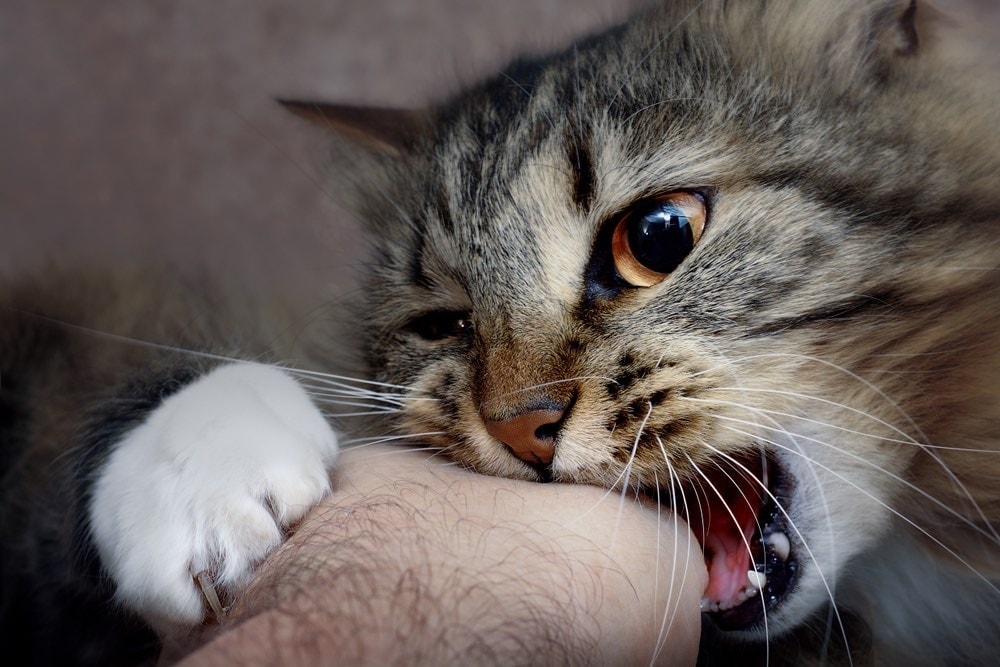
Cat Bites
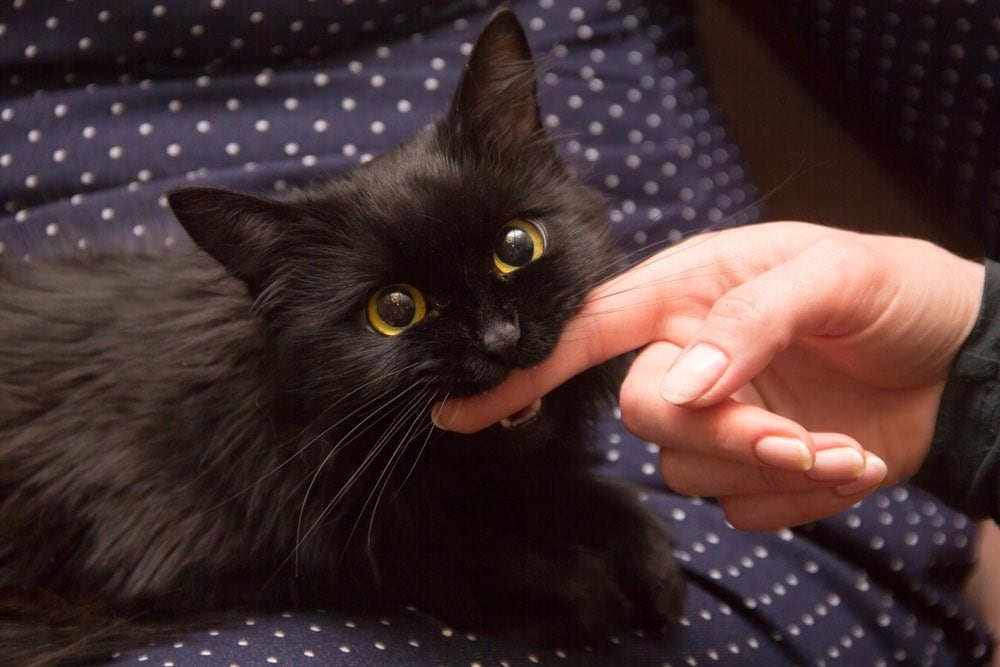
Compared to dogs, cats don’t damage the skin much when they bite you. Since their teeth are small and can only cause puncture wounds, many people don’t consider a cat wound serious enough to go get treated.
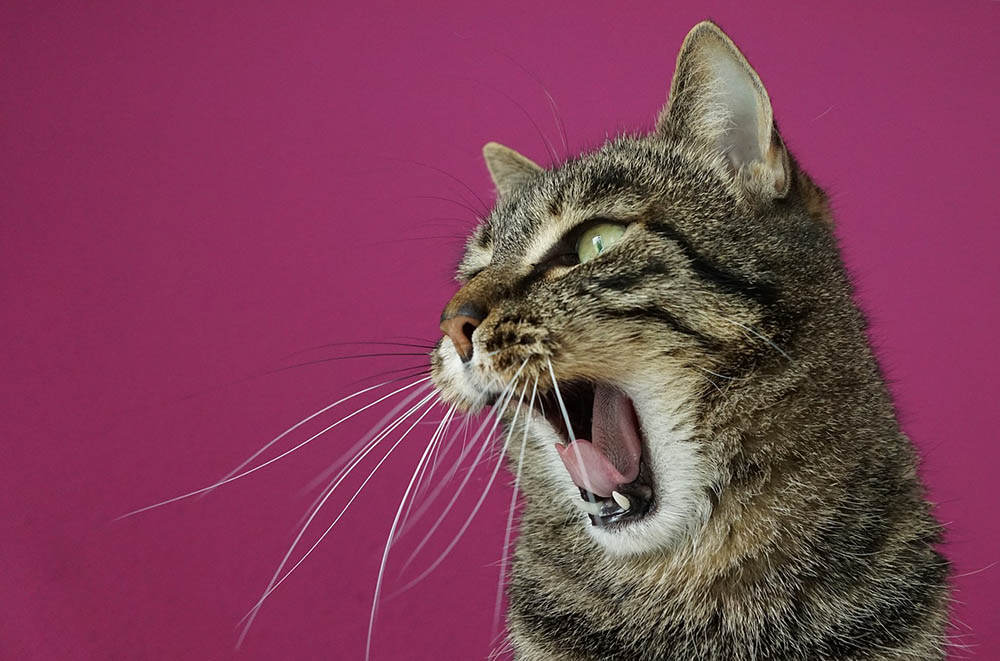
However, despite their renowned cleanliness, cats can carry bacteria just as dogs and humans can. One particular bacterium, called Pasteurella multocida, causes most of the infections in cat bites.
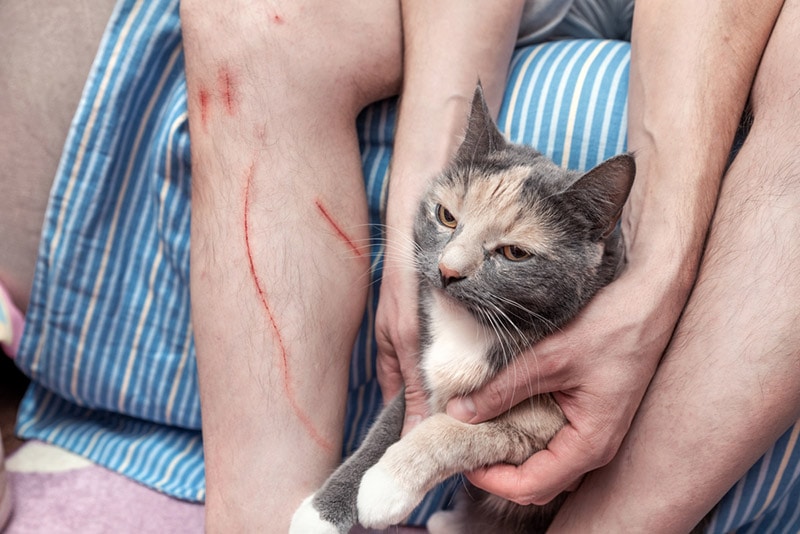
Although the tiny puncture wounds that your cat can leave on your arm will heal much faster than the mess a dog could leave behind, the quicker healing is more likely to trap bacteria inside the wound, causing an infection or abcess. This is why it’s important to thoroughly clean out a cat bite, even if it doesn’t look like it needs it.
Dog Bites
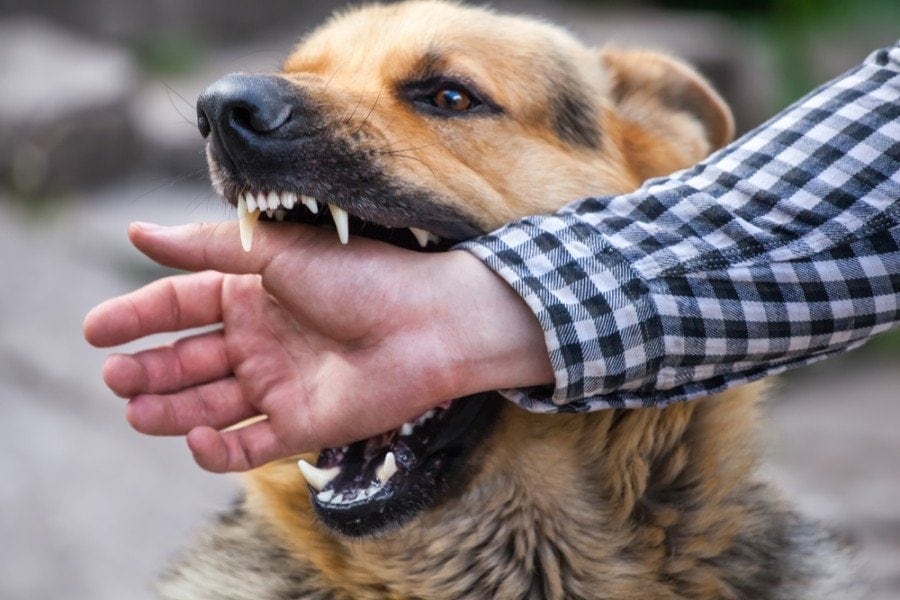
Generally, dog bites are more severe than bite wounds from a cat. Their teeth are larger, and wider, and they can cause more damage beyond the simple puncture wounds that cats are known for. A dog's bite has a “hole and tear” effect. As the dog bites down, their canines hold the person or prey still while the other teeth tear the skin. This leads to both crush injuries and lacerations.
Due to the obvious damage caused by dog bites, even from small breeds, they’re usually treated far more quickly than bites from humans or cats. This could be linked to the fact that there aren’t as many cases of dog bites becoming infected, with only 3–18% compared to a cat’s 28–80%.
Human Bites
Usually, humans don’t go around biting other people. Such cases are often a result of children fighting with other children or an otherwise accidental knock against someone’s teeth, like a misjudged punch. Human bites, accidental or not, can still cause a great deal of pain due to infections.
Even with good oral hygiene, our mouths carry bacteria that can get trapped in bite wounds. This includes if the bite wasn’t intentional at all. In fact, one-third of hand infection cases were caused by bites from other humans.
How to Clean Bite Wounds From Pets
Most bite wounds should be treated by a medical professional. Less severe wounds can be treated at home, provided that they’re cleaned thoroughly and the dressings are changed regularly.
For bites in sensitive locations, like the face or neck, it’s best to get professional help. The same goes for wounds that start showing signs of infection. Redness, swelling, itchiness, heat, and discharge are all signs that you or your pet need medical attention.

Conclusion
Many pet owners consider cats cleaner than dogs simply because they groom themselves more often than dogs do. Their mouths, however, still contain the bacteria that can lead to infections if they get trapped in a bite wound.
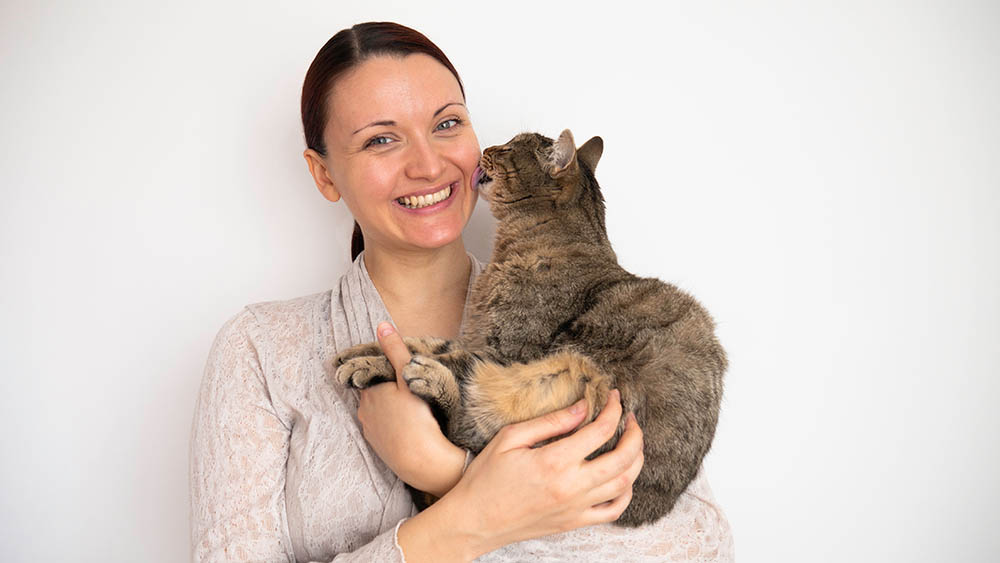
It is also not a good idea to let your cat lick your face. While they cannot give you the flu or a cold, they can pass on parasites, bacterial, and viral infections. Play it safe, and wash your hands after playing with your cat. Avoid encouraging their habit of licking your face or open wounds.
Related Reads:
Get Hepper In Your Inbox


Pet care tips from our vets and experts, straight to your inbox.
You may opt-out at any time. View our Privacy Policy for more information.
Nicole is a lover of animals of all sizes but is especially fascinated with the feline variety. She’s the proud mom of Baby, a Burmese, and works every day so he can relax in the sunshine or by the fire. She’s always had a cat in her home and has spent countless days with others, observing behaviors and softening up even the grouchiest of the lot. Nicole wants to share her kitty expertise with you so you and your cat can live happy, healthy, and care-free.
Join the conversation
Ask a question, share your story, or send private feedback.