Hepper is reader-supported. When you buy via links on our site, we may earn an affiliate commission at no cost to you. Learn more.
My Cat Killed a Bat! 5 Vet-Approved Tips on What to Do Next


In this article
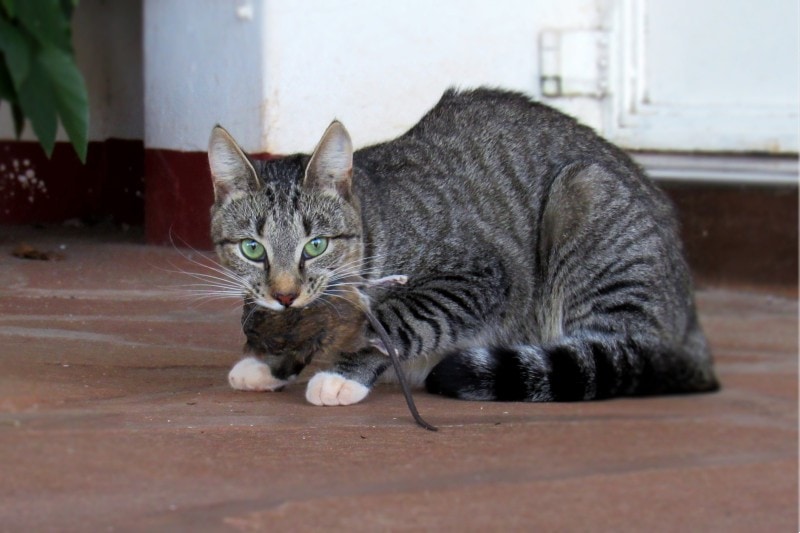
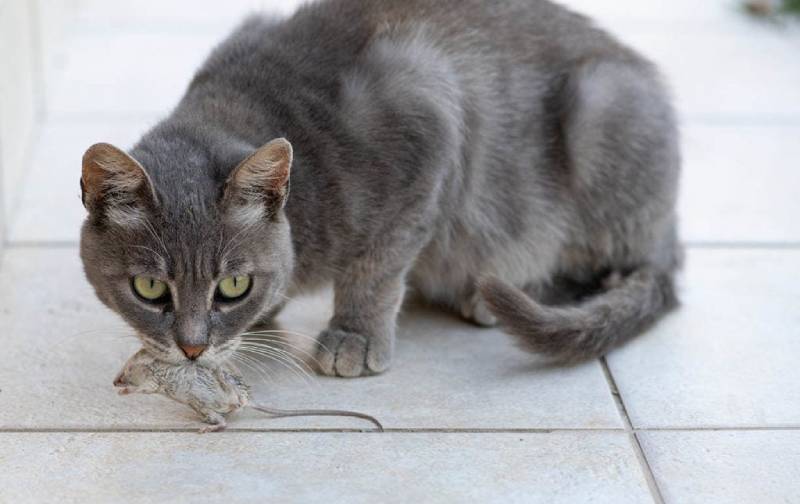
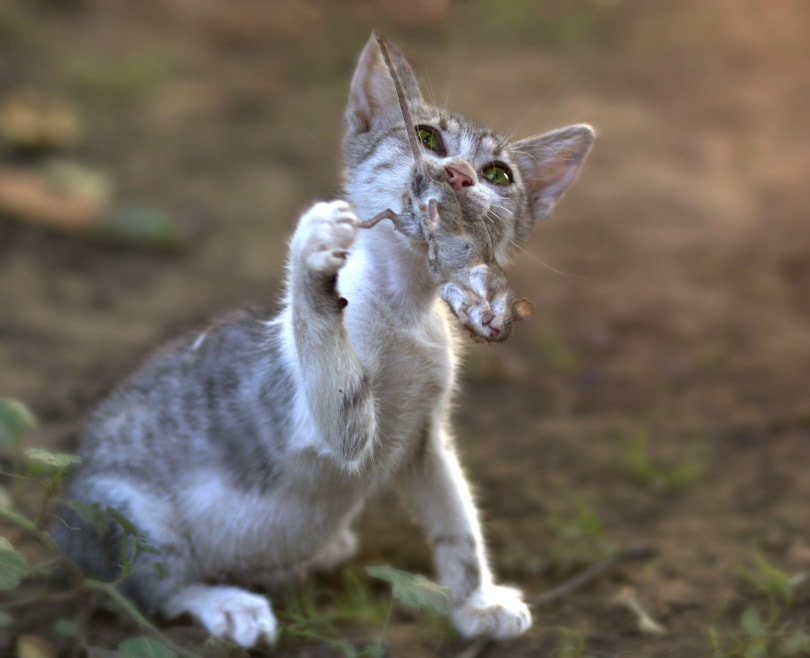
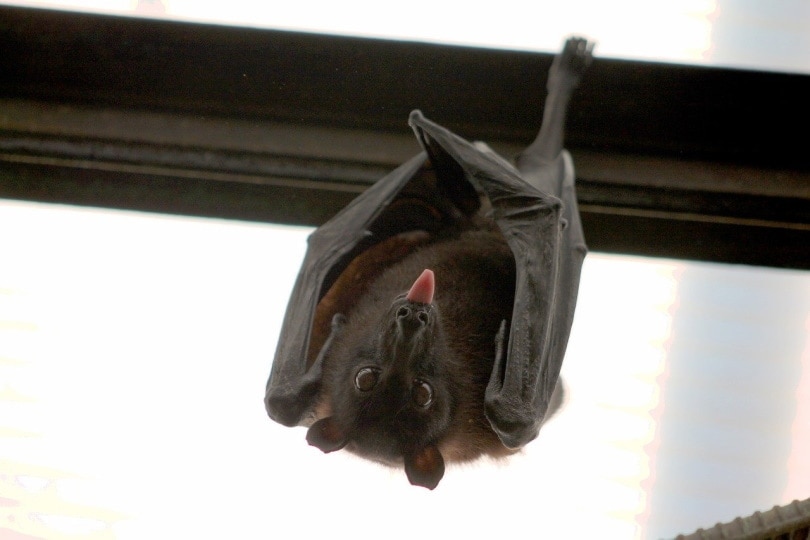
Despite their love for canned tuna and soft beds, cats are still one of nature’s finest predators. They’ll hunt anything and everything they can, whether that’s your hand, a mouse toy, or, given the chance, small live animals like bats.
Coming home to a dead bat next to your smug cat can be shocking, but try not to panic. In most cases, your cat will likely be safe after killing a bat, but some important considerations and precautions must be taken. Contact your veterinarian and a doctor immediately, who will advise you on the next steps to protect your health and your cat’s, particularly from rabies.

The 5 Things to Do After Your Cat Kills a Bat
Bats are known to carry infectious agents like rabies, ebola, coronavirus, salmonellosis, leptospirosis, and many more, so keep the following precautions in mind:
1. Keep Everyone Else Away From Your Cat and the Dead Bat
First, quarantine your cat and keep other pets away from the dead bat. This can be as simple as shutting your cat in a separate room or putting them in a cat carrier or crate.
You don't want other household pets trying to play with the dead bat or attempting to eat it, nor do you want to risk your cat accidentally scratching a family member while playing with them.
2. Secure the Bat Carcass Carefully.
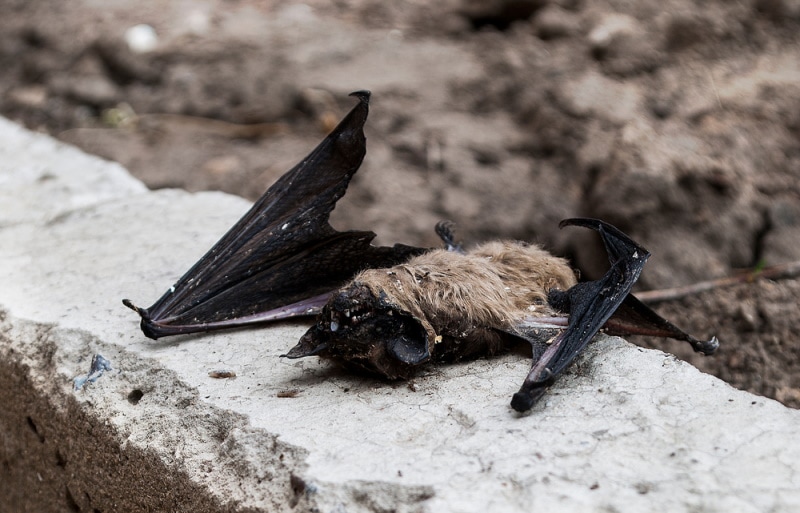
Your first instinct may be to throw away the bat but refrain from doing so. For one, improper handling can spread existing germs from the bat to other surfaces. Scavenging animals can get into trash cans, further spreading the pathogens.
In addition, the dead bat should also be tested for rabies so you can be sure that your cat (and family) isn’t at risk. Local wildlife experts may also want to retrieve the bat for further examination.
Instead, contain it as carefully and quickly as you can, do the following:
3. Call for Professional Assistance.
After securing the dead bat, contact the relevant authorities.
Depending on your location, this may be:
Some states even have an official bat reporting website, such as this one for Oregon. You can also call a local bat rescue for help. They'll be able to advise you on the best way to handle the bat and, in many cases, arrange for retrieval and testing of the bat.

4. Call Your Vet and a Medical Professional.
Bats are currently the leading cause of rabies in the US, and while not all bats carry the virus, it's a risk you don't want to take lightly.1 There's also no way of knowing what happened while your cat was hunting down the bat; they may have been scratched or bitten.
Even the tiniest wound from a rabies-infected bat can lead to transmission of a fatal illness. Call your vet as soon as possible and discuss the likelihood of rabies exposure. Depending on your cat's age and vaccination history, they may require additional boosters or quarantining at home.
Your vet can also check your cat for other injuries and recommend the safest course of action for you and your cat. However, they will also strongly advise you to contact your doctor immediately to protect your health.
Finally, if you or any other family members were in the vicinity when this incident happened, your doctor may recommend rabies post-exposure prophylaxis (PEP). This course of vaccinations and human rabies immune globulin can prevent infections in case of exposure.
5. Look Out for Any Changes in Your Cat's Behavior.
Monitor your pet for any changes in their behavior or health over the next 45 days if they are up to date with their rabies injections or for as long as 4 months if they are not. However, it's best to follow your veterinarian's advice.
Note warning signs like:
If you notice any of these signs or even if you just think your cat isn’t quite right, take your cat to the vet immediately.


The 4 Ways to Protect Your Cat from Bats (and Vice Versa)
Bats and cats don't have a natural prey/predator relationship. Bats are predators themselves, and their primary prey is insects, most of which are pests. Some studies have found that pest consumption by bats saves the agriculture industry around $3 billion a year. They also assist in pollination and seed dispersal for many plant species.
On the other hand, cat attacks are responsible for many bat deaths and injuries. Pet cats, in particular, do it for fun. Therefore, it's in the best interest of your cat and the local bat population to manage the situation correctly. Use these tips:
1. Keep your cat strictly indoors.
Keeping your pet inside is the most effective way to prevent wildlife-related incidents. Indoor cats are less prone to accidents and injuries and are much better protected from the elements.
2. Keep your cat indoors at night.
If you don't want to keep your cat indoors 24/7, consider bringing them in at night. Bats typically emerge from their roosts 2 to 3 hours after dusk to hunt and feed. After that, they'll fly home to sleep.
Bring your cat in half an hour before sunset and secure them indoors for at least a few hours after. This should minimize the opportunities your cat has to hunt bats.

3. Attach a bell to your cat's collar.
Adding a bell to your cat's collar can alert bats and other wildlife of their presence. That way, if your cat tries to hunt, the bat has more time to fly away and avoid contact.
4. Bat-proof your home and property.
Bats are drawn to dark, quiet places like cavities in trees or man-made structures. It's common for bats to find their way into homes and other buildings, often through cracks in the walls or crevices around windows.
If your cat caught a bat from a hidden roost in your house, call a professional as soon as possible. They can safely remove the bats, seal any entry points, and help you prevent further incidents.
Reduce bat attractants in and around your property as well. For example, keep compost and food waste away from the house, clean up spilled birdseed, and keep pet dishes covered.
In Conclusion
It's impossible to suppress your cat's hunting instincts unless they are kept indoors, but knowing what to do if your cat kills a bat can reduce the risk of rabies, infections, and other injuries that can result from the encounter.
Act fast when you discover your pet has attacked or killed a bat. Keep everyone else away from the area, secure your cat, and carefully secure the carcass. Then, call your vet, a doctor, and a relevant wildlife agency for further instructions.
At the same time, bats are protected by law and are essential to our ecosystem. Taking steps to protect them from cats is ethical and responsible. Remember to keep your pet indoors, especially in the evening, and bat-proof your home to prevent wildlife encounters.
Sources
Featured Image Credit: jochemy, Pixabay
Get Hepper In Your Inbox


Pet care tips from our vets and experts, straight to your inbox.
You may opt-out at any time. View our Privacy Policy for more information.
Nicole is a lover of animals of all sizes but is especially fascinated with the feline variety. She’s the proud mom of Baby, a Burmese, and works every day so he can relax in the sunshine or by the fire. She’s always had a cat in her home and has spent countless days with others, observing behaviors and softening up even the grouchiest of the lot. Nicole wants to share her kitty expertise with you so you and your cat can live happy, healthy, and care-free.
Join the conversation
Ask a question, share your story, or send private feedback.