Hepper is reader-supported. When you buy via links on our site, we may earn an affiliate commission at no cost to you. Learn more.
Will Cats Eat Rat Poison? Vet-Verified Health & Safety Guide


In this article
We do not recommend using rat poison around cats. There are many different occasions when cats may be exposed to rat poison used in their environment. For instance, while the average cat probably won’t consume rat poison, they absolutely can. Cats aren’t likely to find rat poison tasty, especially when compared to other animals. However, that doesn’t mean cats will avoid rat poison altogether.
Rat poison is made to taste good. Therefore, it isn’t necessarily odd for cats to find it tasty.
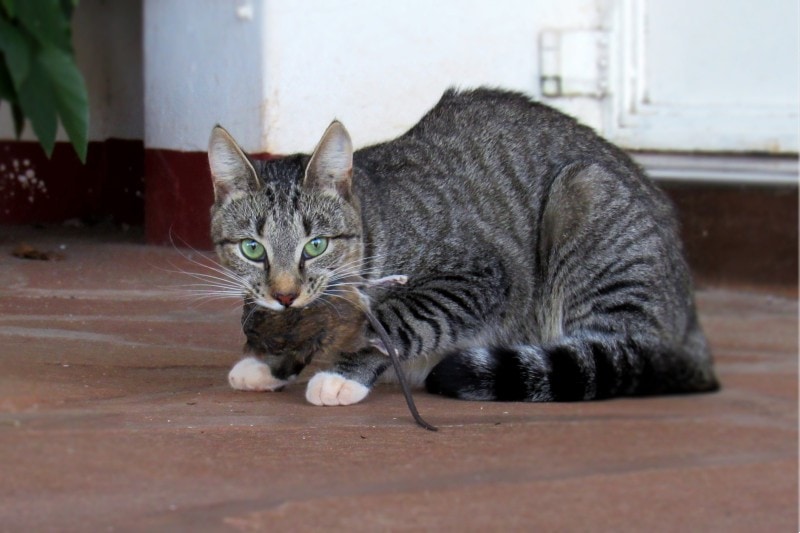
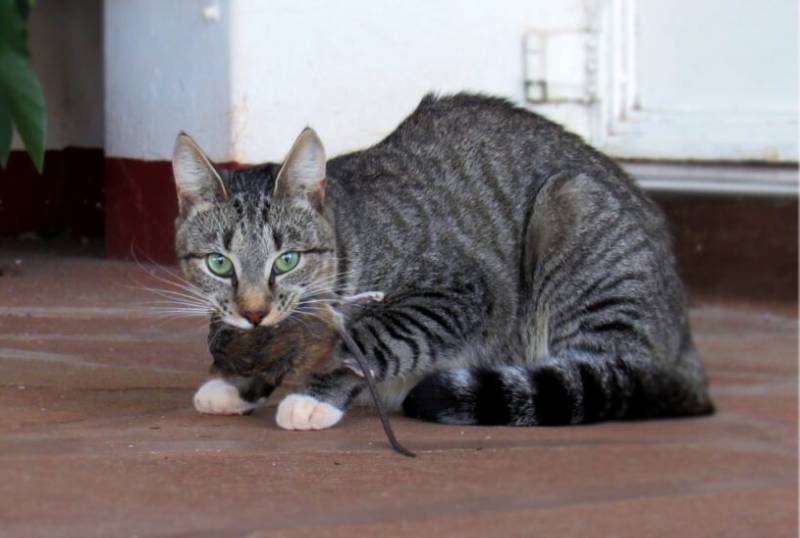
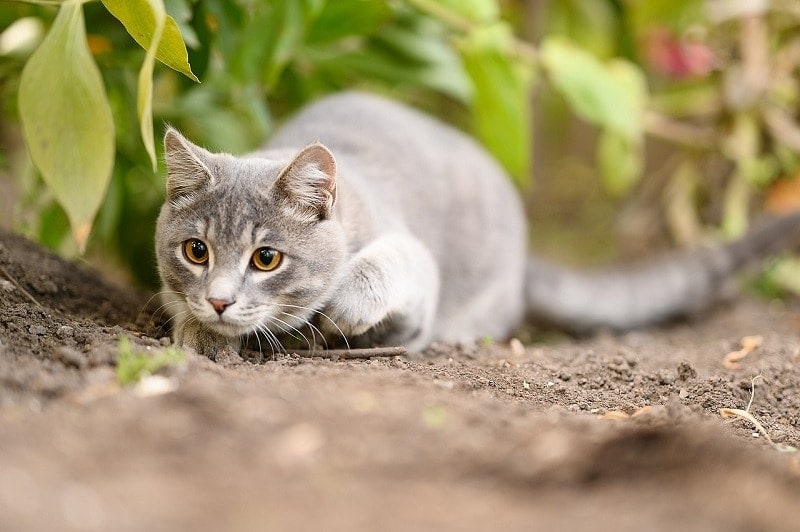
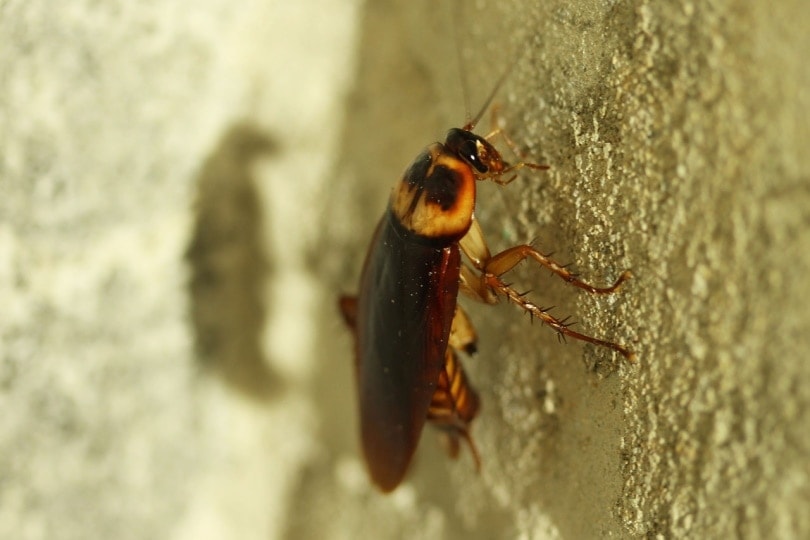
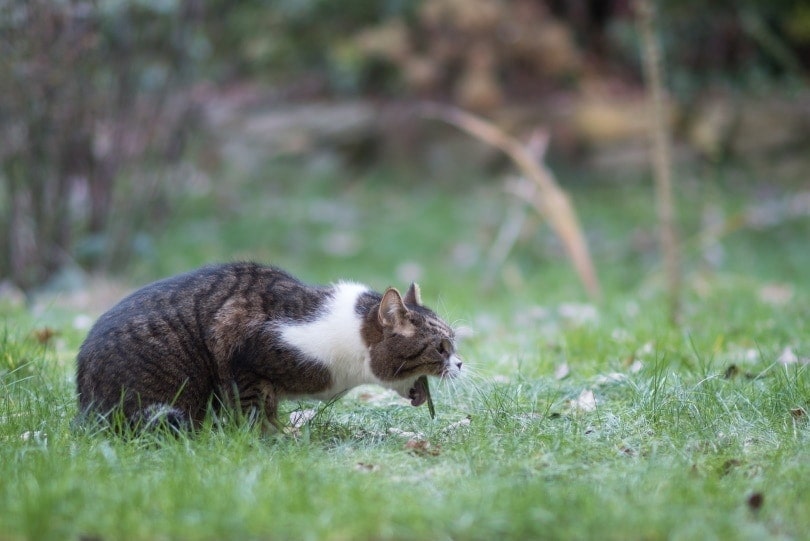
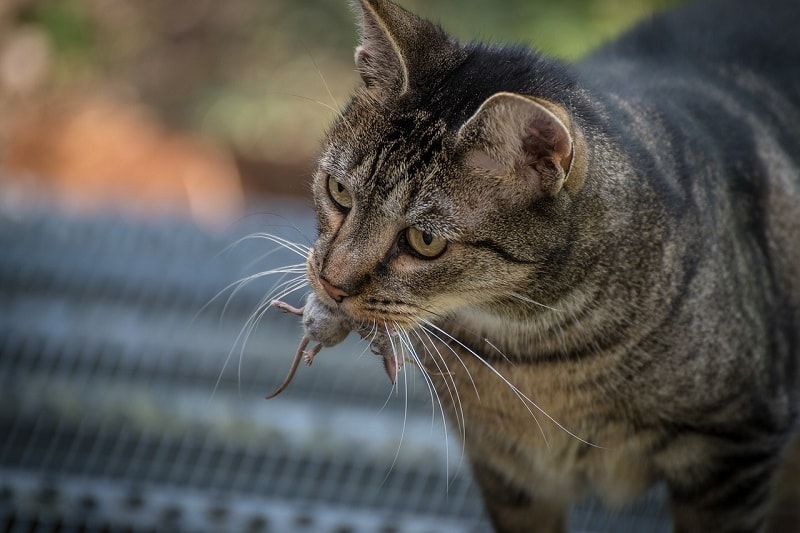
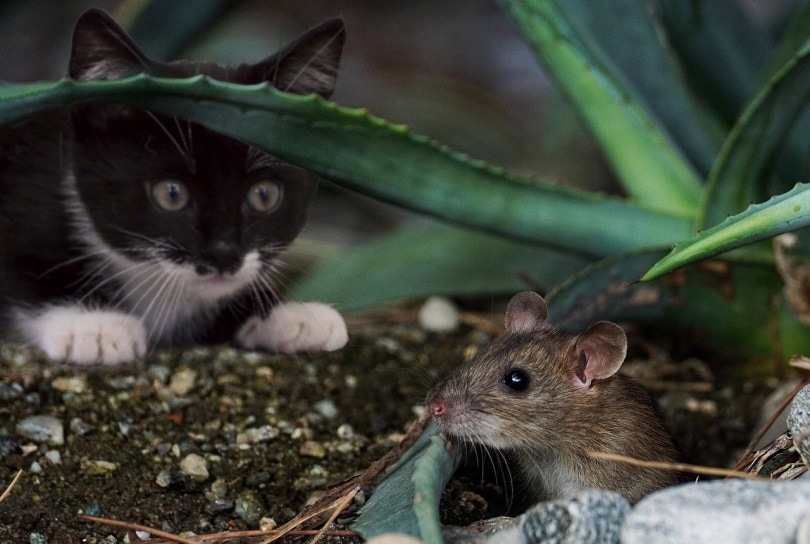
Furthermore, cats can be exposed to rat poisoning by eating the poisoned rats. After consuming the poison, the rats will slowly be affected. Often, this makes them very easy prey for cats, who may decide to eat them. By eating the poisoned rats, the cat will also consume the poison. In the end, this leads to the feline becoming poisoned, too.
Therefore, you don’t just have to worry about the cat directly consuming the rat poison. You have to worry about indirect poisoning, too.
In the end, this often makes using rat poison around cats unsafe. Even if you put the poison somewhere the cat cannot reach, you have to worry about the cat coming into contact with a poisoned rat.

How to Prevent Rat Poisoning in Cats?
The best way to prevent rat poisoning in felines is to not use it. You cannot control where poisoned rats end up, which significantly increases your cat’s chance of indirect poisoning. Consuming a poisoned rat is often just as dangerous as consuming the poison itself. Therefore, you should avoid utilizing rat poisoning as much as possible on your property.

How is Rat Poisoning Diagnosed in Cats?
How rat poisoning is diagnosed depends on the type of poison. After arriving at the vet, you will likely be asked about the type of rat poisoning, which will help the vet provide proper treatment. If you have the package of rat bait, bring it with you to show the vet exactly what was consumed. If you know when your cat consumed the bait, that can be extremely helpful, too.
In most cases, your vet will run some basic tests, such as a blood panel. These tests help your vet see how your cat’s organs are doing. Anticoagulant rodenticide is typically discovered through a blood test, which can let the vet know your cat is anemic (a sign of this toxin).
Bromethalin cannot be discovered through diagnostic testing. Sometimes, blood testing is still done to get an idea of your cat’s overall health. Vitamin D3 can be discovered via bloodwork, as your cat will have elevated calcium and phosphorus levels.
What Happens If a Cat Eats Rat Poison?
Rat poison is toxic to cats, just like it is toxic to rats. It can be extremely deadly and requires fast vet treatment. Even with treatment, many cats will not make it. It depends on the amount of poison the cat consumes and the type of poison.
There are many different poisons on the market that are defined as “rat poison.” However, they don’t all have the same ingredients. Let’s look at the effects of each type of rat poison.
Anticoagulant rodenticide
This toxin often causes signs many days after consumption. Therefore, rats may end up caught by cats between now and showing symptoms. Often, this causes indirect poisoning. Here are the most common signs of a cat being poisoned with anticoagulant rodenticide:
Bromethalin
The signs of this toxin depend on how much your cat consumes. Symptoms often begin right away or after a few hours. Often, they begin with muscle tremors and hyperthermia (no matter the weather). Seizures and death will follow without treatment.
If only a small amount of poison is consumed, then signs may not occur for several days. Often, signs after your cat consumes a small amount of poison include incoordination of limbs, tremors, paralysis, and nerve abnormalities. Your feline’s eyes may not act or look normal. For instance, they may have unequal pupil sizes or strange eye movements.
Vitamin D3
Vitamin D3 is extremely toxic to felines. Therefore, toxic signs can occur at even very small doses. A cat may start to vomit and become lethargic. You may notice your feline drinking more water than usual and urinating more for this reason. At very high amounts, your feline will have seizures and perhaps even die. Therefore, veterinary treatment is necessary as soon as you know your cat has consumed the poison.
Final Thoughts
Rat poisoning is extremely serious in cats. This poison is made to taste good. Therefore, your cat may consume it directly. It’s also possible for your cat to consume a poisoned rat, leading to indirect poisoning.
There are many different types of rat poison and the exact poison your cat consumes and how they have exposed matters. Sometimes, antidotes are available, but many types do not have antidotes. Instead, supportive therapy is provided to prevent complications as much as possible. Fast treatment is vital to prevent problems from occurring.
Sources
Featured Image Credit: B_kowsky, Pixabay
Get Hepper In Your Inbox


Pet care tips from our vets and experts, straight to your inbox.
You may opt-out at any time. View our Privacy Policy for more information.
Kristin is passionate about helping pet parents create a fulfilling life with their pets by informing them on the latest scientific research and helping them choose the best products for their pets. She currently resides in Tennessee with four dogs, three cats, two fish, and a lizard, though she has dreams of owning chickens one-day!
Join the conversation
Ask a question, share your story, or send private feedback.