Hepper is reader-supported. When you buy via links on our site, we may earn an affiliate commission at no cost to you. Learn more.
How Often Do Cats Need Rabies Shots? Expert Facts & FAQ
In this article
Rabies is a very serious disease that can infect both indoor and outdoor cats alike. Luckily, there is a vaccine that offers protection for our furry loved ones. The question is, how often do cats need rabies shots?
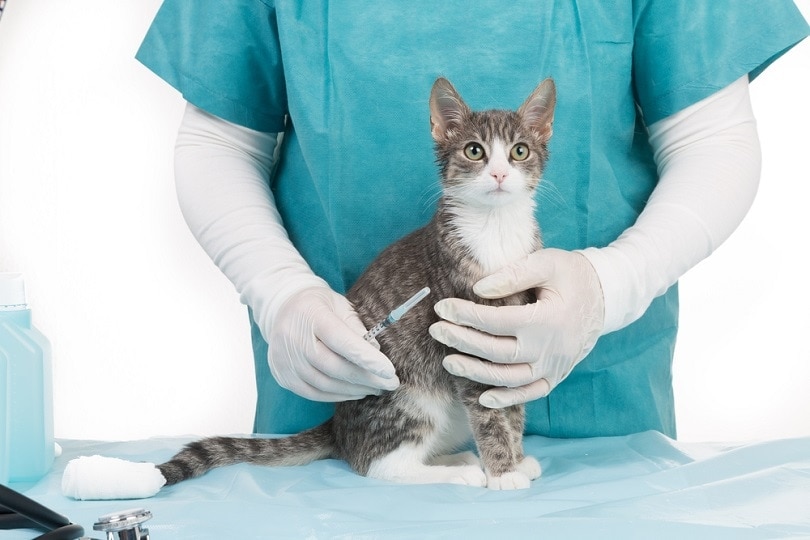
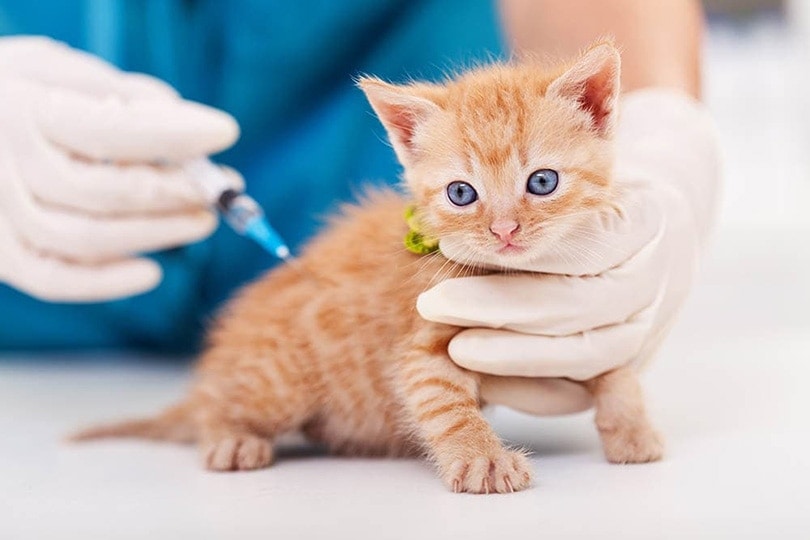
For years, it was recommended that kittens receive their first rabies shot as early as 8 to 12 weeks of age. After that, it was recommended for them to get a booster yearly to keep their protection up to date. Over time, however, it’s become apparent that this protection lasts longer than previously thought. After their original dose and first yearly booster, cats should receive their rabies shots every 3 years to keep them safe from this dangerous disease.
If you’re a cat owner, protecting your companion from the dangers of rabies is imperative. Read on below to learn more about this disease and how you can keep your cat protected from its deadly grasp.

What Is Rabies?
Understanding rabies is the first step in keeping your pets protected from the disease. Cats are one of the top domesticated animals to contract rabies. When this happens, the disease attacks the feline nervous system. This system includes a cat’s brain and spinal cord. With all animals being susceptible to this disease, both indoor and outdoor cats run a high risk of becoming infected if they are not properly vaccinated on schedule. Unfortunately, rabies is considered fatal if it is not treated before symptoms begin to appear.
How Do Cats Contract Rabies?
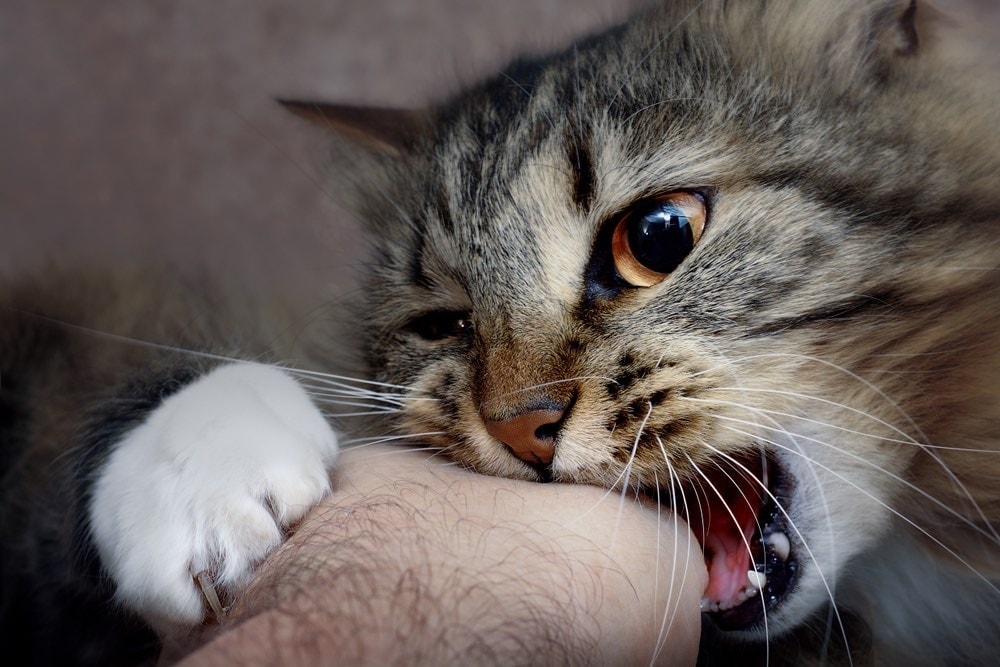
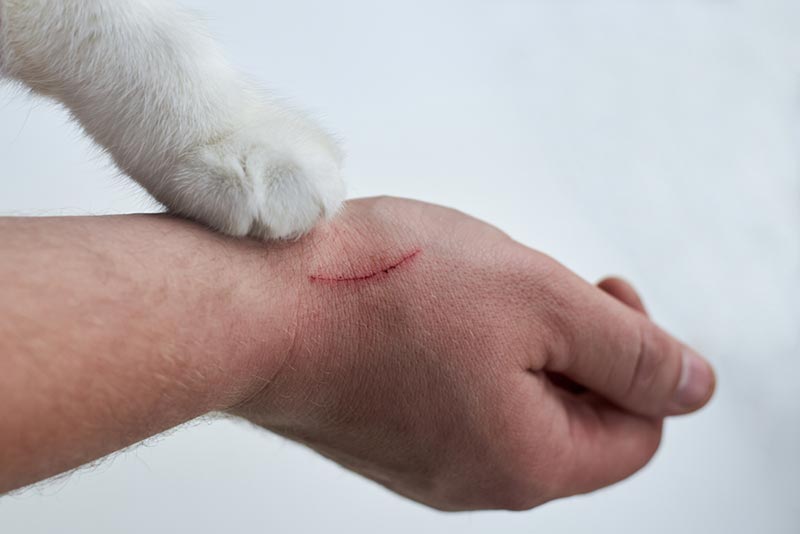
There are several ways cats can contract rabies. Coming into contact with other cats or a domesticated animal that is already infected is the most common. This contact is usually through a bite, but simply coming into contact with the saliva of an infected animal is enough to possibly make your cat sick. In saliva, rabies can live up to 2 hours after leaving the body, making it possible to infect other animals that may come into contact with open wounds or mucus of an already infected animal.
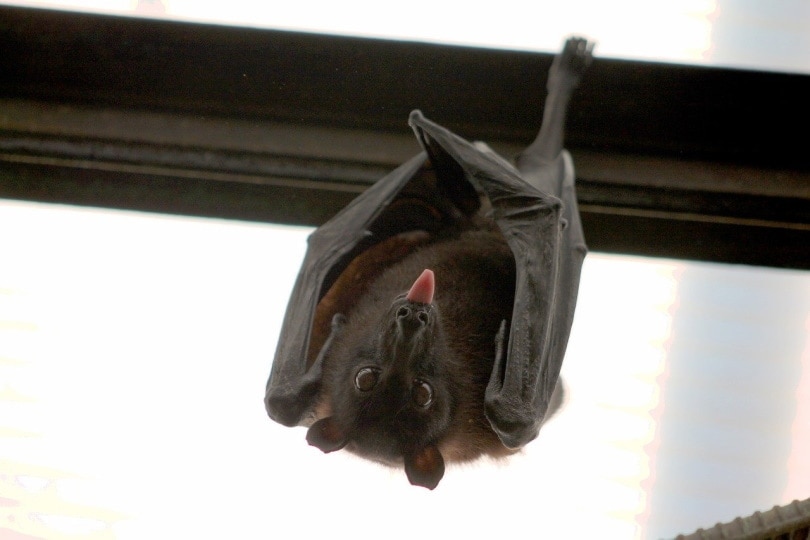
Outdoor cats are in extreme danger when it comes to rabies. This virus is known to infect other animals that cats living outside come into contact with. Bats, foxes, skunks, and raccoons are often the culprits resulting in a cat becoming infected during its outdoor travels. The quick incubation period of rabies is what makes it so deadly. In most cases, it is almost impossible to begin treatment before the symptoms appear.
Signs Your Cat May Have Rabies
How close the bite or wound on your cat is to its spinal column or brain often decides how quickly you’ll notice symptoms. Roughly 4–8 weeks seems to be the most common incubation period when a cat has been infected. Here’s a look at a few signs and symptoms you may notice if an infection occurs.
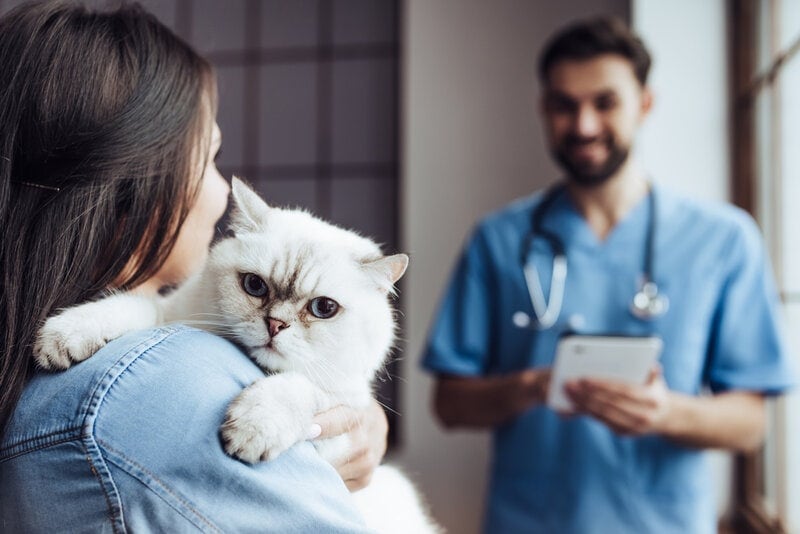
If you notice any of these symptoms in your cat after it has been wounded or in an altercation with another animal, seeking a veterinarian’s help is crucial.
What Happens If Your Cat Has Rabies?
Unfortunately, no treatment is possible once a cat begins to show signs of rabies. There is also no test for rabies in living animals. The only way to know if an animal has this dangerous disease is by testing the brain tissue of a deceased animal. Often, if a cat or other animal is suspected of having rabies, vets may recommend humane euthanasia to keep the animal from suffering.
If your pet has been bitten but doesn’t show signs of rabies, to help avoid issues your veterinarian may make a few suggestions. If your cat has never been vaccinated against rabies, an immediate dose should be administered. For cats who have been vaccinated, a booster and lengthy quarantine will be the next course of action. Vaccines given before symptoms occur are the best chance your cat has of fighting off rabies if they have been infected.

Final Thoughts
Considering how deadly the rabies virus is, all cats should be vaccinated. Knowing how often cats need rabies shots will help you stay on top of their vaccinations in hopes of keeping your cat healthier. If you’re a new cat owner, don’t wait. Call to schedule this important vaccination soon and offer your cat a long and healthy life.
Keeping up to date on vaccines is an important part of pet care that can help you avoid costly health problems. Another way to manage pet costs is to invest in a pet insurance plan like the balanced options from Lemonade. These customizable plans can offer coverage for a range of healthcare costs.
Featured Image Credit: VP Photo Studio, Shutterstock
Get Hepper In Your Inbox


Pet care tips from our vets and experts, straight to your inbox.
You may opt-out at any time. View our Privacy Policy for more information.

Nicole is a lover of animals of all sizes but is especially fascinated with the feline variety. She’s the proud mom of Baby, a Burmese, and works every day so he can relax in the sunshine or by the fire. She’s always had a cat in her home and has spent countless days with others, observing behaviors and softening up even the grouchiest of the lot. Nicole wants to share her kitty expertise with you so you and your cat can live happy, healthy, and care-free.
Join the conversation
Ask a question, share your story, or send private feedback.