Hepper is reader-supported. When you buy via links on our site, we may earn an affiliate commission at no cost to you. Learn more.
How Do I Stop My Older Cat From Playing Rough With My Kitten? 7 Vet-Reviewed Tips


In this article
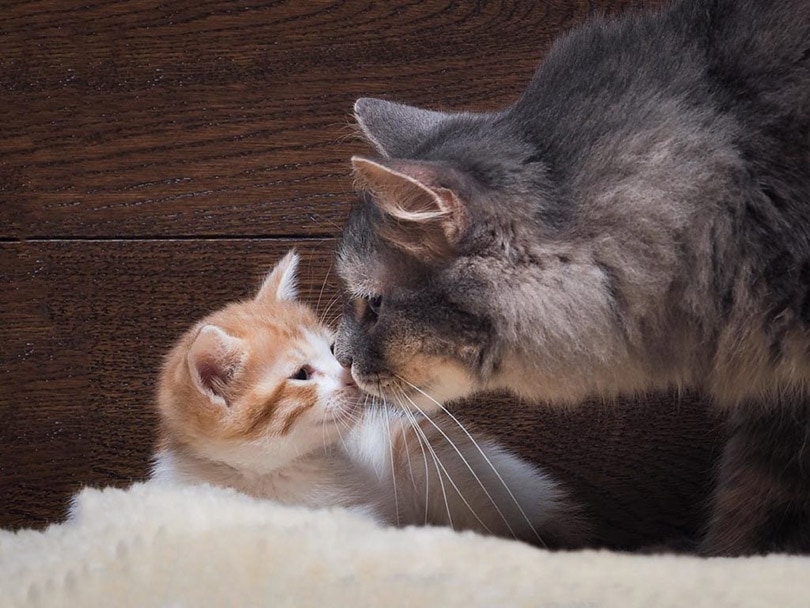
When cats play, it will be in two different ways: solitary and social play. Until now, the social play might have involved you, but you’ve just brought home a new kitten, and you‘ve been replaced. You’ve noticed some of the play is a little rough and worrying because kittens are so small!
When play slips into something more aggressive or rough, and you become worried about your kitten’s safety, it’s natural for you to step in. So, how do you go about getting your older cat to be a little gentler? Below, we’ve listed some things you can do to strengthen the bond between your two cats.

The 7 Tips to Stop Your Older Cat From Playing Rough With Your Kitten
1. Distract
A short-term solution to rough play is to distract the cats by clapping or making a noise that startles your cats. This will not modify any behavior, which means the rough play might start up later, but it will allow you to intervene if you’re witnessing play that has become too rough or aggressive.
Cats shouldn’t be left to “fight it out” even if they are the same age, as the fighting will usually only get worse, so whatever the circumstances, your goal is to separate them. Mildly startling your cats will cause them to stop, allowing you to shoo away your older cat or move the kitten out of harm’s way.
2. First Impressions Count
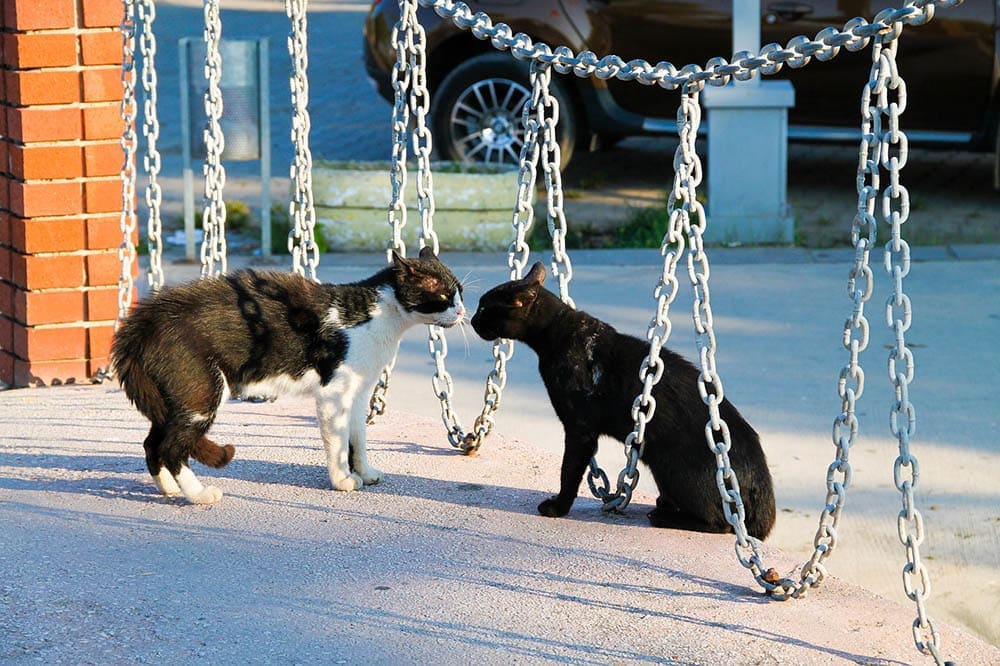
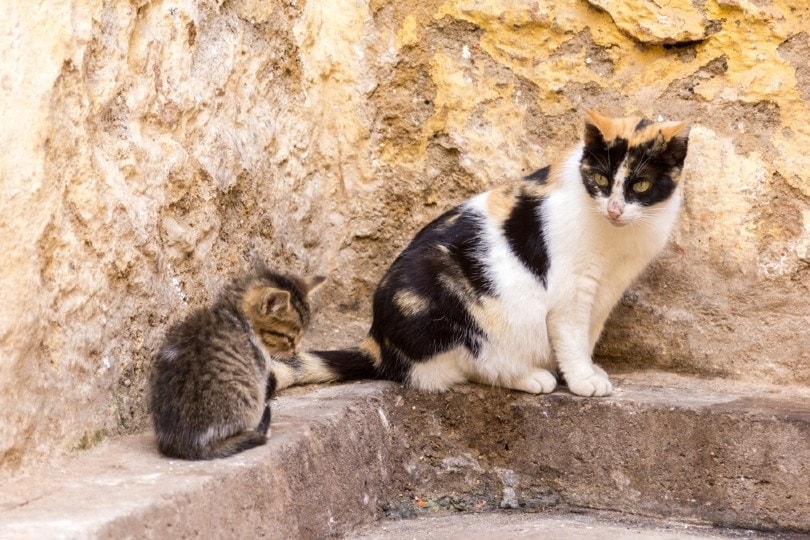
Cats are particularly territorial, and first impressions matter. The moment your older cat meets your kitten for the first time is critical. If your cat shows aggression during their first meeting, it will set the mood for their future relationship and may be why there’s aggression in their play. If you feel this introduction could have gone better, you can reintroduce them.
Keep your kitten in another room and provide them with separate water, food, litter, and toys, so they don't have to compete for anything. You can allow your cats to smell or hear one another, as this will get them used to each other’s presence. Reintroduce both cats gradually.
3. Provide Toys
Toys allow your cat to stalk, chase, pounce, and bite something that isn't your new kitten. They can burn off some energy, and a tired cat is a happy one! You could also involve your kitten in the game, which will strengthen the bond between both cats.
If you find your cat has a lot of pent-up energy when you’ve been out of the house for too long, ensure your cat’s toys are somewhere it can reach. A toy that mentally and physically stimulates your cat, like puzzles or balls, means your cat won't be saving up energy that it might take out on the kitten later!
If your cat needs a great toy to get the playing started, we recommend our Hepper Catnip Stick Toy. These sturdy, dual-layer sticks are hand-made in the USA and filled with 100% organic catnip. Choose from a fun range of pastel colors and give your cat hours of playtime!

- No Filler - Like all the best cat toys our is stuffed with 100% organic catnip. Cheap cat toys with filler leave your cat bored and disinterested. Our pets deserve to be excited and engaged.
- Flexible Play - Simple plush shape is great for biting, scratching and pawing. It can start life as a teething toys for kittens then soon your furry friend will be using it as a cat kick stick. Play for any mood
- Durably Designed - Our cat safe toys are hand-stitched with a double-lined exterior construction for hours of playtime, perfect cat kicker toys for cats indoors and even outdoors. Your cat will tire out before the toy does!
4. Spread Your Time Equally
Cats don't like change and depending on how closely bonded you are, a new addition to the household could be upsetting for your older cat if the kitten takes time away from them. To avoid a conflict, ensure you’re spreading your time between both cats.
Structured play can also work. Play with your cat at least twice a day for 10- to 15-minute intervals at regular times every day. You’ll find your cat will actually look forward to these sessions. You could also play with both cats, which will help them bond.
5. Time-Out
The minute play becomes too rough, put your older cat into time-out. For this, it’s better if you and the kitten leave the room. Try not to pick up the older cat, as its energy will be up from playing, and further interaction may result in aggression. Be consistent, so your cat knows that rough play will end playtime.
6. Change How You Play
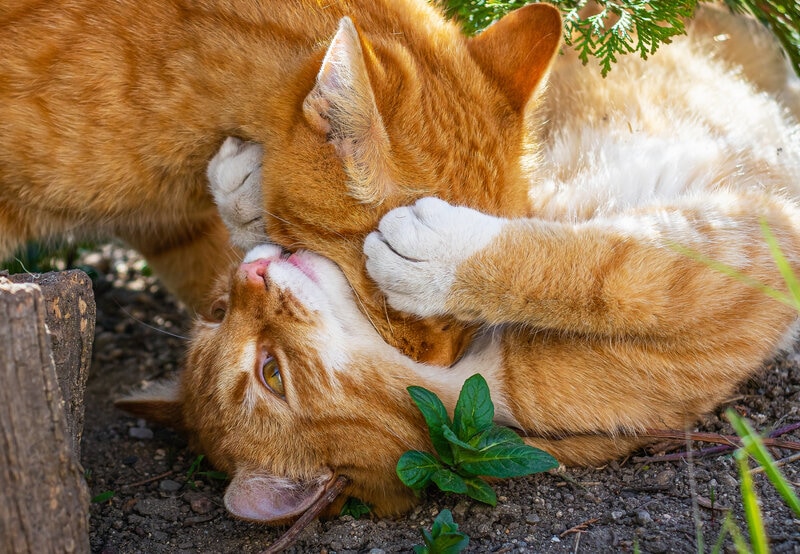
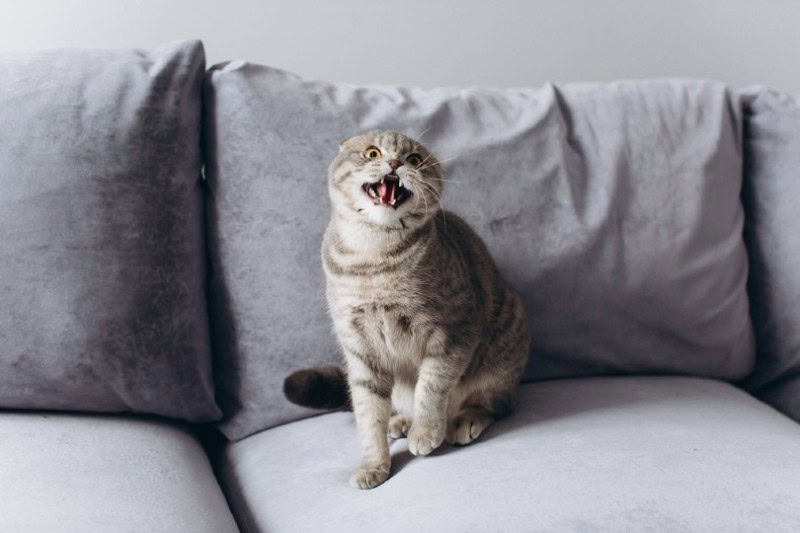
Your older cat’s rough play might also be something called mock or play aggression, which is generally seen in kittens but can be exhibited by older cats. Because cats are natural hunters, they may stalk, chase, and pounce on one another. Owners tend to notice this behavior more when it’s aimed at them, and you may see it before it’s turned on your kitten.
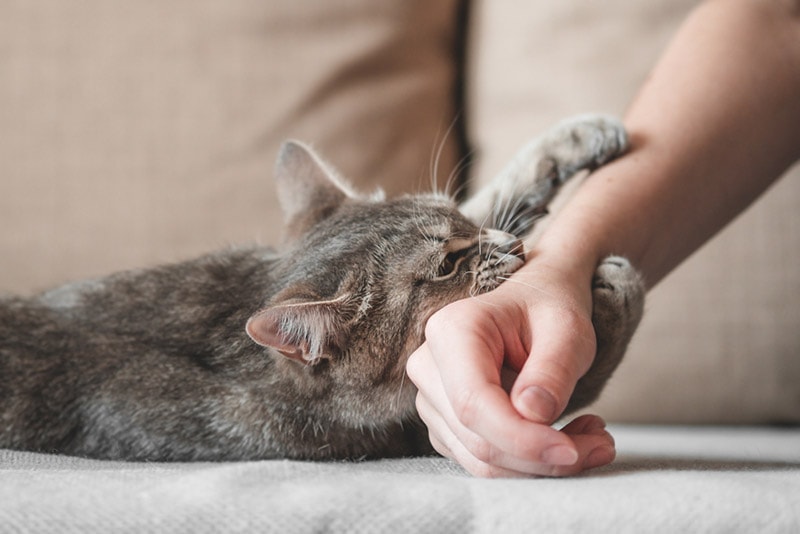
Never use your wiggling fingers in play. It might seem innocent enough, but this teaches your cat that biting fingers is acceptable. While this tends to teach a cat that biting a human is okay inadvertently, you might see this type of play mirrored in how they treats their new brother or sister. So, use cat toys instead to engage your cat.
7. Never Punish Your Cat
It might seem obvious, but it’s worth noting. Don't use squirt bottles to correct undesirable behavior, and don't yell, chase, or hit your cat under any circumstances. Punishment will only result in fear, and it will ruin your bond. Reward desired behavior if you see your cats playing well together by throwing a treat their way.

People Also Ask
What’s the Difference Between Rough Play and Aggression?
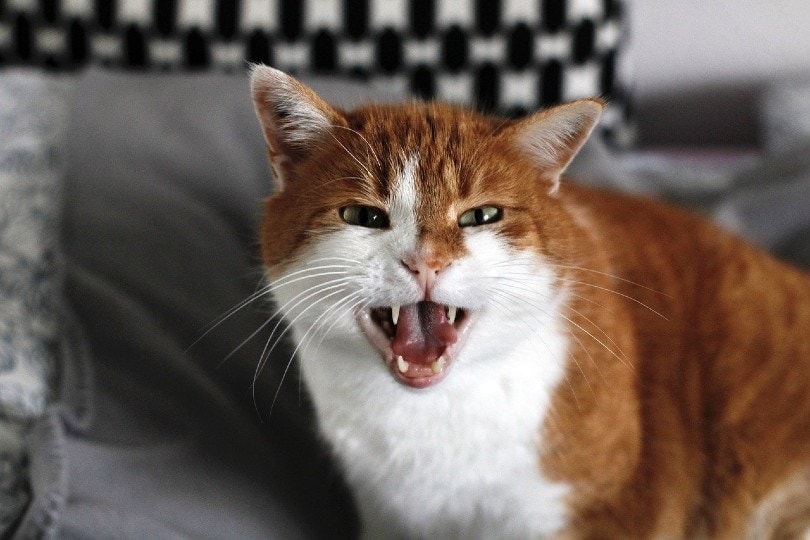
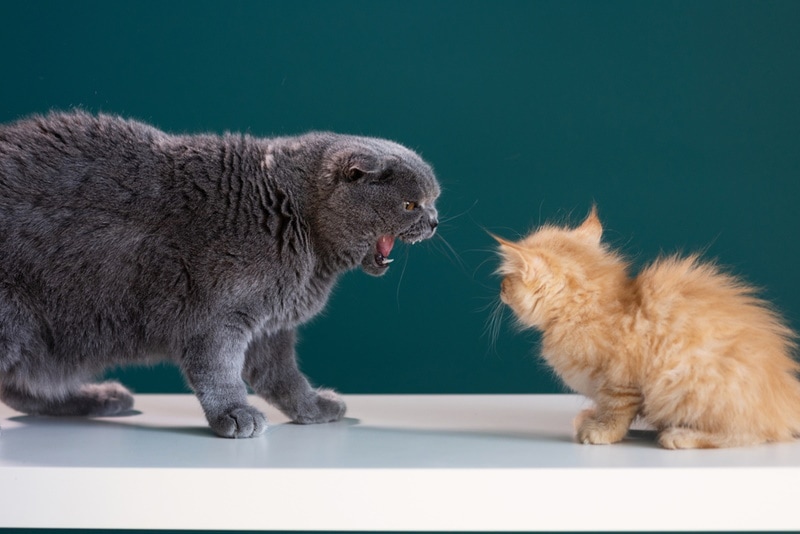
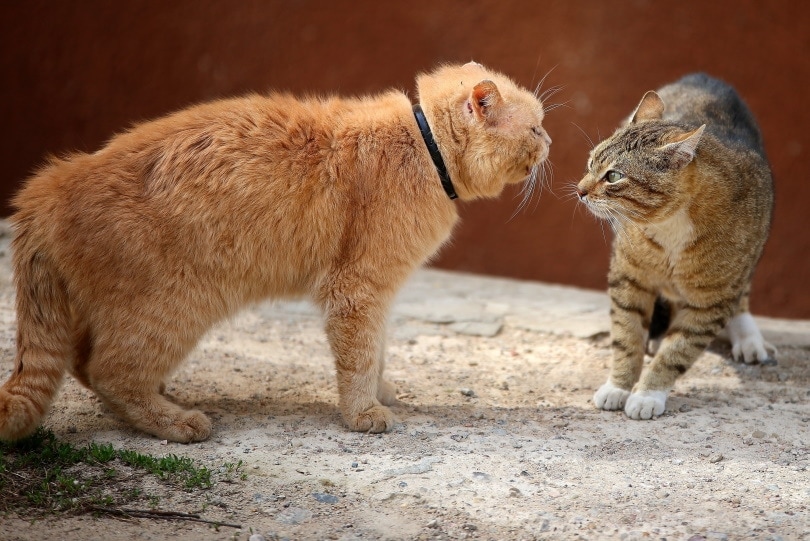
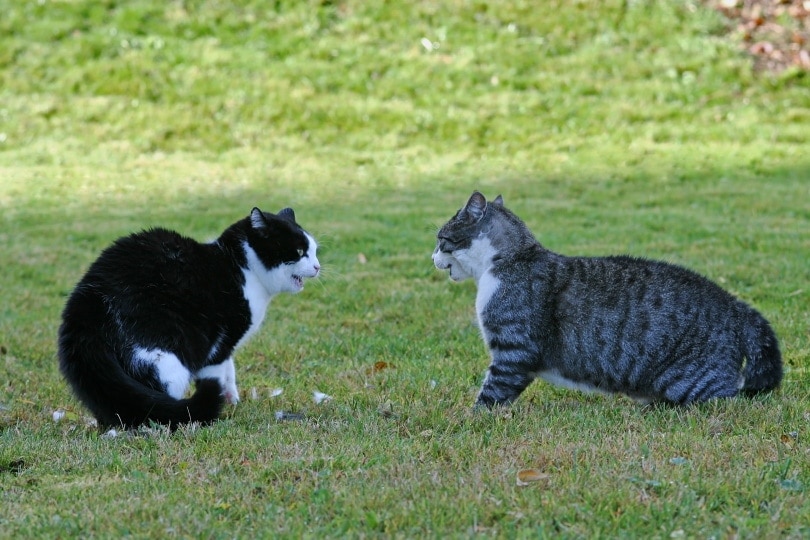
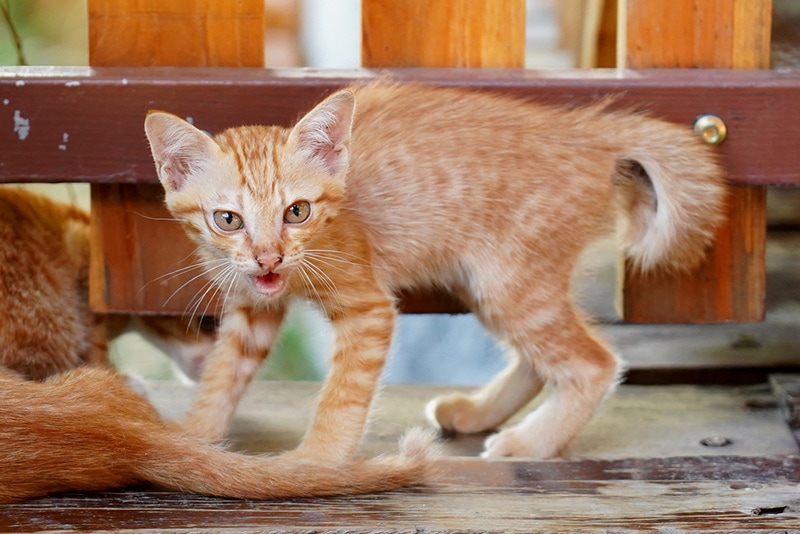
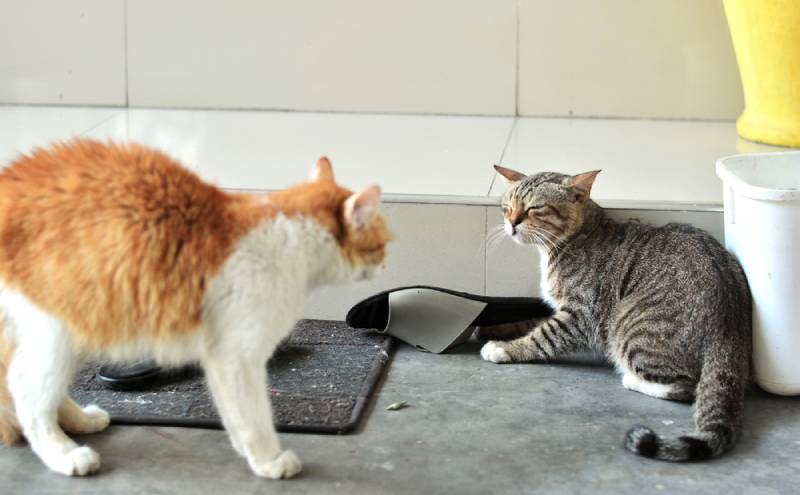
Sometimes it’s challenging to distinguish rough play from aggression, but your cat’s body language will give you a hint. You’ll notice sideways hops or pounces when your cat is playing, often with an arched back. The ears and tail will be straight in the air, and there might even be some hissing, but play is generally quiet. On the other hand, if you notice ears turned toward the back or hear growling, this is a hint that the game has evolved into aggression.
What Do You Do if Nothing Seems to Work?
Whenever you find yourself in a situation where there is behavior you cannot correct yourself, you can contact a board-certified veterinary behaviorist or animal behaviorist. You can also contact your vet for some advice. So, don't feel like you must try and solve this problem alone, especially if you’re worried or harm is being caused.
Final Thoughts
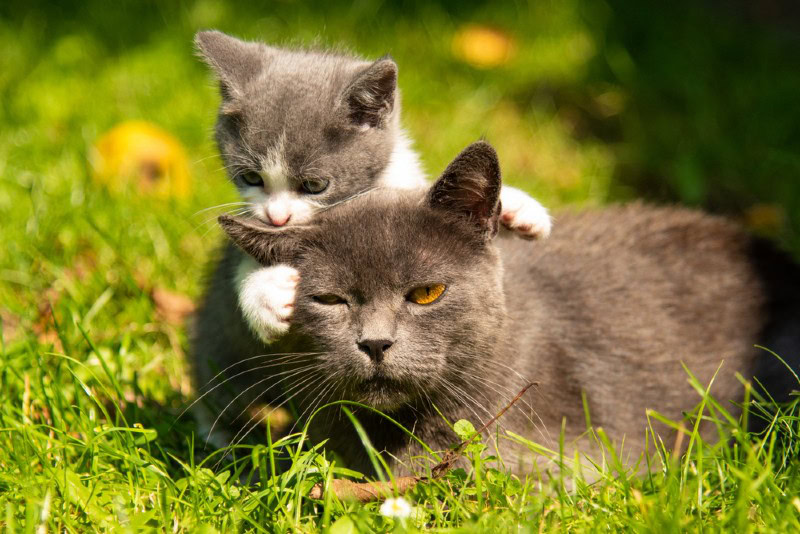
Rough play doesn't necessarily mean your cat is being aggressive, but make sure you’re watching out for it to keep both cats safe. When one cat is much smaller than another, the kitten can get hurt, so make sure you’re supervising playtime and be ready to break up play if you need to!
Sources
Featured Image Credit: Volodymyr Plysiuk, Shutterstock
Get Hepper In Your Inbox


Pet care tips from our vets and experts, straight to your inbox.
You may opt-out at any time. View our Privacy Policy for more information.
Kerry-Ann lives in Scotland and wishes her garden was bigger so she could have her very own Highland cow. But her dogs probably wouldn’t like that very much. She has a La Chon called Harry who was poorly with a liver shunt when he was a puppy. It wasn't likely he would make it into adulthood, which was difficult, but he beat the odds and is a healthy old man now. She also has a Pug called Maddie who is a big foodie. She’s small, sassy, and every day she finds a new way to mess with her brother.
When she isn’t writing you can find Kerry-Ann going for long walks when the weather isn't bad, reading, or watching cartoons when she should be tidying her house. She would one day like to be a tourist in her own country and travel through the Highlands with her family.
Join the conversation
Ask a question, share your story, or send private feedback.