Hepper is reader-supported. When you buy via links on our site, we may earn an affiliate commission at no cost to you. Learn more.
How Do Neon Fish Get Their Color? Most Common Reasons
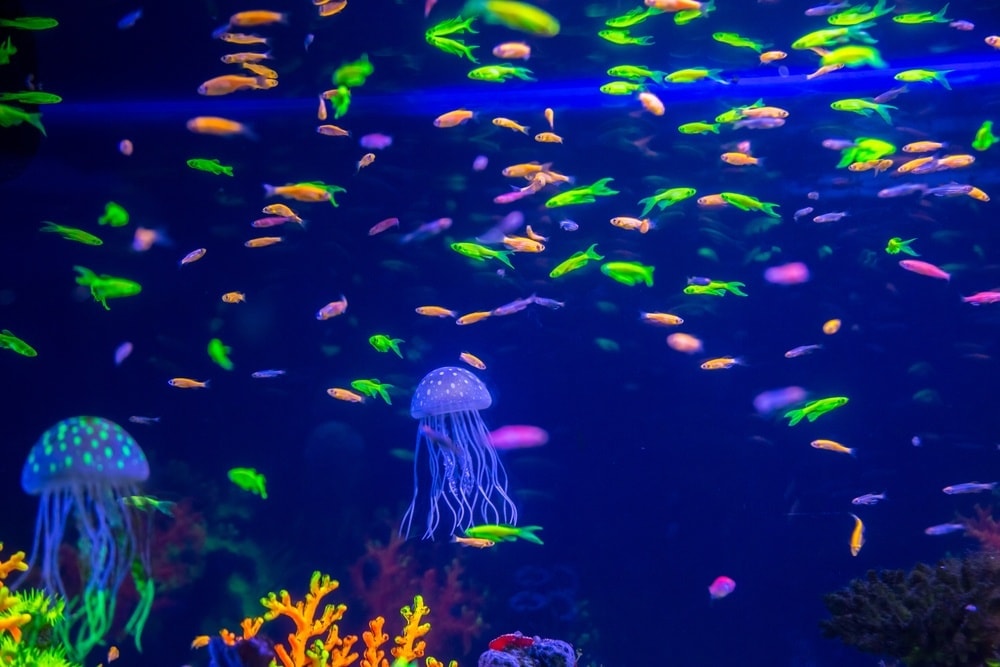
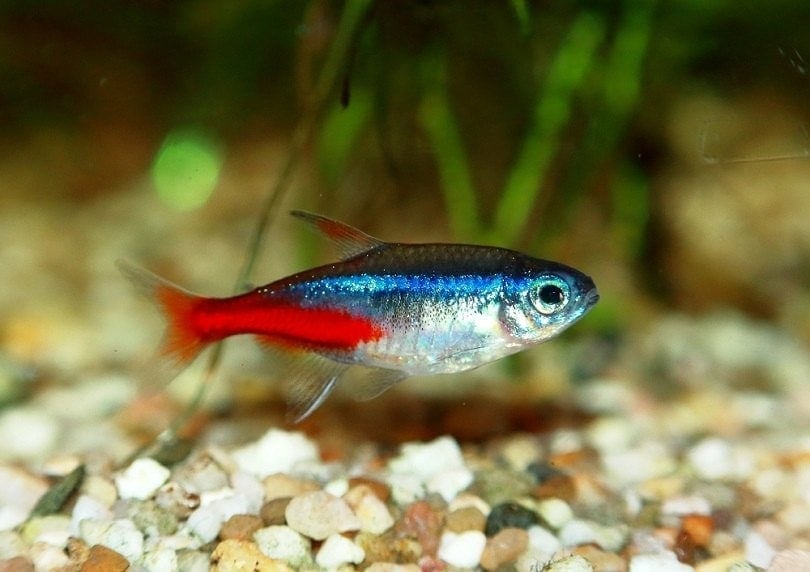
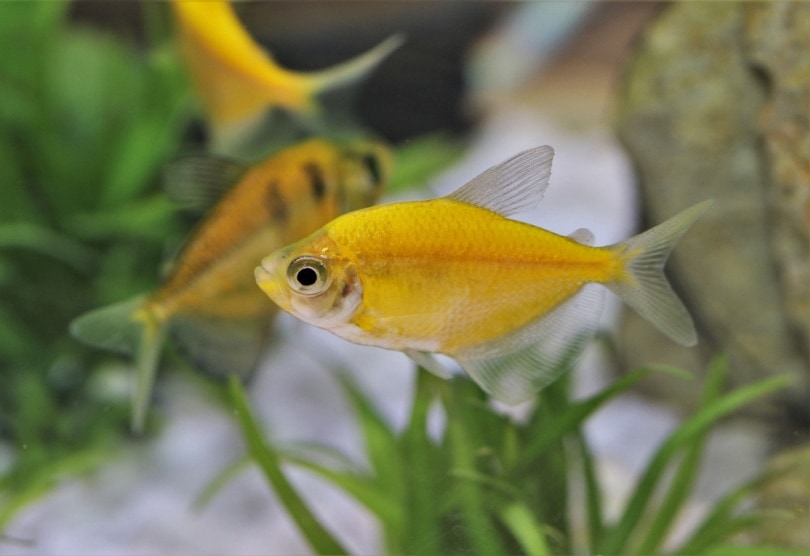
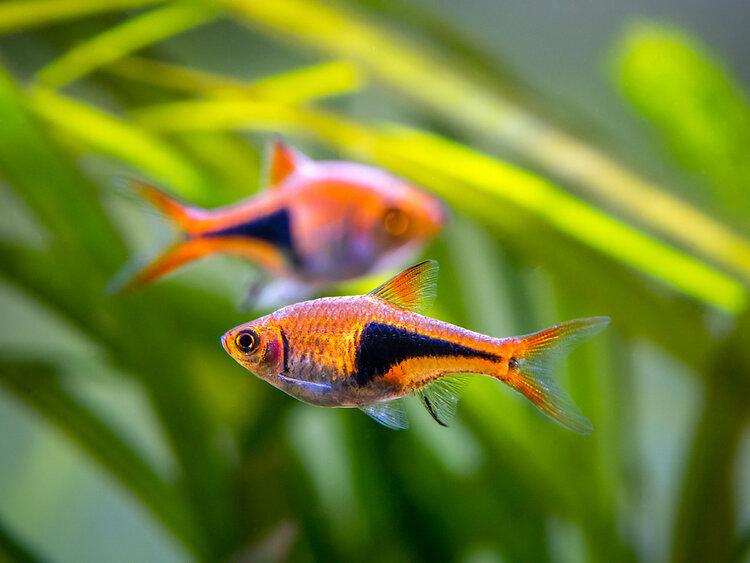
Neon fish look incredible! Their colors are very bright and get your attention. You know when one of these fish is around! These neon colors can actually be so bright and strong that they are fluorescent and glow in the dark.
It’s like a blue, green, pink, purple, orange, or red light swimming around in the water. No, they don’t give off a ton of light, but you can definitely see them in the dark. When light hits them, they shine bright. They get their color from years of evolution, selective breeding, and an innate instinct to survive.

Neon Fish Genes & Evolution
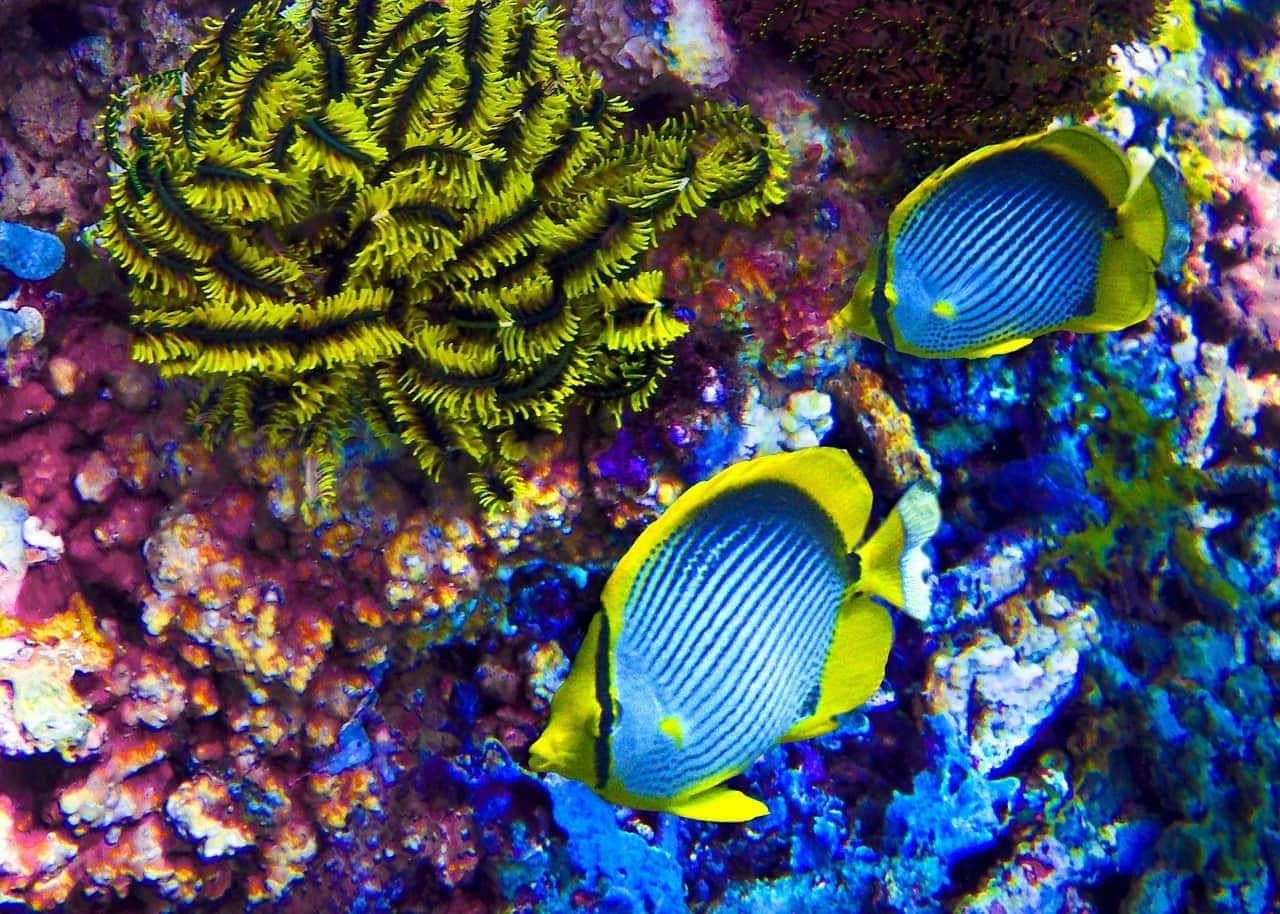
Simply put, most neon fish that you can find in the wild are neon and fluorescent due to hundreds or even thousands of years of evolution. It is a result of the survival of the fittest, evolution, and an innate drive to survive, thrive, and adapt to new environments.
Simply put, some fish have neon colors and almost glow in the dark (or do glow in the dark) because of their genes and their physical makeup.
Just like some people have blue eyes and some have red hair, some fish have bright neon colors. It does not necessarily have to come from food or immediate environmental factors. In other words, a fish that is not neon will not become neon from their eating habits or the environment if there is no DNA or genes in that fish that would allow for that.
Some fish are just born neon, or at least with the ability to become much brighter, almost like a neon light. There are many reasons why fish are born neon. One of the reasons is to attract prey fish into an unsuspecting mouth by dazzling them with bright colors, making them think they are prey when in fact they are the predator.
They can be neon to alert fish of danger, plus to provide themselves with some light, too (although not often the case).
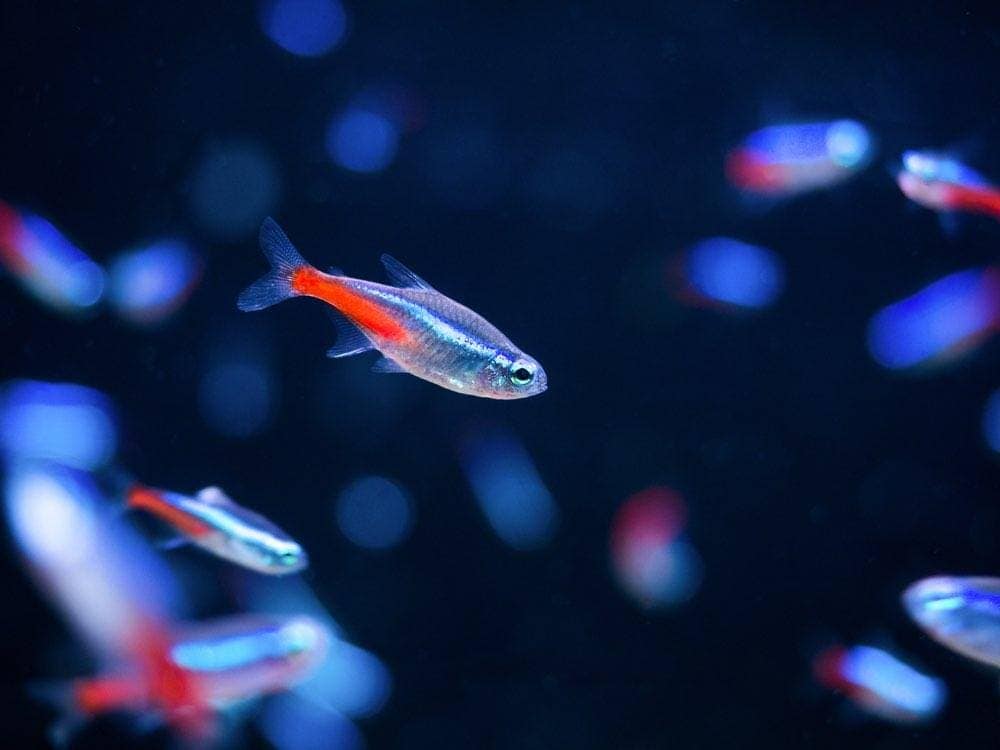
Most neon-colored fish are schooling fish that fall prey to other larger fish. The reason why these fish are neon in color is that when you get hundreds or even thousands of the same neon fish together, the bright, dazzling, and fast-moving light show can confuse predators to the point where they give up. Simply put, the bright neon color is a defensive mechanism for schooling fish.
Finally, the reason why some fish are bright and neon-colored is to attract mates. This is like a peacock with its bright feathers, elephants with big tusks, and so on.
The brighter the colors are, the more likely that particular neon fish is to find a mate. Like we said before, this is evolution and natural selection at its finest. Only the brightest of the neon fish get to mate and create offspring.
Selective Breeding
While there are many neon-colored fish that occur in the wild, the past few decades have seen a rise in genetically altering fish through scientific means, as well as selective breeding.
Selective breeders and geneticists have worked hard to create fish that are brighter than ever before. Sometimes it is as simple as breeding the best and brightest neon-colored fish for several generations to achieve a specific result.
On the other hand, scientists have been known to mess with DNA and genes, inserting the DNA and genes of other animals, or even of naturally occurring fluorescent elements, to create neon fish.
Yes, there are neon and fluorescent fish out there which are scientifically engineered to be that way. On a side note, in the beginning, the purpose of these artificial glow fish, so to speak, was to measure water quality.
The fish would change colors, or at least change in brightness and luminescence, which would alert people of changes in water quality and water chemistry.
From Food & Other Factors
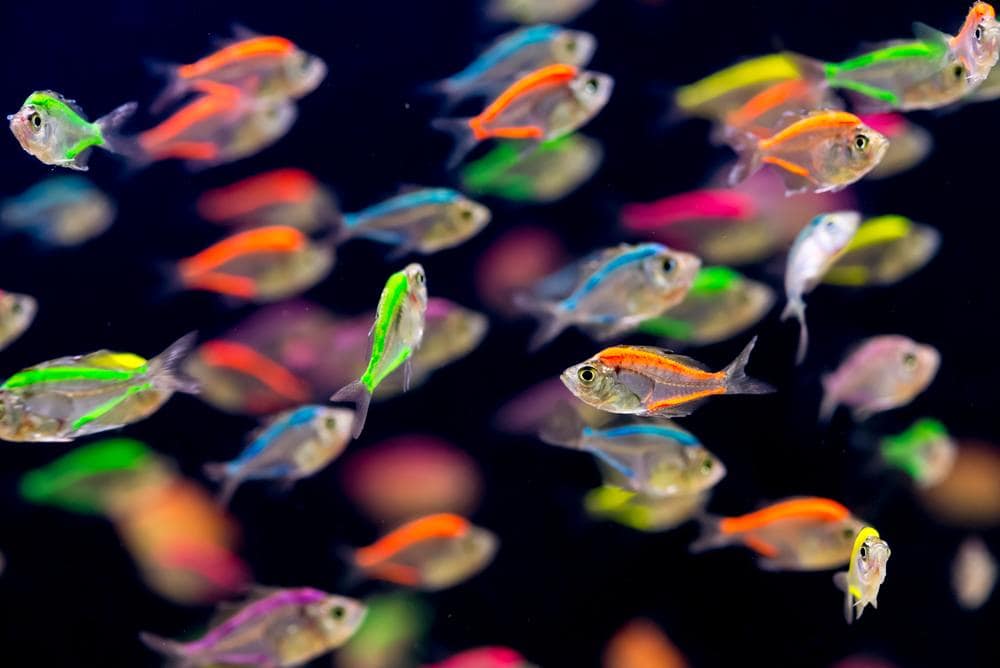
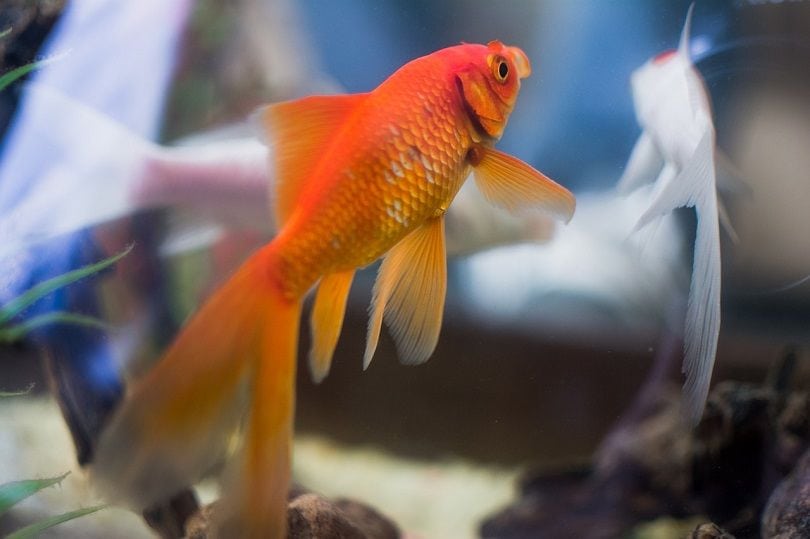
Like we said before, neon fish have to be born neon, or in other words with the right physical characteristics, mainly the genes, to have those colors. A goldfish, scientific engineering aside, cannot just start being neon by eating or through other means.
That being said, fish that are already born neon, get their color from various factors. No, they don’t get their colors from environmental factors, but they can decide how well and bright the colors are.
Food is a contributing factor here. If you feed neon fish food that is very rich in the right nutrients, it will make the colors much brighter and stronger. Good food is probably the most important factor here.
Another contributing factor is the amount of fish. This may sound off, but it is proven that neon fish that are solitary do not have nearly as much color as neon fish that live in schools. This goes back to that natural defense we talked about before.
There are neon and even fluorescent fish out there that are bright and colorful due to artificial human injections of fluorescent materials, but of course, this does not happen in nature. For the most part, neon fish get their color from their DNA and years of evolution.
Food, stress, water quality, and the environment are all factors that can make a neon fish brighter, but they have to be born with the right genes and DNA right from the get-go.
Final Thoughts
At the end of the day, while the right foods and the right environment do contribute to the amount of color and brightness a neon fish exhibits, they get their color from years of evolution, selective breeding, and an innate instinct to survive.
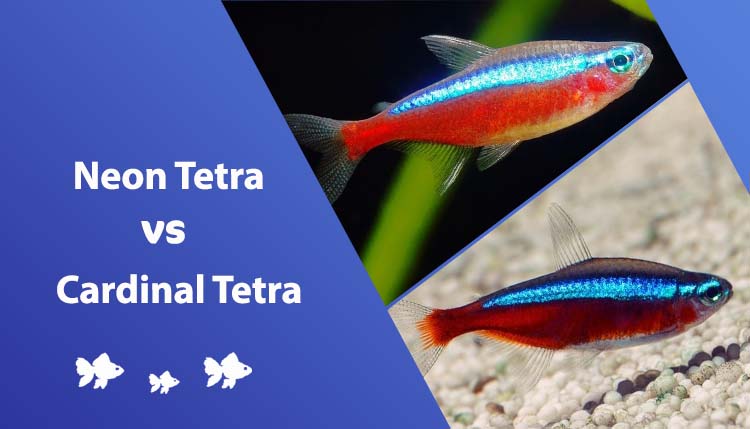
Related Read: Neon Tetra Temperature Guide: Ideal Temperature & More
Feature Image Credit By: Ievgenii Meyer, Shutterstock
Get Hepper In Your Inbox


Pet care tips from our vets and experts, straight to your inbox.
You may opt-out at any time. View our Privacy Policy for more information.

Lindsey discovered her passion for fish keeping after a junior high school field trip to the Shedd Aquarium in Chicago. Prior to becoming Editor-in-Chief of It's a Fish Thing, Lindsey studied marine biology at the University of California-Santa Cruz. She loves goldfish, tetras, and mystery snails, and recently began experimenting with a saltwater aquarium.
Join the conversation
Ask a question, share your story, or send private feedback.