Hepper is reader-supported. When you buy via links on our site, we may earn an affiliate commission at no cost to you. Learn more.
Do Betta Fish Change Colors? 5 Vet-Approved Reasons & What to Do


In this article
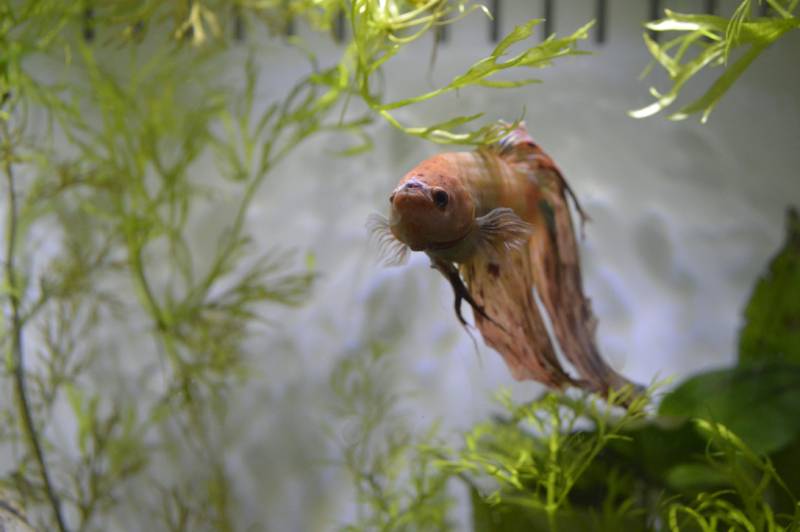
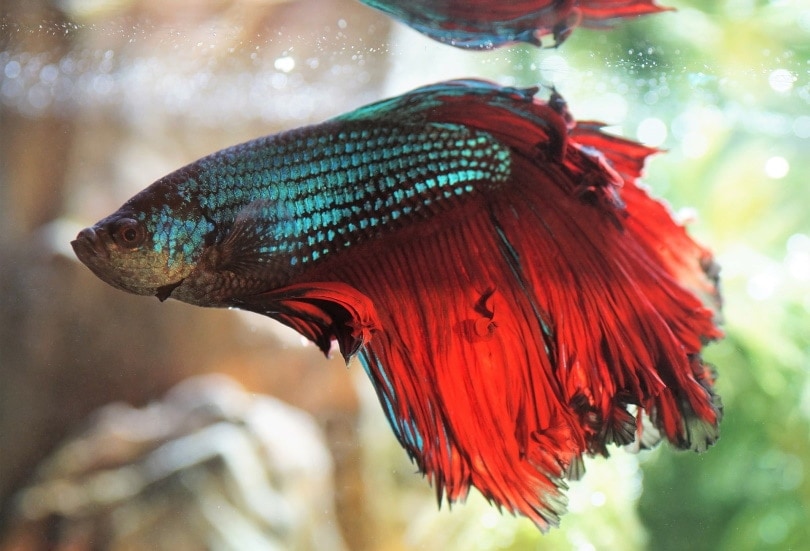
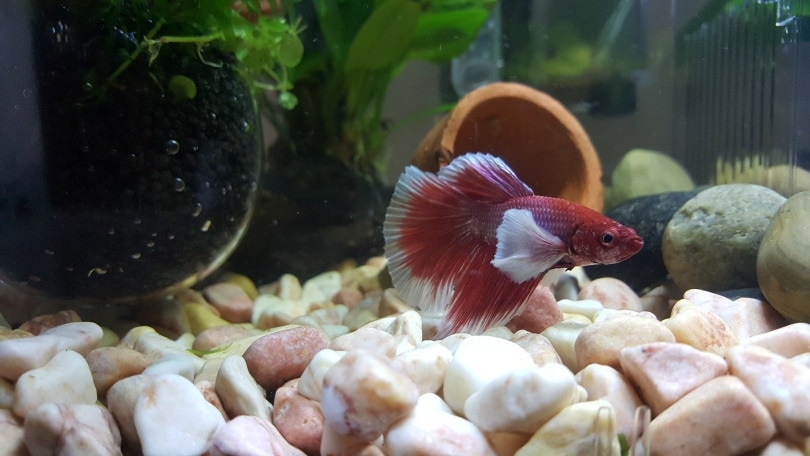
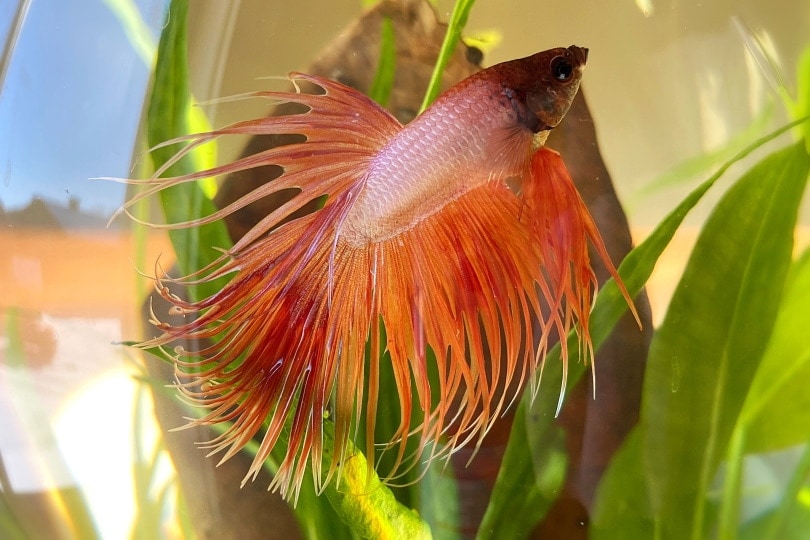
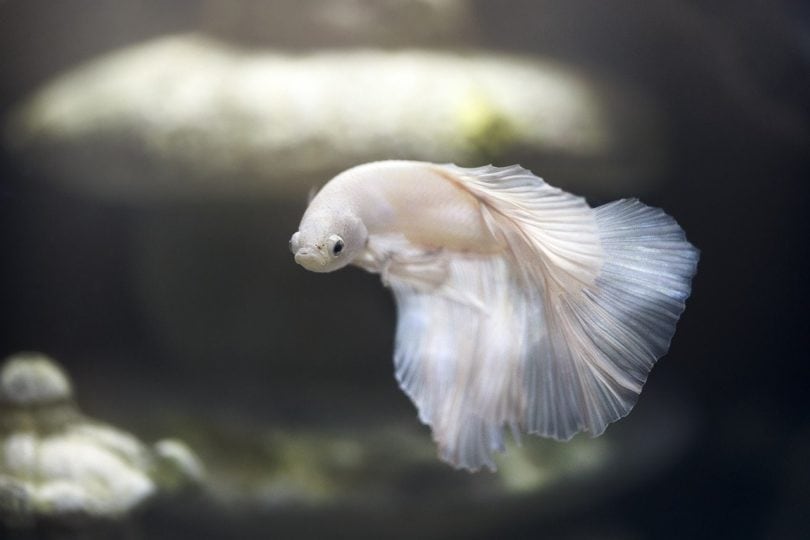
Many of us who own Betta fish were attracted to them because of their flowing fins and iridescent colors. It can send us into panic mode when we walk by their tanks one day and notice that they aren't showing the same shiny colors that they used to. A fish turning black, white, or a completely different color combination altogether can't be a good sign, right?
There are some Betta fish that do change colors for no reason, but the majority of them could be suffering from a number of different health problems. What causes this color change, and what can you do to prevent it? Consider this list of potential causes and use them to assess the situation and figure out if you need to take action and nurse them back to health.

The 5 Reasons Why Betta Fish Change Colors
There are several different reasons why your fish may be losing or changing colors. This change isn't always a bad thing but, more often than not, it is because they are under some sort of stress. Take some time to think about it and figure out how their environment could be changed to make them healthier and happier.
1. Stress
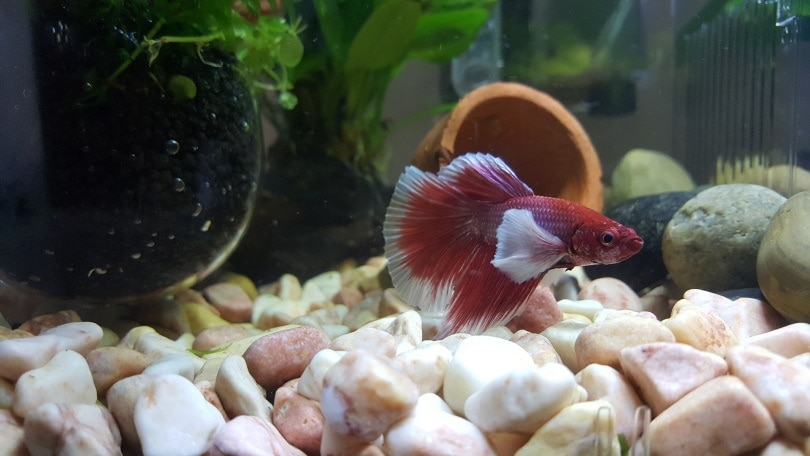
The most common reason for Bettas to start to lose their vibrant coloring is because of stress. A lot of people assume that Betta fish are hardy animals and can survive under any conditions. Unfortunately, this isn't the case. A single Betta fish requires a 5-gallon tank with filtered and heated water. They also need to be fed regularly to match their carnivorous diets and have their tanks cleaned frequently.
2. Age
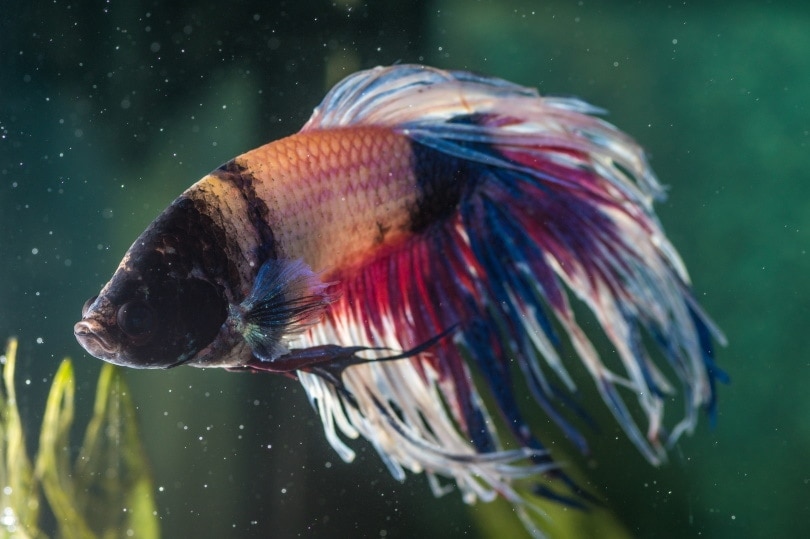
It isn't uncommon for Bettas to appear duller as they enter their twilight years. The average captive Betta fish lives a maximum of 5 years, but some start to lose their shine after only 2 years. If they aren't living a stressful life, the color change could simply be because of aging.
3. Illness
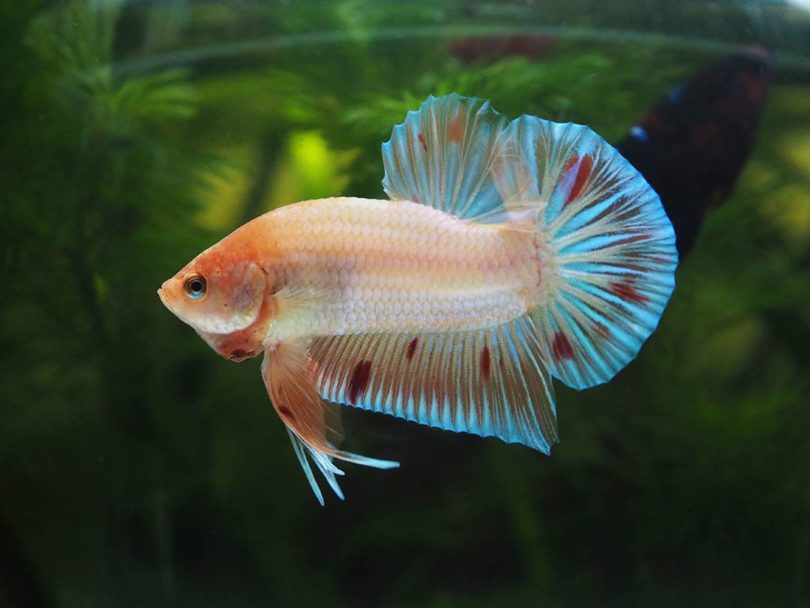
A change in a fish's body color could also be because of disease. In most cases, the fish start to turn white, but this also depends on the type and severity of the illness. Some fish start to look more gold, while others only show white spots.
4. Injury
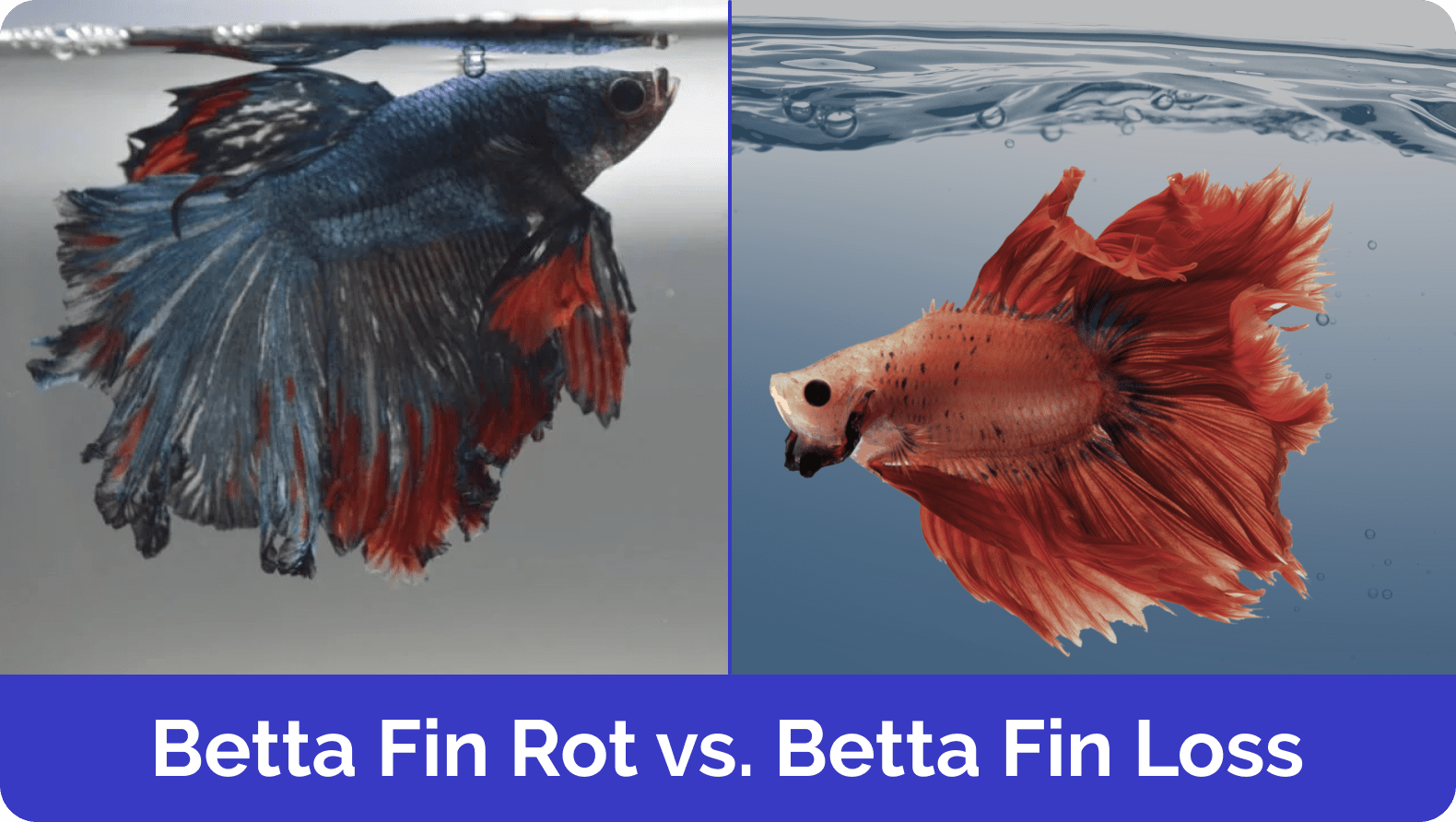
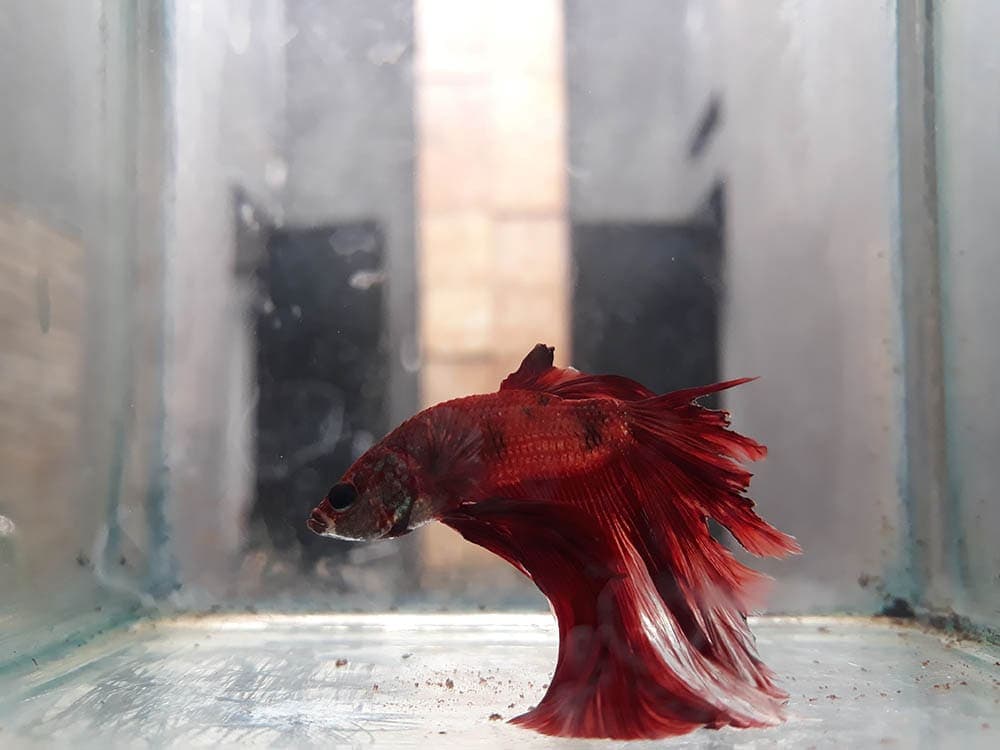
There are several instances where fish have become injured in their tanks, and the colors don't grow back the same. For example, fish that suffer from fin rot usually grow their fins back, but the colors are lighter or darker than they used to be.
5. Lack of Light
Bettas may lose their color or luster if they receive less than 14 hours of light exposure a day for prolonged periods of time. This is a natural adaptation of fish when they’re placed in dimly lit aquariums.

Are There Betta Fish that Naturally Change Color?
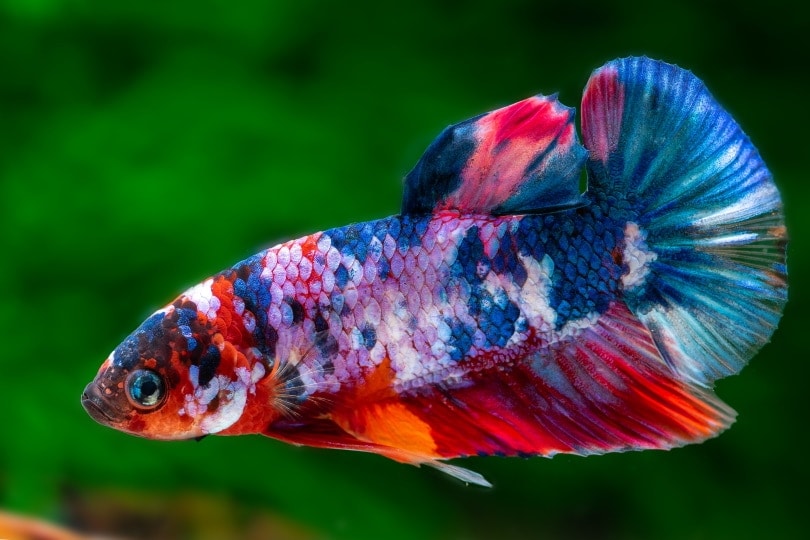
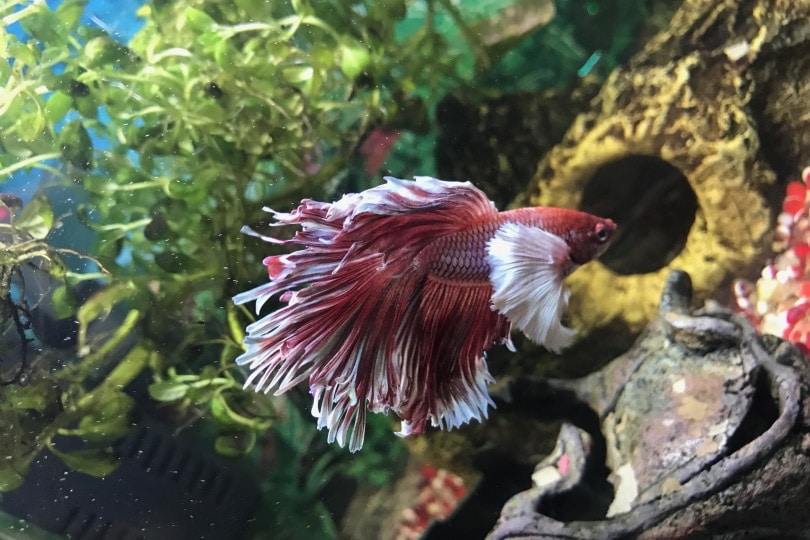
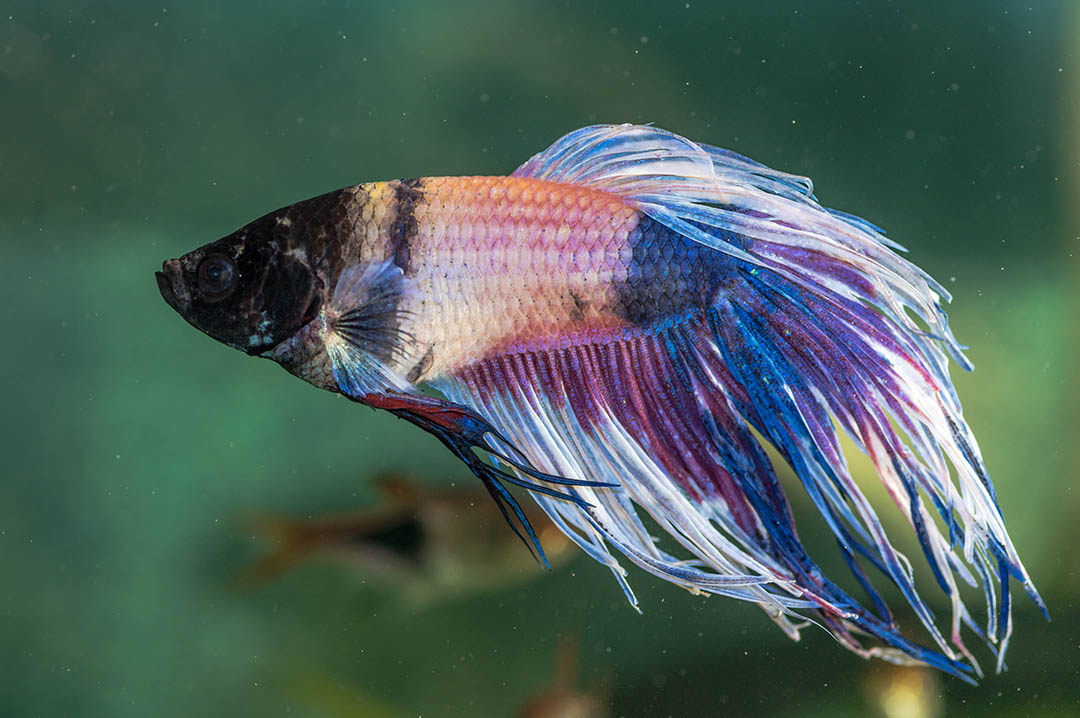
Marble Betta fish are one of the few types that usually change colors for no real reason. If you have a Marble Betta, make sure to rule out other possible causes before assuming that this is a normal change in their lives. Marble Betta fish rarely stay the same color for their entire lives.
Why is Your Betta Fish Turning Black?
Should you worry if your Betta is starting to turn black? Black coloring can indicate one of the following:
- Nitrite Burns
- Chlorine Burns
These conditions present with signs of a sick fish: lethargy, lack of appetite, and hiding more often than usual. If your water parameters are normal, and if you use a dechlorinator, then black coloring isn't too much to worry about and can sometimes be considered normal.
Why is Your Betta Fish Turning White?
A fish that is starting to turn white is a much bigger cause for concern than one that is turning black. There are a few possible causes for a color shift.
1. Columnaris
Columnaris is a bacterial infection.
The infection causes white spots to show up on your Betta, and they sometimes look fluffy in appearance. Other signs of columnaris are fraying fins, sores, and ulcers.
2. Anchor Worms
Anchor worms are small worms that vary in colors but are usually white. Your fish might have anchor worms if they are rubbing and scraping their bodies on items in their tank, having trouble breathing, acting lethargic, or have sores or ulcers. Anchor worms are rare in aquarium fish, but it is still a possibility.
3. Ich
Ich is a parasitic infection that leaves white spots on your fish as well. These spots are usually paired with lethargy, rubbing on items in the tank, and a lack of appetite. This parasite is usually a sign that your Betta is housed in an environment that’s too cold for them.
4. Fin or Tail Rot
Fin rot is somewhat easy to identify because the fish's fins start to look frayed or damaged. If left untreated, it takes a toll on their fins and it becomes nearly impossible to save them. Tail rot is a similar disorder that affects a Betta’s tail.

How to Fix your Betta Fish's Color
Nobody enjoys having a dull, sick fish swimming around. After all, people love Bettas for their unique shades. There are several different methods for you to nurse your fish back to health and have them look young and vibrant again.
1. Improve the water
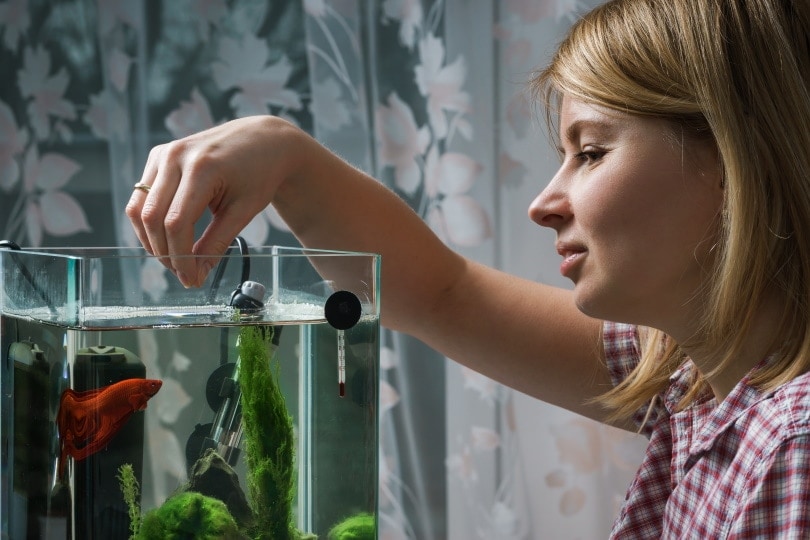
The tank's water quality is one of the most important aspects of a fish's life. If they aren't in clean, fresh water, then it is going to affect their health. Start by making sure that the fish tank is big enough for them. Betta fish require a 5-gallon tank, but bigger is usually better. Keep the water filtered and warm since these are tropical fish that don't thrive well in cold waters. Change around 25 percent of the aquarium water every week to keep it fresh.
2. Feed them Nourishing Foods
On top of giving the fish quality water, it helps to feed them foods that help enhance their colors. Betta fish are carnivores and salmon is an excellent food that they love to eat and improves their color. Because salmon is rich, think of it as a treat that they only get two times per week. Remember to cut it into tiny pieces for them to swallow or buy fish food that contains salmon. Daphnia is another great food option to feed your Bettas. This crustacean contains carotenoid pigments that affect the colors of other fish when they eat it. Always use high-quality fish foods. Cheap food usually equals cheap nutrition, and it is better for your pets when you pay a little bit more cash to give them better overall health.
3. Keep the Tank Spacious
It is easy to add too many things to a large fish tank with only one fish inside. Bettas like to have items in their tanks, but overstocking it isn't always a great idea.
4. Ensure Lighting Is Sufficient
Ensure your Betta gets at least 14 hours of light each day to ensure they don’t lose their colors from a lack of adequate lighting.

Conclusion
Betta fish are beautiful creatures, but they aren't as indestructible as some people will have you believe. These fish are sensitive and there are a lot of reasons that they could be losing their unforgettable colors. Whether they are stressed, ill, or hurt, make sure that you address every possible cause before assuming this is a normal part of their life.
Featured Image Credit: Sardo Michael, Shutterstock
Get Hepper In Your Inbox


Pet care tips from our vets and experts, straight to your inbox.
You may opt-out at any time. View our Privacy Policy for more information.
Lindsey discovered her passion for fish keeping after a junior high school field trip to the Shedd Aquarium in Chicago. Prior to becoming Editor-in-Chief of It's a Fish Thing, Lindsey studied marine biology at the University of California-Santa Cruz. She loves goldfish, tetras, and mystery snails, and recently began experimenting with a saltwater aquarium.
Join the conversation
Ask a question, share your story, or send private feedback.