Hepper is reader-supported. When you buy via links on our site, we may earn an affiliate commission at no cost to you. Learn more.
How Long Will It Take a Cat to Digest Food? Vet-Approved Facts


In this article
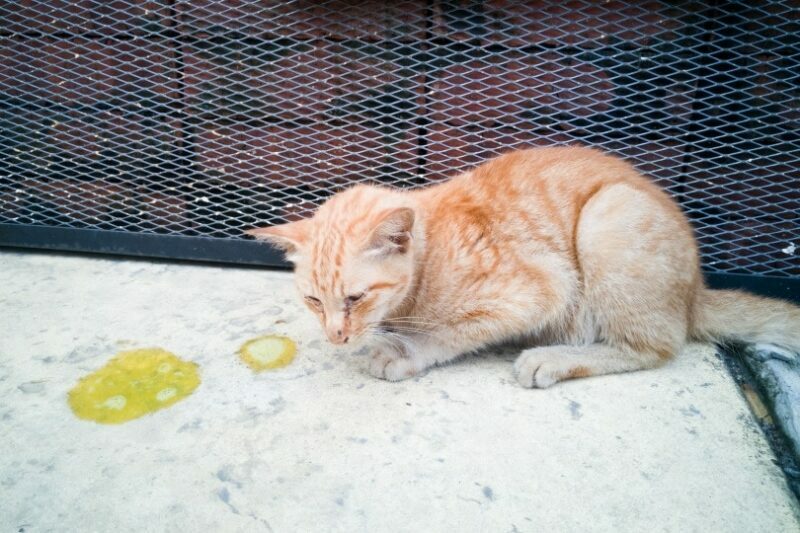
Is your kitty rushing off to the litter box minutes after they’ve eaten? Or are they throwing up the kibble right after mealtime? If so, you might be concerned and perhaps you should be. It could be that your kitty is just dealing with an upset tummy. We get sore stomachs all the time, and the same can happen to our pets, too. It could also be that your kitty is contending with a digestive problem such as intestinal blockage that will need medical attention as soon as possible.
You never truly know what the problem is unless you take your cat to the vet or take the time to educate yourself about the feline digestive tract. Generally speaking, the entire digestive process should take no more than 20 hours. This rule does not apply if your cat is ill or if they are experiencing digestive problems, though.
Keep reading to learn everything you’ve ever wanted to know about your cat’s digestive health.

How Long Do Cats Take to Digest Their Food?
The human digestive process takes roughly seven to eight hours, but it is a longer process for cats. It typically takes around 10 to 20 hours for food to move through your cat’s digestive tract, though some estimates suggest it could take up to 24 hours.
The Feline Digestive Process
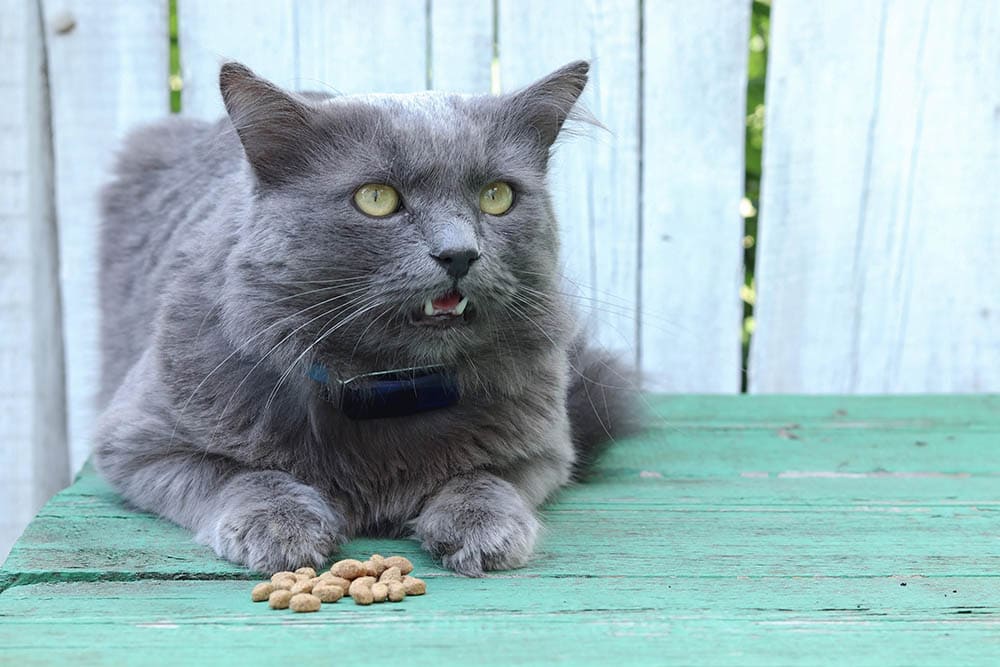
The feline digestive process is much the same as ours.
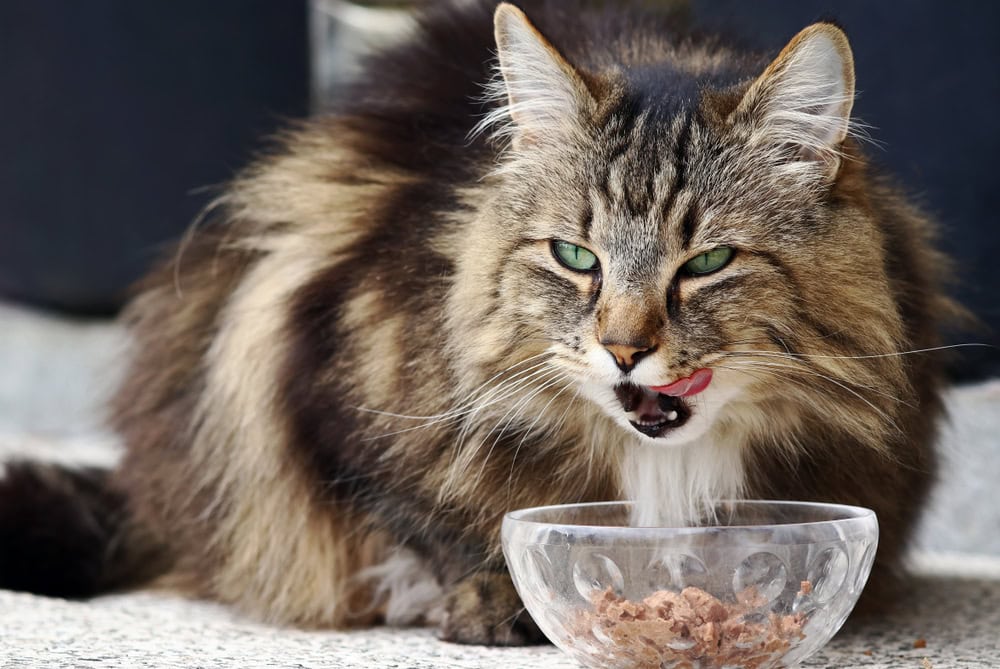
Their teeth grind up the food that they’re eating. Their sharp teeth cut and tear into their food and they don’t waste a lot of time chewing their food. Their back teeth do most of the chewing and often don’t do a very good job. The food they eat arrives in the stomach in bigger chunks which can then impact their digestive function. As they’re chewing, the food mixes with the saliva in their mouth. They use their tongues to move the food down to their esophagus, where it continues to break down until it gets into the stomach.
The stomach acid begins to break down the food and kills any harmful bacteria. The food then travels into the small intestine, where enzymes will continue to break down the food and absorb the nutrients from it that your cat needs. These nutrients are transported to the body cells through the bloodstream.
Anything that the small intestine doesn’t break down becomes waste. It travels to the large intestine, where the waste will get converted to feces.

Signs of Digestive Problems in Cats
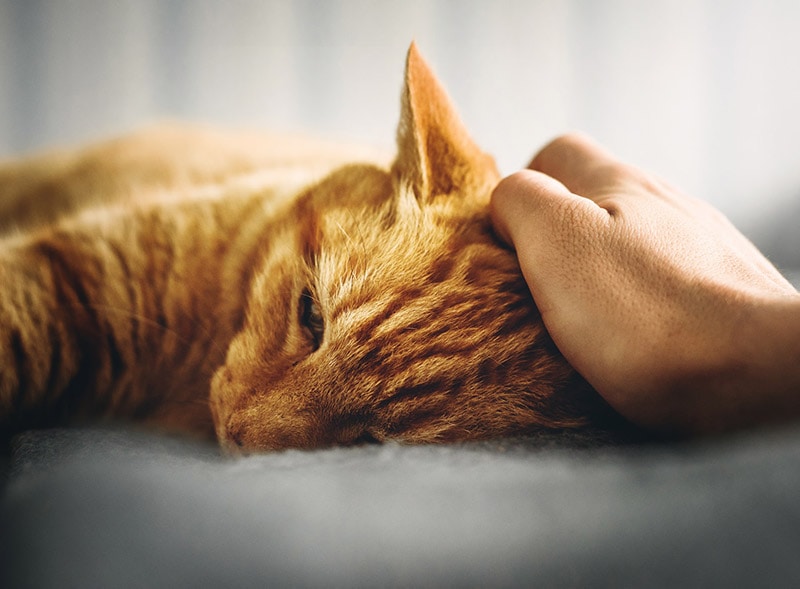
If your kitty is showing any type of gastrointestinal or digestive problems, it is worth a visit to their vet. Their issues might be indicative of a mild issue, or it could be something more serious.
Some of the most common digestive problems in cats include:
Some of the symptoms to be on the lookout for include:
How to Keep Your Cat’s Digestive System Healthy
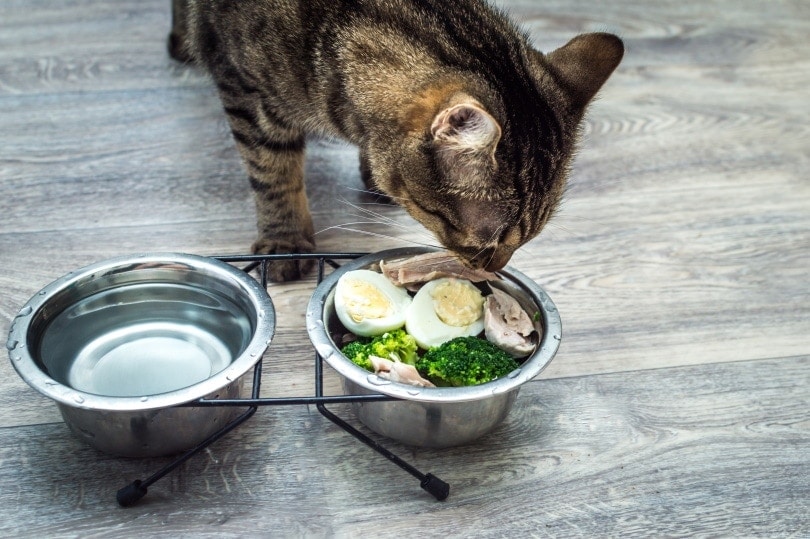
There are several things you can do as an owner if your cat is dealing with digestive issues or if you’re wanting to ensure your kitty has a well-functioning digestive system.
The feline digestive system can be very sensitive so it is important to approach any type of diet change with caution and patience. A transition period is necessary anytime you want to switch up your cat’s food.
Their digestive system is designed for smaller meals fed more frequently throughout the day. Free-fed cats often visit their bowl multiple times a day and only eat what they want at each visit. Free feeding can be a slippery slope, however, as it can lead to obesity if your cat likes to make sure his bowl is always empty.
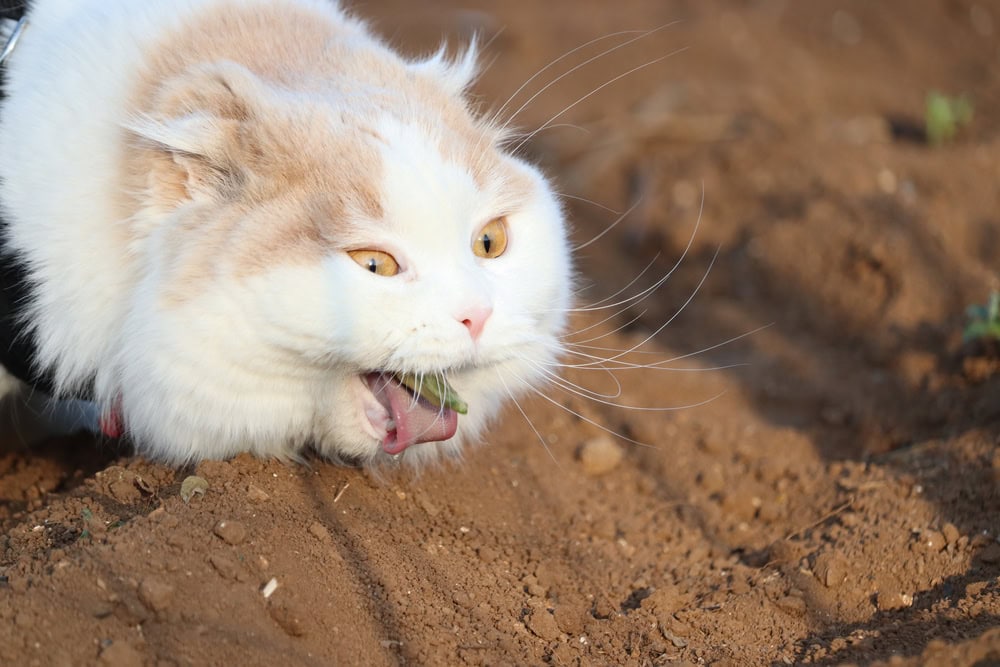
Your cat’s food needs to provide several essential nutrients to support its sensitive digestive system. Cats are obligate carnivores, so protein is one of the most essential nutrients to feed them. It can become an issue if fed in high quantities as it’s not easily digestible. Fiber and prebiotics can help your kitty absorb the nutrients its body needs from its food. High-fiber diets can prevent hairballs and constipation. Highly digestible sources of carbohydrates, like those from rice, may be able to help cats with digestive issues.
Your cat’s oral health can have an impact on its digestive system. If their oral health is neglected, their mouths can become a breeding ground for bacteria. Luckily, most mouth-dwelling bacteria won’t survive in your cat’s digestive tract, but that is not true for all bacteria. Certain types that are found in the mouth can cause chronic inflammation and even IBD if the bacteria make their way to your cat’s gut.
Final Thoughts
The entire digestive process will take anywhere between 10 and 24 hours in a healthy cat. If you notice that your kitty seems to be eliminating their food (pooping) well before that 10-hour mark or if they’re vomiting after meals, it may be time to visit your vet. Certain health conditions can cause digestive issues so it is best to consult the professionals even if just for peace of mind.
You can support your cat’s digestive health by feeding high-quality cat food and keeping an eye on how its body responds to this food.
Sources
Featured Image Credit: mik ulyannikov, Shutterstock
Get Hepper In Your Inbox


Pet care tips from our vets and experts, straight to your inbox.
You may opt-out at any time. View our Privacy Policy for more information.
Chantelle's life revolves around two passions: writing and animals. Raised on the prairies of Canada amidst a menagerie of pets, she now lives with five cats, two guinea pigs, and a bearded dragon. Together with her husband and child, Chantelle delights in being an exemplary animal parent, going as far as installing wall-mounted cat shelves to give their cats an indoor playground. When she's not cozying up with her cats or snapping their amusing antics, she enjoys venturing into the Rocky Mountains, binge-watching her favorite Netflix shows, and indulging in spontaneous reading adventures.
Join the conversation
Ask a question, share your story, or send private feedback.