Hepper is reader-supported. When you buy via links on our site, we may earn an affiliate commission at no cost to you. Learn more.
How Many Stomachs Do Cats Have? Vet-Verified Anatomy Facts

Understanding your cat’s digestive system is one way to make sure they stay healthy. Cats are obligate carnivores, meaning they require animal protein in their diets. The nutrients that they get from meat are essential to their well-being. Certain amino acids, such as taurine and arginine, are not naturally produced in cat bodies.1 However, they are necessary for your cat’s health.
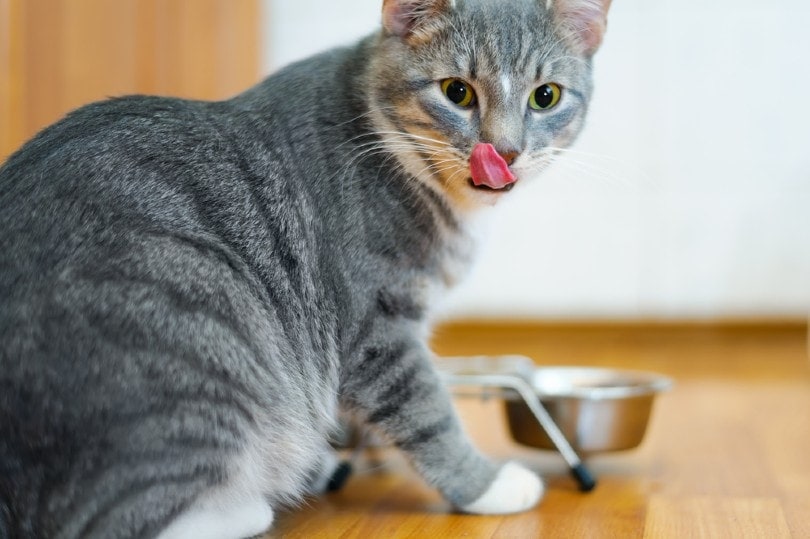
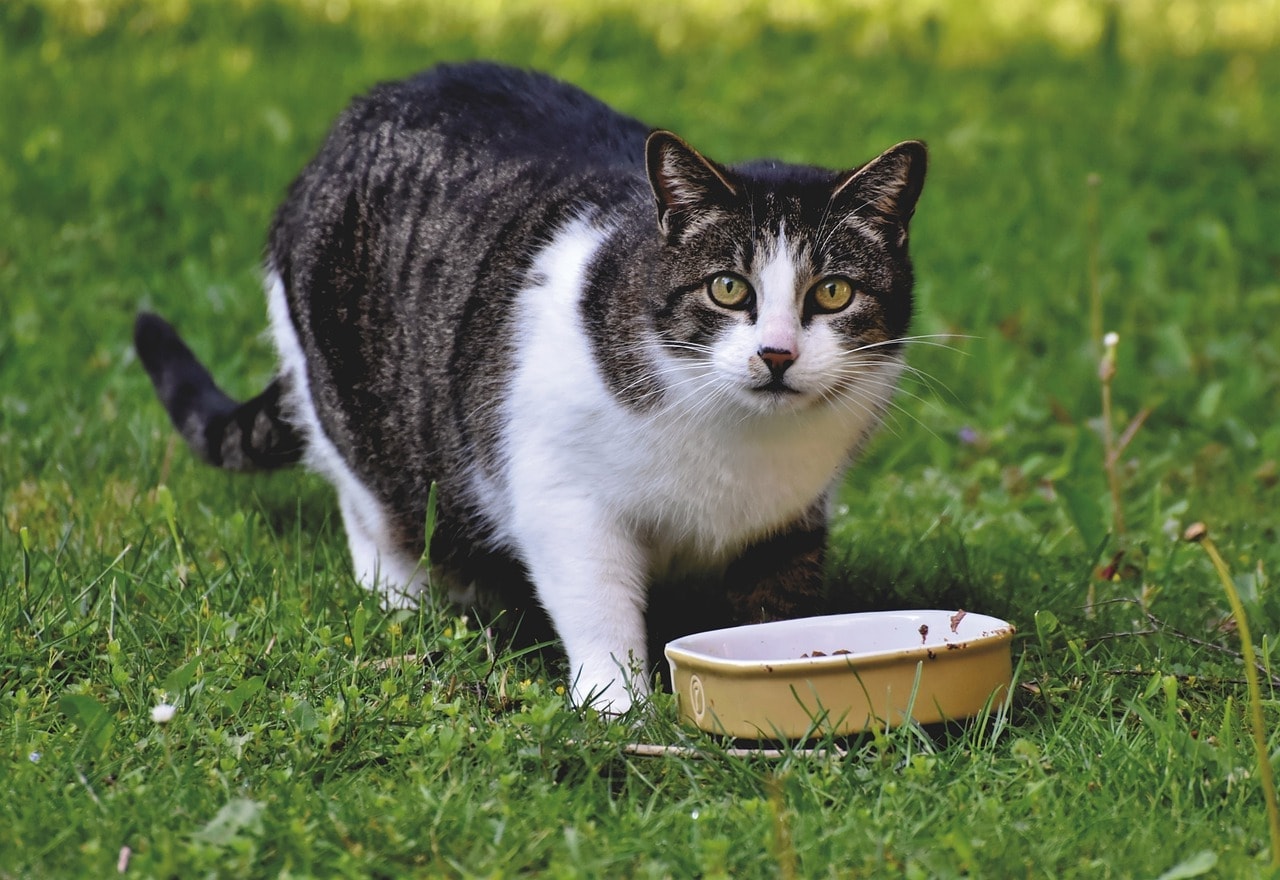
Cats only have one stomach. Its main job is to store undigested food while starting the digestion process. A cat’s full stomach will empty within a few hours as the food moves to other parts of the digestive system.
Let’s learn more about a cat’s stomach and what it does.

Cat Stomach Size
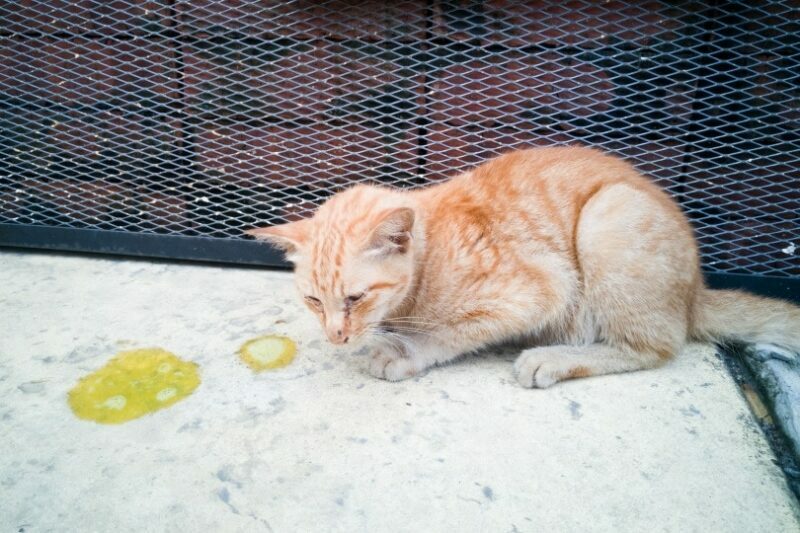
A cat’s stomach is roughly the size of a ping-pong ball. This isn’t very big and can only hold approximately 2-4 tablespoons of food at a time. Cats can gorge themselves on large meals. If you’ve ever seen a cat eat quickly and then regurgitate immediately after, this is because their stomach cannot accommodate all the food at once.
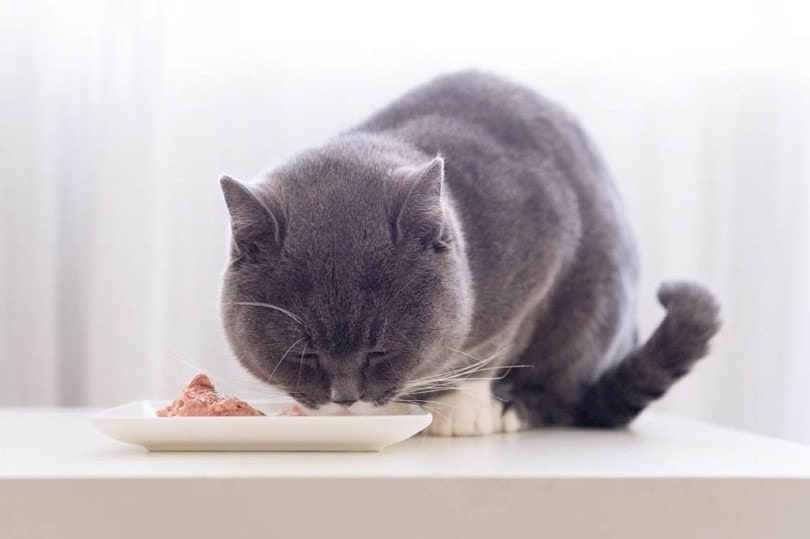
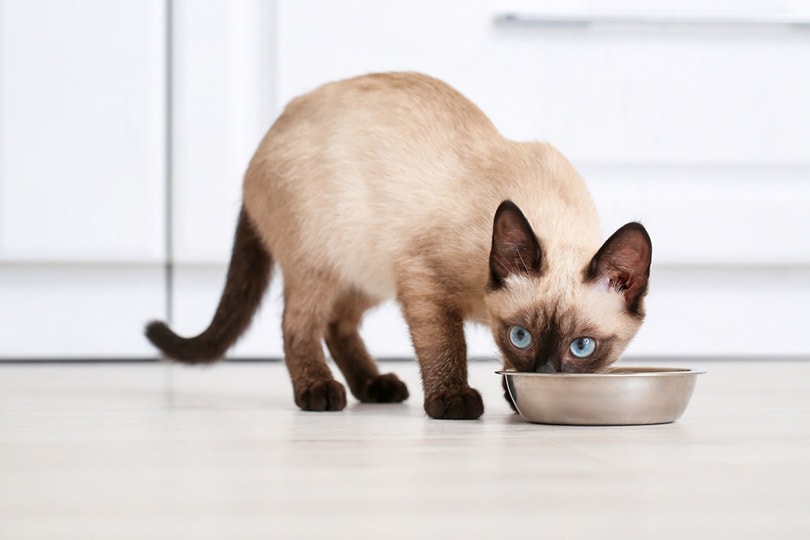
Wild cats that hunt for their food can eat seven meals or more per day. When feeding your domestic cat, several small meals throughout the day will be easier on their stomachs. If you can’t provide these meals, feeding your cat at least twice a day will keep your kitty from becoming ravenous. About 8–10 hours after eating one meal, your cat will be hungry again. If they go longer than 12 hours without food, their stomachs can fill with gastric acids and cause them to vomit.
Cat Digestive Process
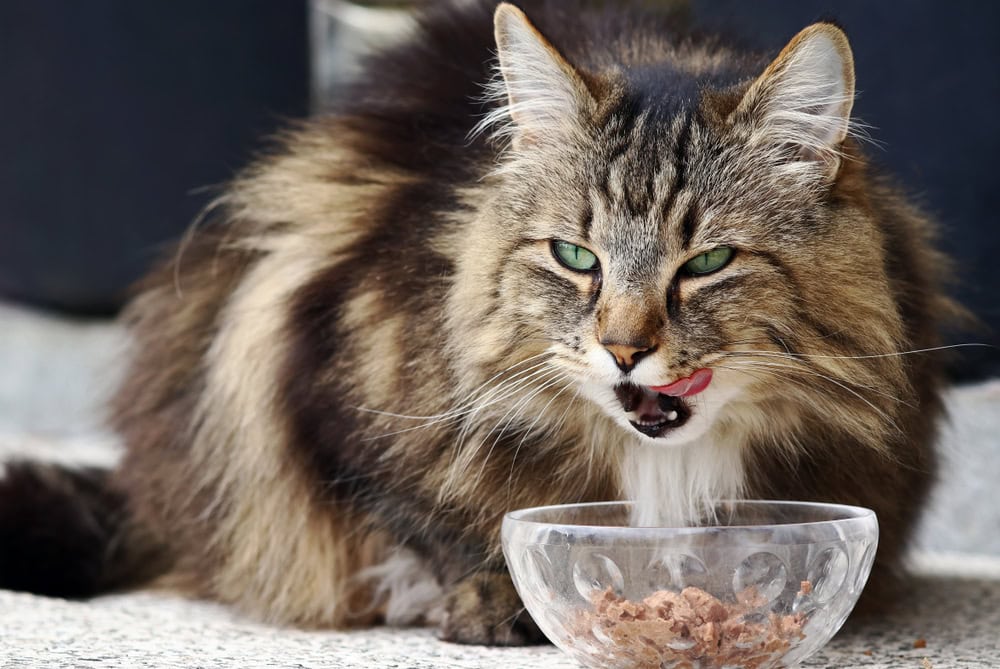
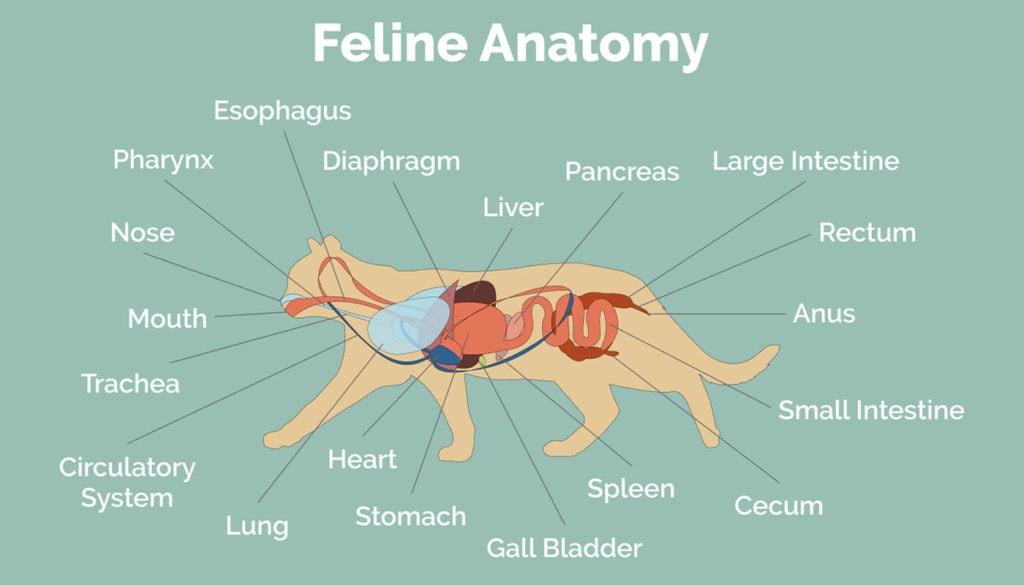
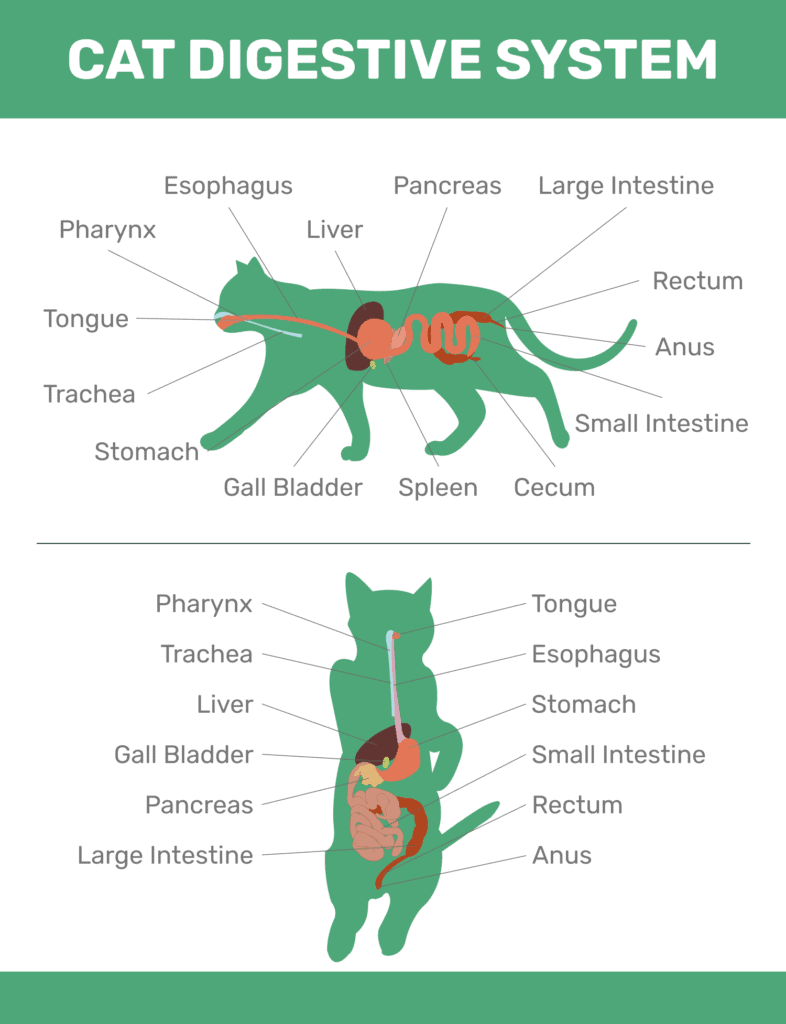
The digestion process for cats begins in their mouths. Cat teeth move up and down to shred and tear their food while the tongue adds saliva to the mix. This begins to break down the food. The tongue then moves food from the mouth into the esophagus.
A cat’s esophagus is approximately 16 centimeters long. The food then moves through the esophagus and into the stomach.
Stomach
Cats' stomach secretions are acidic enough to break down and digest bones. Once the food reaches the stomach from the esophagus, the food, particularly protein, is broken down. The stomach contracts, mixing the food with the acid until it reaches a liquid consistency. Then the liquid moves on to the small intestine where further digestion takes place.
Small & Large Intestine, Gall Bladder, Liver, and Pancreas
The small intestine is divided into three sections: the duodenum, jejunum, and ileum. Digestion continues in the small intestine with bile. Bile is secreted by the liver and stored in the gall bladder. It is responsible for breaking down fat into smaller molecules.
The pancreas then secretes enzymes that neutralize acid and help digest sugar, protein, and fat. The pancreas also produces insulin, which signals the cells to absorb glucose and regulates your cat’s blood glucose.
The small intestine is the place where proteins, enzymes, water, and electrolytes get absorbed. From there, everything passes into the large intestine, also called the colon.
The colon extracts the remaining water and nutrients from the partially digested food and forms solid waste that your cat will pass approximately 10- 20 hours after eating.
Why Can’t Hair Be Digested?
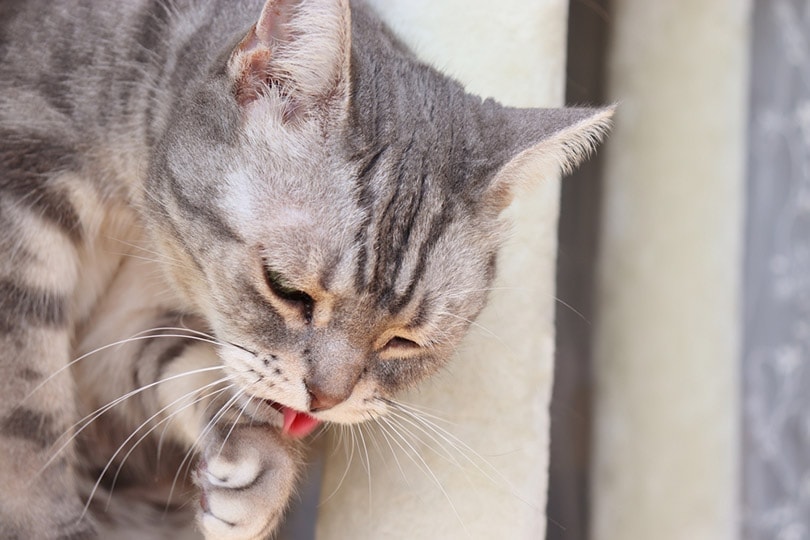
If cats have such a complex digestive system, why can’t they digest their own hair? If you’re a cat owner, you’re probably familiar with hairballs. When cats groom themselves, they ultimately end up swallowing some of their hair.
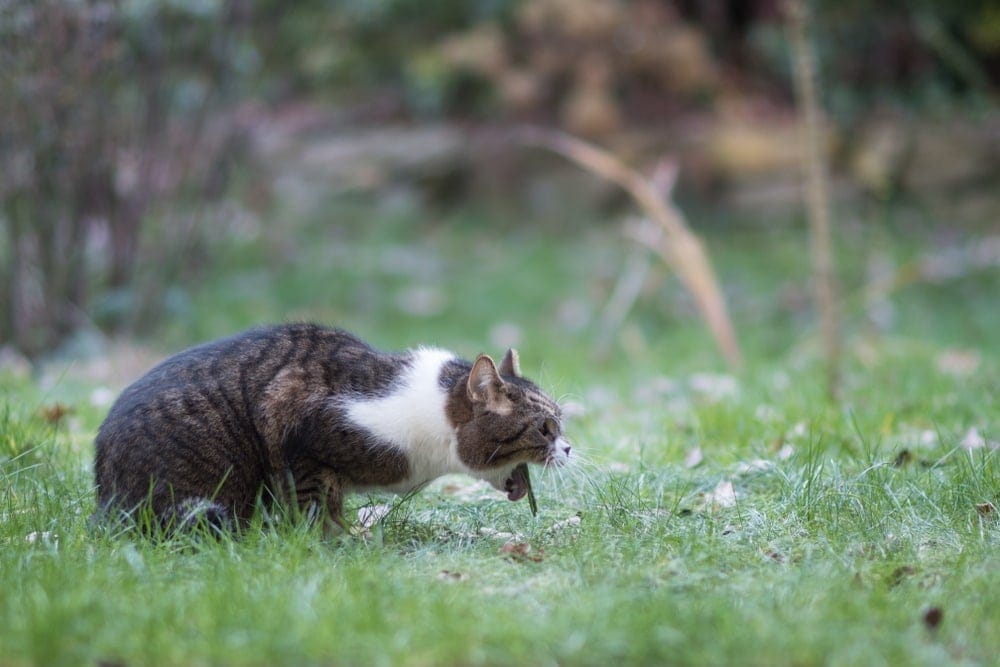
This hair can’t be digested because it’s made of keratin. It’s a fibrous structural protein resistant to a cat’s digestive system, so hair usually winds up being passed through the small and large intestines and is excreted. However, if the hair doesn’t pass through, it winds up forming a mass in the cat’s stomach that is eventually vomited up.
If your cat is prone to hairballs, it doesn’t necessarily mean something is wrong with their digestion. However, you should consider changing your cat's dry diet to a fresh and moisture-rich diet instead.

Why Does It Look Like My Cat Has Two Stomachs?
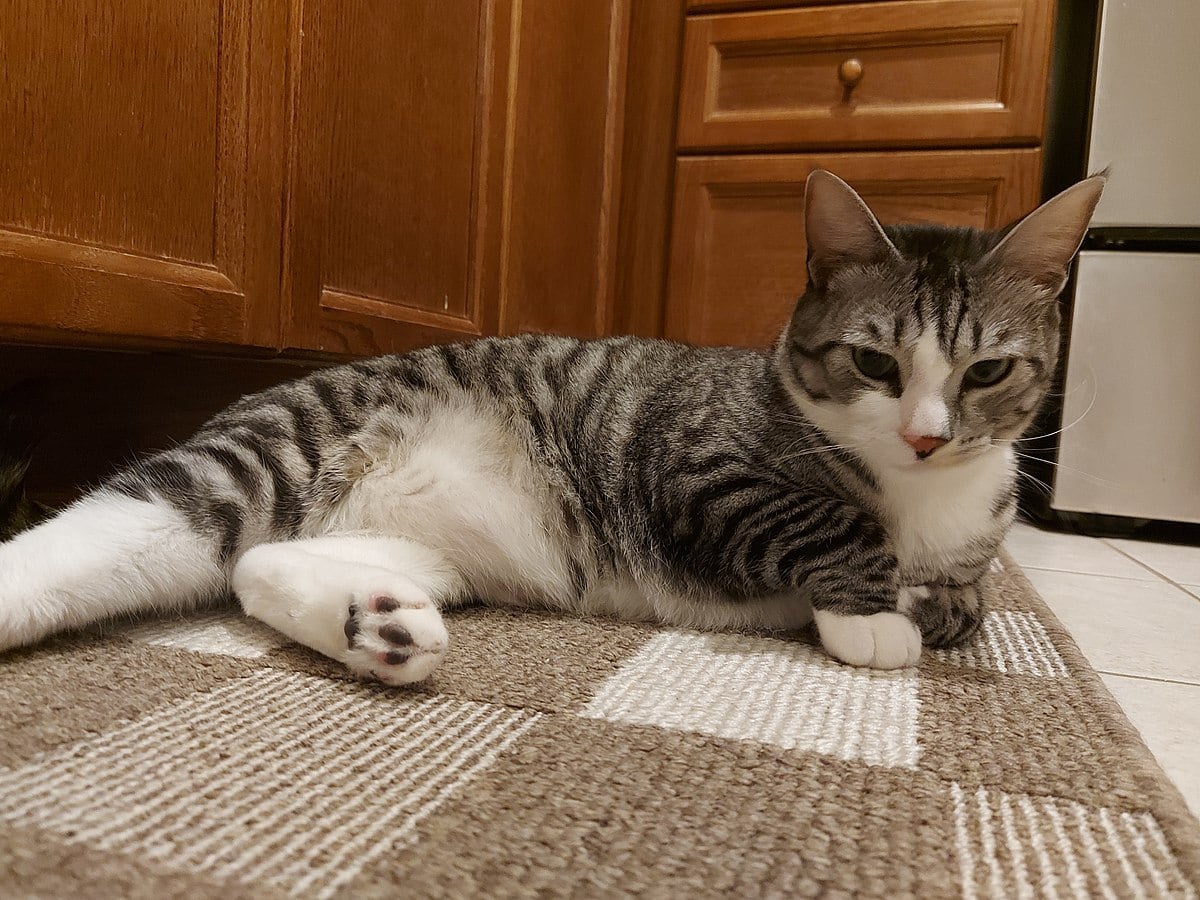
As your cat walks, you may notice a pouch on their abdomen that moves as they do. This can make your cat appear to have another stomach. If you can touch your cat’s belly before their claws reprimand you, you may even feel that their abdomen is firm while the extra pouch is jiggly.
It doesn’t mean your cat is overweight or that they have more than one stomach. It’s called a primordial pouch, and all cats have them. They’re made up of fur, skin, and fat, and even wild cats like tigers and lions have them.
The primordial pouch is a protective layer that has likely been passed down genetically from the first wild cats. Some pouches are more easily seen than others. If your cat looks like they don’t have one, it’s just not easily spotted. However, it does exist.
There are three theories about why the primordial pouches exist.
Final Thoughts
Cats have one stomach with several other digestive organs following it. They all play a role in the digestion process. This enables cats to get the nutrients, fluids, and electrolytes they need from their diet. Digestion starts in the mouth as they tear up pieces of their prey. Then the food moves through the esophagus into the stomach. From there, the intestines and accessory organs each do their parts to break down the food into nutrients. After the food is digested, the waste is excreted as feces.
If you think your cat looks like they have a second stomach, you may be seeing their primordial pouch. All cats have these pouches. They have been genetically passed down from cats’ wild ancestors.
While cats have a single stomach, the digestion process is still complex and it works to keep cats healthy. Feeding your cat a high-protein, low-carb diet will help their digestive system work efficiently to get the nutrients that they need.
See also:
Featured Image Credit: Capri23auto, Pixabay
Get Hepper In Your Inbox


Pet care tips from our vets and experts, straight to your inbox.
You may opt-out at any time. View our Privacy Policy for more information.
Nicole is a lover of animals of all sizes but is especially fascinated with the feline variety. She’s the proud mom of Baby, a Burmese, and works every day so he can relax in the sunshine or by the fire. She’s always had a cat in her home and has spent countless days with others, observing behaviors and softening up even the grouchiest of the lot. Nicole wants to share her kitty expertise with you so you and your cat can live happy, healthy, and care-free.
Join the conversation
Ask a question, share your story, or send private feedback.