Hepper is reader-supported. When you buy via links on our site, we may earn an affiliate commission at no cost to you. Learn more.
How to Help a Cat Pass a Hairball: 4 Vet Approved Tips


In this article
This article has been approved for medical accuracy by a qualified veterinarian. However, the purpose of this article is not to diagnose your cat or prescribe treatment. Every case is different and cat owners are urged to seek veterinary treatment for the best health outcomes in their pet. Any opinions expressed are those of the writer.
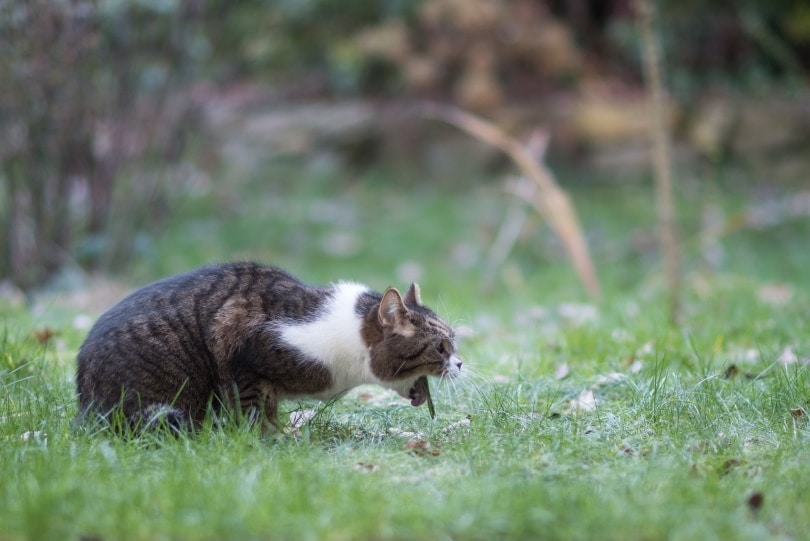
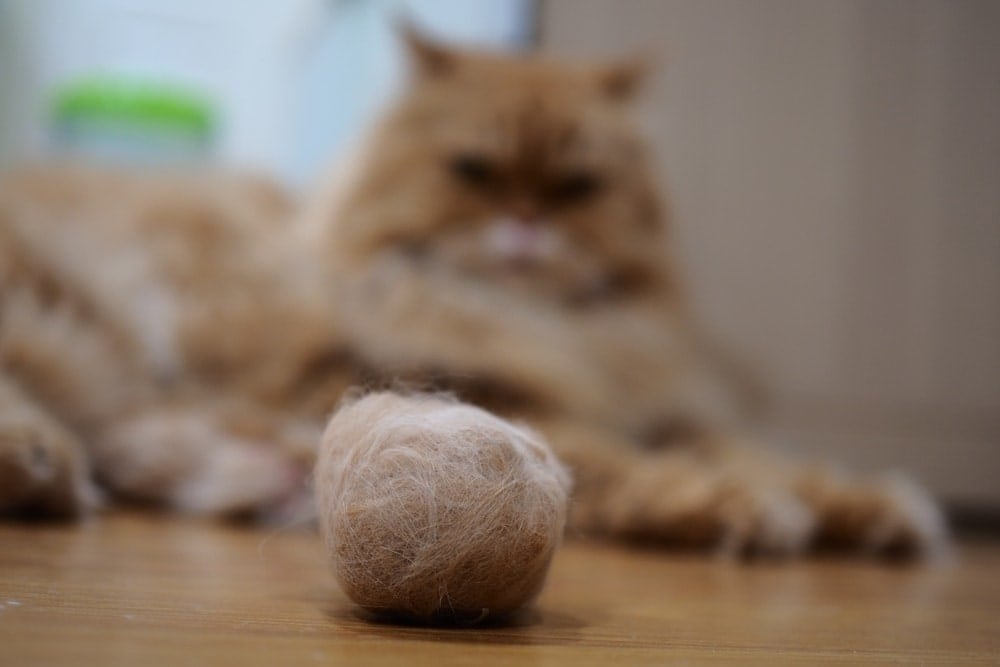
Few things wake us up as violently as hearing the lurching gag of a cat trying to hack up a hairball. As gross as they are, they're a fact of life for a lot of long-haired breeds. Hairballs happen sometimes and most cats are able to pass them just fine. However, if they are showing signs of illness, you may need to take them to the vet to make sure there’s no intestinal blockage or other disease. Here's what you need to know about what to do about hairballs, including why they happen and how you can help your furry friend.

Why Do Cats Get Hairballs?
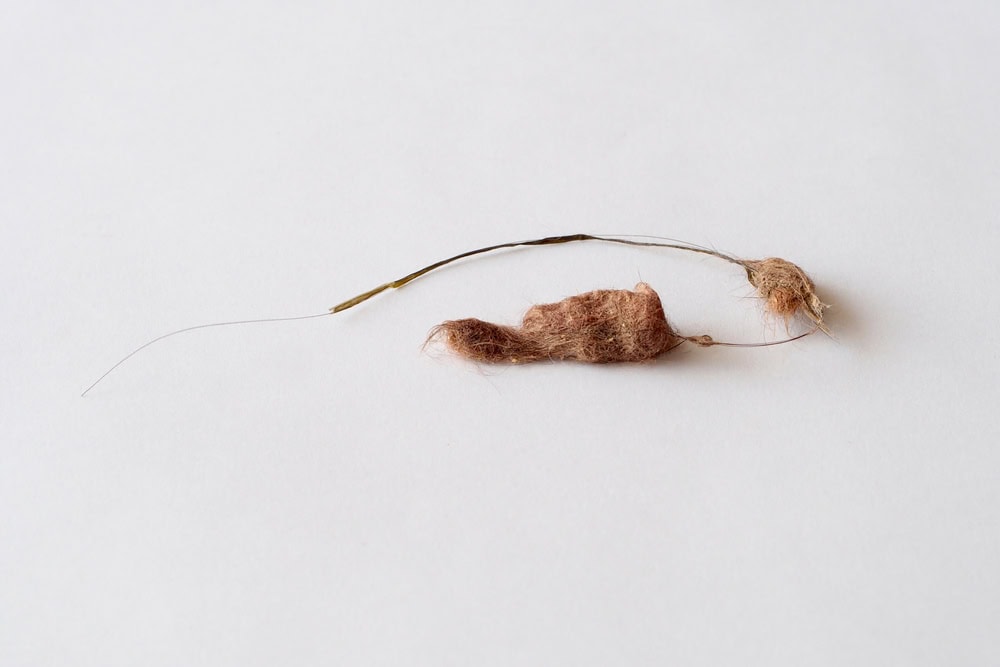
When cats groom themselves, the rough barbs on their tongue strategically catch loose hairs. Those loose tufts of fur are usually swallowed, and over time, they can form a ball in your cat's digestive system. A trichobezoar is the medical name for a hairball. Most fur will pass safely through their feces, but some get tangled up and need to exit the way it came. It can be perfectly normal for a cat to throw up a hairball every now and then. Frequent hairballs, however, can be a sign of trouble that needs to be addressed by a vet. Your cat may have an underlying gastrointestinal problem, making it hard for them to pass the hair. Some cats will overgroom due to allergies, or even stress, which can increase the incidence of hairballs.
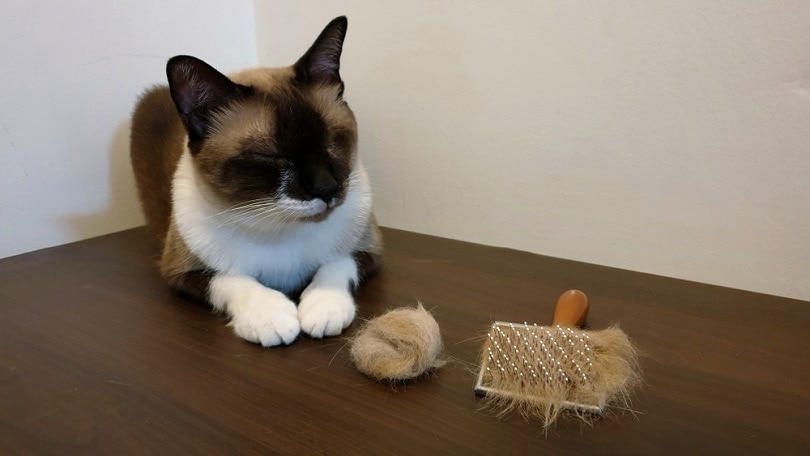
Long-haired cat breeds, like Maine Coons and Persians, are more likely to develop hairballs than short-haired breeds. However, any cat can develop hairballs, especially if they obsessively compulsively groom themselves. Occasionally, a hairball can get lodged in your cat's digestive system and cause an intestinal blockage. This can be mild or severe, needing surgery. If in doubt, it’s time to head to the vet.
The 4 Tips to Help a Cat Pass a Hairball
1. Dietary Fiber
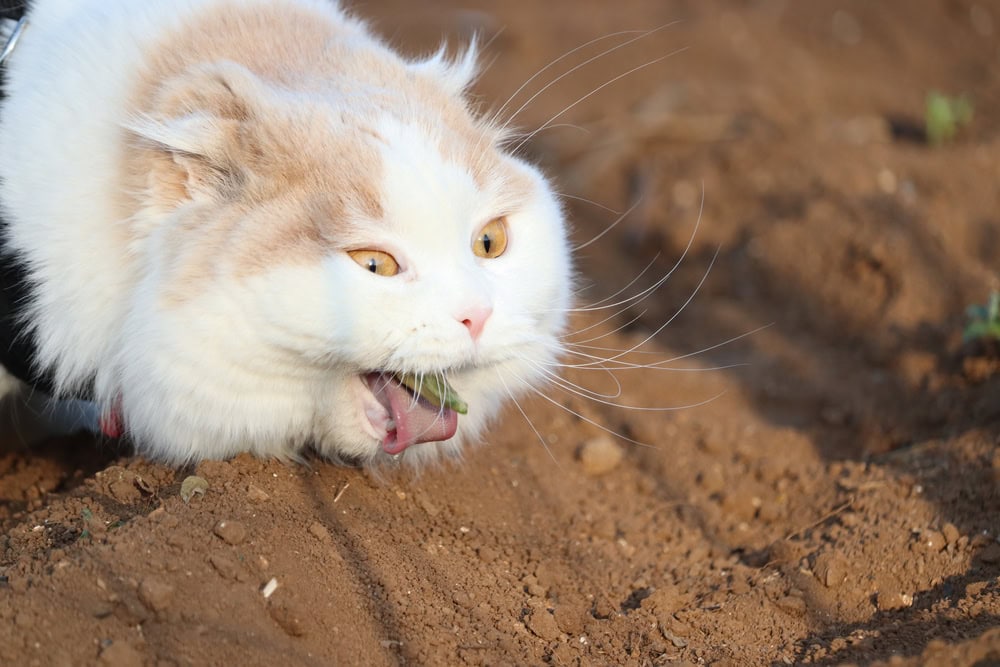
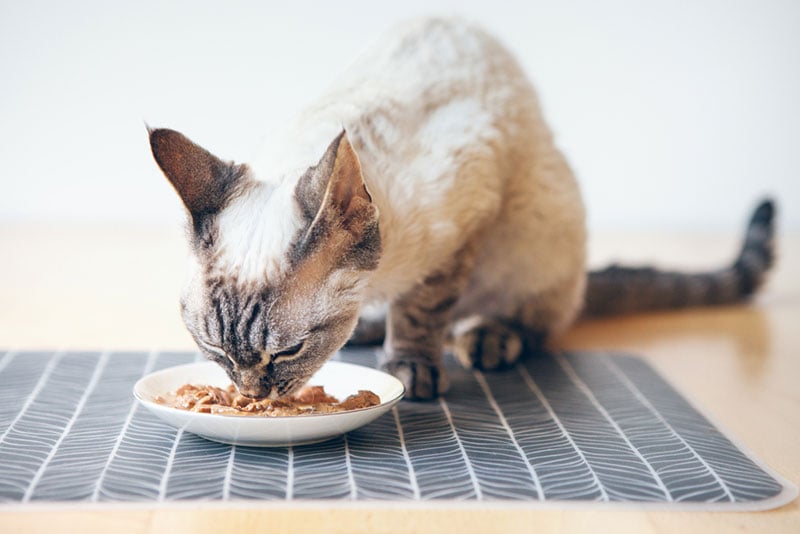
You can add a little bit of pumpkin, carrot, or another safe, fiber-rich vegetable to your cat's regular dinner. A fiber boost can go a long way to strengthen their overall dietary health and help them pass a hairball in their feces. Cat grass is also a fun addition to their diet and is easy to grow in a sunny windowsill. Look for a dry food with added fiber, including psyllium husk, to help reduce hairball formation in cats.
2. Laxatives
If you put petroleum jelly on your cat's paws, they'll lick it off. The lubricant will essentially grease their insides, which makes it easier to pass hairballs. Yes, it's weird, but petroleum jelly is safe for your cat to ingest in small amounts and might give them some relief. Another type of over the counter laxative is Laxapet gel which is designed for pets and comes with detailed instructions on how to use it. Just make sure not to overdo it with the laxatives as they can cause diarrhea if too much is given.
3. Add Healthy Oils to Their Diet
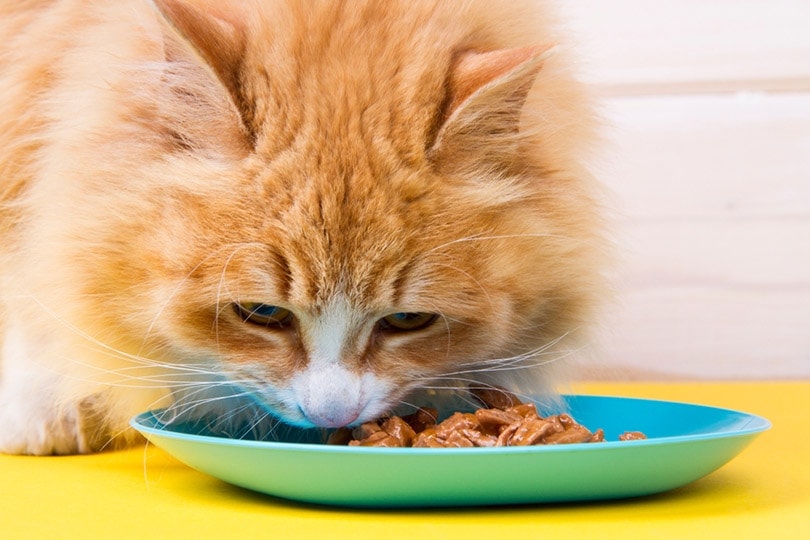
Adding a teaspoon of olive oil to their food or treating them to unseasoned fish can give your cat a beneficial supply of omega 3s. Ask your vet if fish oil tablets might be a good idea to give to your cat on a regular basis. Healthy oils have other benefits aside from helping to pass hairballs. Not only do they help the hairball crisis to pass, but they're anti-inflammatory supplements that are good for their joints, skin, coat, and immune system.
4. Encourage Them to Drink Water
Like humans, many felines don't drink enough water in a day. If they're eating a dry food diet, chances are good that they might even be on the brink of dehydration. You might want to invest in something that'll make them want to take a sip, such as a running water fountain which keeps water moving and can also filter out impurities. You can also add some water into their diet. Good hydration will help the intestines maintain their motility and pass hairballs.

When to Seek Veterinary Help
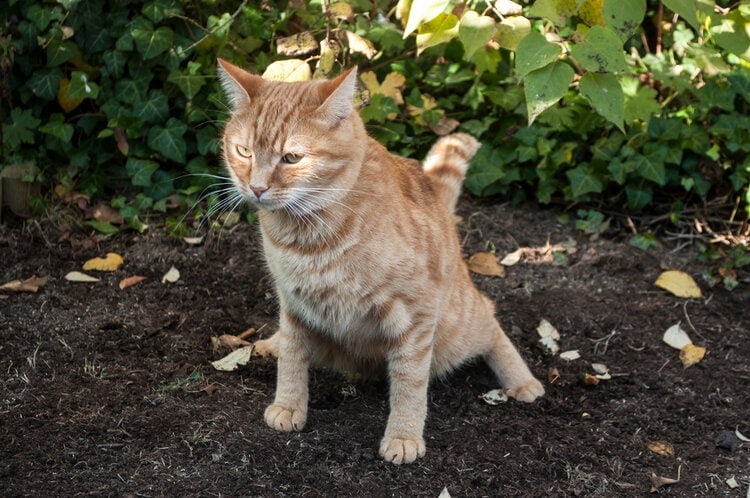
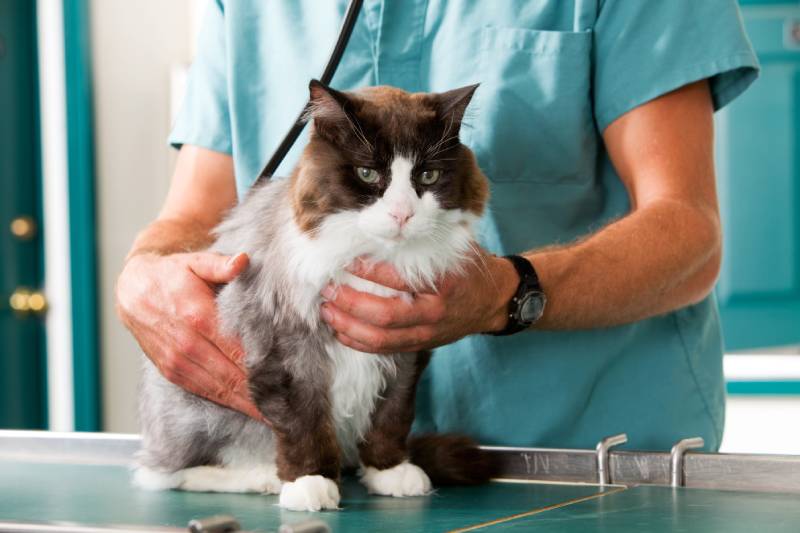
If your cat has frequent hairballs you should see your vet as there is frequently an underlying cause. Signs such as straining to pass feces and gagging can be due to hairballs or other problems. So to be on the safe side, it is best to always see the vet. A lodged hairball can cause serious problems, so it's definitely something you don't want to ignore.
Other signs to watch out for include:
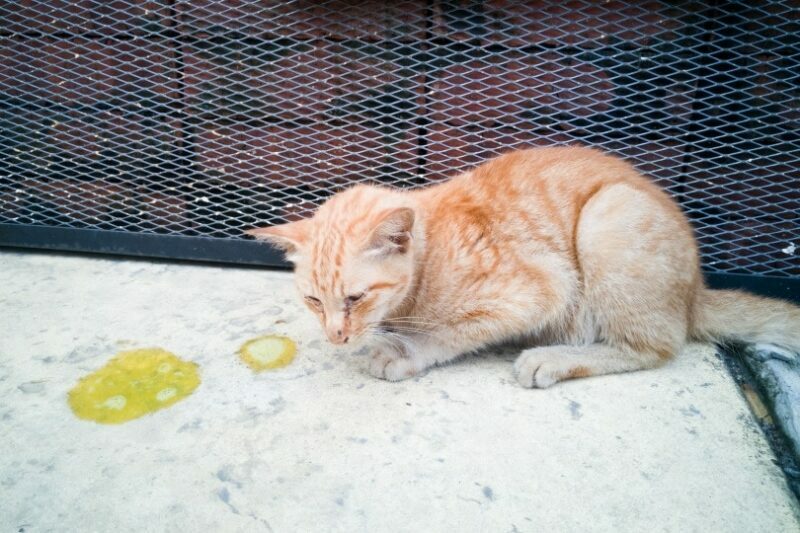
Unfortunately, like hairballs, vomiting is a fairly common problem in cats. However, felines are such small creatures that it doesn't take very many episodes of vomiting and diarrhea to dehydrate them. For this reason we always recommend a veterinary assessment.
The 4 Ways to Reduce Hairballs in Cats
1. Ask Your Vet About Switching Their Diet
If hairballs are a chronic problem, ask your vet if it might be a good idea to feed your cat a commercial diet formulated to help combat hairballs.
2. Brush Your Cat with a Slicker Brush
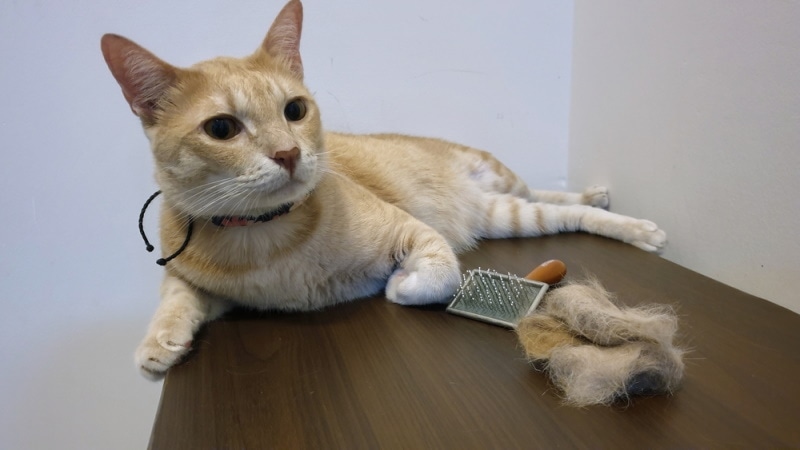
If your cat sheds profusely, make sure to brush them a couple times a week with a slicker brush to catch some of the loose fur. This will cut down on the loose hair that they ingest while grooming and help prevent hairballs.
3. Watch Your Cat for Signs of Stress
Yowling, pacing, hiding and excessive grooming are all signs of anxiety in cats. Excessive grooming can lead to more hairballs. Many stressed cats will have patchy hair loss from all the grooming they do. If possible, determine what's causing it so you can figure out a way to help them cope. Some common stressors include changes such as a new pet or even a slight shift in furniture placement. If you can't find a way to help your friend cope, talk to the vet about an anxiety-reducing diffuser like Feliway or medication.
4. Treat Any Underlying Disease
Monitor your cat for signs of skin or gastrointestinal disease. Vomiting, diarrhea, weight loss and loss of appetite could indicate problems with their digestive tract. Skin rashes, itching and hair loss could be due to allergic or parasitic skin disease. Keep track of any of these signs and speak to your veterinarian about possible treatment options.

Final Thoughts
Like bad times, hairballs are a normal part of life that pass...usually. If your cat has been hacking, you should take them to the vet to make sure they aren't suffering from an intestinal blockage. Implementing lifestyle tips to help hairballs slide through can reduce the risk of your feline friend developing blockages in the future.
Sources
https://www.pumpkin.care/blog/how-to-help-cat-pass-hairball/
https://www.researchgate.net/publication/236002568_Therapeutic_Uses_of_Omega_Fatty_Acids_in_Cats
https://www.webmd.com/pets/cats/what-to-do-about-hairballs-in-cats
https://vcahospitals.com/know-your-pet/trichobezoars-in-cats
https://veterinarypartner.vin.com/default.aspx?pid=19239&id=6183225
https://www.petmd.com/cat/conditions/behavioral/c_ct_fear_phobia_anxiety
Featured Image Credit: Montakan Wannasri, Shutterstock
Get Hepper In Your Inbox


Pet care tips from our vets and experts, straight to your inbox.
You may opt-out at any time. View our Privacy Policy for more information.
Brooke Bundy is a freelance writer who graduated from the University of North Georgia with a B.S. in Media Studies. She is interested in storytelling across different mediums. When she isn’t writing, Brooke loves to spend time with her dog, and three cats, in New Orleans, Louisiana. Brook enjoys gardening, cooking, brewing coffee, and making her pet's house a home.
Join the conversation
Ask a question, share your story, or send private feedback.