Hepper is reader-supported. When you buy via links on our site, we may earn an affiliate commission at no cost to you. Learn more.
How Much Exercise Does a Cat Need? Vet-Reviewed Facts & FAQ


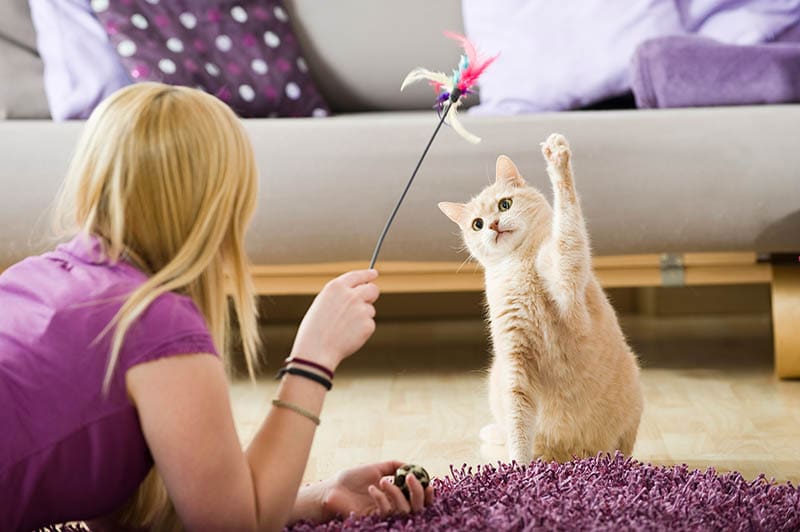
Cats are different from dogs when it comes to activity. Dogs seem more upbeat about playing and are always up for a game of fetch or tug-of-war. Exercise is imperative in keeping our pets in shape, but what about cats? If you’re a cat owner, you may wonder how much exercise a cat needs. Exercise is important for your cat’s overall health, and the general consensus is to provide at least 30–45 minutes of exercise daily for your feline fur baby, split into two or three play sessions of 10–15 minutes each. This will greatly depend on their age and health, as kittens need more exercise in comparison to older cats.
Does this apply to all cats? Not necessarily—certain factors play a role, which we’ll discuss further in this post. Let’s investigate.

How Much Exercise Does My Cat Need?
We’ve mentioned a cat should have 30 to 45 minutes of exercise split into two to three 15-minute sessions. However, there is no perfect, exact number, and this number may not apply to your particular cat. Most veterinarians agree that 30 minutes of exercise or more daily is suitable for most cats, but it’s wise to consult your vet beforehand to ensure that the amount of exercise is fitting for your feline.
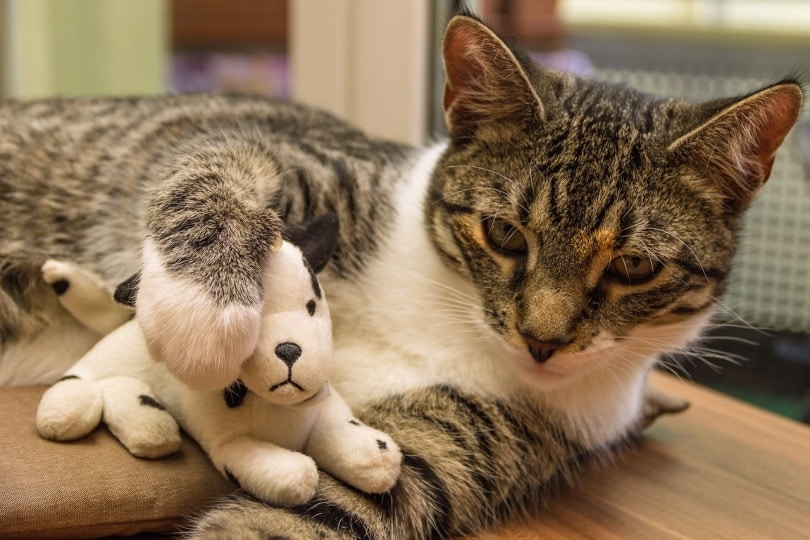
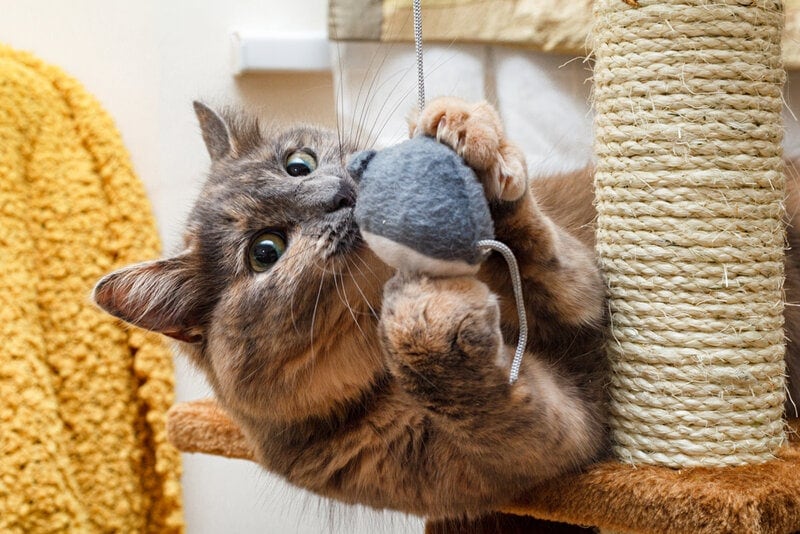
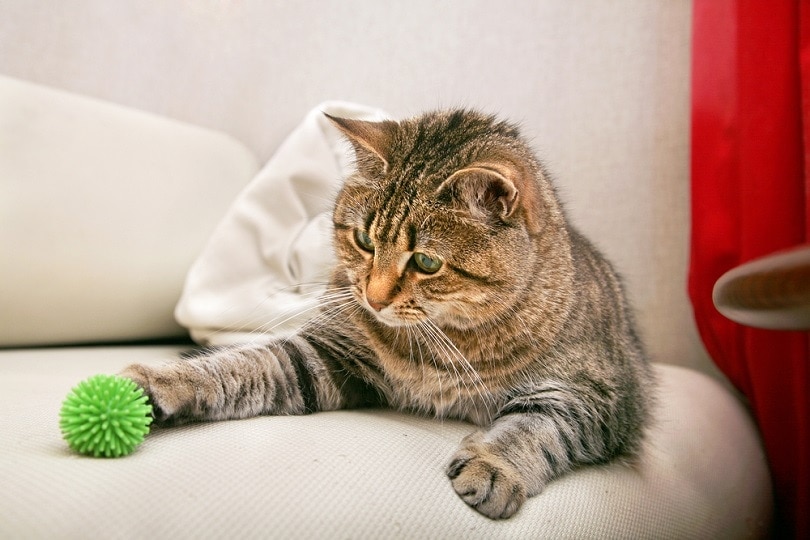
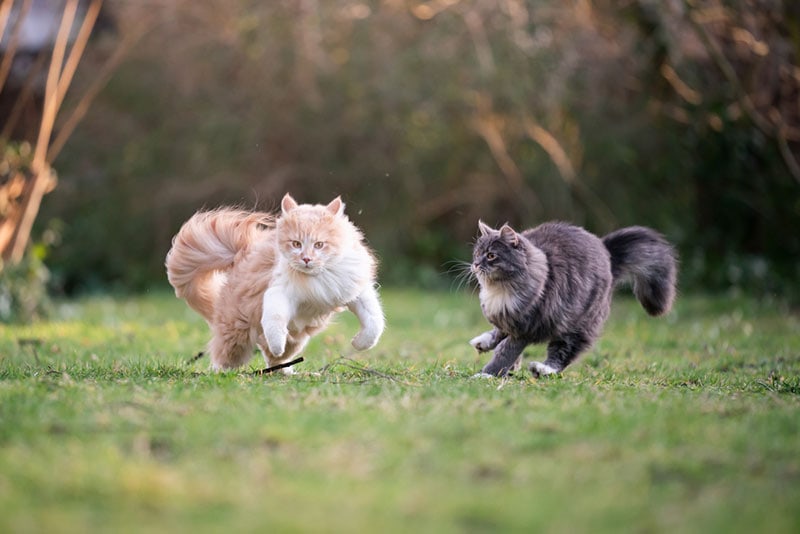
Bear in mind that cat exercise does not always need to be between human and cat. Your cat can receive adequate exercise by playing with other pets in the home or even playing by themselves, such as swatting and batting a favorite toy, known as object play.
Play behavior in cats can be divided into three categories:
Ideally, if possible, a cat should receive all forms of play behavior daily. Some cat owners do not have other pets in the home for their cat to play with, but that’s ok, as we’ll explain next.
How Do I Increase My Cat’s Exercise Levels?
Some cat owners have only one cat, and if this is you, you may be wondering how to ensure your cat is getting enough exercise.
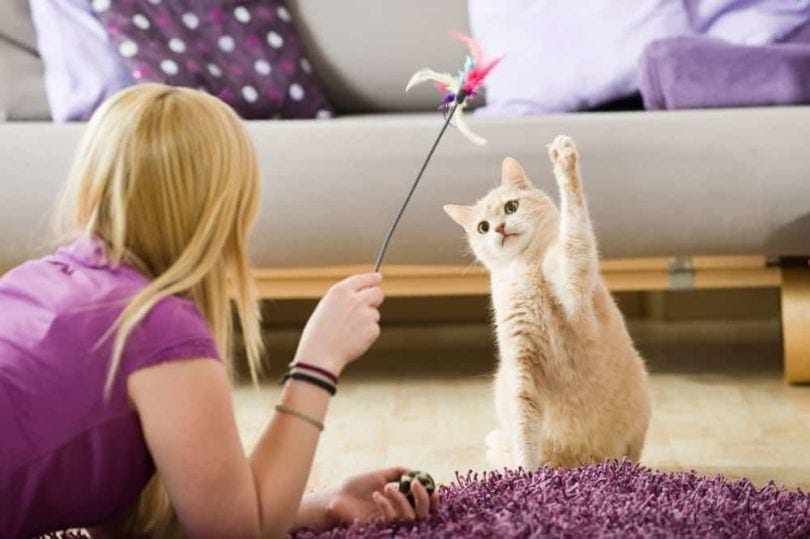
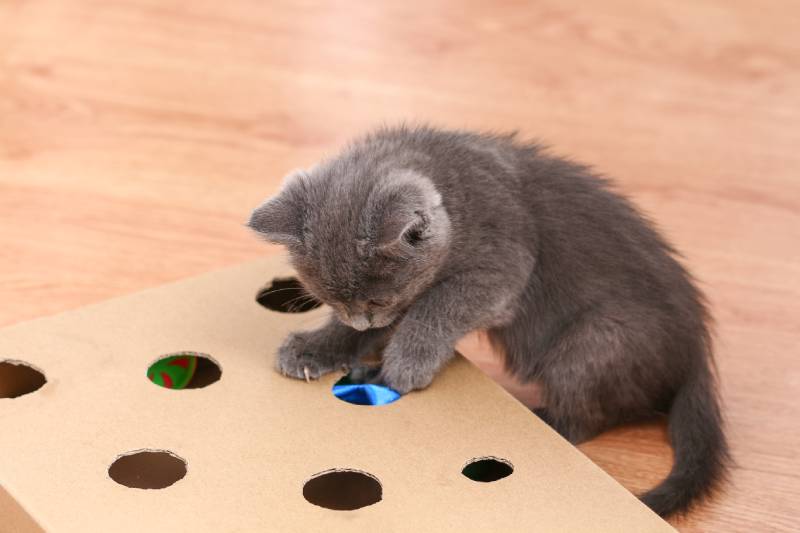
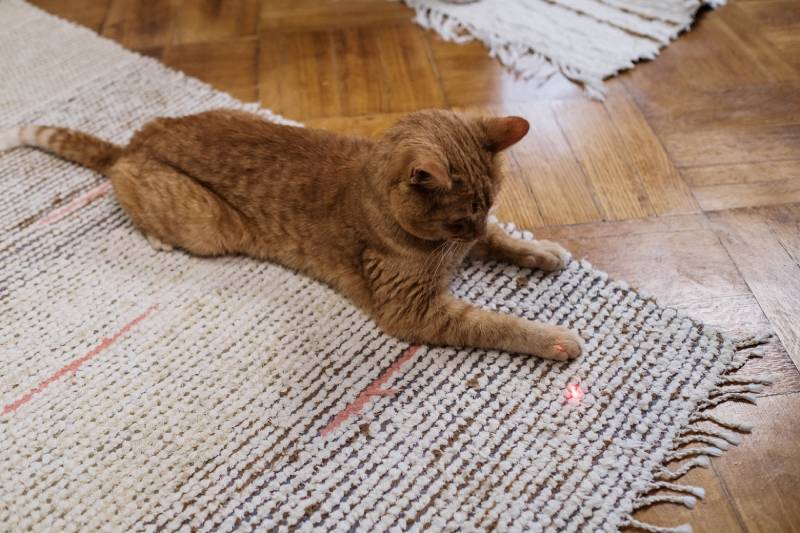
When it comes to engaging your cat to play, you have many options. For those with one cat, you can try cat toy puzzles that will exercise your cat both mentally and physically. Laser pointers are usually a cat favorite and allow for excellent exercise activity. Teaser and wand toys are also excellent options for play. Exercise wheels are not just for gerbils and hamsters, they are terrific for cats, too, and provide exceptional cardio for your feline companion. Ensure you also provide a cat tree, which offers excellent exercise and encourages locomotor play.
It's possible to train your cat to walk on a leash, which is another excellent way to get your cat moving and provide exercise. Kittens are easier to train to walk on a leash, but it can also be done with adult cats. Ensure you use a cat harness and entice your cat with treats during training to lure your cat to walk with you. When they do, reward them with a small treat.
What Factors Influence My Cat’s Activity Needs?
Let’s circle back around to the factors that influence just how much activity your particular cat should receive daily.
First and foremost, your cat’s age will play a factor. Younger cats will be more energetic than older cats, and if your cat is approaching the senior stage, activity will be less. It has been previously believed that males tend to be more energetic than females, but this depends largely on each cat’s individual character and neuter status, as entire males and females tend to roam more in search of a mate, while males are more territorial. Female cats may actually even be more active than males by a small study published in 2017, but there isn’t a lot of research on this topic, and the number of cats studied was too small. The third factor may be the amount of living space your cat has in the home. Cats with limited space and limited or no secure outdoor space may not be as active as cats living in large spaces with safe outdoor access, but this isn't always the case. There are plenty of enrichment options for cats that can be arranged in smaller spaces.
The next factors have to do with your cat’s personality, how much activity your cat is willing to engage in, your cat’s overall health, and if your cat has been diagnosed with a particular disease that may reduce your cat’s activity levels.
Lastly, the relationship with your cat and how much you’re home may play a factor. Your particular work schedule, for example, can influence the amount of play activity—if you’re home more than at work, your cat may be more interested in playing versus you being gone most of the day.
Why Is Exercise Important for My Cat?
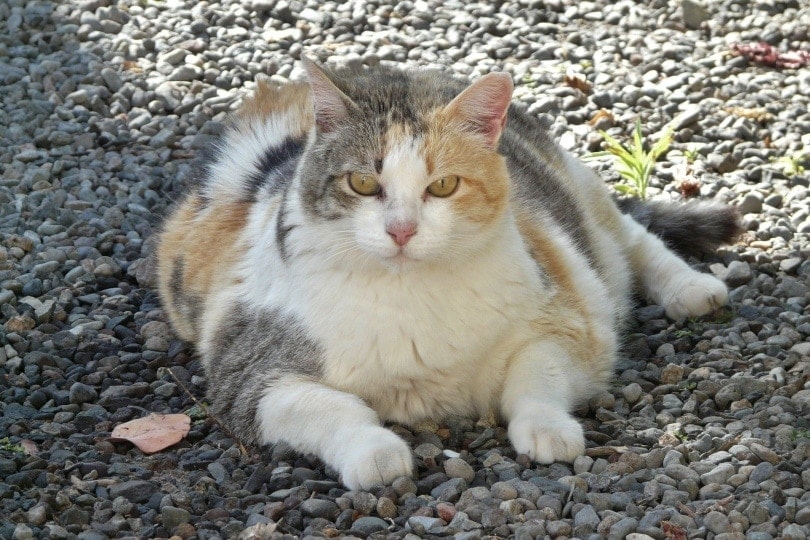
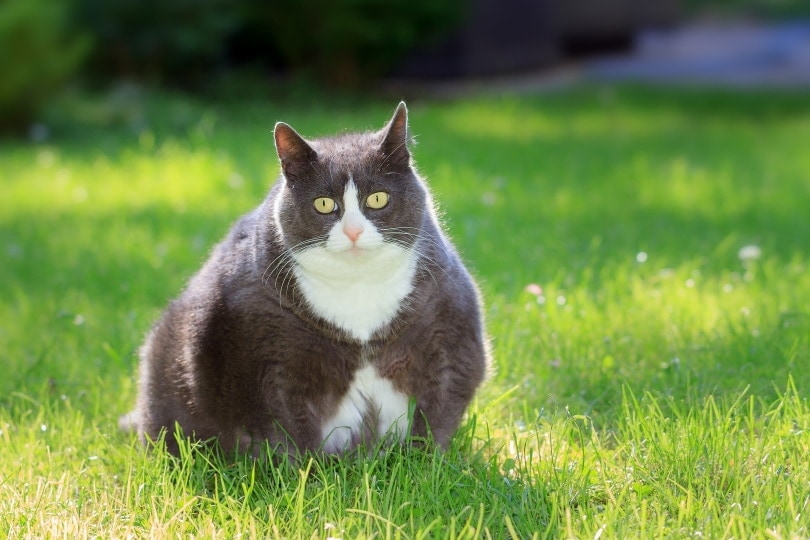
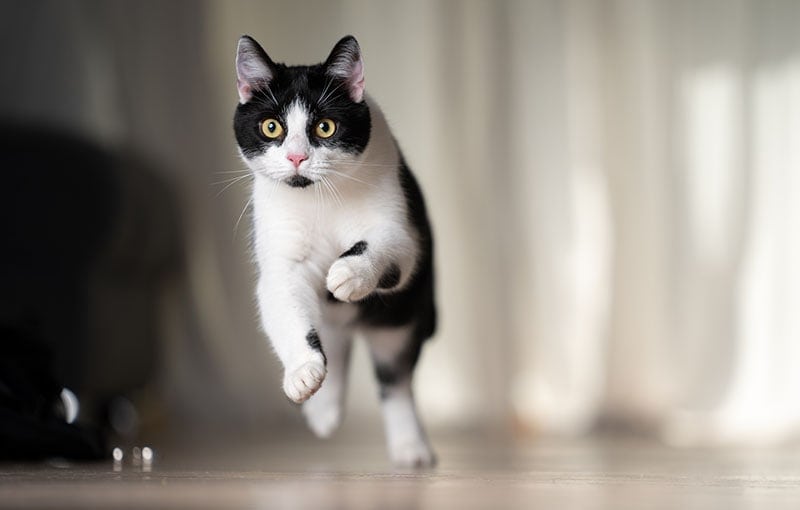
Exercise is vital for cats because it keeps cat obesity at bay. Cat obesity is a significant problem, with up to 63% of cats considered overweight or obese in developed countries, which can predispose them to many health problems, such as arthritis, diabetes, breathing and cardiovascular problems, and urinary tract issues. Exercise also can help keep behavioral problems down in your cat, such as clawing furniture, excessive vocalization, and aggression.
Conclusion
Not every cat is the same, and you will need to determine what form of exercise is best for your particular cat. Keeping our cats healthy, happy, and safe are our top priorities as cat owners, and it's up to you to ensure your cat is getting adequate daily exercise. If your cat has no interest, it's wise to take your cat to the vet for a checkup to ensure a medical issue is not present.
You may need to experiment with different play activities to determine what your cat loves, but with trial and error (and patience), you can learn how to get your cat moving.
Featured Image Credit: Dora Zett, Shutterstock
Get Hepper In Your Inbox


Pet care tips from our vets and experts, straight to your inbox.
You may opt-out at any time. View our Privacy Policy for more information.
Rachel Giordano is a writer and musician out of Pensacola, Florida, living there with her partner and their two dogs, Aero, a Border Collie/Sheltie mix, and Sophie, a Boston Terrier. Rachel has a Bachelor of Arts degree in communication and enjoys writing about all types of animals. When Rachel’s not dedicating her time to writing about animals, she enjoys writing thriller/suspense novels. A writer by day and a musician by night, she's passionate about educating the public about the requirements and needs of all types of animals.
Join the conversation
Ask a question, share your story, or send private feedback.