Hepper is reader-supported. When you buy via links on our site, we may earn an affiliate commission at no cost to you. Learn more.
Sudden Onset Arthritis in Cats (Septic Arthritis): Vet Reviewed Causes, Signs, & Care


In this article
Cats are prone to a form of arthritis known as septic arthritis, also referred to as infectious arthritis. This type of arthritis is rare in cats and more common in dogs. Septic arthritis occurs suddenly in cats, and it is caused by a bacterial or viral infection, unlike typical arthritis that generally doesn’t involve infections, takes years to develop, and in some cases, can be inherited.
If your cat has suddenly developed symptoms of arthritis, it's important to take them to a veterinarian for a check-up. Septic arthritis can cause a range of painful symptoms that require medical intervention to keep your cat comfortable and to treat. Read on below to find out more.

What Is Septic Arthritis?
If your cat suddenly develops arthritis, it is quite likely to be septic or infectious arthritis which is caused by a range of organisms including bacteria, fungi, or viruses. Septic arthritis causes painful joint inflammation from the body’s attempt to fight these infectious agents. Septic arthritis is different than typical arthritis (also called degenerative joint disease) because it does not develop gradually due to age-related changes that include wear and tear on the joints.
Septic arthritis commonly affects a cat’s wrist, knee, and ankle joints, and the infection can potentially spread to other parts of the body. When the disease-causing micro-organism enters your cat's joint, it not only damages the bone and cartilage, but it can also affect the surrounding tendons, ligaments, and muscles.
What Are the Signs of Septic Arthritis?
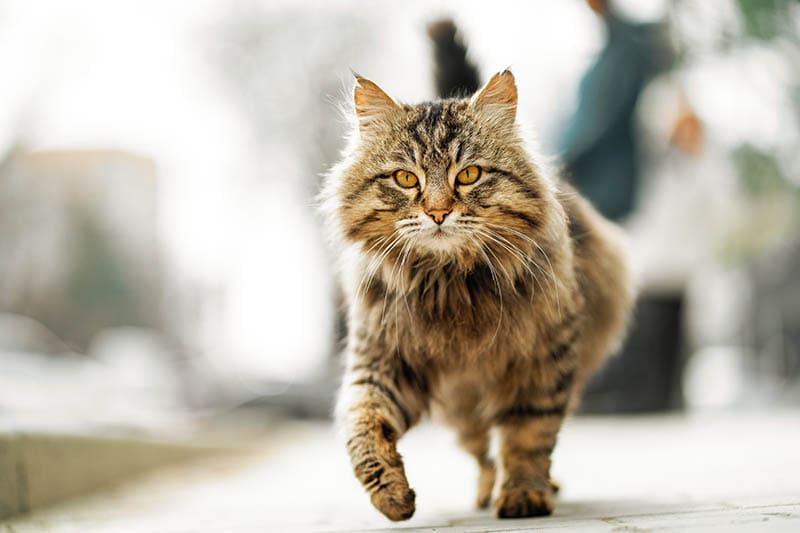
The sudden onset of septic arthritis can be painful and uncomfortable for your cat. You may notice similar symptoms to a cat that has the typical form of arthritis, however, thye often occur suddenly and can worsen quickly. One of the first symptoms you will notice in a cat suffering from septic arthritis is limping, joint inflammation, pain, and lameness.
There are several other symptoms of septic arthritis that you should know about:
- Joint swelling
- Lethargy
- Fever
- Lack of appetite
- Acute or chronic lameness
- Pain
- Poor mobility and motion
- Stiffness
- Warm joints
It is not necessarily considered an immediate medical emergency, but cats should be taken to a veterinarian as soon as they notice the uncomfortable symptoms so treatment can be administered.

What Are the Causes of Septic Arthritis?
Septic arthritis is caused by infectious organisms such as viruses, bacteria, or fungi. It can happen due to trauma or a wound on your cat’s joints that allows foreign materials to enter your cat's body. Cats that have certain medical conditions that suppress their immune system, or are on medications that suppress their immune system may be further prone to developing the condition.
How Do I Care for a Cat with Septic Arthritis?
Cats with septic arthritis will receive various medical treatments depending on the specific infection they are experiencing. Treatments can involve antiobitcs, anti-virals, anti-fungals, and pain medications. Many, if not most, cats make a full recovery from septic arthritis and your veterinarian will give you tips on caring for your cat's condition in the long term.
Many times your cat may be hospitalized during initial treatment, if they are not stable enough to receive therapy at home. In some cases, your cat will need to have surgery to reduce the amount of joint damage from this condition, and the joint might be flushed out.
At home, ensure you follow any restrictions on physical activity as directed by your veterinarian. This may include isolating your cat to a room, or not allowing them outdoors. Also ensure that your cat receives any prescribed medications as scheduled, even if your cat seems to be feeling better.
Frequently Asked Questions
What To Expect at the Vet Clinic?
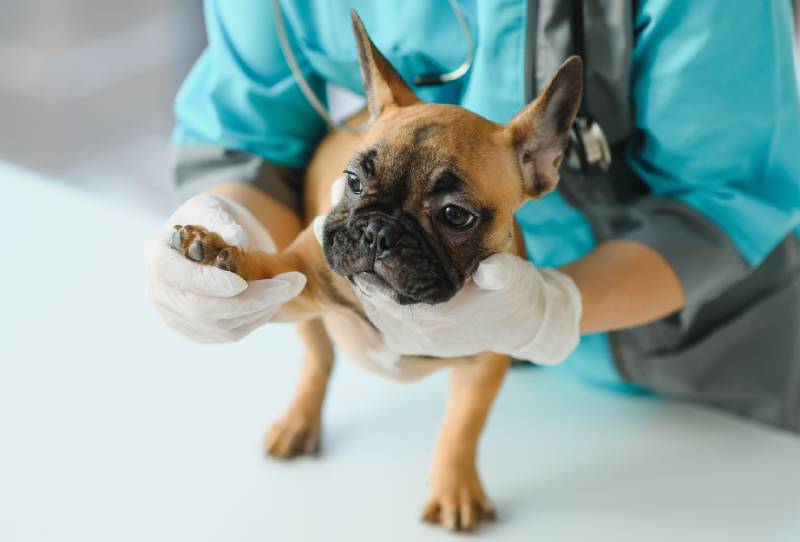
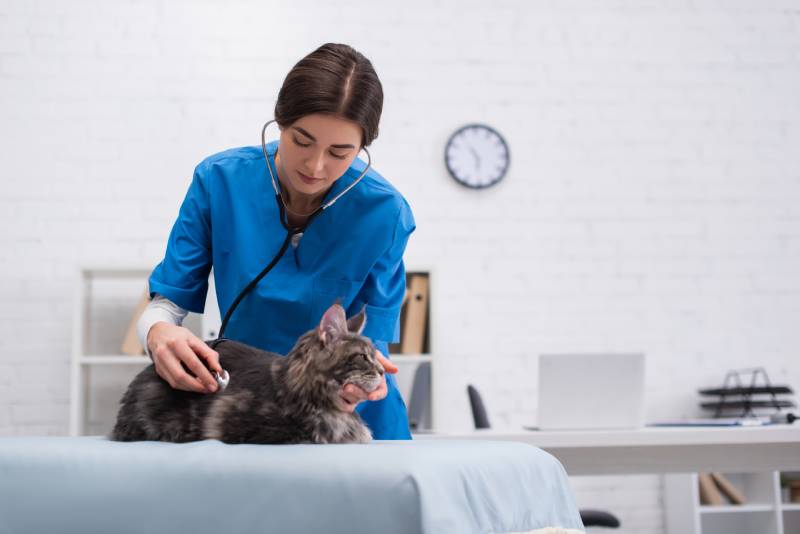
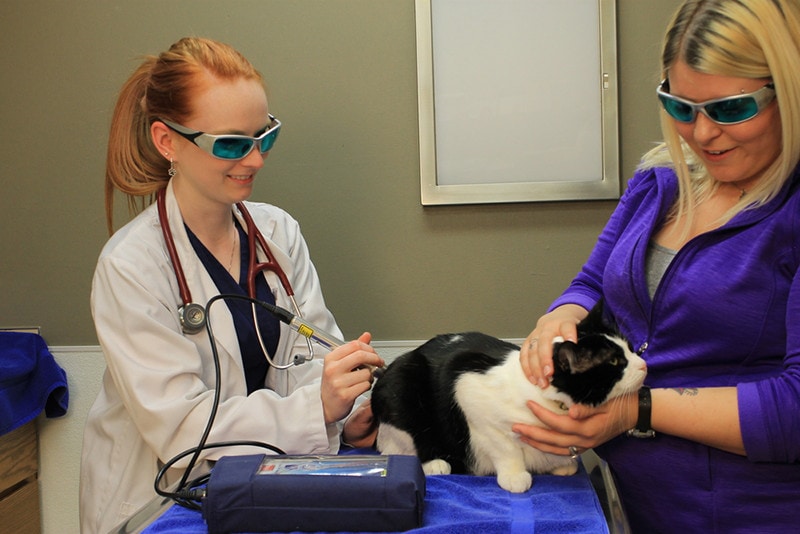
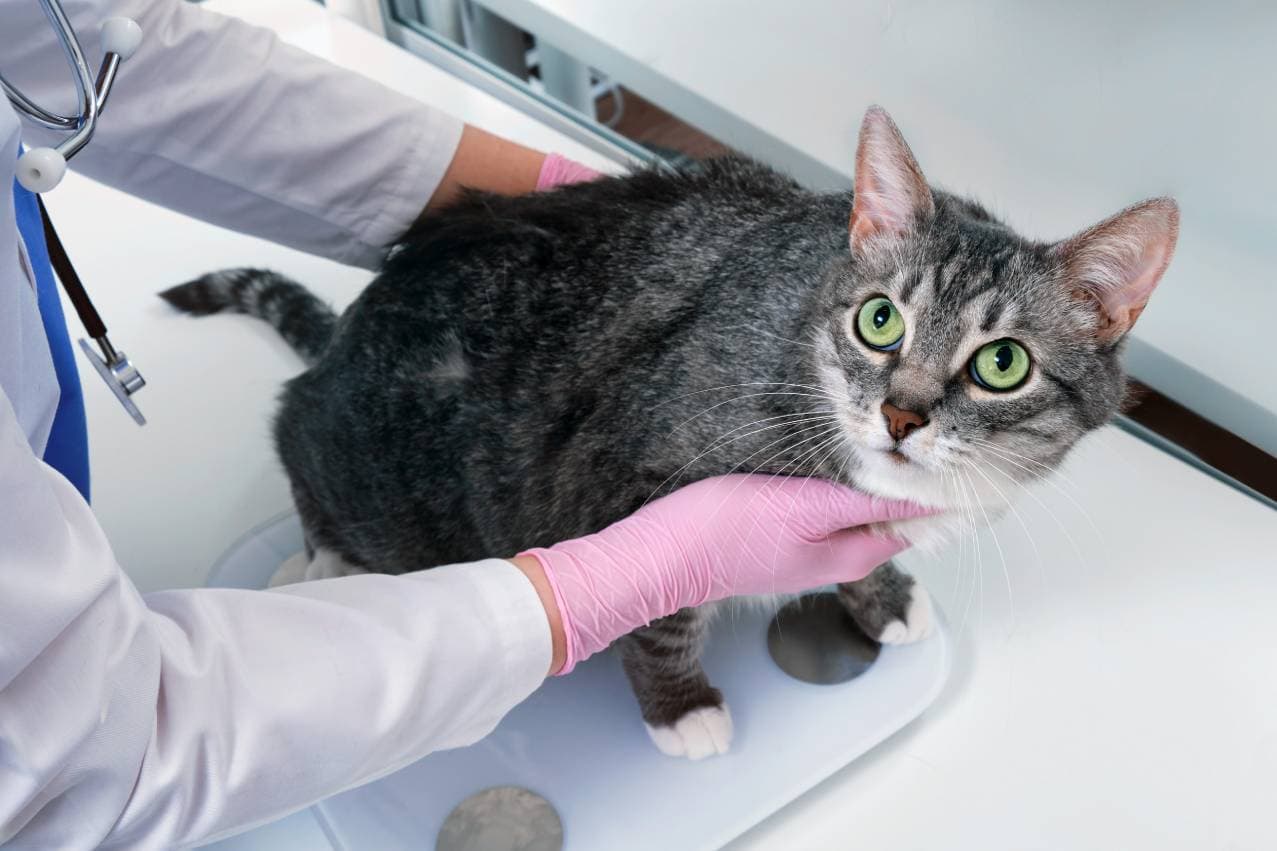
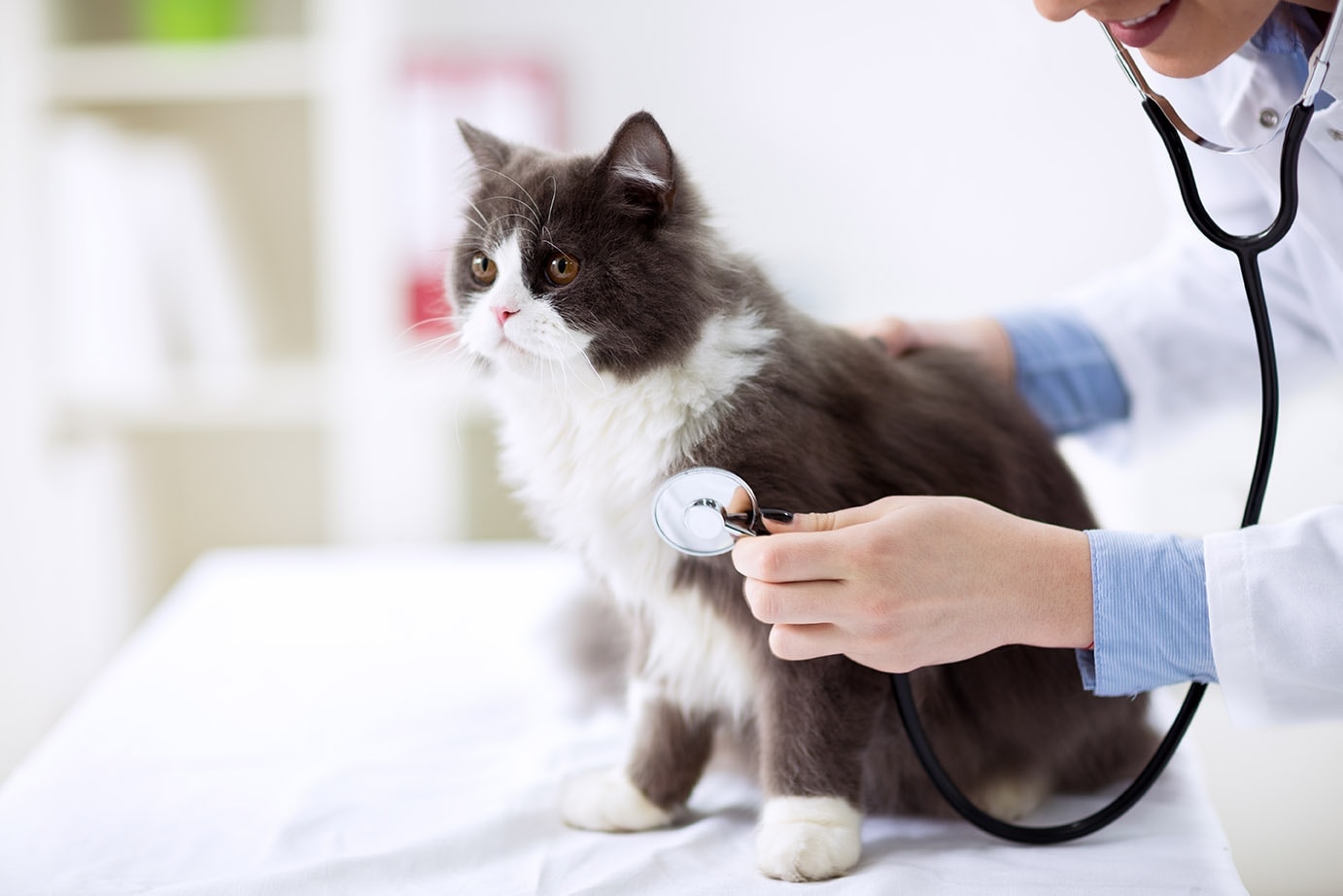
If your cat's veterinarian suspects that your cat has septic arthritis, they will need to do a physical examination of your cat. The veterinarian will also ask questions about your cat's medical history and any past diseases and injuries that may have affected your cat’s joint health.
Your cat will generally have a blood sample taken to check for any signs of an infection along with an X-ray of any inflamed joints that could be affected by septic arthritis. A sample of your cat’s joint fluid (arthrocentesis) will often be taken so that the veterinarian can look for inflammatory cells and infectious organisms. This fluid may also be cultured or tested for DNA to determine the underlying cause of the arthritis, as well as the best therapies.
Is It Common for Cats To Have Septic Arthritis?
Septic arthritis is not as common in cats as it is in dogs, however, this condition can affect cats, although it is generally uncommon.
Conclusion
It can be worrying to notice that your cat is suddenly showing symptoms of arthritis, but a veterinarian can help diagnose and treat your cat for septic arthritis, if that is the underlying cause. Most cats will rebound with the right treatment. Although septic arthritis usually isn’t life-threatening, it is uncomfortable, and working closely with your veterinarian is the best way to ensure the disease is appropriately treated.
Featured Image Credit: Zhuravleb Andrey, Shutterstock
Get Hepper In Your Inbox


Pet care tips from our vets and experts, straight to your inbox.
You may opt-out at any time. View our Privacy Policy for more information.
Sarah is residing in South Africa with her partner and pets. She currently is interested in veterinary science and ichthyology, which she wants to study alongside her main passion: pet content writing. Sarah has over 60 fish including goldfish, tropicals, shrimp, and snails. She also keeps hamsters and a tarantula and wishes to provide quality content for readers and allow others to learn from her knowledge and experience. Sarah has much experience in all aspects of pet care, and providing the world with knowledge on ethical pet ownership is her lifelong dream.
Join the conversation
Ask a question, share your story, or send private feedback.