Hepper is reader-supported. When you buy via links on our site, we may earn an affiliate commission at no cost to you. Learn more.
How to Become a Cat Breeder: 6 Ethical Steps to Follow
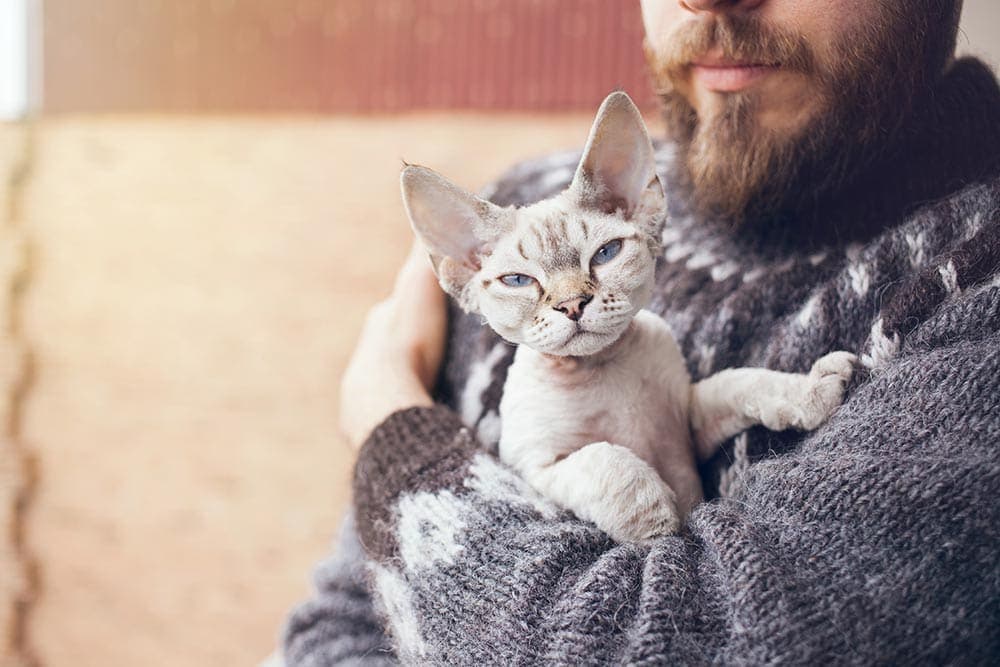
Becoming a cat breeder isn’t a matter of getting two cats and making money on a litter of kittens. Cats are already overpopulated, but reputable cat breeders enter the field because they want to preserve or improve cat breeds and produce the healthiest specimens.
If you want to breed, you must be in it for the cats, both individually and as a breed. Here’s how you can become an ethical cat breeder.

The 6 Ethical Steps to Become a Cat Breeder
1. Consider Your Motivation
Why do you want to breed cats? Is it to make a quick buck? Unfortunately, breeders don’t often make much money. Other than the most successful, award-winning breeders, most breeders only make enough to sustain it as a hobby or side job rather than a full-time profession.
You have to be prepared to put the health and well-being of your cats above all else. There will be disappointments, challenges, and struggles, but the payoff is creating a healthy brood that will go on to win championships or make a loving companion for a new family. No one is getting rich off some kittens, especially once the vet bills are considered.
2. Conduct Research
Unless you have a particular breed in mind, do your research to make sure you understand all the ins and outs of the breeds. As a breeder, you will need to understand the genetics of your chosen breed, its common health issues, and its husbandry.
You’ll also have to check on the local and state laws for breeders. Some states and localities have specific ordinances and regulations for breeding animals and catteries, especially if you’ll be working out of your home. Obtain any permits or licenses you may need, including business licenses.
Most successful cat breeders have champion show cats that meet the highest demands for conformation, health, and temperament. Look into the cat show circuit in your area and start meeting some of the people that will form your network.
3. Create a Cattery
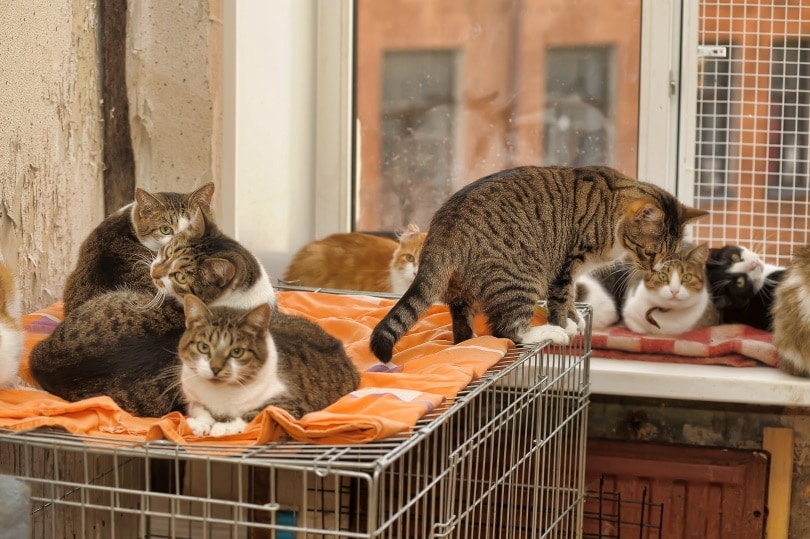
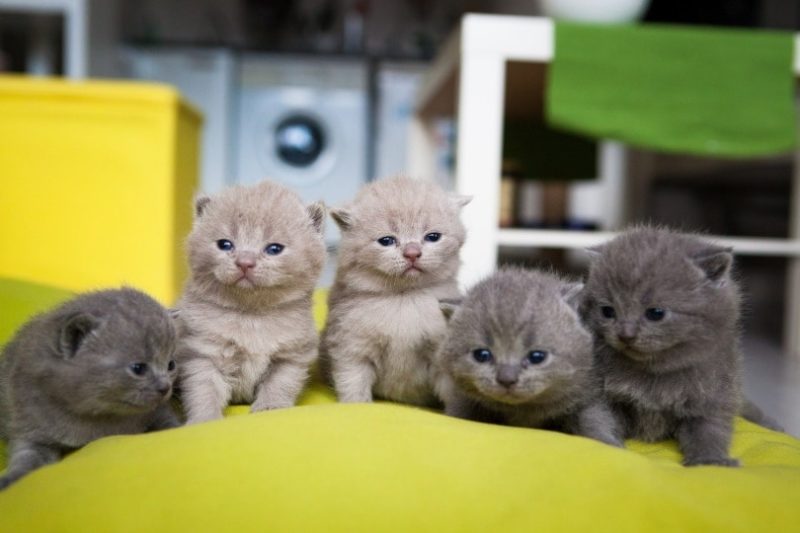
A cattery is the living area for your breeding cats, like a kennel for dogs. If you plan to use your home, create a cattery in a spare room or a finished basement. All your cats will need cages. Because you’ll have intact males and females, you don’t want unplanned litters.
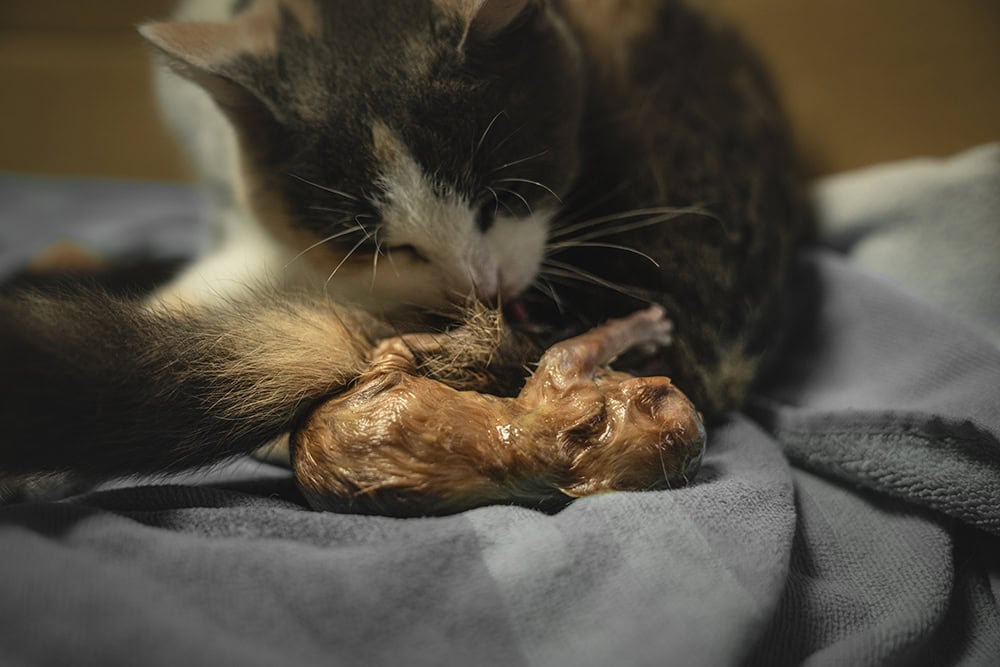
You will also need an area for water and food, play areas, and an area for grooming and bathing. There should be a spot for the mother cats to queen (give birth).
Based on the guidelines from The Cat Fanciers’ Association, your cattery should have the following:
- 30 cubic feet of cage space per cat minimum
- Free play space
- Grooming and maintenance areas
- Isolation areas for disease control
- Food and litter areas
As an example, a breeding operation with five queens and one stud will require the following:
- 4 cage stacks x 10 sq. ft = 40 sq. ft
- 21/2 x 40 sq. ft = 100 sq. ft of open area
- Total of 140 sq. ft
This is basically a 12 ft x 12 ft bedroom for this setup. Keep in mind this is the minimum space you will need, but you should provide more if you can. And if you add more cats to the mix, you will need more space.
A legitimate cattery can cost anywhere from $10,000 to $20,000 for the initial setup. Depending on how many cats you keep, your monthly expenses could cost between $500 and $1,000.
4. Acquire Breeding Stock
Unless you have an intact, breeding-quality cat, you will need to acquire your breeding stock. You can get one female and use stud services, which is how many breeders begin until they can build up a stable of quality queens and studs.
Keep in mind that some breeders don’t offer breeding rights to others, so it’s important to read the contract you sign when you purchase a kitten. You can only purchase pedigreed cats from registered breeders if you want to register your breeding stock and kittens yourself (and you should!).
Before you can choose a pairing, you have to get genetic testing for your cats to check for genetic conditions that can be passed on to the kittens. It’s important to know what conditions are common in your chosen breed, and don’t breed parent cats who test positive and may pass on those conditions to the kittens. These cats should be neutered or spayed.
Beyond health, the important considerations for choosing breeding pairs are temperament and conformation. You want to produce the best specimens of your breed, so consider all the factors that go into that. Don’t choose solely based on color or looks.
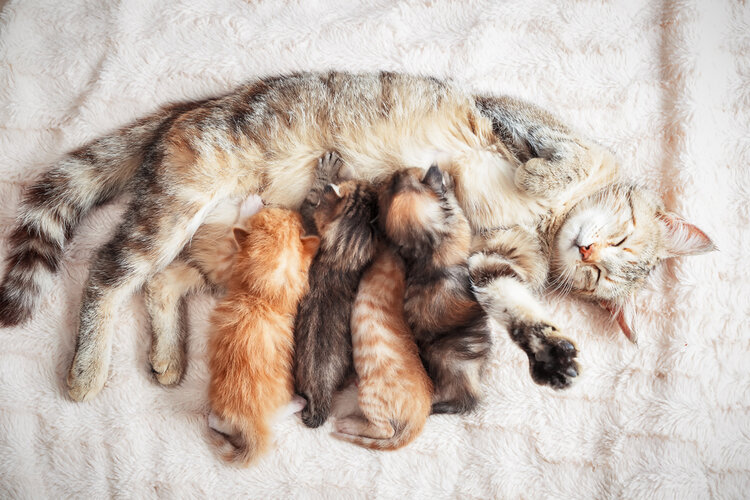
5. Prepare for Breeding
If you’ve never experienced cat queening, you should educate yourself before getting into breeding. Cats are natural at the mating part but maintaining a healthy pregnancy and uncomplicated queening presents challenges.
Make sure to prepare yourself for the experience. Talk to other breeders, work with your vet, and read up on cat queening. The more you know in advance, the better prepared you will be when the time comes.
6. Selling Kittens
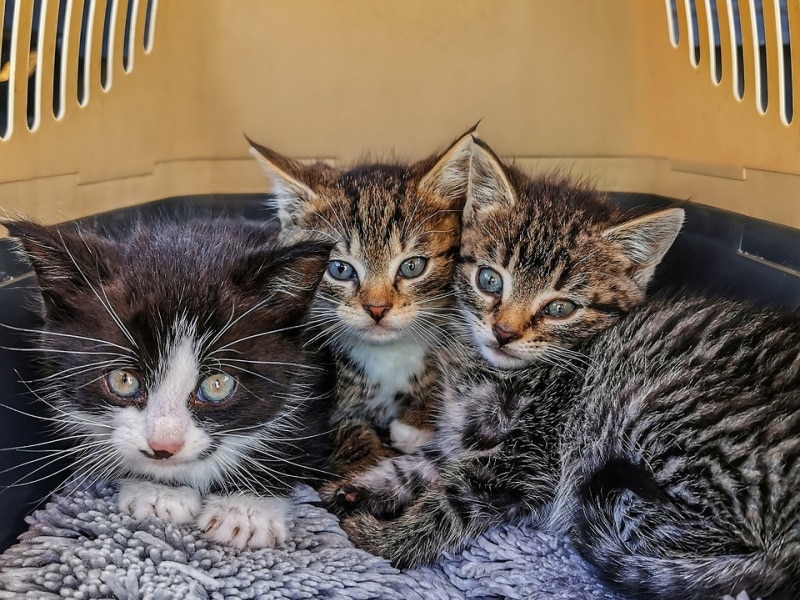
Once you have a successful litter of kittens, you should register them with organizations like The Cat Fanciers’ Organization or breed-specific organizations. They’ll need to see a vet for their checkup and any age-appropriate vaccinations and deworming.
Ideally, kittens can go to their new homes at 12 to 14 weeks. It’s important that they don’t leave earlier, as this is an important developmental period when they socialize with siblings and learn appropriate behaviors.
In-demand breeders usually have a website to sell kittens. Breeders with popular cat breeds may have waiting lists for litters or pairings, sometimes for years, and generally have kittens placed with potential owners shortly after birth, if not before they’re even born.
All breeders have a breeding contract that owners must sign, but what you choose to include is (somewhat) up to you. This should be a legal document that’s drafted or reviewed by a lawyer to make sure you’re covering your legal responsibilities.
Some breeders include all the kitten’s current veterinary care as part of the terms of sale and include that in the price, while others may not. As far as breeding rights, you can choose whether you want certain kittens bred—even going as far as spaying or neutering the kittens before they are placed in new homes.
Finally, make sure you select owners carefully. It’s better to hold kittens back and adopt them out than to choose new homes out of desperation. This is where cat breeding can sometimes mean taking a financial loss for the cat’s best interests.

Is Cat Breeding Right for You?
As you can see, cat breeding is not as simple as putting two intact cats together and making some money. A lot goes into being a reputable cat breeder, and it’s more of a passion project than a lucrative profession. That said, creating healthy, happy kittens and placing them in loving homes is all the reward most excellent breeders want at the end of the day.
Sources
Featured Image Credit By: Veera, Shutterstock
Get Hepper In Your Inbox


Pet care tips from our vets and experts, straight to your inbox.
You may opt-out at any time. View our Privacy Policy for more information.

Nicole is a lover of animals of all sizes but is especially fascinated with the feline variety. She’s the proud mom of Baby, a Burmese, and works every day so he can relax in the sunshine or by the fire. She’s always had a cat in her home and has spent countless days with others, observing behaviors and softening up even the grouchiest of the lot. Nicole wants to share her kitty expertise with you so you and your cat can live happy, healthy, and care-free.
Join the conversation
Ask a question, share your story, or send private feedback.