Hepper is reader-supported. When you buy via links on our site, we may earn an affiliate commission at no cost to you. Learn more.
Is Cloning a Cat Possible? Feasibility & Ethical Considerations
In this article
Cloning a cat is possible, but while the idea of cloning a beloved pet after they’ve passed away sounds like a dream come true for grieving pet parents, it’s not everything that it’s cracked up to be.
If you’re considering cloning your feline companion, there are a few important factors to consider. read on below to find out more.

Ethical Considerations
Pet parents can legally have their cats or dogs cloned, but the process involved has questionable ethics. It requires multiple cats to create a single cloned kitten.
According to Scientific American, which closely examined the process involved in creating the world’s first cloned puppy, there were over 1,000 embryos implanted in 123 dogs to result in one successful clone. Snuppy, the Afghan hound, was born in 2005, so the cloning process has been pared down since then, but that doesn’t mean it’s easy.
The first cloned cat was born in 2001. She was named CC (short for Copy Cat) and lived until the age of 18, when she passed away from kidney failure. CC was produced at Texas A&M using a nuclear transfer of DNA from cells belonging to a female domestic shorthair cat named Rainbow. CC was born 100% genetically identical to Rainbow, with a few changes in coat pattern due to developmental differences.
While the process did produce a healthy cloned kitten, CC was the only cat to survive out of 87 cloned embryos.
The research conducted surrounding CC’s birth kickstarted the global pet cloning industry. The industry leader is ViaGen Pets, which currently offers cat cloning for a price of $35,000. Cloning is promoted as a way for pet owners to resurrect their dead animals, but this is misleading. CC was not a physical replicate of her DNA host, and she didn’t have an identical personality either.
Environment and experience are just as important in deciding a cat’s personality as genetics. This raises genuine ethical concerns for the entire process. Not only does cloning not produce a physical duplicate, but it’s also nearly impossible for it to produce a duplicate personality of the cat that you are trying to resurrect. With millions of cats in shelters that need homes, we don’t really need a new reproduction strategy for the species.

How Much Does Cat Cloning Cost?
The average cost to clone a cat in the United States is $35,000. But this isn’t the only cost that you will incur. You will have to find a veterinarian who is willing to remove a tissue sample from the pet that you are willing to clone, and you will also have to pay to have the genetic sample stored.
Several companies offer frozen storage of DNA samples, and prices vary according to your location and the type of sample being stored. Genetic Savings & Clone, for example, charges $895 for storage of samples from healthy animals, while sick or dead animal cells will cost $1,395.
How Is a Cat Cloned?
In order to produce a cloned cat, scientists must create life in a lab. Eggs are harvested from donor animals; the cell nucleus is removed (containing the donor’s DNA) and replaced with cells from the original pet.
The egg doesn’t need to be fertilized at this point because it contains a full set of genetic material from the original. Since fertilization usually initiates the process of cell division to start the formation of an embryo, this has to be initiated externally. To do so, scientists run an electrical current through the egg.
The embryos are surgically transplanted into a surrogate mother cat. If it’s accepted, pregnancy will result and hopefully, a healthy kitten. It will take numerous implantations to result in a successful pregnancy in most cases.

Should You Clone Your Pet?
The biggest question isn’t whether cloning your cat is possible but whether it’s an ethical thing to do. While pet cloning companies spin it as a way to keep a beloved pet by your side forever, there is a dark side to the world of cloning. In fact, there are multiple reasons that you shouldn’t clone your pet.
1. You won’t get the same pet.
The driving force behind cat cloning is typically the desire to replicate a pet that you previously owned. While the pet that you receive will be genetically identical, it could look and act differently from the pet that you wanted. Kittens’ personalities are strongly influenced by their environment.
Their training and treatment have a much greater impact on their temperament than genetics, and it is impossible to create an identical set of life experiences for two separate animals.
2. Lab animals offer ethical concerns of their own.
To clone your cat, it will take numerous attempts that will result in miscarriages and mistakes in the form of kittens with birth defects. It also means a huge number of surrogate cats will need to be on hand, and most of them will fail to produce a clone.
The process is not also pain-free. These animals are subjected to hormonal treatments and surgical egg harvesting. Offspring with birth defects will suffer even worse, and many are euthanized as a result.
3. There can be “extras.”
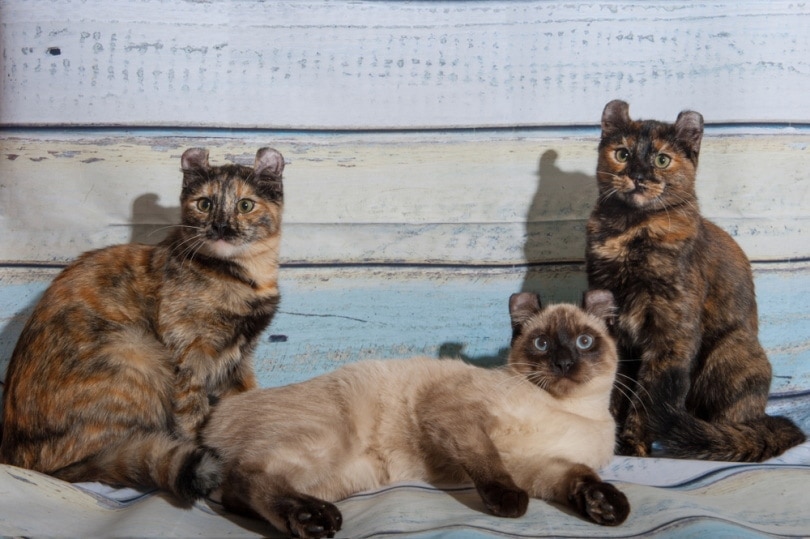
Since so many implantations fail, multiple embryos containing your pet’s genetic material are implanted at the same time to speed up the process of getting a successful clone. Sometimes this means you get more than one, and it isn’t clear what happens if two clones are born healthy.
Conclusion
While it is possible to clone your cat, that doesn’t mean it’s the right thing to do. There are numerous ethical concerns regarding cloning, and the success rate is low. The importance of environmental factors in determining a cat’s personality also makes it unlikely that you will get a kitten with the same personality as the one that you lost.
The bottom line is that while saying goodbye to your beloved cat is hard, cloning isn’t the answer. It has a ton of downsides and robs you of the chance to love a new cat looking for a home. With so many cats looking for their forever homes, a new fur baby could bring you the light and love that you are looking for.
Featured Image Credit: Sandeep Gore, Shutterstock
Get Hepper In Your Inbox


Pet care tips from our vets and experts, straight to your inbox.
You may opt-out at any time. View our Privacy Policy for more information.

Chelsie is a freelance writer who is passionate about helping pet owners and beloved animals live their best lives. She lives in rural Alberta, Canada with her husband and two sons. She is also currently a pet parent to four horses, four cats, and a border collie.
Join the conversation
Ask a question, share your story, or send private feedback.