Hepper is reader-supported. When you buy via links on our site, we may earn an affiliate commission at no cost to you. Learn more.
What Is a Kitten Mill & How Do I Identify One? Vet-Verified Explanation


In this article
Kitten mills are locations where breeders breed kittens with profits as the main priority. In most cases, kitten mills breed purebred cats in large quantities and provide little care for each cat’s health and well-being. As a result, kittens are left to grow in inhumane and traumatizing conditions.
One way to decrease the prevalence of kitten mills is to know how to identify one and not purchase any kittens from them. Here’s what you need to know about kitten mills and what you can do to advocate for the humane treatment of cats.

What Is a Kitten Mill?
Kitten mills are also called kitten farms and kitten factories. As these names suggest, kittens that are born in kitten mills are treated more like products than living animals. Most cats and kittens will live in cramped cages that are left in unsanitary conditions. There’s little regulation for how much food and water they get, and cats and kittens don’t often get the medical attention they need. Some kitten mills will also separate kittens from their mothers too quickly, so kittens are left malnourished and extremely vulnerable. The main goal of kitten mills is to just keep kittens alive until they’re sold, and their growth and development aren’t a priority.
Currently, puppy mills receive more attention than kitten mills, but there’s a growing awareness of kitten mills. The Humane Society estimates that there are about 10,000 licensed and unlicensed puppy mills in the US1. These numbers can give us a framework and estimate of how many kitten mills are in the US as well. It’s also important to note that just because a puppy or kitten mill has a USDA license, it doesn’t mean that it’s adhering to ethical standards. One investigation conducted by the Companion Animal Protection Society (CAPS)2 revealed how a kitten factory with a USDA license was operating under inhumane conditions and practices.
Most kitten mills will sell kittens to pet stores and breeders. So, it’s unlikely that you’ll come across a kitten mill as an average customer looking for a new pet kitten. You’re more likely to come across a breeder that sources its kittens from a kitten mill. Unethical pet businesses can pose as small businesses and local breeders that breed their own kittens. Therefore, it’s important to do your research before purchasing a kitten from a pet store or a breeder.
Signs That Kittens Are from Kitten Mills
You can look for several different red flags from both the kittens and breeders or pet stores. When it comes to pet stores and breeders, don’t hesitate to ask questions. Responsible and ethical breeders will be extremely knowledgeable and passionate about their cat breeds. Some may even consider refusing to sell their kittens to certain people if they sense their kittens won’t be going to healthy homes. Breeders and pet stores that source their kittens from kitten mills are less likely to care and may even appear overeager to sell their kittens to you.
Also, make sure that the living spaces and facilities are kept clean. The kittens should be living in sanitary conditions, and you shouldn’t smell any strong odors. They shouldn’t be kept in small cages that also contain a litter box near their food and water areas.
The appearance and behavior of the kittens can be very telling. It’s helpful to check the breed’s standards from either a purebred cat club or The International Cat Association so that you’re familiar with how the cat should look and act.
Make sure to check for any health issues, like runny noses, watery eyes, and inflamed skin. The kitten’s gait should be balanced, and it should be able to walk without any difficulty. Be observant of their breathing and beware of signs of difficulty breathing.
Most reputable cat breeders will begin socialization with their young kittens. This means that kittens will slowly gain exposure to human touch and other stimuli that are typically found in homes. While shyness is a normal temperament in some cats, kittens shouldn’t look anxious or fearful. They may not particularly enjoy human touch, but they shouldn’t show signs of aggression when you approach them. These behaviors often indicate that kittens haven’t been socialized, which can imply that the kitten came from a kitten mill.
Ways to Stop Kitten Mills
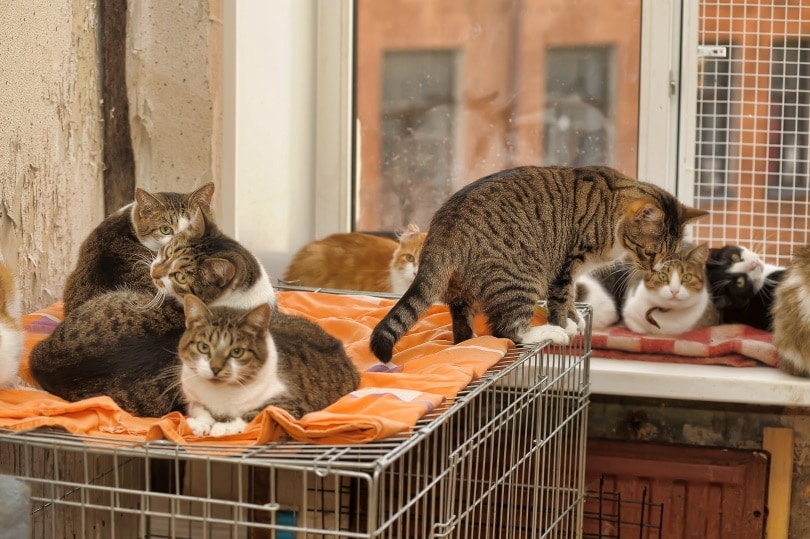
One of the best ways to stop kitten mills is to adopt kittens. Choosing to adopt cats and kittens can make a significant impact on the staggering statistics of the current situation in animal shelters. Approximately 3.2 million cats enter animal shelters each year. Of those cats, about 37% are adopted into new homes, while 41% are euthanized. The need for cat adoptions is significant, as many shelter cats are healthy and ready to be rehomed.
While a lot of kittens in adoption centers and animal rescues are mixed breeds, you can also find purebred kittens. So, if you’re looking for a particular cat breed, you can always check a cat adoption registry before choosing to purchase a kitten.
If you’re looking for a particular cat breed or a rare breed, make sure to only work with reputable breeders with ethical breeding programs. Reputable breeders are usually registered with a purebred cat organization and will show a lot of interest and care for their kittens. They’ll be willing to provide health records and either a health guarantee or pet insurance for the first year of the kitten’s life. Reputable breeders will also be able to provide information on their kittens’ pedigree.
Lastly, you can get involved in advocacy if you’re extremely passionate about animal welfare and want to get involved in policy changes. Supporting an animal welfare organization through your time and donations is a great way to help cats receive ethical care and eventually disband kitten mills.

Conclusion
Kitten mills are inhumane establishments that value profit more than animal welfare and ethical breeding practices. You can make sure that you’re not unintentionally supporting kitten mills by either adopting your next kitten or finding an ethical breeder. If you’re interested in actively stopping kitten mills, consider supporting an animal advocacy group. Kittens make wonderful pets, and no cat ever deserves to experience life in a kitten mill. So, make sure to be thorough with your research and look for the most ethical ways to bring a new kitten into your home.
Featured Image Credit: guvo59, Pixabay
Get Hepper In Your Inbox


Pet care tips from our vets and experts, straight to your inbox.
You may opt-out at any time. View our Privacy Policy for more information.
Jessica is a freelance writer who spends most of her day reading and writing while her fluffy Cavapoo, Nora, naps beside her. She loves and appreciates pets and animals because there’s so much to learn from them, and they do so much for people. As a dog mom, she understands the special relationship that pet parents have with their pets. So, she loves sharing helpful information that people can use to better understand their pets. When she’s not writing, you can find her walking dogs, tending to her plant babies, or drinking her nth cup of coffee.
Join the conversation
Ask a question, share your story, or send private feedback.