Hepper is reader-supported. When you buy via links on our site, we may earn an affiliate commission at no cost to you. Learn more.
How To Get Rid of Pet Odors in a Carpet: 4 Effective Methods
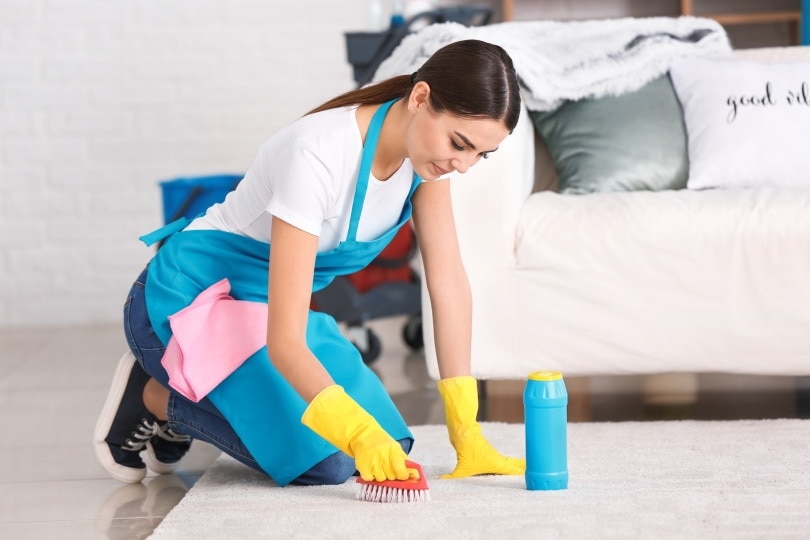
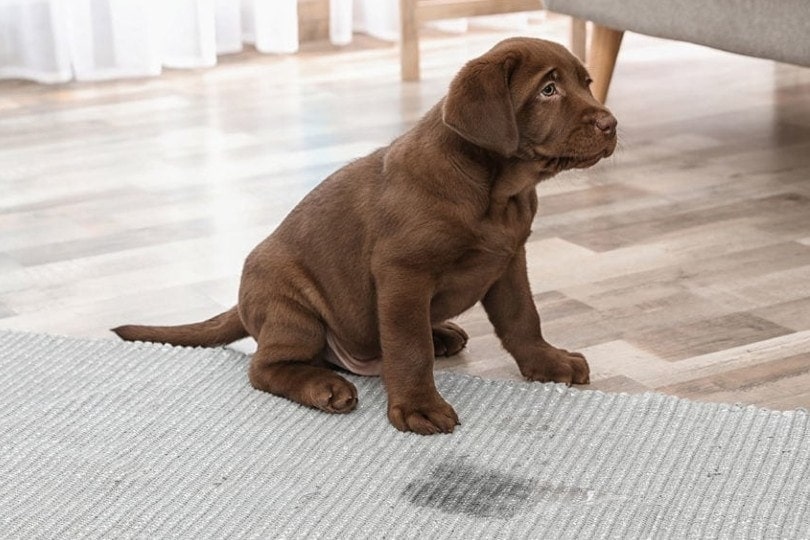
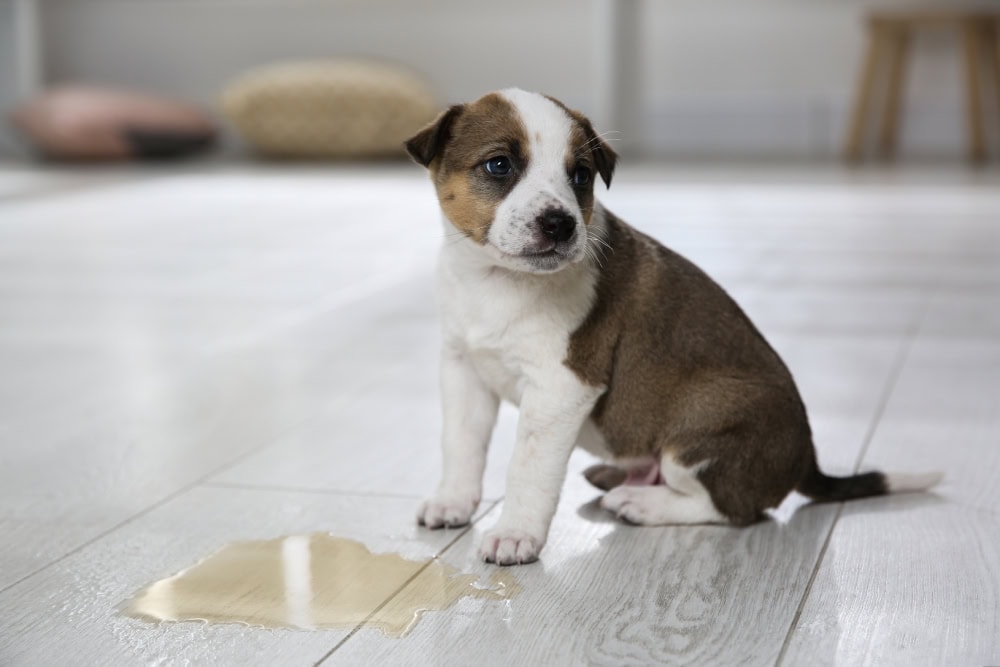
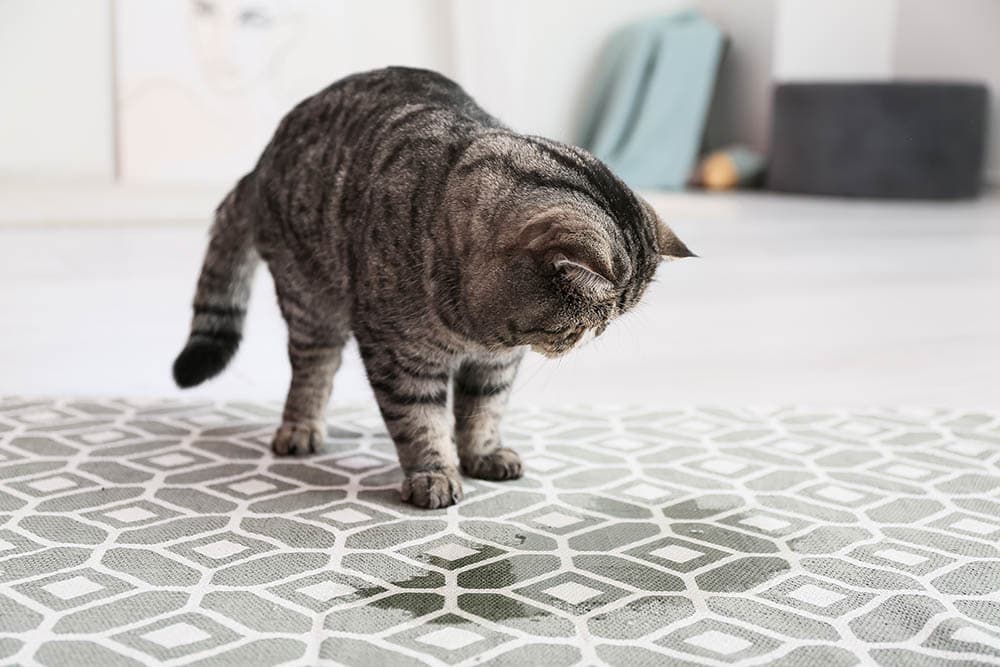
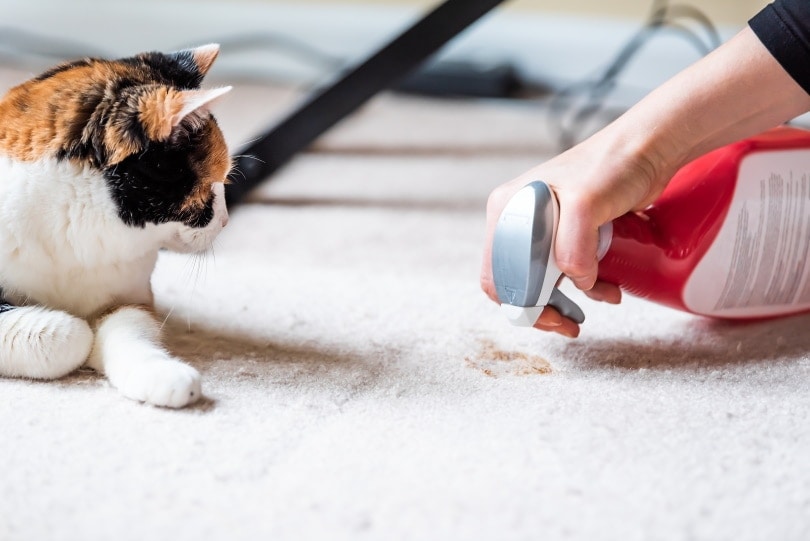
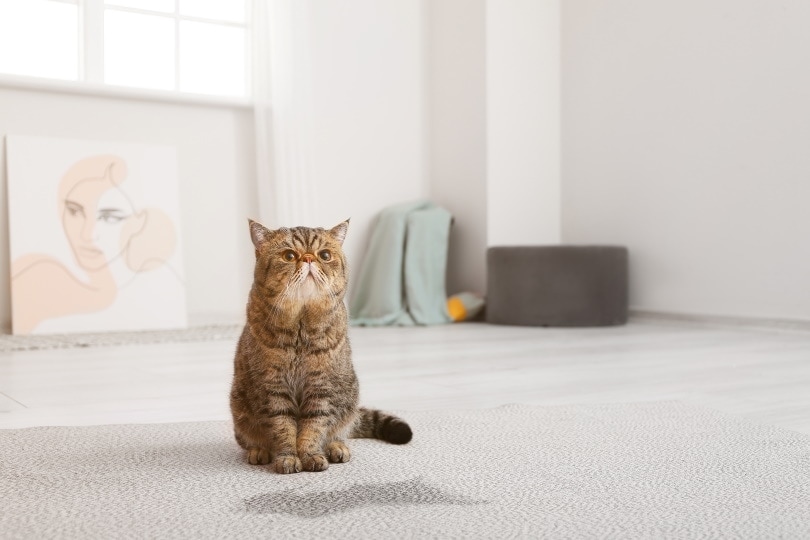
Pets are adorable and loved members of the family—but the pet odors that they leave behind aren’t. Pets may leave stains on the carpet for a variety of reasons. Usually, it is because of accidents, especially if you adopt a younger animal that is currently being housetrained.
However, you may also have a problem with food stains and licking stains. Some dogs tend to lick the floor, which can leave stains behind if it is done enough.
Either way, there are many ways that you can remove these pet odors and stains from the carpet. Most of these methods work on all sorts of odors, whether it is urine, wet dog, or anything in between.

Steps to Take When Using Any Method
Before we jump into the methods, there are some steps you’ll need to take before attempting any of the methods we include below. By following these setup steps, you’ll make it much more likely that your chosen method will be successful.
The 4 Methods for Getting Rid of Pet Odors in a Carpet
1. Use an Enzymatic Cleaner
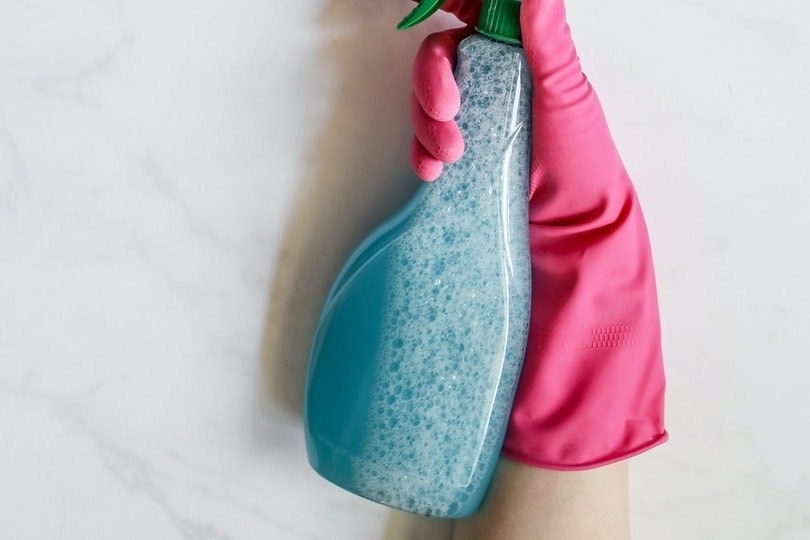
You can purchase enzymatic cleaners from most pet stores and online. These cleaners are often specifically designed for pet stains and odors. They include enzymes that eat the bacteria causing the odor, effectively eliminating it. At the same time, they are very safe for home use.
You should always follow the directions on the back of the bottle. However, it usually involves spraying the solution, letting it sit, and then soaking it up with paper towels. Generally, the process is pretty straightforward.
If your pet tends to have accidents a lot, then we recommend having some of this on hand for accidents.
Our favorite enzyme cleaner is the Hepper Advanced Bio-Enzyme Pet Stain & Odor Eliminator Spray. It's our product, and we love it so much, we just have to share. It permanently removes the very worst smells and stains (yes, everything you can imagine!), and we offer a 100% satisfaction guarantee!

- ADVANCED ENZYMATIC CLEANER - Penetrates the most stubborn smells and stains at the deepest molecular levels to dissolve any pet mess you encounter and lift it away at the source.
- FOR ANY MESS, ON ANY SURFACE - This pet odor eliminator cleans your carpets, floors, furniture, fabrics, and more. Whether it's urine, feces, vomit, or drool, you can erase all foul spots and smells!
- FRESH, NATURAL ODOR - Our unique formulation doesn't rely on dangerous or unpleasant chemical fragrances to get the job done. We eradicate smells and stains, not just cover them up.
2. White Vinegar
Surprisingly, vinegar is an extremely strong cleaner that most people just have lying around their house. If you don’t have any enzymatic cleaner lying around, then this is probably your next-best option.
To use the vinegar, mix it about 50/50 in a spray bottle with warm water. Then, spray it evenly on the stain and allow it to sit for a few moments. Next, soak up as much of the cleaning solution as you can and rinse the area.
The vinegar should neutralize the stain, but the scent of the vinegar should not linger around for long after the rinse. This method is very helpful for marking behaviors, as many animals do not like the smell of vinegar and will avoid that area.
3. Baking Soda
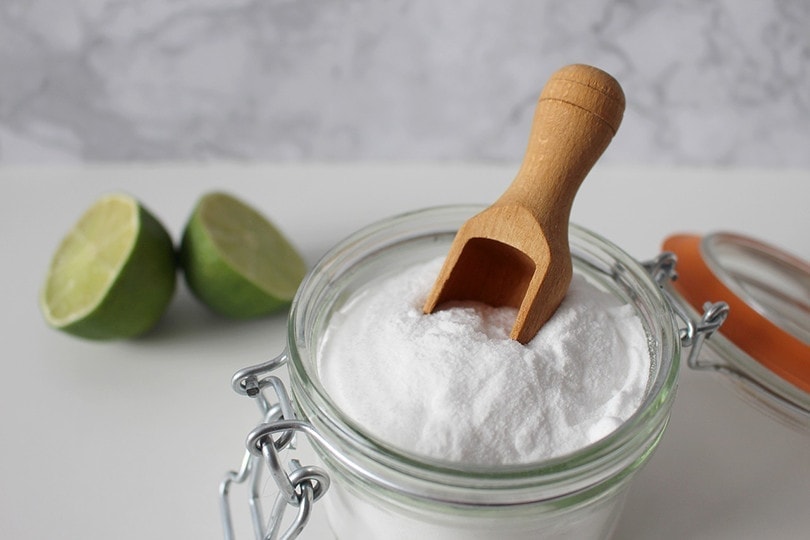
Baking soda is an effective method for cleaning most stains. It soaks up odors and moisture, allowing it to clear away pet odors easily.
To use it, simply rub some baking soda into the area and allow it to rest for a bit. It should form a paste if there is any moisture in the area. Next, vacuum up the baking soda. Usually, you have to let it dry for several hours.
Don’t allow your pet to enter the area with the baking soda, as it can be dangerous when consumed.
4. Dishwashing Detergent
Usually, you can’t utilize dishwashing detergent by itself. While you can theoretically squirt some onto the stain and see what happens, this probably won’t lend you super great results.
However, you can mix dishwashing detergent with vinegar for an extremely effective home cleaner. This cleaner will do just as well as most professional options, if not better. (And, you can use it for all sorts of different things around your house—not just pet odors.)
If you need something with a bit more oomph, we highly recommend adding dishwashing detergent to your vinegar mixture. A mixture of half vinegar and half dishwashing detergent works great. Just be sure to mix well, as this dishwashing detergent will make the area quite bubbly until it is rinsed. You don’t want to leave a soapy mess on your carpet.
A shop vac works quite well for this situation. However, you will still need to rinse it, though a shop vac can help with this step, too.
What Method Should You Use?
All four of these methods are extremely effective on carpets. Therefore, which method you choose is largely a matter of what you have around your house.
When possible, we highly recommend combining the methods. You can use them one after the other, leaving the baking soda for last so that it has time to dry. While this means more work on your part, no odor stands a chance after being hit with all of these methods.
If you don’t have an enzymatic cleaner lying around, then using vinegar and baking soda together should help you conquer just about any stain.
Of course, some stains and odors just can’t be conquered using traditional methods. In some cases, only industrial-grade products will work. In this case, we highly recommend calling a professional. It is often cheaper and more cost-effective to hire a professional than it is to purchase industrial equipment yourself.
If you’ve used all three methods and the stain is still there, it is probably time to call a professional.
Conclusion
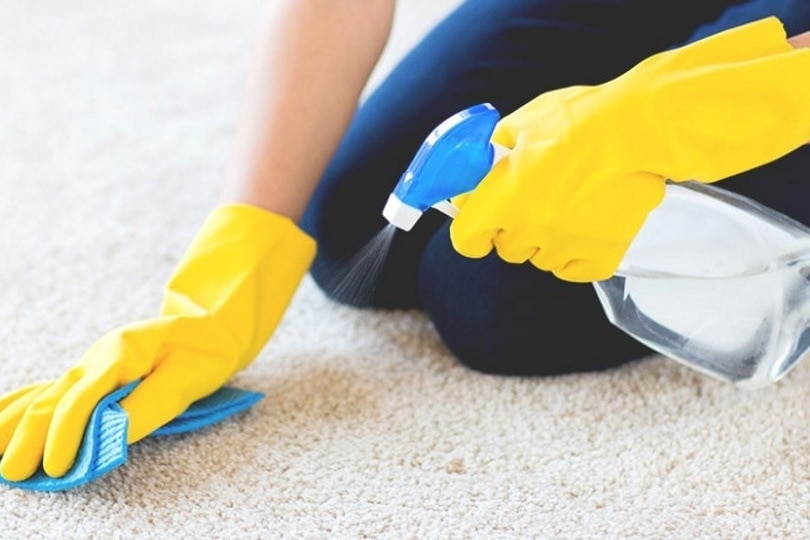
While there are many commercial products online that can help remove pet odors from your carpet, at-home methods often work just as well. By utilizing vinegar, baking soda, and dishwashing detergent, you can make a pretty powerful cleaner that should remove just about any pet odor from your carpet.
Be sure to follow our setup carefully, as preparing the spot is essential for success. If the area is dirty, for instance, then the cleaning solution will just attach to the dirt, not the bacteria causing the odors. Cleaning the spot lightly beforehand can make a huge difference.
You might also be interested in:
Featured Image Credit: Pixel-Shot, Shutterstock
Get Hepper In Your Inbox


Pet care tips from our vets and experts, straight to your inbox.
You may opt-out at any time. View our Privacy Policy for more information.

Kristin is passionate about helping pet parents create a fulfilling life with their pets by informing them on the latest scientific research and helping them choose the best products for their pets. She currently resides in Tennessee with four dogs, three cats, two fish, and a lizard, though she has dreams of owning chickens one-day!
Join the conversation
Ask a question, share your story, or send private feedback.