Hepper is reader-supported. When you buy via links on our site, we may earn an affiliate commission at no cost to you. Learn more.
How to Keep Your Dog Out of Flower Beds (8 Easy Ways)
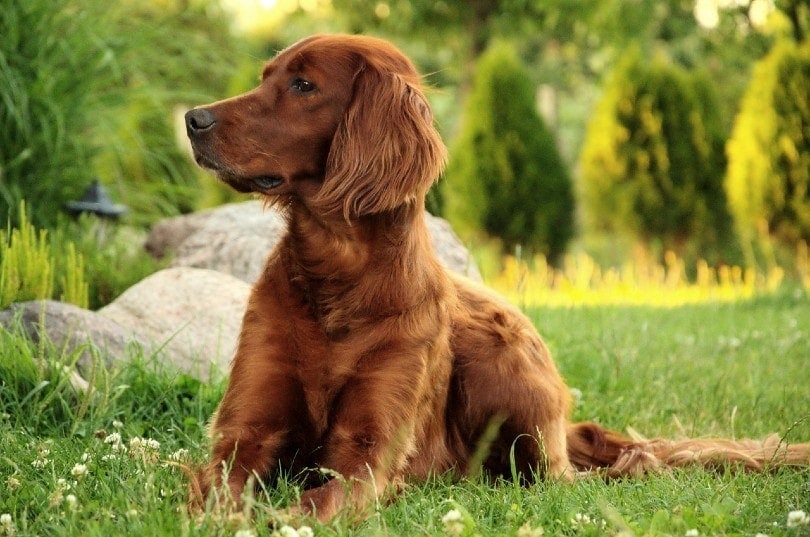
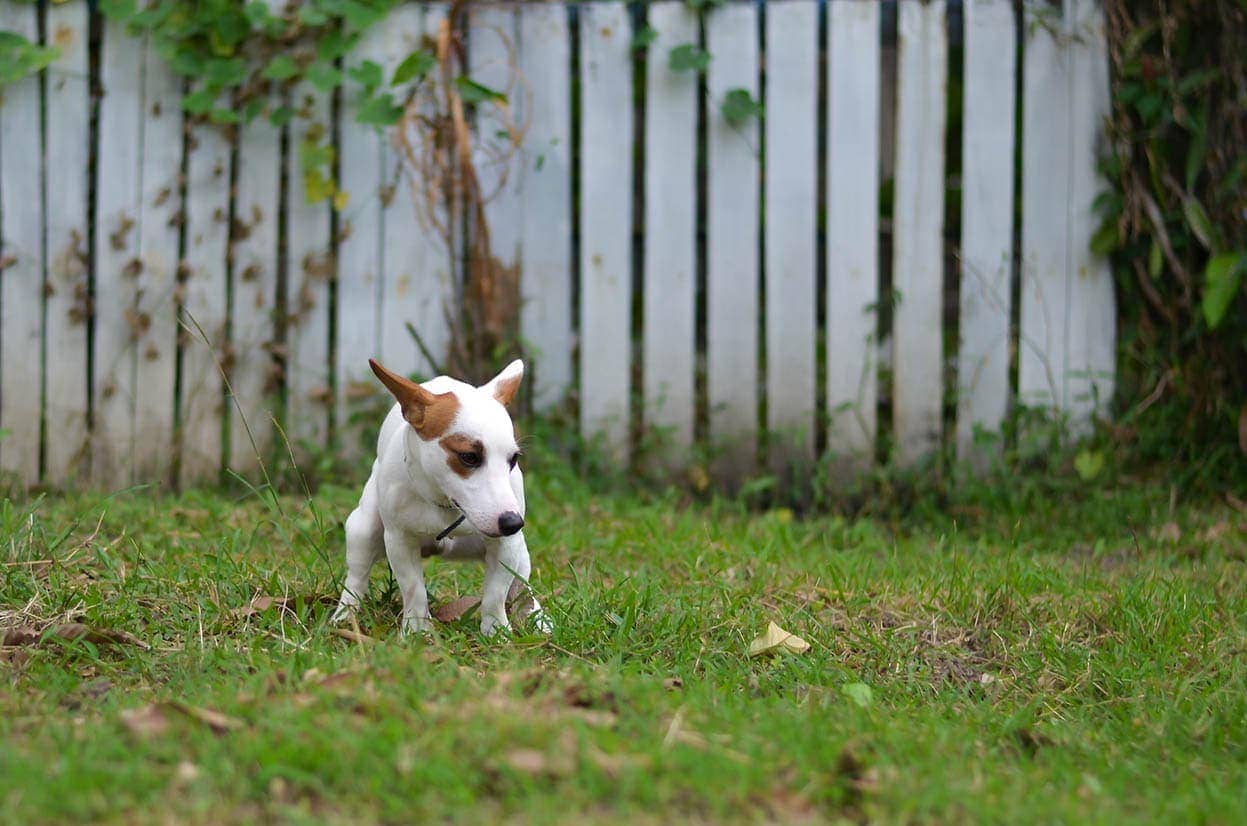
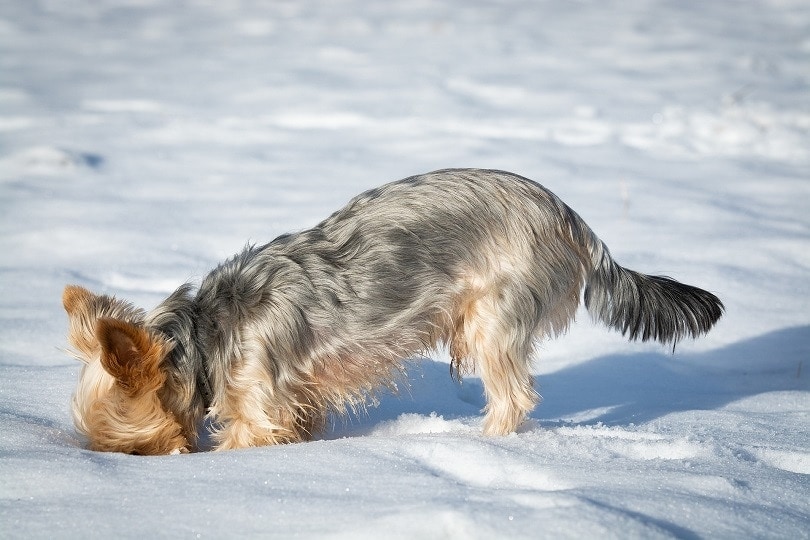
You work hard on your flower bed – whether you’re raising daises or expensive petunias. However, a dog can easily undo all your hard work, especially if they're a larger dog that likes to dig. Even if your dog is smaller and not a fan of digging, they can romp all over your flowers and quickly destroy them.
Keeping your dog out of your flower bed can be difficult. However, there are a few methods that can be utilized to keep them away. Often, these work best when you use a few methods together. That way, they make the area a place your dog doesn’t want to be.

The Top 8 Tips on How to Keep Dogs Out of Flowerbeds
1. Use a Fence
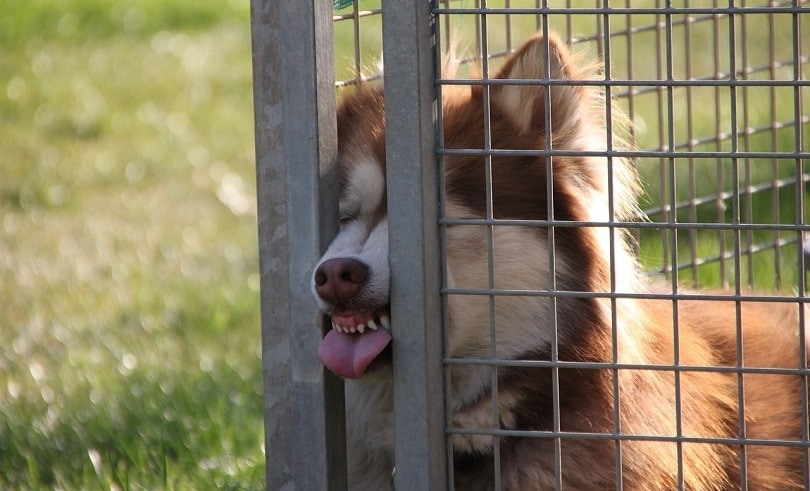
The easiest and most straightforward way to keep dogs out of flower beds is to use a fence. All sorts of fences are made to keep dogs in a yard, but they can also keep dogs out of a particular area. The fence should be sturdy and tall enough to prevent your dog from merely pushing it over.
Often, dogs wander into the flowerbeds simply because they don’t understand that they aren’t supposed to. They’re just walking around. Merely putting up a fence will prevent your dog from wandering in.
However, many people don’t want to put up a fence around their flowers. It can ruin the aesthetics of the flower beds and make them more challenging to see. Luckily, there are some other ways to keep your dog away from your flowers.
2. Use Barrier Plants
Barrier plants are plants that are placed around your flowers. They should either be tall, thick, or thorny plants that your dog won’t want to walk through. Because your dog will avoid these plants, they’ll also decide to avoid your flowers.
This is an easy method, though you will have to find a plant that your dog won’t like that can fit in next to your flowers.
3. Add Unappealing Smells and Tastes
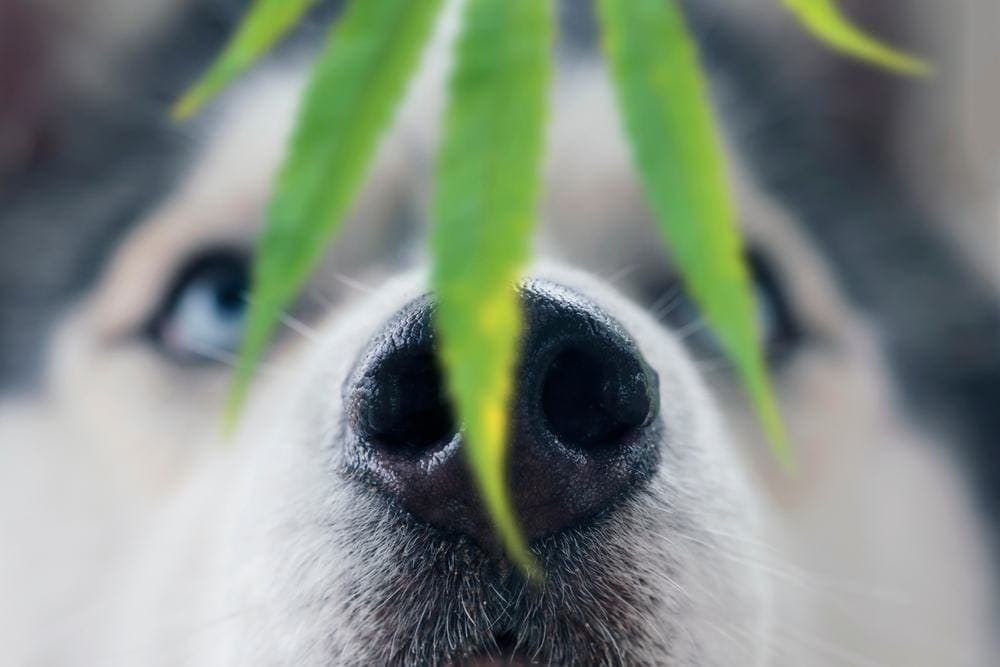
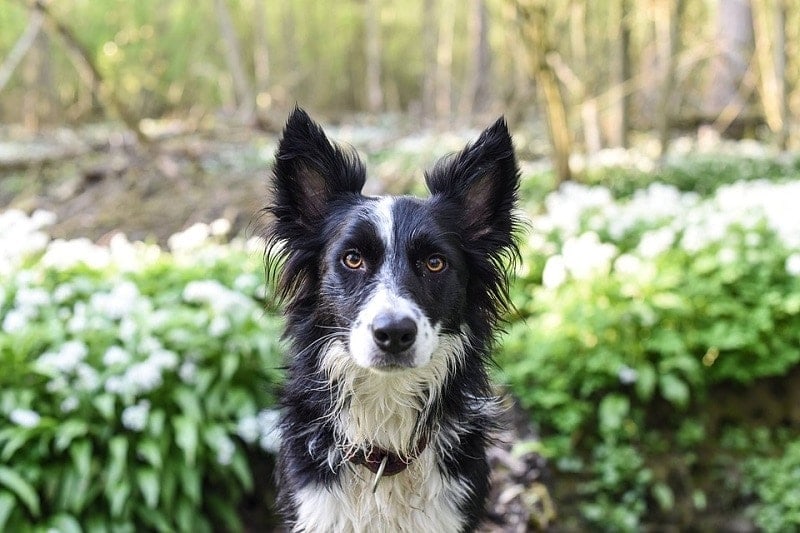
Often, you can make your flower bed a place your canine doesn’t want to be by adding things that make the area smelly or taste bad. Many things are very stinky to dogs, but they are completely fine to our noses. For example, you can dust your beds with red pepper powder, which will discourage digging. You can also use strong-smelling liquids like vinegar.
Don’t use commercial deterrents that are made to keep deer or rabbits away. These products contain coyote urine, which will keep prey animals away. However, these products may attract the interest of dogs.
4. Put Your Beds Somewhere Inaccessible
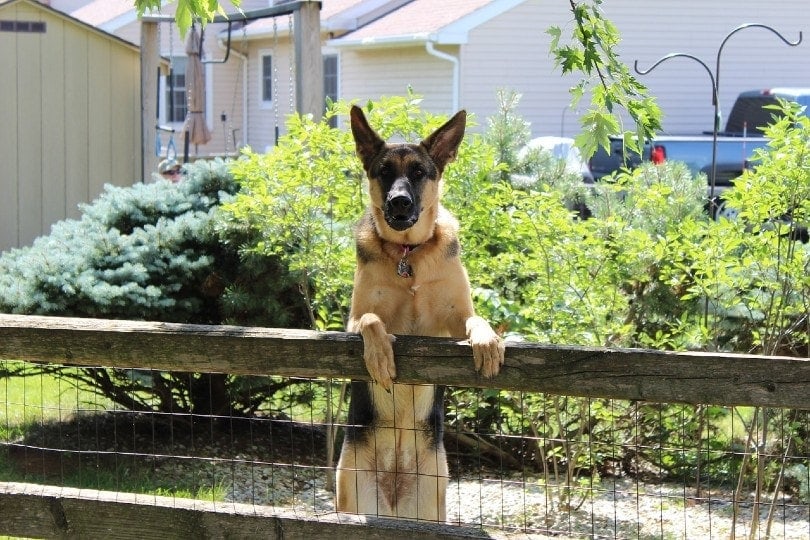
If you can, consider placing your flowers somewhere your dog can’t go. For instance, you can put them on top of a rock wall. If your flowers are out of the way of your dog, they will likely leave them alone. You could also think about confiding your dog’s outside roaming area to somewhere away from your flower beds, such as installing a fence in your backyard to contain your dog.
Of course, you don’t necessarily need to limit where you plant. However, you should use a bit of common sense. Don’t plant the flowers in your dog’s favorite outside spots.
5. Use Containers
If you’re planting susceptible flowers, consider using containers. Often, dogs will leave container plants alone. This may not be the exact look you were going for, but it can be an easy way to keep your flowers safe.
Raised beds are also a reliable option, though some dogs will terrorize these as well. Your dog may not, though. It’s one of those situations where you have to find out.
6. Train Your Canine
You can also train your dog to keep out of your flowerbeds. There are a few ways you can do this. They all work, but you may get the best result if you use more than one method. That way, you’re covering all your bases.
Use Boundary Training
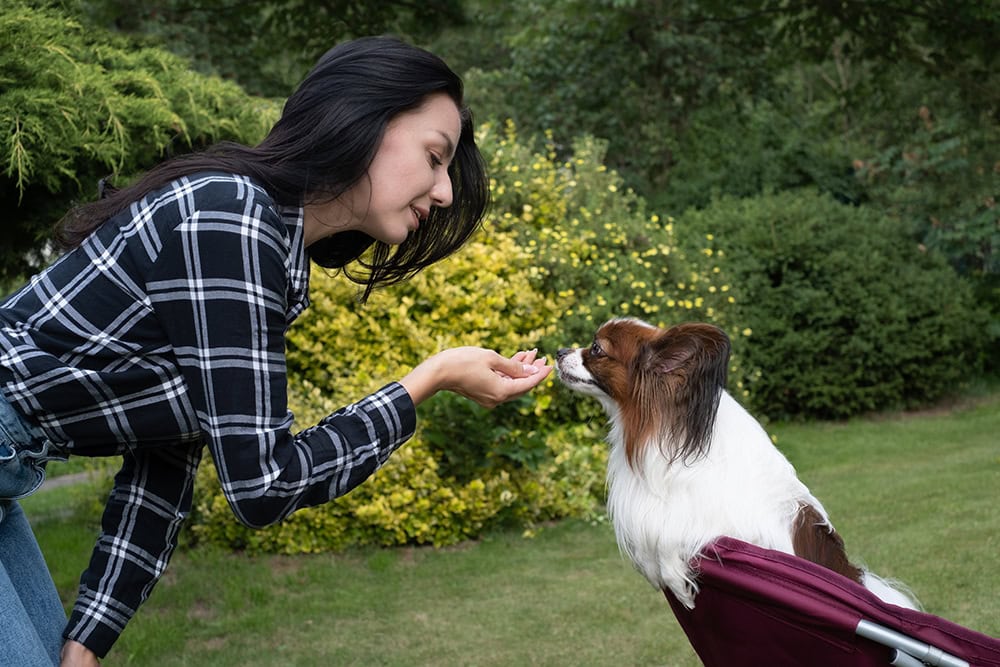
Boundary training involves teaching your pup not to cross a particular line. This may seem like a difficult command, but it is often relatively straightforward.
This involves teaching your dog to touch a flag. Here is a quick, step-by-step explanation:
Teach Them “Leave It”
Leave it is an excellent, all-around command that you can use to tell your pup to leave just about anything alone – including your flowerbed. “Leave it” is pretty simple to teach too and works for a wide variety of things.
Once your pet knows this command, you can use it for anything – not just food. For instance, you can tell them to leave your flowers alone, other people, and things they shouldn’t be chewing on.
7. Ensure Your Dog Has a Place to Play
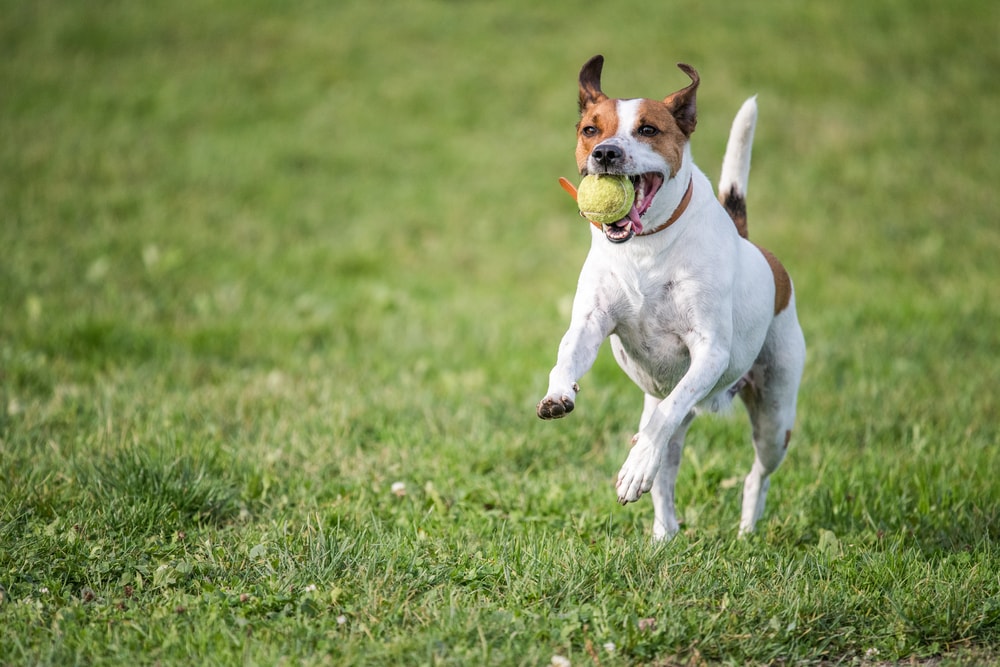
Your dog needs to play and run off its energy. Even if you do many of these steps, your dog may still play in your flowers if they don’t have their exercise need met otherwise. It is essential to designate a place where your dog can exercise and provide them with fun toys. Otherwise, they may go looking for their toys, which may end up being your flowers.
You may want to take your dog on daily walks, even if they have space to run around outside. Not all dogs will exercise appropriately when left to their own devices. Plus, you don’t want your dog deciding that running through your bushes looks like a lot of fun. Instead, aim to exercise your canine so that they feel too worn out to mess with your bushes, to begin with.
8. Use a Commercial Dog Repellent
They do make commercial dog repellents that smell bad and repel dogs. These are an easy way to keep your canine out of your flower bed, but they may not work well unless used alongside other methods.
Never spray the repellent directly at your dog. Dogs often have a hard time connecting the spraying to their actions, which will not solve any problems. Instead, the dog will learn to avoid you or dig in the flowers when you aren’t there.
Will Mothballs Keep Dogs Out of Flower Beds?
They can. However, mothballs are toxic to dogs if consumed, and there isn’t anything preventing your dog from eating them if you simply throw them into your flower bed. Therefore, we do not recommend using mothballs to keep your dog out of the flower bed. It just is not worth the risk.
Related Reads:
Featured Image Credit: Mr_Incognito, Pixabay
Get Hepper In Your Inbox


Pet care tips from our vets and experts, straight to your inbox.
You may opt-out at any time. View our Privacy Policy for more information.

Kristin is passionate about helping pet parents create a fulfilling life with their pets by informing them on the latest scientific research and helping them choose the best products for their pets. She currently resides in Tennessee with four dogs, three cats, two fish, and a lizard, though she has dreams of owning chickens one-day!
Join the conversation
Ask a question, share your story, or send private feedback.