Hepper is reader-supported. When you buy via links on our site, we may earn an affiliate commission at no cost to you. Learn more.
How To Teach a Dog To Walk on a Leash in 5 Simple Steps


In this article
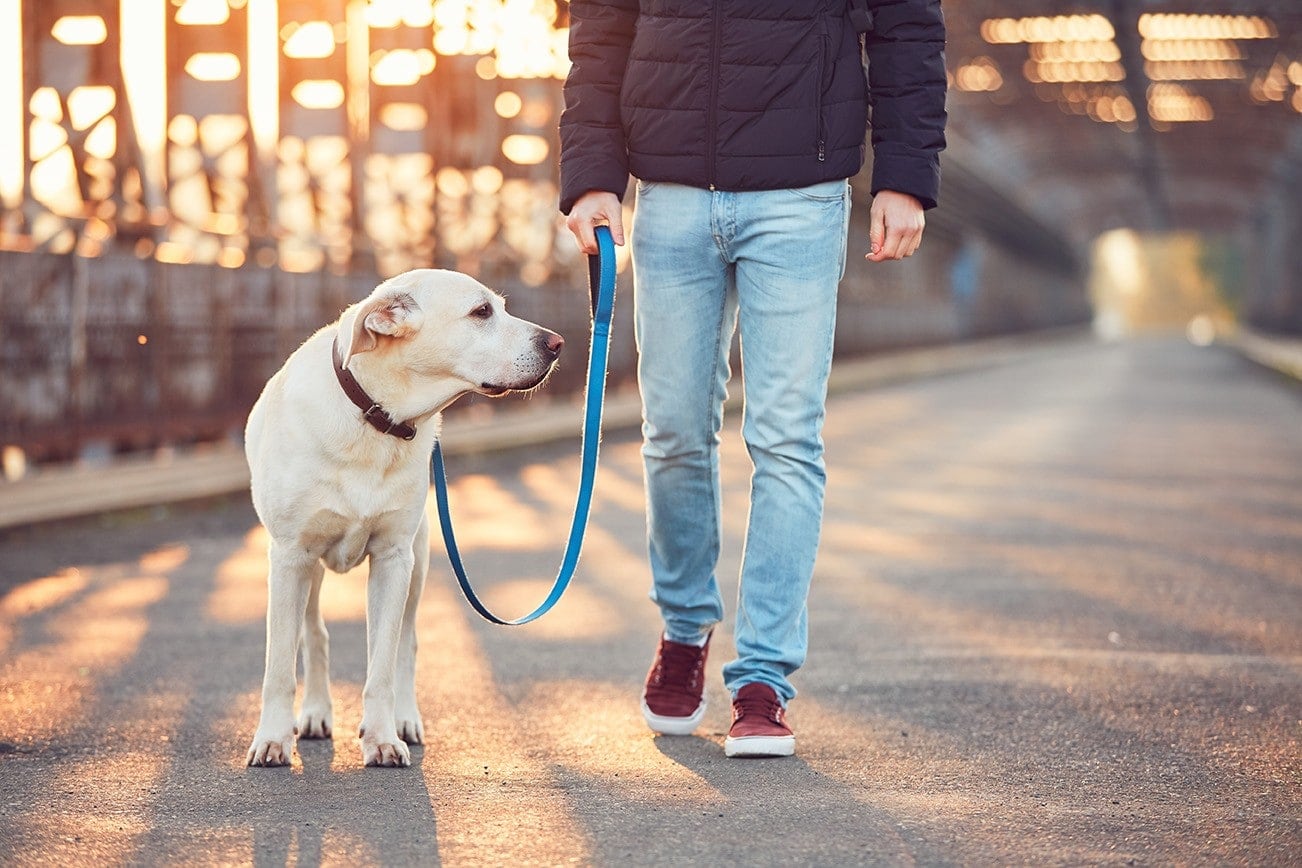
Dogs don’t instinctively know how to walk on a leash properly. Depending on the breed, their instincts are to wander, track a scent, or chase after squirrels. Leash training can initially seem overwhelming, but it’s also a time to bond with your dog. Below, we’ve broken down the process into five simple steps.

Before You Start
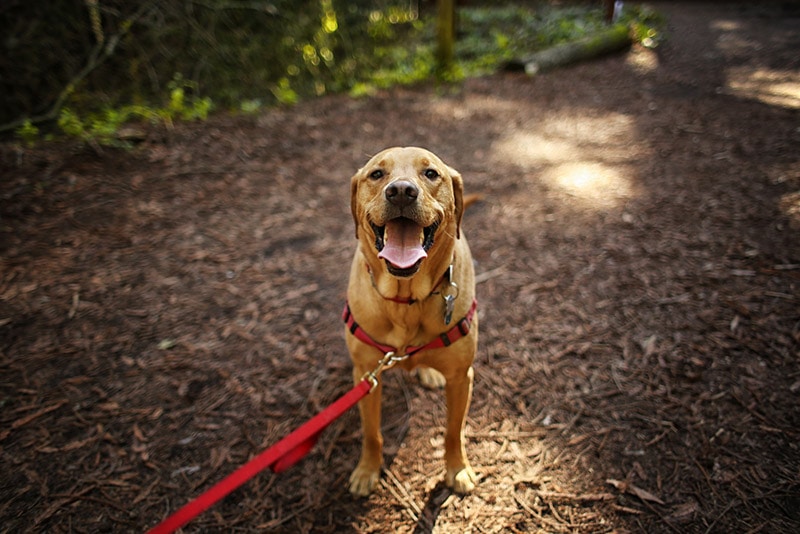
Leash training starts by choosing the proper equipment for your dog. An 80-pound German shepherd needs a different type of leash than a 5-pound Yorkshire terrier. The bigger and stronger your dog is, the thicker and heavier the leash should be. A leash should be comfortable for you to grip and hold on to.
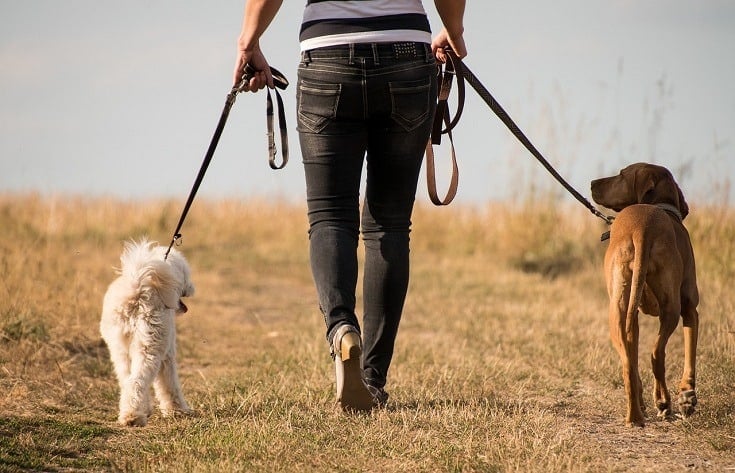
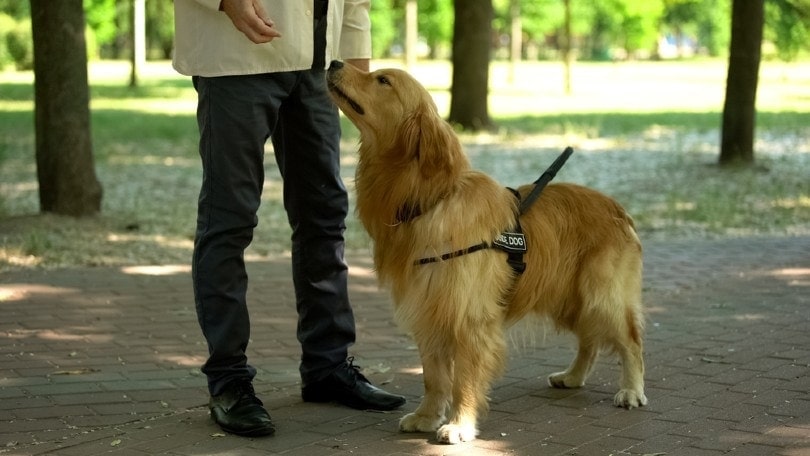
You’ll notice that dog leashes come in a variety of lengths. For most walks, a 6-foot leash is adequate. Anything longer, and your pup could wander too far from you. You’ll also need to consider if you want to attach the leash to a harness or collar. You’ll have more control over your dog with a harness, but not all dogs will wear one.

The 5 Simple Steps To Teach a Dog To Walk on a Leash
1. Introduce Your Dog to the Leash
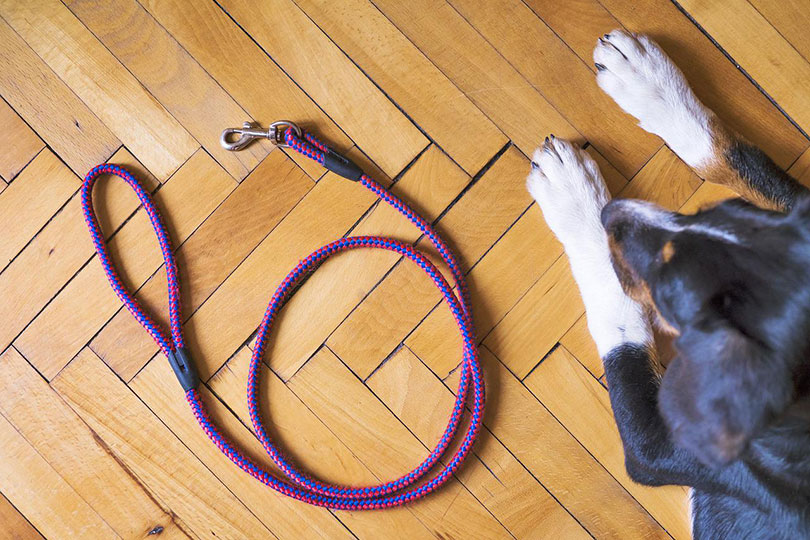
We all know what a leash is, but your dog may not. If your pup is skittish, set the leash on the floor. Let them sniff the leash, but don’t allow them to chew on it. You can also make the sight of the leash more attractive by placing treats next to it.
2. Choose Your Training Time Wisely
Your dog should be alert but not too rowdy. They should also be slightly hungry but not starving, as you can motivate and encourage them with treats. The best time might be a couple of hours after their most recent meal and after playtime.
3. Pick a Training Spot with Few Distractions
Your goal might be to take your dog everywhere, but you need to start slow. Your dog is disadvantaged in a noisy, crowded area full of temptations to lunge at! A quiet training spot is ideal for them to focus on your commands.
4. Now Get Walking
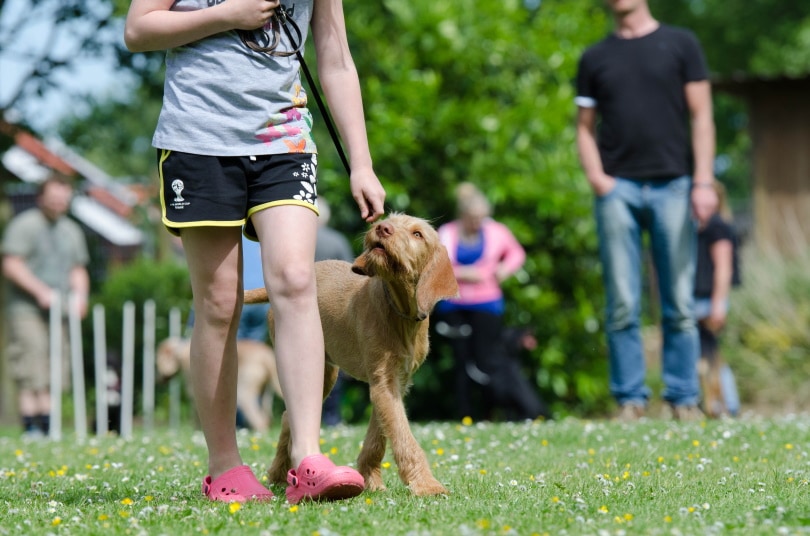
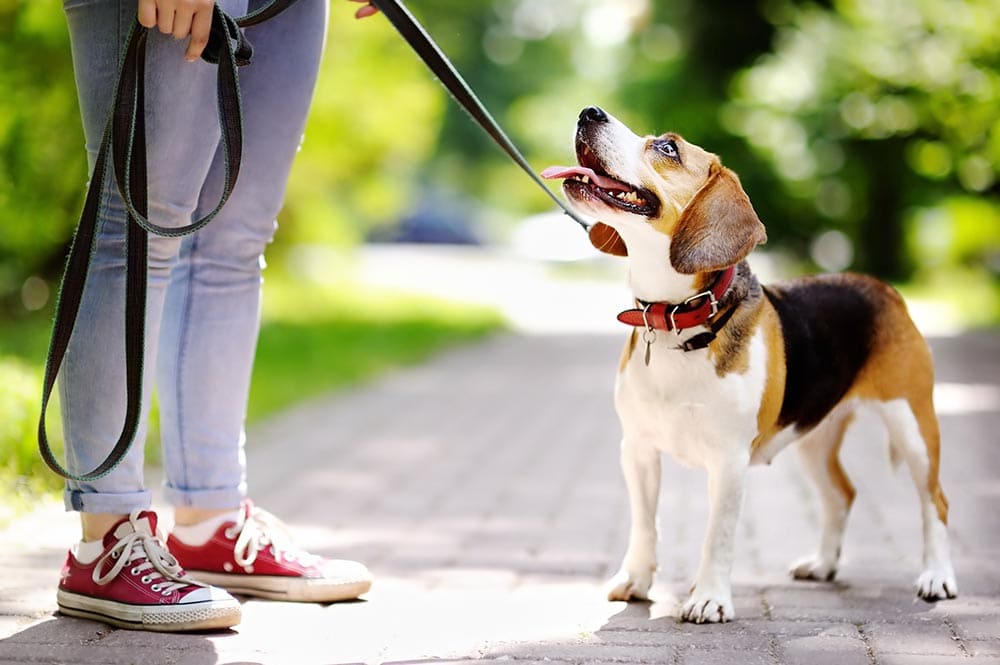
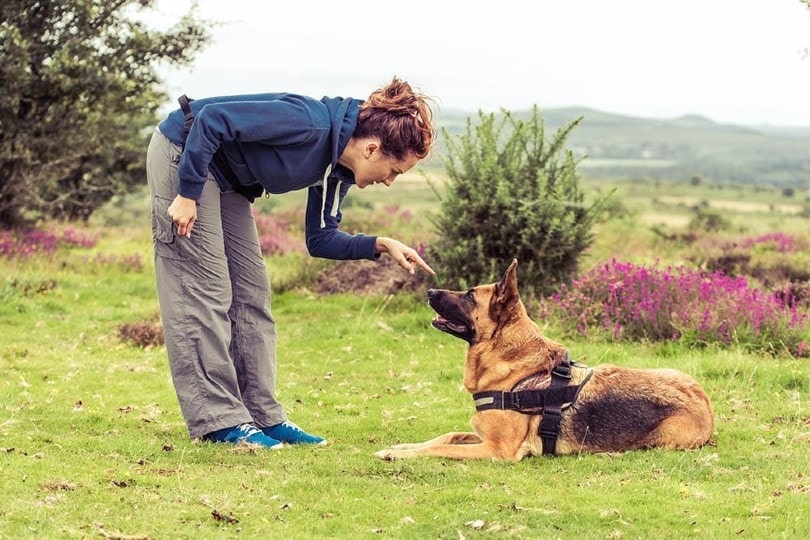
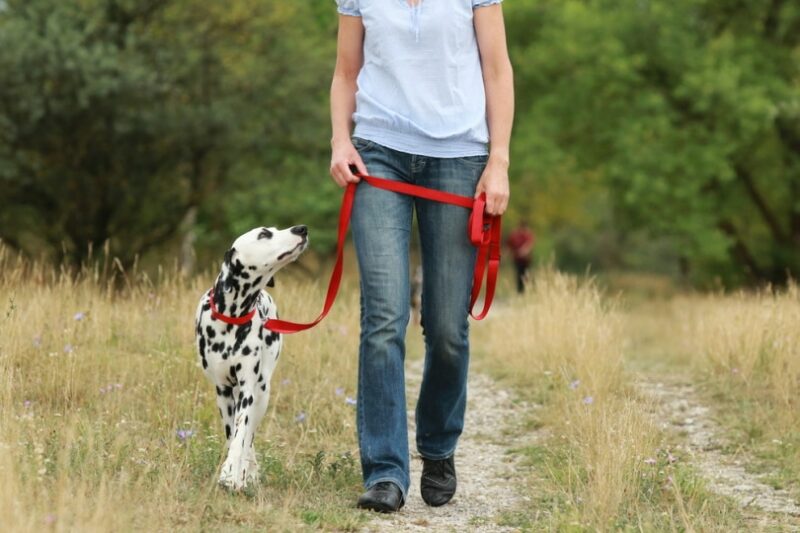
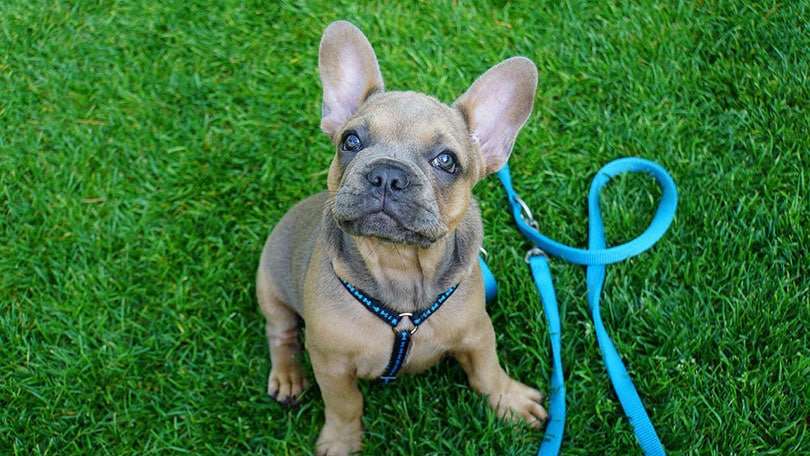
A gentle tug on the leash and the word “come” is your dog’s cue to follow you. If your pup doesn’t move or starts in the other direction, coax them along with a treat. Some dogs may lunge forward or pull hard on the leash. You can remedy this by picking up any slack on the leash and standing still. Your pup will get the picture when they realize this behavior doesn’t get them anywhere.
5. Keep Training Sessions Short
Long walks are in your future, but for now, limit your training sessions. It’s better to do several short training walks throughout the day versus blocking out an hour or two for the activity. You want your dog to look forward to your walks.
If you still need help with training your dog, we suggest speaking to an online vet for tips and tricks.
What Is the Best Treat to Use for Puppy Training?
Special treats you only offer during training will entice your dog, regardless of age. Dog trainers often refer to them as “high value” or “million-dollar” treats. There are numerous brands of training treats on the market, but some dogs love a piece of cheese or a dab of peanut butter. The treats should be tiny: no bigger than a piece of kibble. You must also factor the additional calories into your dog’s diet.
What Material Is Best for a Dog Leash?
The sturdiest leashes are nylon or leather. These materials are weather-proof and will last a while. Less inexpensive leashes can fall apart easily, creating a safety hazard for you and your pet.
At What Age Should Leash Training Start?
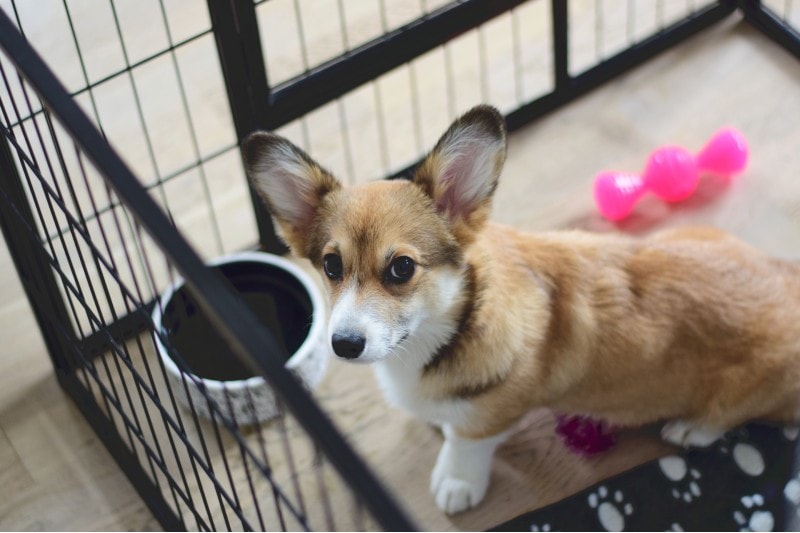
You can start leash training your puppy as soon as you bring them home from the breeder or shelter. Just remember that young puppies have short attention spans. Adult dogs can learn how to walk on a leash, but it may take longer. Set reasonable goals and have an abundance of patience. Just remember not to expose your puppy to other dogs before its vaccination schedule is complete. You can start leash training in your home!
What Kind of Harness Is Best for a Dog That Pulls?
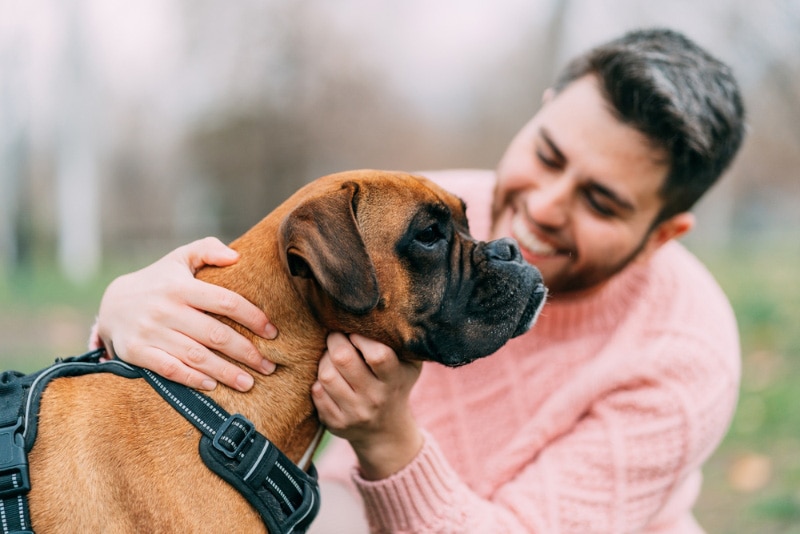
Pulling on a leash is an undesirable behavior that you should work on curtailing. Your dog’s neck and your arms suffer when your pup leaps about while out for a walk. A durable yet comfortable dog harness will give you better control over your dog. You should look for designs that fit more like a vest and not the kind that only uses straps. When you shop for a dog harness, consider if it’s machine washable and how easy it would be to put on and take off.
How Long Does It Take To Leash Train a Dog?
A puppy can learn to walk on a leash in about a month, as long as you are consistent with your training. Older dogs may take longer if they need to unlearn unwanted behaviors like lunging. Contact a professional dog trainer if you feel you’re not making progress.

Conclusion
The best leash length for most dogs is 6 feet. That’s long enough for your dog to move freely but short enough for you to have control. You can purchase a durable leash made of nylon or leather, but dogs that tend to pull or lunge may need to wear a harness during walks. Keep training sessions short and offer high-value treats; your pet will eventually adapt to the routine and begin to enjoy the experience.
Sources
Featured Image Credit: Jaromir Chalabala, Shutterstock
Get Hepper In Your Inbox


Pet care tips from our vets and experts, straight to your inbox.
You may opt-out at any time. View our Privacy Policy for more information.
Nicole is a lover of animals of all sizes but is especially fascinated with the feline variety. She’s the proud mom of Baby, a Burmese, and works every day so he can relax in the sunshine or by the fire. She’s always had a cat in her home and has spent countless days with others, observing behaviors and softening up even the grouchiest of the lot. Nicole wants to share her kitty expertise with you so you and your cat can live happy, healthy, and care-free.
Join the conversation
Ask a question, share your story, or send private feedback.