Hepper is reader-supported. When you buy via links on our site, we may earn an affiliate commission at no cost to you. Learn more.
How to Stop a Dog From Pulling on the Leash: 3 Effective Tips
In this article
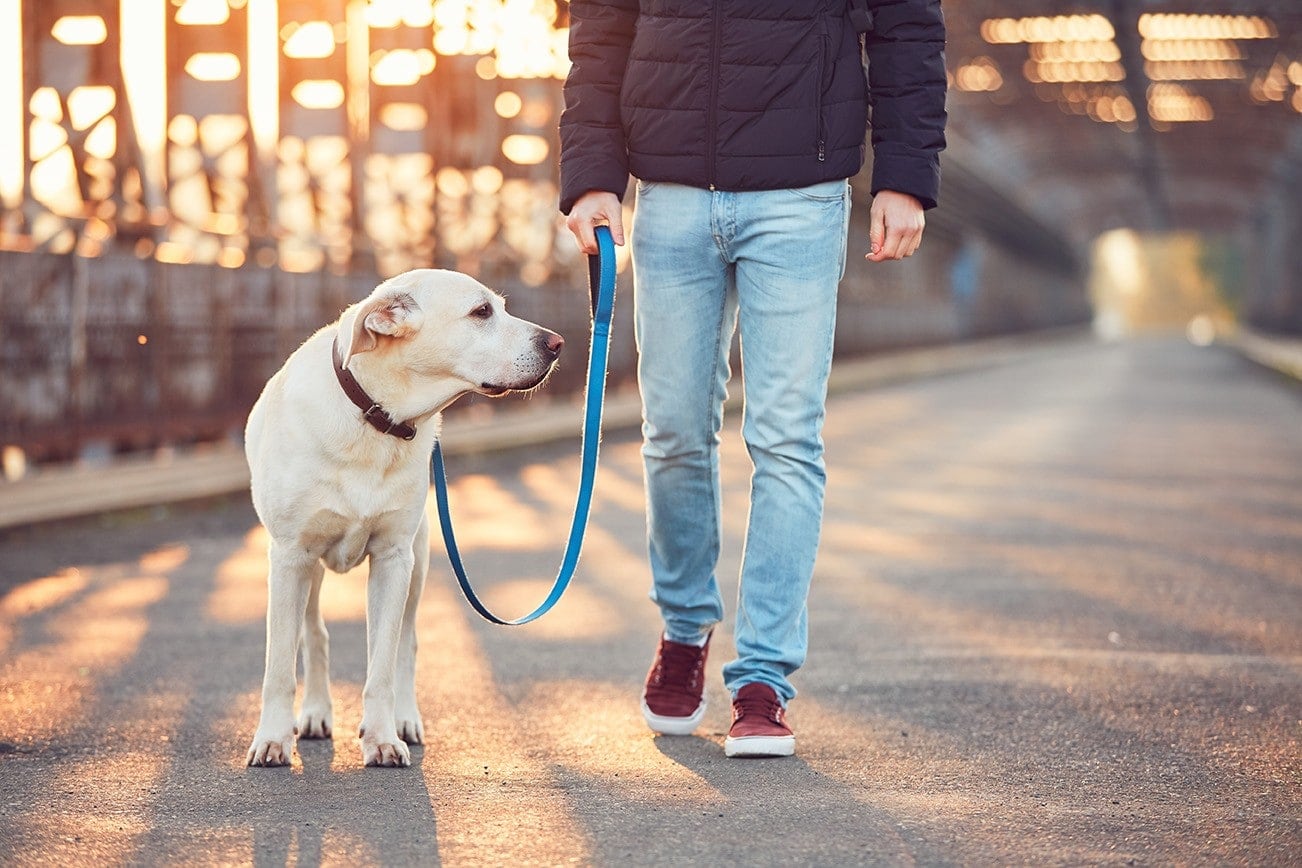
Is your dog driving you up the wall by pulling with all their might during your daily potty breaks and walks? Some dog breeds and individual pooches are more stubborn and willful than others, which can make leash training a special kind of nightmare when they tug on their lead to bark at every random bird, dog, or car that passes by.
The silver lining is that you can stop the pulling with enough time, patience, and the right training techniques. Big dog breeds with strong prey drives are more difficult to leash train, too, while more placid small dogs can be easier to manage. Regardless, let’s dive into what you need to leash train your dog and how to cut out that irritating tugging, step-by-step. Read on for the how-to.
If you sneed help with training your dog on walks, we suggest speaking to an online vet for tips and tricks.

Before You Begin
First, you need to understand why dogs pull on the leash. Some especially energetic dog breeds need a lot of exercise every day, and if they don’t get enough exercise, they can become rowdy on your walks. Additionally, dogs bred for hunting may have a very strong innate prey drive that literally compels them to chase other animals. Some other breeds are just naturally more protective over their owner and skeptical of strangers.
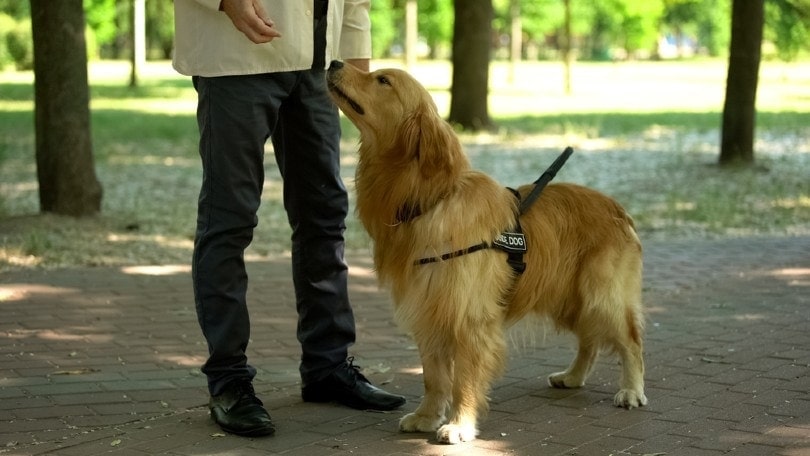
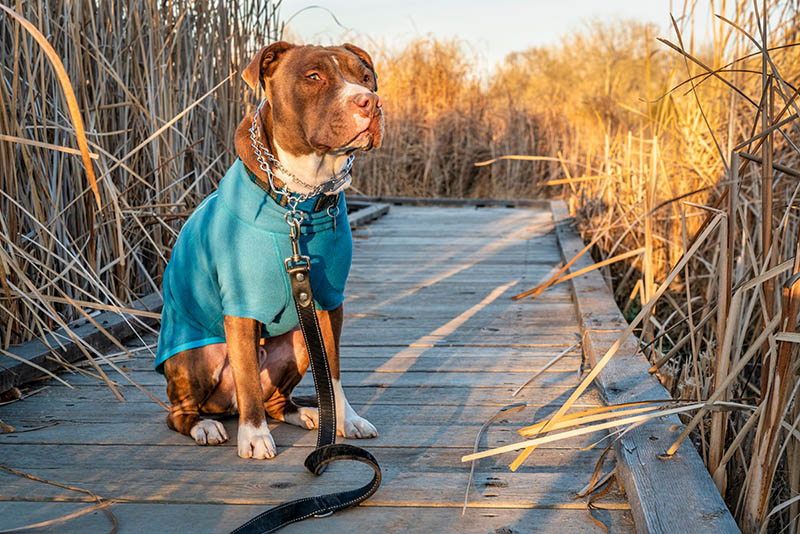
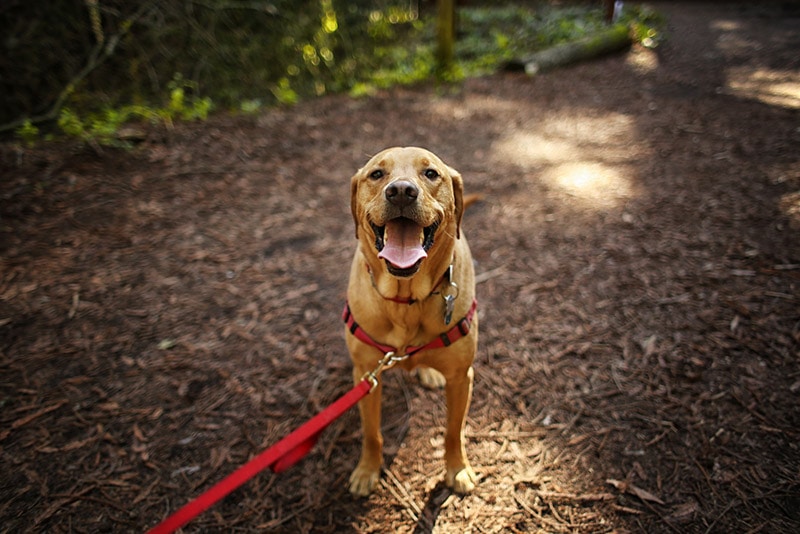
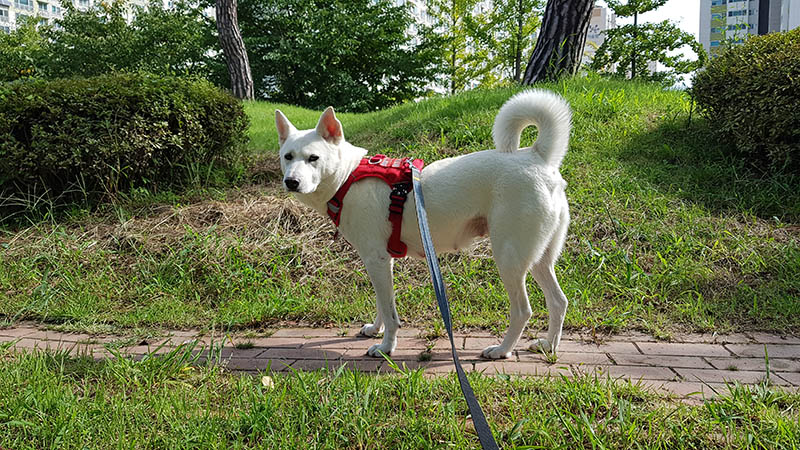
To help train your dog out of pulling on the leash, you first need to make sure the collar, harness, and leash you’re using are comfortable. A too-small collar can restrict your pup’s airway, but the collar should be snug and secure. Personally, we think a body harness is easier on your dog’s neck and back, rather than just yanking on their neck.
As far as the leash itself, start with a 6-foot or shorter leash to keep them close at hand until their training is complete.

How To Stop a Dog From Pulling on the Leash
1. Go On a Walk
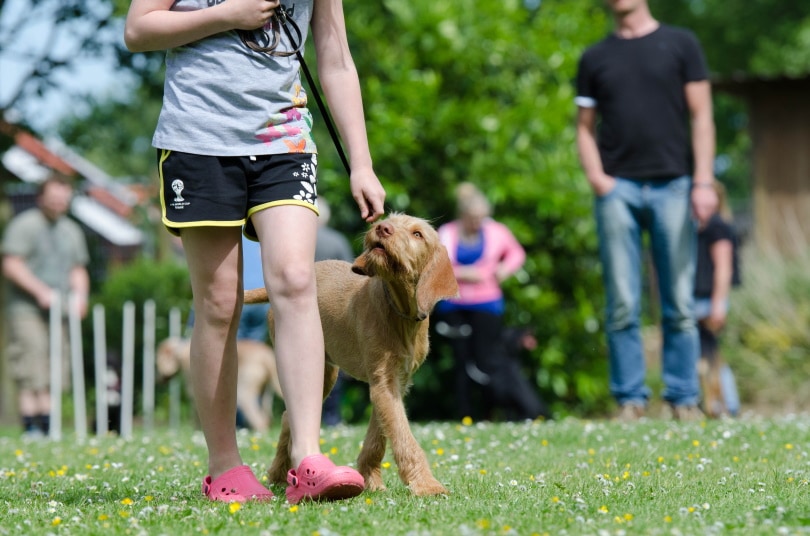
First things first, leash your dog up and make sure they’re comfortable. If you’re using a new harness, introduce it slowly and make sure you have a secure fit before leaving the house. Go on a familiar route to you and your dog, but you’ll be changing how you react when they see something and pull on the leash.
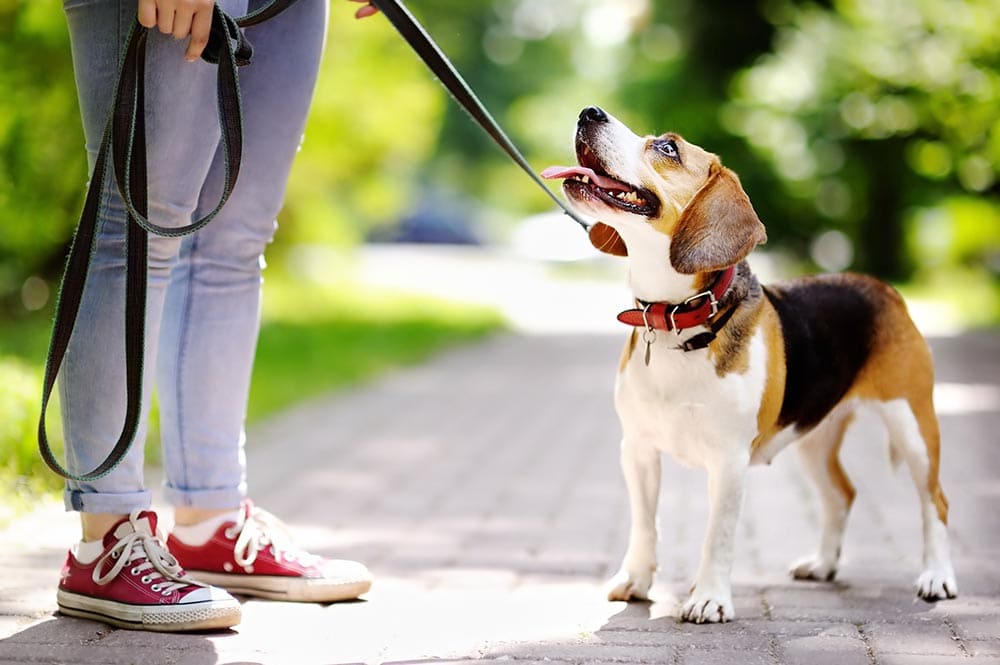
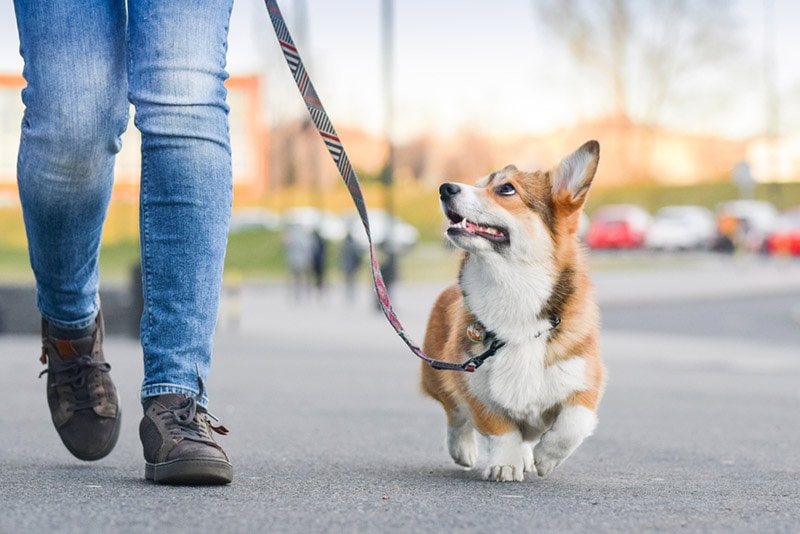
When they see that squirrel or bird or dog, immediately stop walking and don’t let them pull you along. Let the leash go slack and completely ignore your dog until they stop tugging, at which point you give them a treat and some praise, then continue the walk. The point here is to teach your dog that tugging on the leash makes the walk stop and that no amount of pulling will get them what they want.
Another important step is to stop walking faster when they pull. This encourages pulling and independently chasing whatever looks interesting to them in that moment. Instead, they have to match the pace you set.
2. Teach “Stay” and “Leave It”
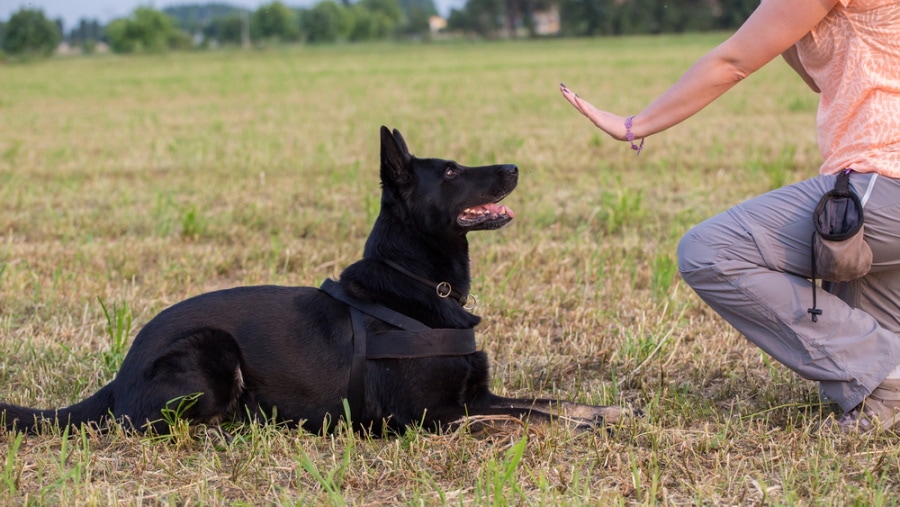
“Stay” and “leave it” are common commands that prove essential for leash training. If you’ve already introduced your dog to these, you’re ahead of the game. They’re already familiar with the idea of staying calm in front of an enticing stimuli, like food, for instance.
If your dog doesn’t already know these commands, we highly recommend you focus on teaching them before improving their leash behavior—it will be hugely beneficial later on.
3. Find Your Technique & Stay Consistent
Some dogs do better if you ignore them completely when they pull, while others might just pull harder. You can experiment here with what helps your dog get it, which might be moving on away from the stimulus before rewarding good behavior.
Especially belligerent dogs will test your patience, requiring tons of patience, while other dogs catch on more quickly. Once you’ve started leash training, you need 100% consistency to avoid confusing them and forming bad habits. Don’t ever allow your dog to dictate your pace during walks by tugging or to go bananas trying to get at a bird, or they’ll get the idea that it’s acceptable. Stay strong and even the most stubborn hounds will cease their incessant pulling.

Conclusion
Some dogs are remarkably well-behaved on leashes, but others have a pigheaded habit of tugging on the leash that can make you pull your hair out. To solve this for good, establish firm boundaries with your dog that pulling isn’t tolerated, liberally use treats to reward calm behavior, and maintain rock-solid consistency.
Sources
Featured Image Credit: N K, Shutterstock
Get Hepper In Your Inbox


Pet care tips from our vets and experts, straight to your inbox.
You may opt-out at any time. View our Privacy Policy for more information.

Join the conversation
Ask a question, share your story, or send private feedback.