Hepper is reader-supported. When you buy via links on our site, we may earn an affiliate commission at no cost to you. Learn more.
Hypertension in Cats: Signs, Causes & Care (Vet Answer)

In this article
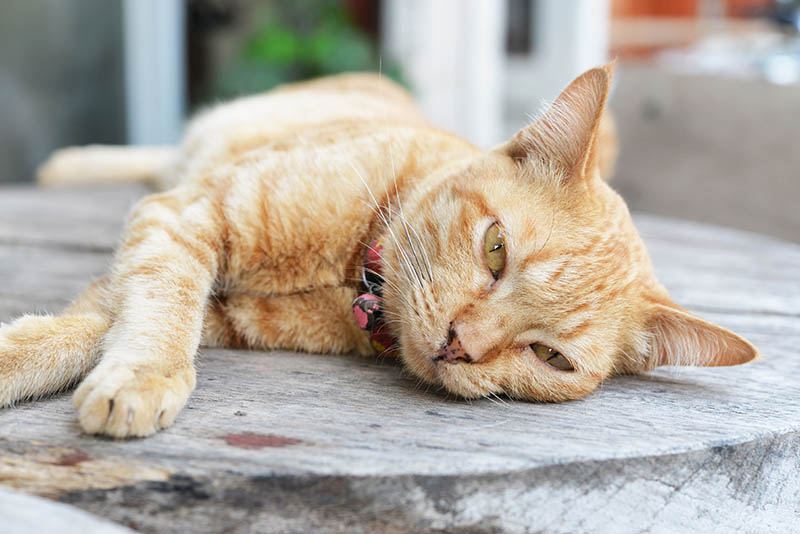
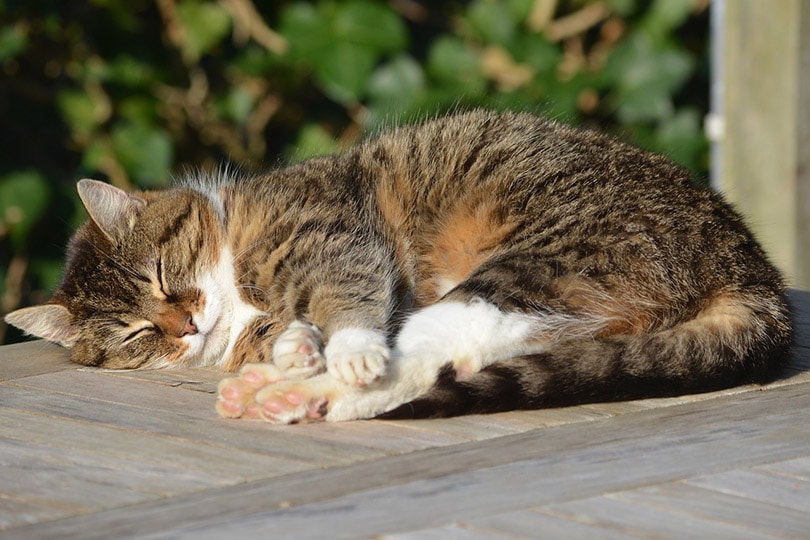
When you glance at your cat curled up on a cozy bed, enjoying a nap in the sun, it might be hard to imagine how they could possibly have high blood pressure! However, except for situational hypertension, most cases of feline hypertension are not caused by stress.
Hypertension tends to occur in kitties over the age of 7, especially those with medical conditions like chronic kidney disease (CKD) and hyperthyroidism. Many cats with high blood pressure don't show any signs, so routine screening for this condition is really important. Keep reading to learn about the causes of hypertension in cats, signs to watch for, and how it is treated.

What is Hypertension?
Hypertension means high blood pressure. Veterinarians don't typically use this term to describe a single high reading in cats; it tends to be reserved for consistently elevated readings (ideally on more than one occasion).
Blood pressure is measured in mmHg (millimeters of mercury), and readings are reported as a number over another number (e.g., 120 over 80). The bigger number is the systolic pressure, measured immediately after the heart contracts to send blood throughout the body. The smaller number is the diastolic pressure, measured when the heart relaxes before the next contraction.
Unfortunately, the methods we use for measuring blood pressure in kitties are not very accurate for diastolic pressure. As a result, current guidelines pertaining to hypertension in cats are based on systolic blood pressure only. Cats are usually considered to have hypertension when their systolic blood pressure is consistently above 150 or 160 mmHg.
How Do We Measure Blood Pressure in Cats?
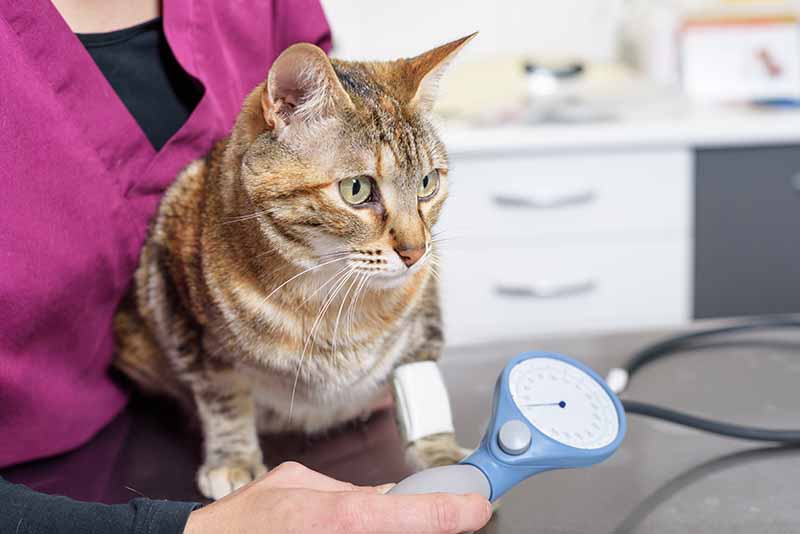
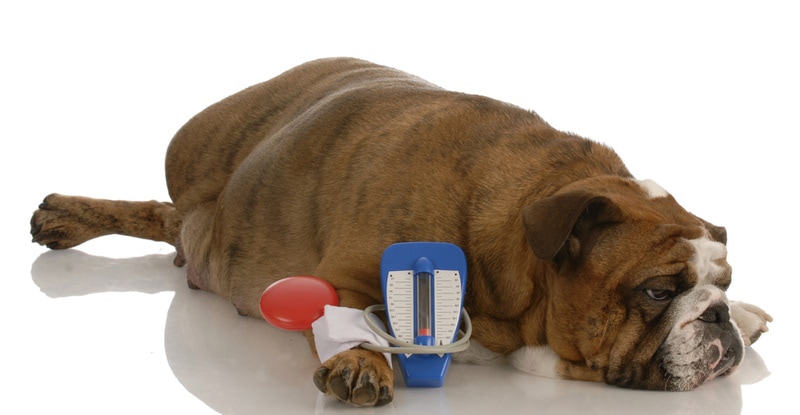
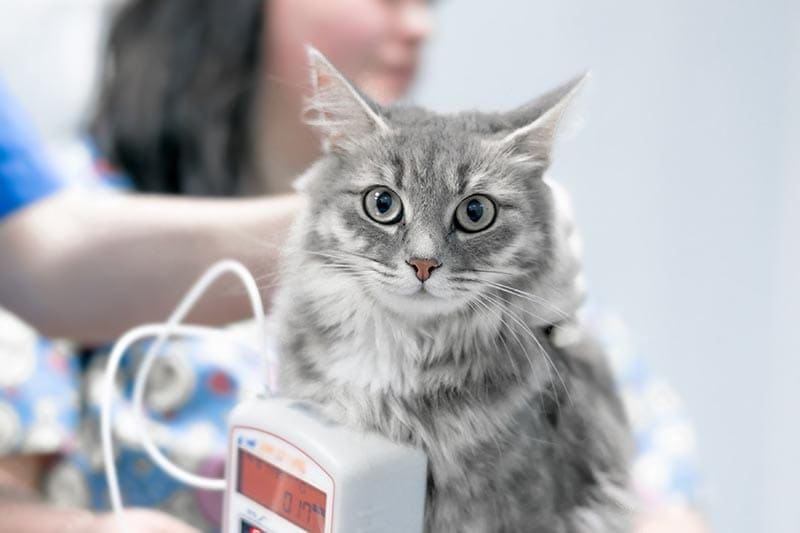
We measure blood pressure in cats pretty much the same way as in people, just with smaller cuffs! Blood pressure cuffs can be placed on the legs or tail, whichever is most comfortable for the patient. Veterinarians usually take multiple readings to ensure accuracy.
One of the most important things when measuring blood pressure in kitties is to help them feel as relaxed as possible (they are susceptible to white coat syndrome, just like us!).
This can be accomplished by:
What Are the Signs of Hypertension in Cats?
Some cats may not show any signs of hypertension, which is why screening for this condition (especially in higher-risk kitties) is so important. If signs occur, they are related to the organs most affected by hypertension: the brain, eyes, kidneys, and heart. Signs may include:
- Behavior changes (e.g., meowing more than usual)
- Sudden loss of vision (e.g., following walls when walking, bumping into things)
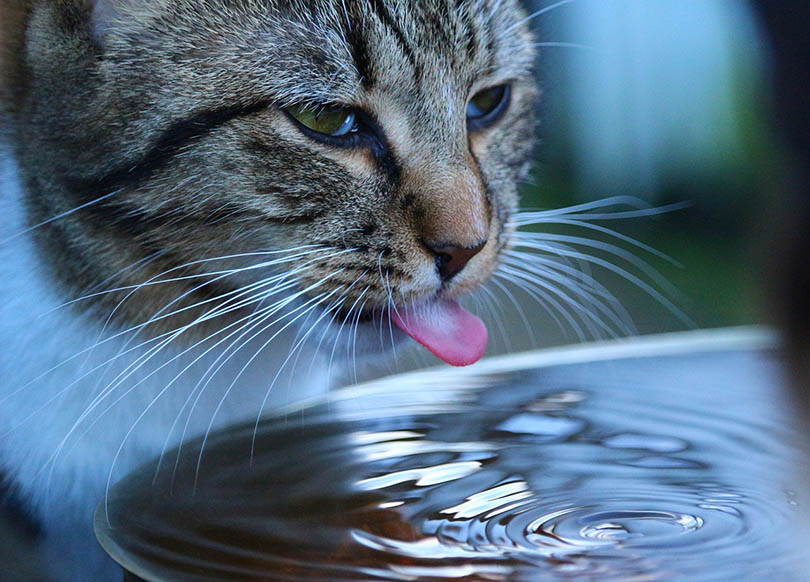
- Drinking more water than usual (you may also notice larger amounts of pee in the litterbox)
- Difficulty breathing, dragging one or both back legs, sudden collapse
What Causes Hypertension in Cats?
Hypertension in cats is classified as idiopathic, secondary, or situational.
Idiopathic hypertension
Idiopathic hypertension is persistently high blood pressure with no identifiable cause. It is estimated to represent 13-20% of all cases in cats.1
Secondary hypertension
Secondary hypertension is persistently high blood pressure that occurs secondary to another medical condition. The most common example is chronic kidney disease (CKD). It has been shown that up to 65% of cats with CKD also have hypertension.2
In senior kitties, hyperthyroidism is another common medical condition that can increase the risk of hypertension for affected cats.
Situational hypertension
Situational hypertension is a temporary elevation in blood pressure due to stress (e.g., veterinary visits). Determining whether a high blood pressure reading is due to stress or true hypertension can be tricky. Your veterinarian may recommend rechecking your cat’s blood pressure at more than one visit to be sure.
How is Hypertension Treated in Cats?
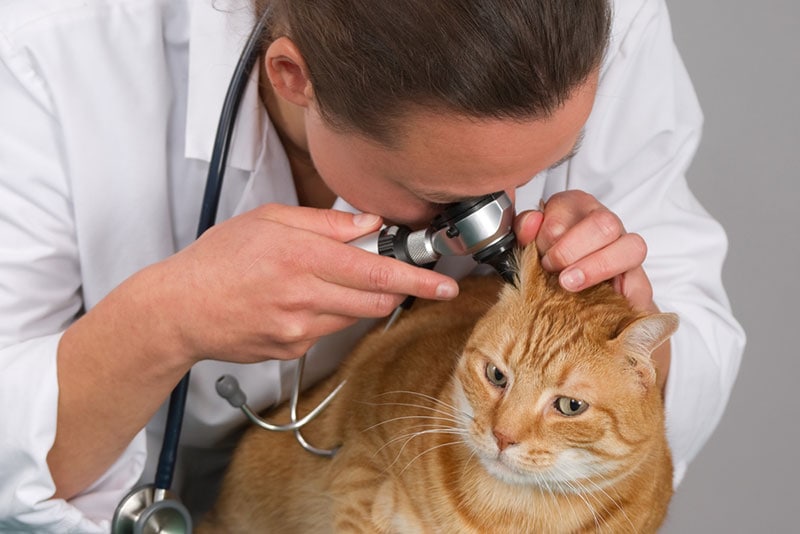
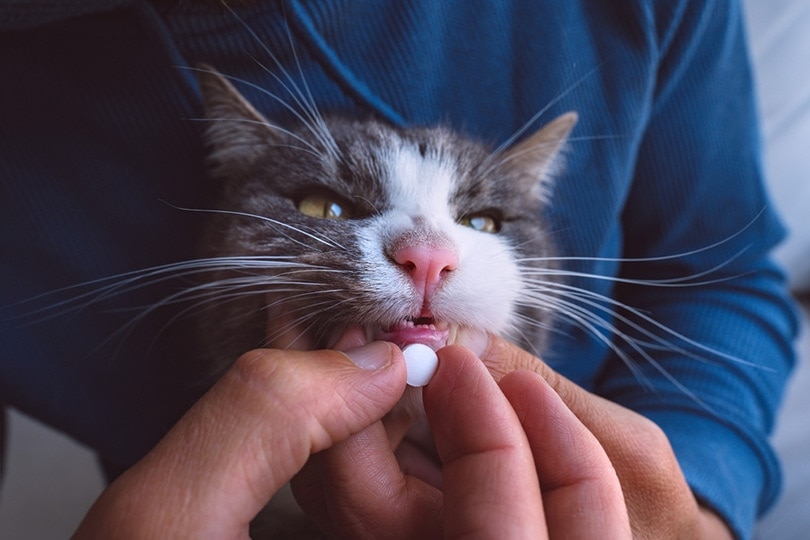
Cats with hypertension often need daily medication to help manage their blood pressure. The medication typically comes in tablet form and is taken by mouth. It is critical for your veterinarian to monitor your cat’s blood pressure closely after they start medication to make sure the dose is effective. The goal is to lower their blood pressure to a safe range without dropping it too low.
If your kitty’s hypertension is secondary to another medical condition, like chronic kidney disease (CKD) or hyperthyroidism, it is also important to manage that condition.
Top 3 Ways on How You Can Help Your Cat With Hypertension
You have an essential role to play in managing your cat’s hypertension! You can help by:
1. Administering their medication(s) as directed
It is vital to give your cat’s medication precisely as prescribed. Be sure to administer it at the same time each day, and do not make any adjustments to their dose without consulting your veterinarian.
We know it is not always easy to give a cat medication (we have been there!), but here are some tips to make the experience as positive as possible.
2. Attending recheck appointments as recommended by your veterinarian
Your veterinarian will want to check your kitty’s blood pressure shortly after they start their medication and after any dose adjustments. Once their blood pressure is stable, visits can become less frequent (e.g., every 3-6 months).
Recheck appointments may also include bloodwork if your cat has other medical conditions like chronic kidney disease (CKD).
3. Helping your cat feel as comfortable as possible traveling in their carrier and visiting the veterinary clinic
Successful veterinary visits begin at home! Check out this resource for tips to help your cat feel safe in their carrier and minimize the stress associated with trips to the clinic.
Frequently Asked Questions
How often should cats be screened for hypertension?
Here are some general guidelines for how often healthy kitties should have their blood pressure checked based on their age:
- 3–6 years old: every 12 months
- 7–10 years old: at least every 12 months
- Over 11 years old: at least every 6-12 months
Cats known to be at increased risk for hypertension, for example, those with chronic kidney disease (CKD) or hyperthyroidism, should have their blood pressure measured as soon as they are diagnosed with their condition and at least every 3-6 months afterward.
What happens if hypertension is not identified and treated in cats?
Undiagnosed hypertension can damage specific “target” organs, specifically the brain, eyes, heart, and kidneys. This can cause several serious issues, including:
- Sudden blindness due to retinal detachment (which may be irreversible)
- Neurologic signs (e.g., incoordination, seizures) and behavior changes
- Thickening of the heart muscle leading to heart murmurs, abnormal heart rhythm, and increased risk for aortic thromboembolism
- Kidney damage and loss of protein through the urine
Is hypertension preventable in cats?
Idiopathic hypertension refers to cases with no identifiable cause, so unfortunately, we do not currently know how it can be prevented. Hypertension that occurs secondary to other diseases may not be entirely preventable, but regular screening of cats who are known to be at increased risk (e.g., those with chronic kidney disease or hyperthyroidism) can help identify the condition early so that it does not lead to permanent organ damage.
We likely cannot prevent all cases of situational hypertension in cats, but following best practices for low-stress travel and handling may help (and is certainly appreciated by our feline friends!).
Conclusion
Given that many cats with hypertension do not show any sign of the disease, it is crucial to be aware of this condition and talk to your veterinarian about how often your cat should be screened. If your finicky feline really does not enjoy visiting the veterinary clinic, consider finding a vet in your area who offers house calls. They may even be able to check your kitty’s blood pressure without disturbing their snooze in the sun!
Sources
Featured Image Credit: Ben Kerckx, Pixabay
Get Hepper In Your Inbox


Pet care tips from our vets and experts, straight to your inbox.
You may opt-out at any time. View our Privacy Policy for more information.
Dr. Sharon (as she is known by her clients) has had an intense love for animals for as long as she can remember. She grew up in Guelph, Ontario and fulfilled her childhood dream by obtaining her Doctor of Veterinary Medicine (DVM) degree from the Ontario Veterinary College in 2009. She has since found joy working in a variety of small animal clinics, focusing on cat and dog care. She loves sharing her expertise and empowering pet owners to take the best possible care of their fur babies!
Sharon currently lives in beautiful British Columbia with her husband, daughter, and Parker, her loveable Great Dane. When she’s not at work, she enjoys clogging, photography, and exploring the outdoors with her family.
Dr. Sharon (as her clients call her), was raised in Guelph, Ontario, and has loved animals for as long as she can remember. She fulfilled her childhood dream when she obtained her Doctor of Veterinary Medicine (DVM) degree. Sharon now lives in British Columbia, Canada with her husband, daughter, and Parker, their loveable Great Dane. When she’s not working, she enjoys clogging, photography, hiking, and camping with her family.
Education
Dr. Sharon obtained her DVM in 2009 from the Ontario Veterinary College in Ontario, Canada.
Experience
Dr. Sharon loves sharing her knowledge and empowering people to take the best possible care of their fur babies, which she has been able to do through her work. She has practiced in a variety of small animal clinics since graduating, with a main focus on cats and dogs.
Check out some of our top posts written by our veterinary team:
Why Does My Dog Snore? Should I Act?
My Cat Ate Paint! Our Vet Explains What to Do Now
How Common is Heartworm in Cats? 7 Things to Know About Heartworm Disease
Join the conversation
Ask a question, share your story, or send private feedback.