Hepper is reader-supported. When you buy via links on our site, we may earn an affiliate commission at no cost to you. Learn more.
Javanese (Colorpoint Longhair) Cat: Info, Pictures, Characteristics & Facts
In this article
Breed Overview
Height:
Weight:
Lifespan:
Colors:
Suitable for:
Temperament:
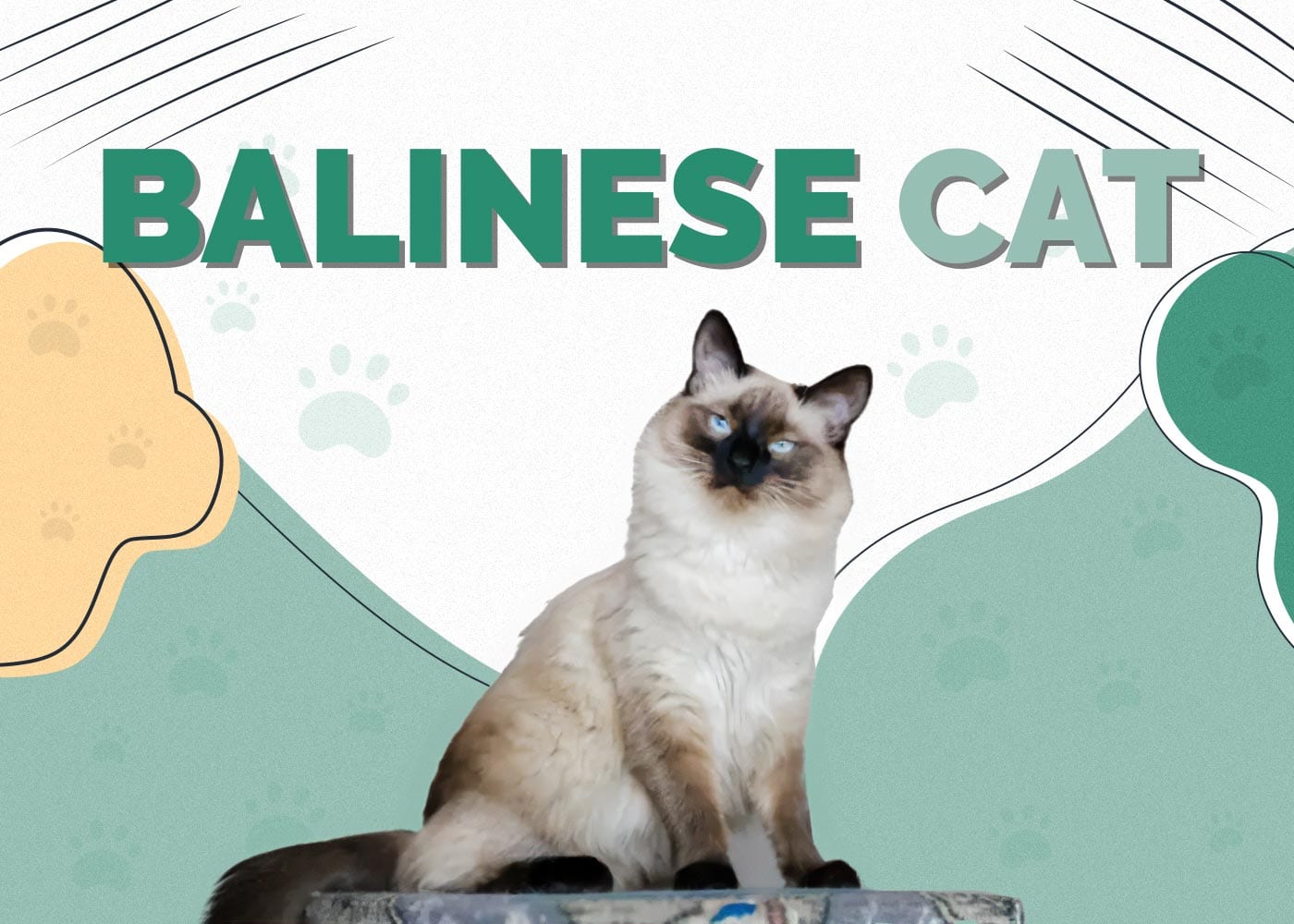
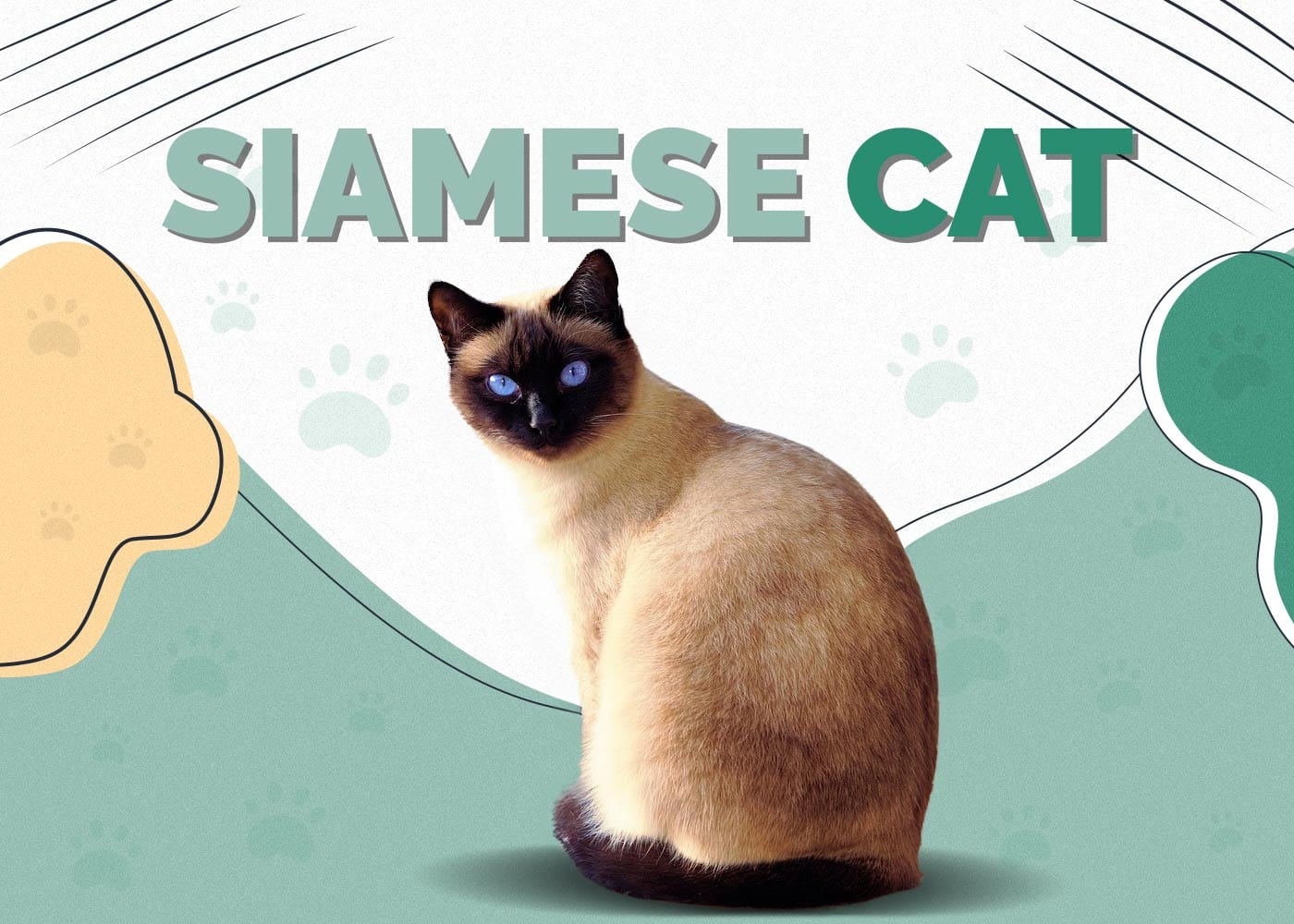
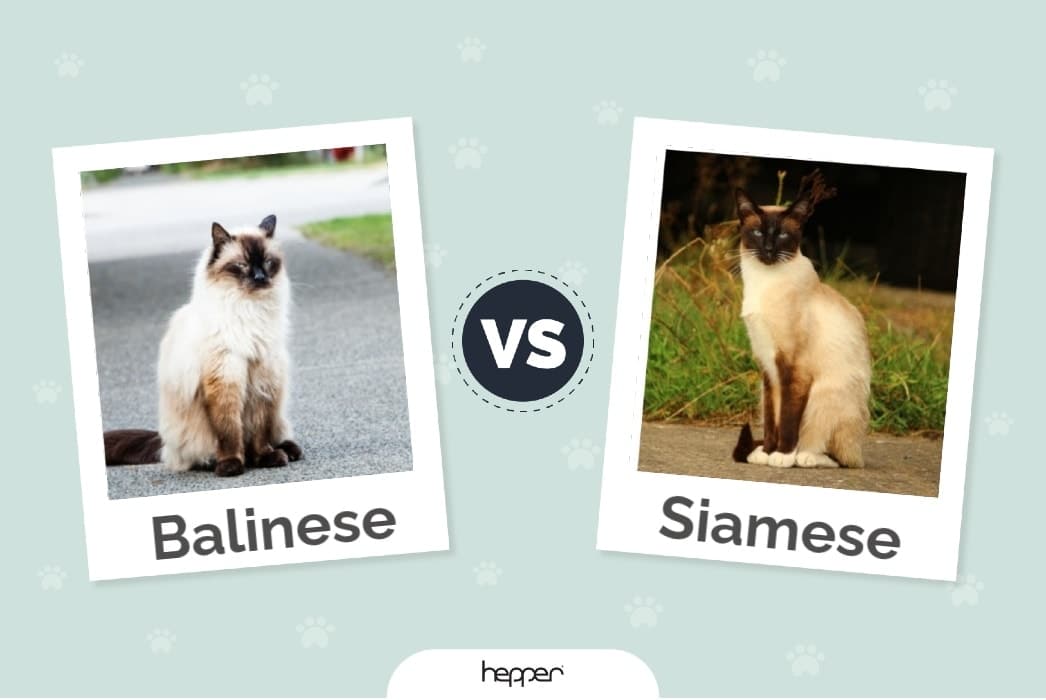
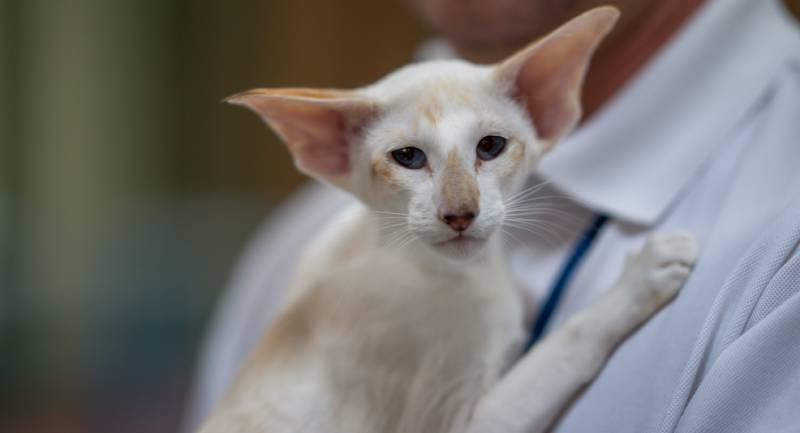
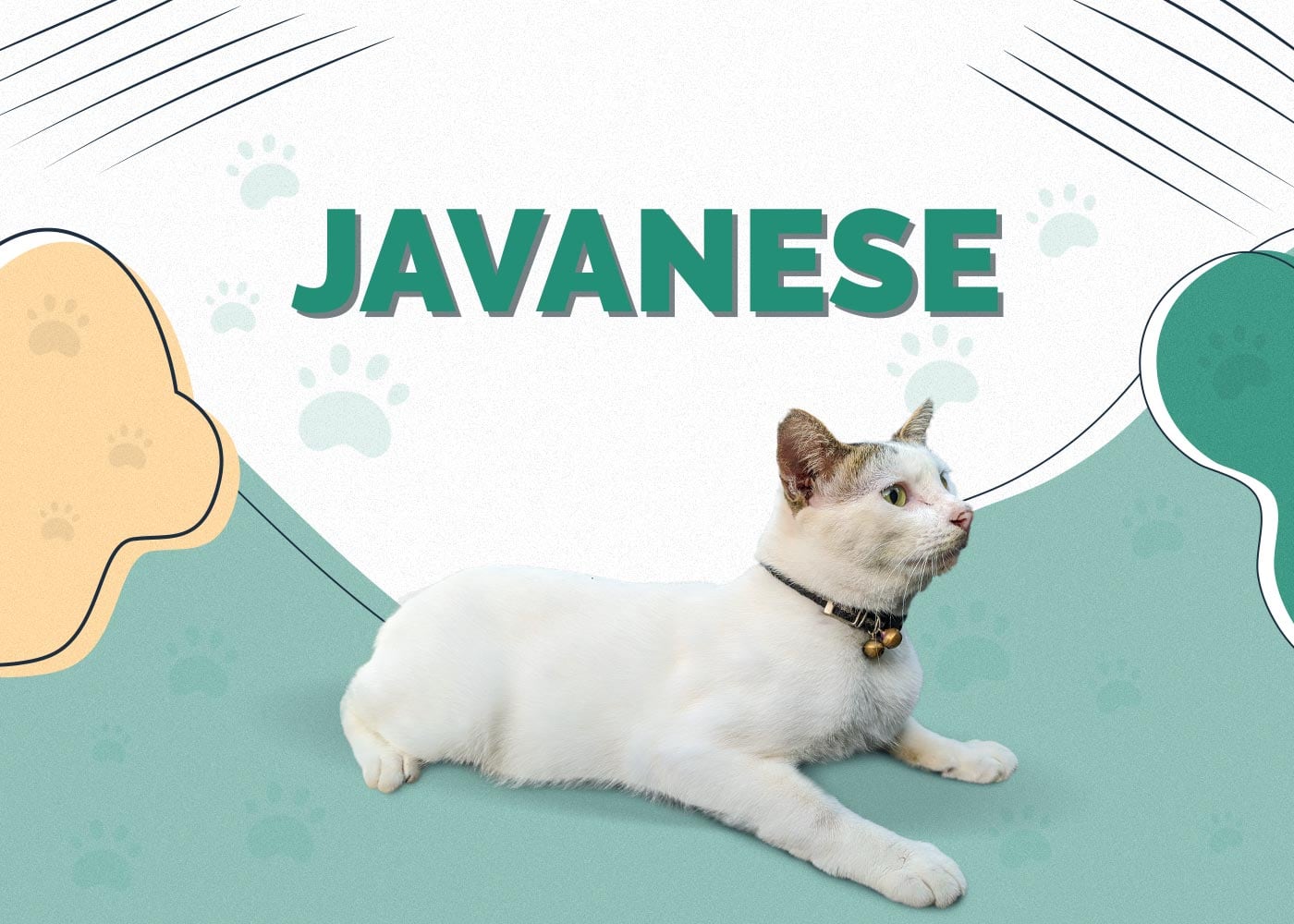
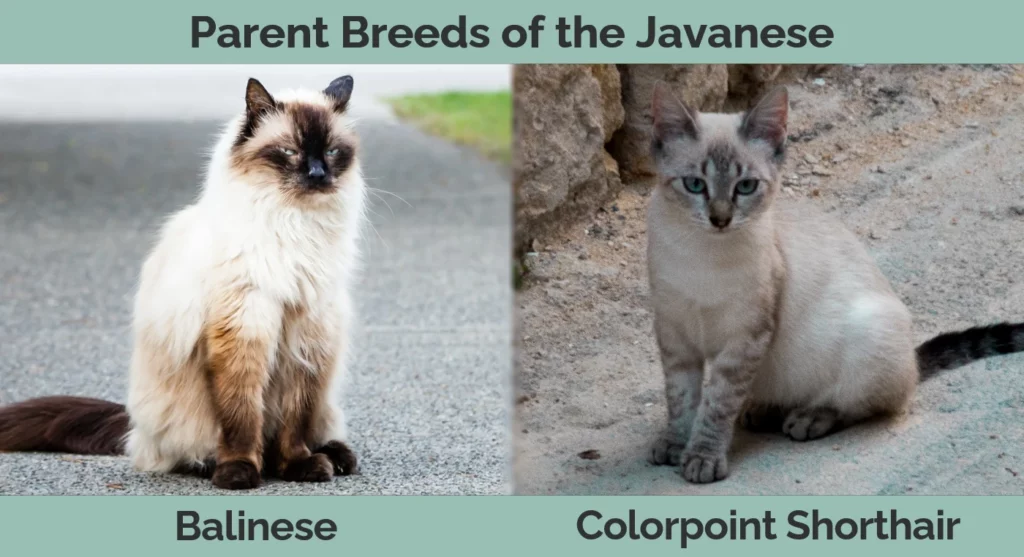
If you’re fascinated with Siamese cats, then you’ll love the Javanese cat. The Javanese is a cross between the Balinese and a Colorpoint Shorthair—two versions of the Siamese.
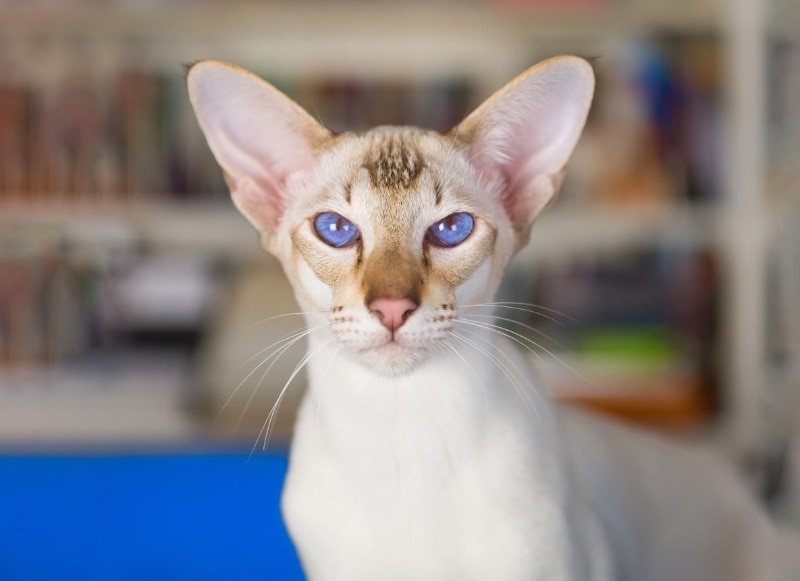
Javanese cats are the longhaired version of the Colorpoint Shorthair, so it is often referred to as the Colorpoint Longhair. They have slender bodies and fluffy tails that make hearts melt. You have to be strong-willed to not pet their glorious tails.
Siamese enthusiasts wanted a semi-longhaired version but with similar personality traits. Between 1950 and the late 1970s, breeders went to work, and the Javanese cat was born.
Javanese love receiving attention and have no problem expressing their opinion. You can find a Javanese cat in red, cream, tortie, or lynx.
Speaking of finding this cat breed, let’s look at some helpful tips for buying a Javanese.

Javanese Kittens
Javanese Cat Characteristics
The Javanese is a rare cat, so locating a breeder can be challenging. You may have to drive a long distance to find a litter since there aren’t many breeders in the states. Always check the breeder's credentials and ensure you’re adopting a cat that’s healthy and well-socialized. Never hesitate to ask questions!

Temperament & Intelligence of the Javanese
Javanese cats are brilliant, so you’ll want to keep their brains busy with puzzles, toys, and interaction. They don’t talk as much as a Siamese, but they still have opinions to share.
Javanese cats love to chat with their owners and don’t like to be left alone, so don’t get this cat if you’re looking for a breed that appreciates alone time. Prepare for a fuzzy shadow to follow you everywhere you go.
That doesn’t mean you can’t leave your Javanese at home when you need to leave your house. Javanese cats are fine with alone time if they have something or someone to keep them company. To keep your kitty entertained, you may want to adopt a second Javanese or another cat or dog.
Are These Cats Good for Families? 👪
Ask any Javanese owner, and they’ll tell you their kitties are faithful companions. This breed truly is a people-loving cat, making it a great option for families with small children. The more people in a household, the better.
Javanese cats want to be involved with all household activities and appreciate the affection of children. Just keep an eye on how your children handle your Javanese. Like any animal, one bad experience can ruin future interactions.
Does This Breed Get Along With Other Pets?
Javanese cats interact very well with other animals so long as they’re introduced slowly. As we said before, Javanese cats benefit from animal relationships if you plan to be away from home for several hours a day.
Adult Javanese cats can build relationships with other cats and dogs, or you can raise a Javanese around other animals. However, avoid introducing small pets like rodents to your Javanese. Since these are highly active creatures, they will pounce on the first sign of a good hunt!
Things to Know When Owning a Javanese:
Food & Diet Requirements
Javanese cats have an intense interest in food, so be wary of free feeding. If your Javanese is bored, it is likely to consume more calories and become a talkative butterball. Cat fountains are a great option for Javanese to encourage water consumption and add some entertainment to their daily lives.
Javanese cats do best on a diet rich in protein. If you want your Javanese to have more moisture in its diet, try offering high-quality wet food. Dry kibble will also have the necessary nutrients, including taurine.
You can always try feeding a homemade diet so long as you follow the strict cat nutrition guidelines.
Also, consider your cat’s age. Cat’s bodies start to slow down around 7 years old, so you may need to make adjustments by adding vitamins or switching to different foods.
Weight and energy output are other factors to take into account. Generally, house cats should be fed about ¼ cup of dry food twice a day. However, this amount changes based on the cat’s weight and energy output. Javanese cats burn many calories, so you may need to feed them more food.
If you’re unsure about feeding requirements, always call your veterinarian for nutrition advice.
Exercise 🐈
The Javanese breed looks dainty and regal, but don’t be fooled by their looks. These cats are actually athletic and muscular cats capable of impressive acrobatics.
This breed requires a hefty amount of exercise. Regular playtime and puzzles are great options for keeping this kitty busy. Make sure your Javanese has a way to be vertical. Keep multiple cat trees or cat shelves in the house to discourage climbing on counters and cabinets.
Training 🧶
The Javanese cat is eager to please and wants to learn and explore. Your Javanese could even benefit from supervised outdoor time on a leash. This is a great way to encourage natural environmental stimulation and help your Javanese burn a few calories. Thankfully, they’re easily trainable and won’t mind the leash after a few introductions.
Grooming ✂️
As we mentioned before, Javanese cats don’t have coats that shed a lot, so grooming requirements are low. Still, they can benefit from a good brushing about once a week to prevent mats.
You won’t need to bathe your Javanese unless they get into an oily situation, but you will have to clean their ears and teeth.
You can use white vinegar and a cotton ball to clean the ears or talk to your vet about a prescription ear cleaner if you notice your cat’s ears are constantly waxy.
Brush your cat’s teeth as often as possible to prevent dental disease further down the road. Enzymatic toothpaste is excellent at breaking down tartar buildup for teeth brushing. You can use a baby toothbrush or a finger toothbrush to help distribute the toothpaste on the teeth.
Health Conditions 🏥
Generally, the Javanese is a healthy breed. All house cats are prone to diseases like obesity, periodontal disease, allergies, parasites, and vaccine-preventable infections. They’re also susceptible to serious health issues like renal failure and kidney disease. But there are some specific health concerns to consider.
Always take your cat to the veterinarian after purchasing from a breeder or adopting from a shelter. Your veterinarian will want to run blood work and other tests depending on the breed to further evaluate your cat’s health.
Male vs. Female
Javanese male cats don’t have many physical differences from the females, but they are usually bigger. Most Javanese cats weigh between 5–12 pounds. A male cat might weigh between 8–12 pounds, and a female might weigh 5–8 pounds. This can vary based on diet and exercise.
Male cats of any breed tend to be more aggressive, wander, and spray when they’re not neutered. Female cats will go into heat and meow a lot to attract male cats. A quick visit to the vet can fix this issue.
3 Little-Known Facts About the Javanese Cat
1. The Javanese is not from Java.
You probably think the Javanese breed comes from Java, but these cats actually come from the US. Breeders gave the Javanese its name because Java is located near Bali, and the Javanese and Balinese breeds are closely related.
2. Breed qualifications vary in several countries.
There’s a lot of confusion about the Javanese breed, and breed qualifications vary from country to country. The Cat Fanciers Association recognized the Javanese as a separate breed up until 2008. It is now considered to be a Balinese variety.
3. The Javanese could be a good hypoallergenic option.
Although they’re longhaired with a fluffy tail, Javanese cats only have one coat and hardly shed. This is great news for cat lovers with severe allergies. However, that doesn’t mean Javanese don’t shed at all. If you have severe allergies, try to handle a Siamese cat, or any version of one, before committing to a Javanese.
Final Thoughts
The Javanese cat can easily become a favorite if you love Siamese cats. Isn’t it nice to come home to a kitty who wants to chat?
It is hard to find a Javanese breeder, so you’ll need to do some research. Start by speaking to Balinese and Siamese breeders. You’re likely to build connections, making the hunt for your future kitty much easier.
Sources
Featured Image Credit: abraham rizky sutadi, Shutterstock
Get Hepper In Your Inbox


Pet care tips from our vets and experts, straight to your inbox.
You may opt-out at any time. View our Privacy Policy for more information.

Cassidy is a vet tech and pet sitter who has more recently become a pet writer. She loves cats and dogs and has had dozens of pets over the years. Her specialty is the human-animal bond.
Cassidy and her husband currently live in Kansas with a German Shepherd named Raven, two cats named Lucy and Streudel, and several backyard chickens.
Join the conversation
Ask a question, share your story, or send private feedback.