Hepper is reader-supported. When you buy via links on our site, we may earn an affiliate commission at no cost to you. Learn more.
How Long Do Lop Eared Rabbits Live? Average Lifespan, Data & Care
In this article
Are you considering getting a pet rabbit, but not sure which breed is right for you? Look no further than lop-eared rabbits. With their adorable long ears and playful personalities, lop-eared rabbits have become a popular choice among pet owners.
But how long can you expect your bunny friend to be a part of your life? In this article, we'll discuss the lifespans of lop-eared rabbits and uncover the factors behind their lifespans. Whether you're a current lop-eared rabbit owner or considering bringing one into your home, knowing the important factors that determine their lifespan will help you provide the best possible care for your beloved pet. Depending on the breed of your pet, lop-eared rabbits tend to live anywhere between 8 to 12 years

Lifespan of Lop-Eared Rabbits
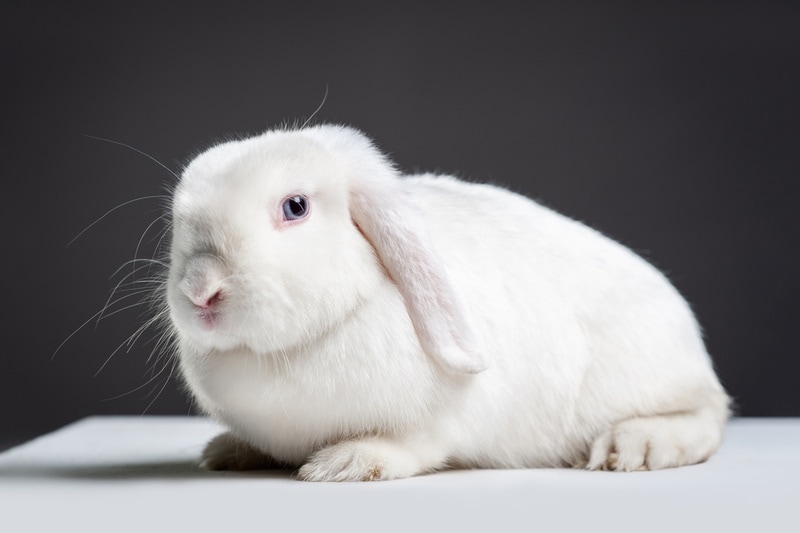
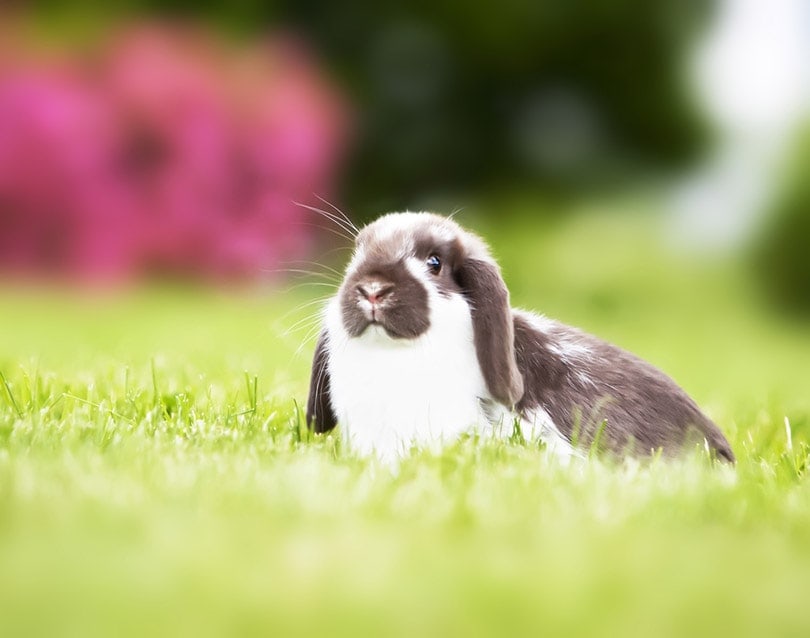
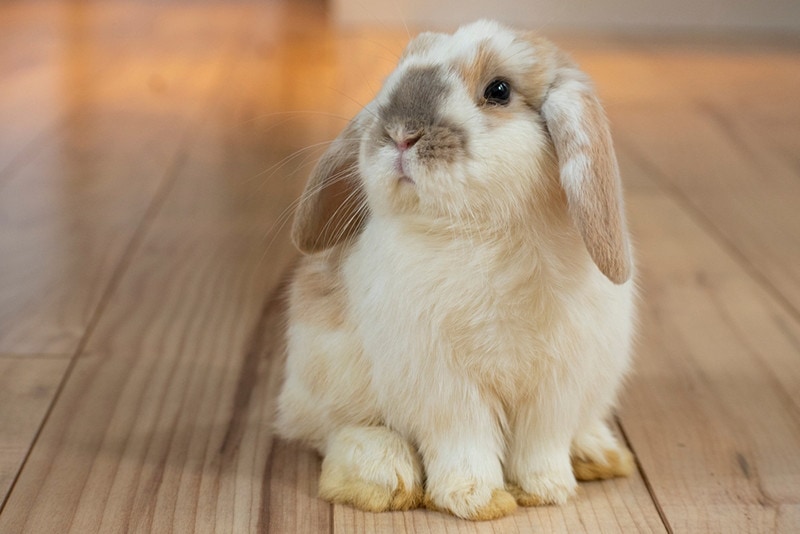
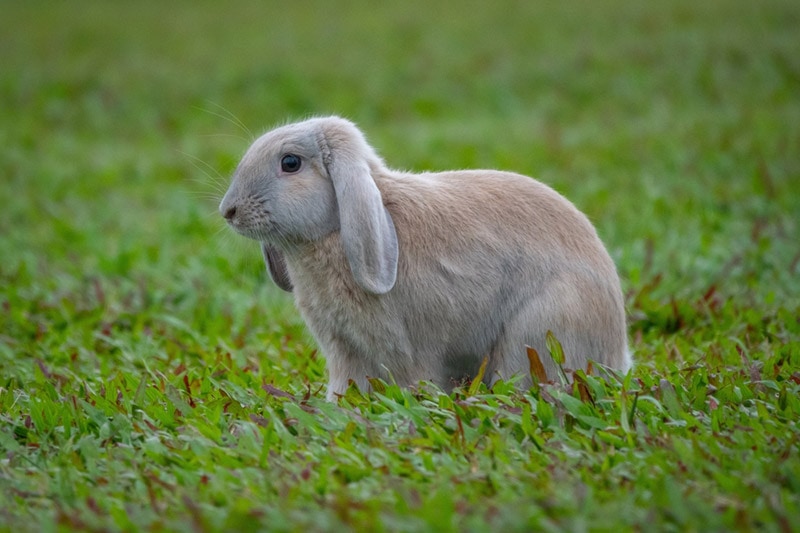
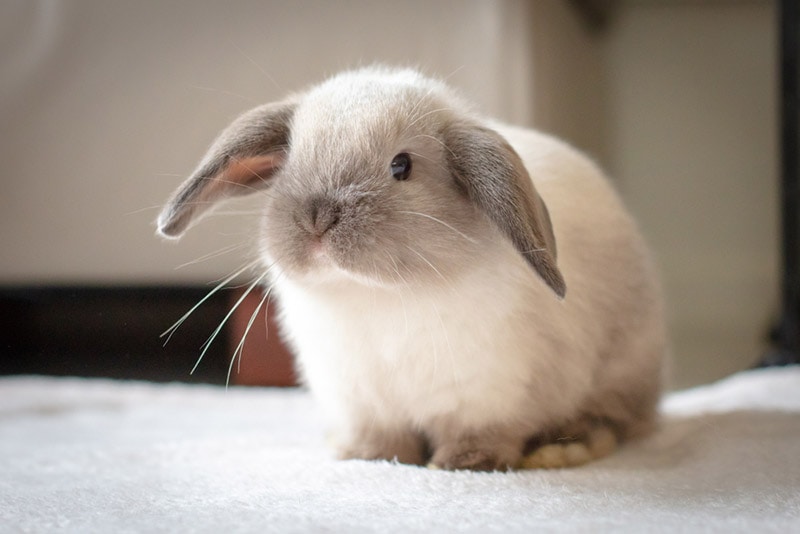
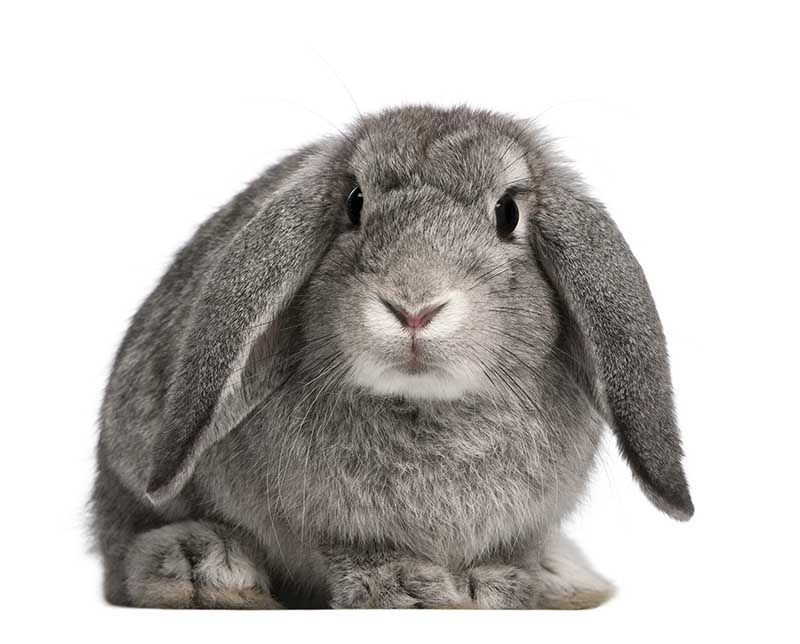
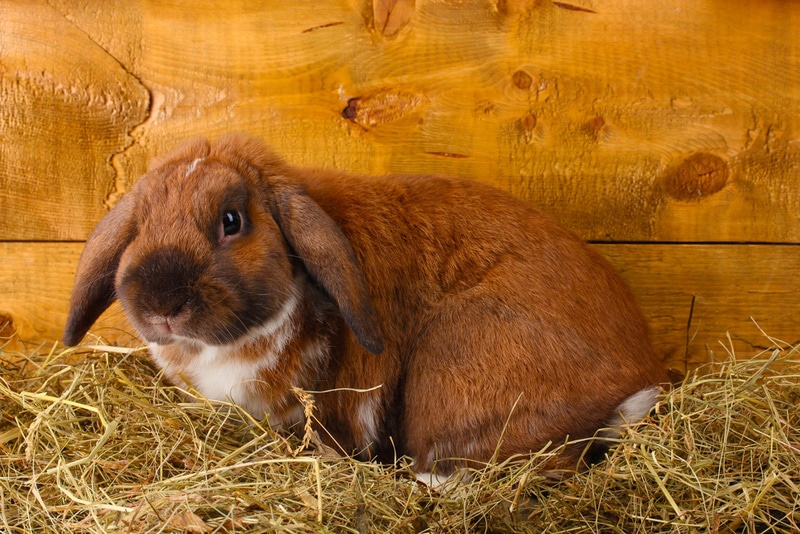
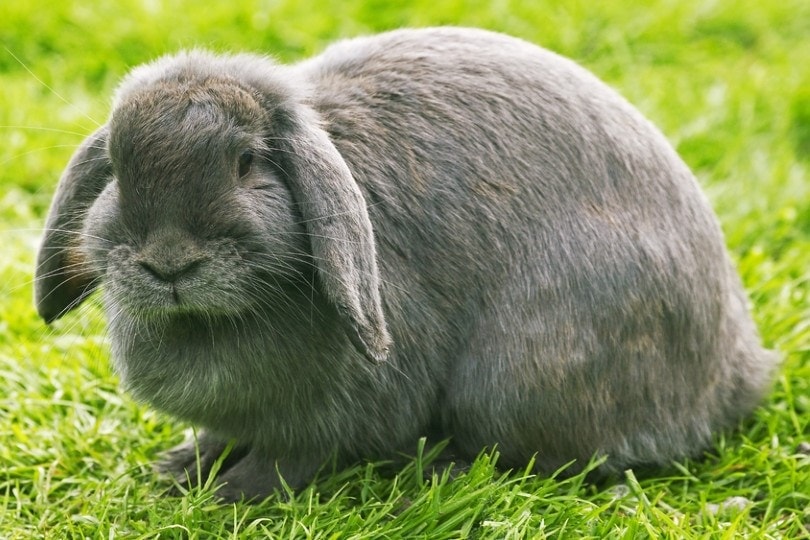
Lop-eared rabbits, with their distinctive long ears and charming personalities, have captured the hearts of many. These adorable creatures are known for their long lifespan compared to other breeds of rabbits. On average, lop-eared rabbits can live anywhere between 8 to 12 years, depending on the exact breed, with some even reaching ages of up to 15 years or more if provided with the right care and environment. This impressive lifespan sets them apart from other rabbit breeds and makes them a popular choice among pet owners.
Factors That Affect the Lifespan of These Rabbits
1. Genetics
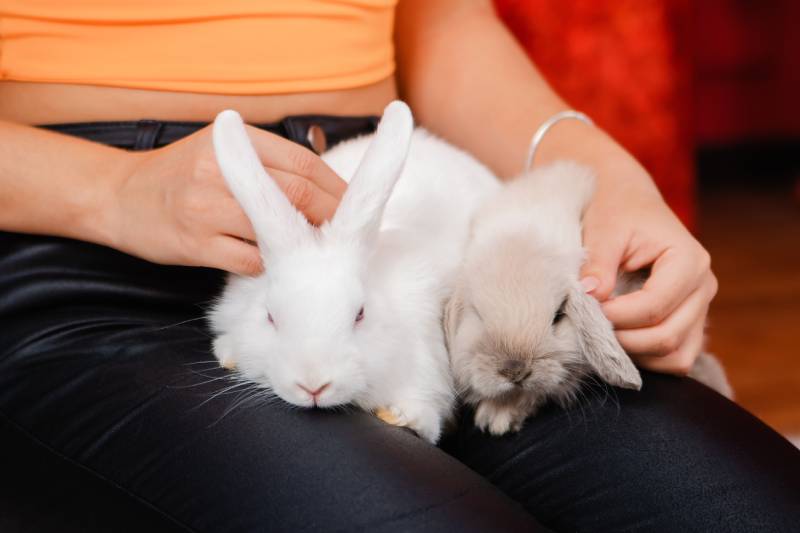
Genetics plays a significant role in determining the lifespan of lop-eared rabbits. Some rabbits may have inherited stronger genes that contribute to their longevity, while others may have genetic predispositions to certain health issues that can shorten their lifespan. When choosing a lop-eared rabbit, it's best to select one from a solid breeder who prioritizes breeding for health, safety, and longevity. By doing so, you increase the chances of having a rabbit with a longer lifespan.
2. Diet and Nutrition
Proper nutrition is crucial for the overall health and lifespan of lop-eared rabbits. A well-balanced diet consisting of high-quality hay, fresh vegetables, and a limited amount of pellets is essential to meet their nutritional needs. Hay should make up the majority of their diet, as it aids in digestion and helps maintain healthy teeth.
Leafy greens and hay provide essential vitamins and minerals. Rabbits eat very little fruit or root vegetables (like carrots), but they can have them in small amounts. But it's important to avoid feeding rabbits foods that are high in sugar or fat (like too many fruits or root veggies), as these can lead to obesity and other health issues.
3. Lifestyle and Exercise
Just like humans, lop-eared rabbits benefit from regular exercise and mental stimulation. Providing them with ample space to hop, run, and explore is important for their physical and mental well-being. A lack of exercise can lead to obesity and other health problems, so it's crucial to provide them with opportunities for daily exercise. Additionally, mental stimulation that may include mazes, puzzle toys, and interactive play, helps keep their minds sharp and prevents boredom.
4. Environmental Factors
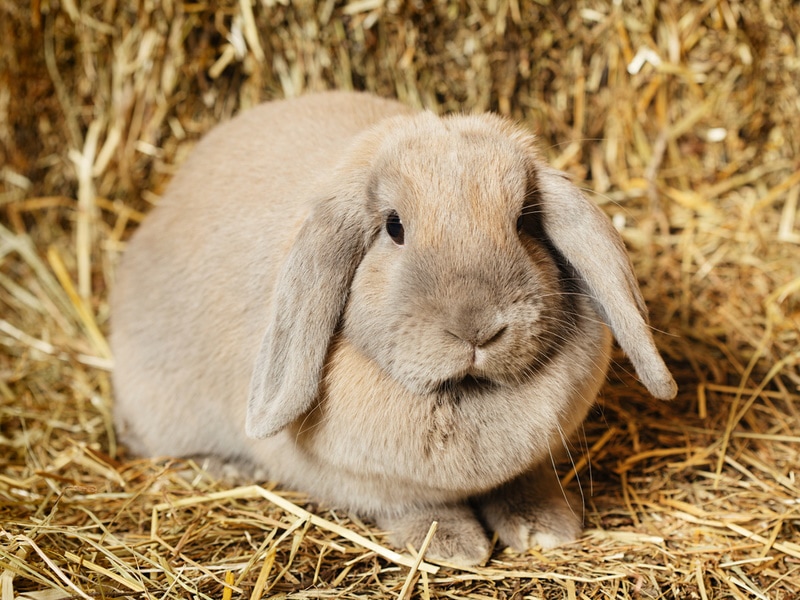
Creating a comfortable and safe environment for your lop-eared rabbit can significantly contribute to their lifespan. Rabbits are sensitive to extreme temperatures, so try to keep them in a well-ventilated area with appropriate temperature control. They should have access to shade during hot weather and be protected from drafts during colder months. Providing them with a clean and spacious living area, complete with hiding spots and toys, will ensure they feel secure and happy.
5. Vet Care
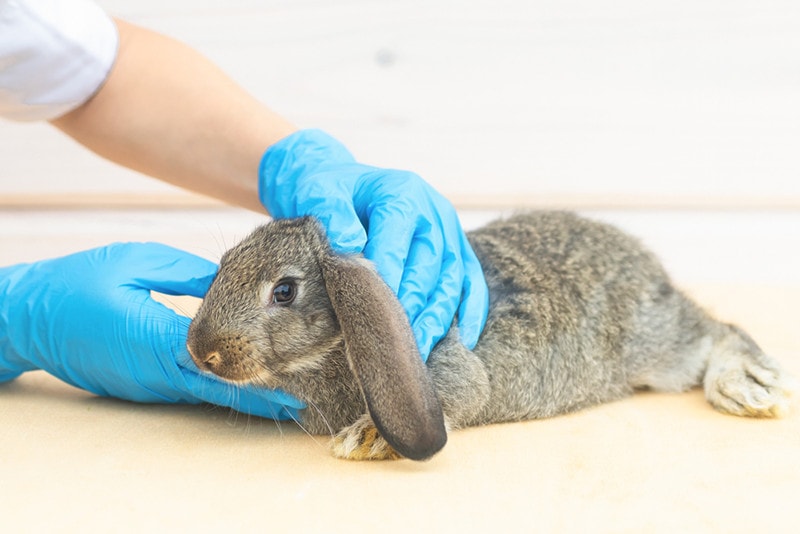
Just like with cats and dogs, regular veterinary check-ups and proper grooming are essential for maintaining the health and lifespan of lop-eared rabbits. Rabbits are prone to dental issues, such as overgrown teeth and abscesses, so regular dental check-ups are crucial. Additionally, vaccinations and preventive treatments for parasites should be administered as recommended by your veterinarian. Grooming, including brushing their fur and trimming their nails, helps prevent matting and discomfort.
6. Health
While lop-eared rabbits are generally healthy and long-lived, they can be prone to certain health issues. It's important to note these conditions so you can take appropriate measures to prevent and treat them.
Ear Infections
One of the primary health concerns for lop-eared rabbits is ear infections, which can be caused by a buildup of wax and bacteria in their long, droopy ears. Due to the anatomy of their long ears, these adorable rabbits are often more prone to ear infections compared to those with upright ears.
These infections can cause discomfort, and pain, and even lead to more serious complications if left untreated. Regular ear cleaning and monitoring for any signs of infection are crucial in maintaining the health of lop-eared rabbits.
Dental Issues
Another common health issue that lop-eared rabbits may face is dental problems. The unique shape and structure of their head can sometimes result in dental malocclusion, where the teeth don't align properly.
This misalignment can cause overgrowth of the teeth, leading to pain, difficulty eating, and even abscesses in severe cases. Regular dental check-ups and providing appropriate chew toys and food that require active chewing can help prevent dental issues in lop-eared rabbits.
GI Stasis
Gastrointestinal stasis, also known as "GI stasis," is another condition that lop-eared rabbits can be susceptible to. This condition occurs when the digestion stops or even slows down, leading to a dangerous build-up of gas and potentially life-threatening complications. Providing regular exercise, a diet high in fiber, and monitoring for signs of GI stasis can help prevent this condition.
Obesity
Lop-eared rabbits are also prone to obesity, which can have a detrimental impact on their overall health. Their adorable appearance and docile nature may make it tempting to overfeed them or provide an excessive number of treats. However, obesity in rabbits can increase the risk of various health problems such as heart disease, arthritis, and diabetes.
Owners will need to provide these rabbits with a balanced diet consisting mainly of hay and fresh vegetables, along with appropriate portion sizes and limited treatment intake. Regular exercise and environmental enrichment are also important in maintaining a healthy weight for lop-eared rabbits.
Heatstroke
Furthermore, lop-eared rabbits may be susceptible to heatstroke, especially during hot summer months. Their long ears can hinder proper heat dissipation, making them more prone to overheating. It is crucial for owners to provide a cool and shaded environment for their lop-eared rabbits, along with access to fresh water at all times. Monitoring their behavior for signs of distress, such as excessive panting or lethargy, is vital in preventing heatstroke. If a lop-eared rabbit shows signs of heatstroke, immediate veterinary attention should be sought.
The Life Stages of a Lop-Eared Rabbit
Lop-eared rabbits, and all other rabbit breeds, go through four main life stages, and they go through these stages fairly quickly compared to larger animals. Lop-eared rabbits are considered newborns between 0 to 3 months. Adolescent lop-eared rabbits are between the ages of 3 to 6 months. Rabbits are considered “teenagers” between 6 to 12 months of age, and rabbits are considered adults once they reach 1 year of age or older. Since some lop-eared rabbits only live around 5 years and others can live up to around 10 years, they can be considered seniors as early as 4 to 7 years old.
How to Tell Your Lop-Eared Rabbit’s Age
It can be hard to tell the exact age of a lop-eared rabbit unless you got them from a breeder that provided documentation. You can look at their general size as well as the quality of their nails, teeth, and coat to get an estimate, as younger rabbits will have nails, teeth, and a coat that is in better condition than older rabbits. A vet can also help you determine your rabbit’s age, but they may only be able to provide you with an estimate as well.
Wrapping Things Up
To wrap things up, lop-eared rabbits can have a lengthy lifespan granted they're maintaining a healthy weight, receiving regular vet care, and given proper care overall. By being proactive in their care and providing a suitable environment, owners can help prevent these common health issues and help their lop-eared rabbits live for quite some time!
Sources
Featured Image Credit: Africa Studio, Shutterstock
Get Hepper In Your Inbox


Pet care tips from our vets and experts, straight to your inbox.
You may opt-out at any time. View our Privacy Policy for more information.

Nicole is a lover of animals of all sizes but is especially fascinated with the feline variety. She’s the proud mom of Baby, a Burmese, and works every day so he can relax in the sunshine or by the fire. She’s always had a cat in her home and has spent countless days with others, observing behaviors and softening up even the grouchiest of the lot. Nicole wants to share her kitty expertise with you so you and your cat can live happy, healthy, and care-free.
Join the conversation
Ask a question, share your story, or send private feedback.