Hepper is reader-supported. When you buy via links on our site, we may earn an affiliate commission at no cost to you. Learn more.
German Lop Rabbit Breed Info: Pictures, Temperament & Traits
In this article
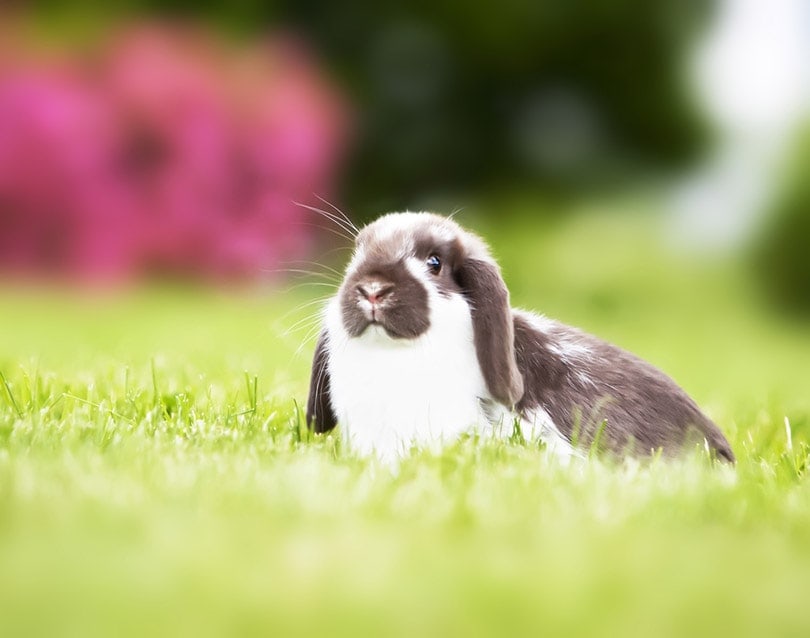
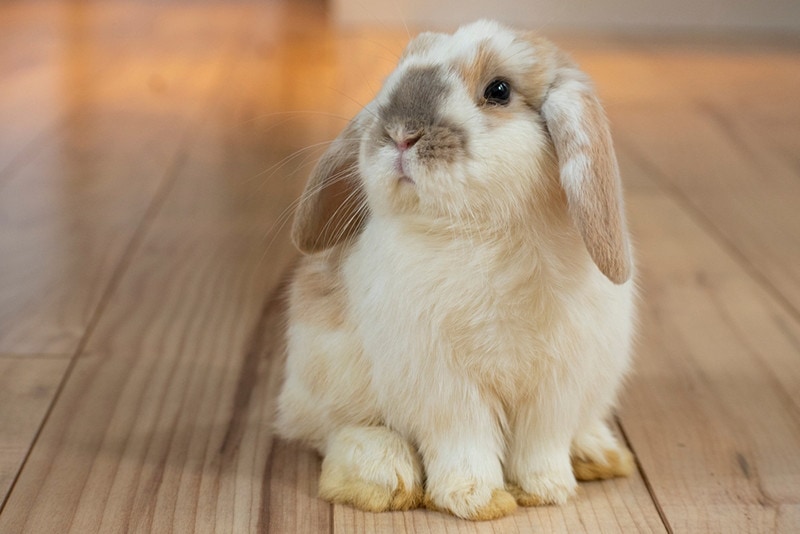
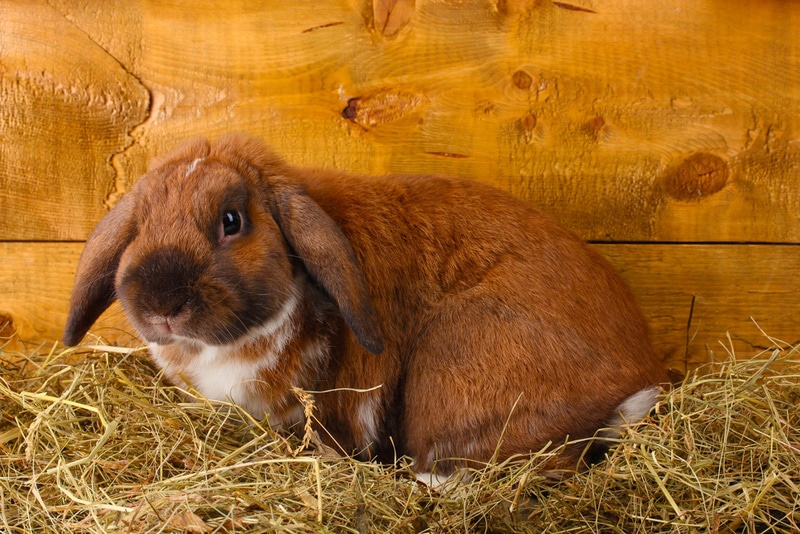
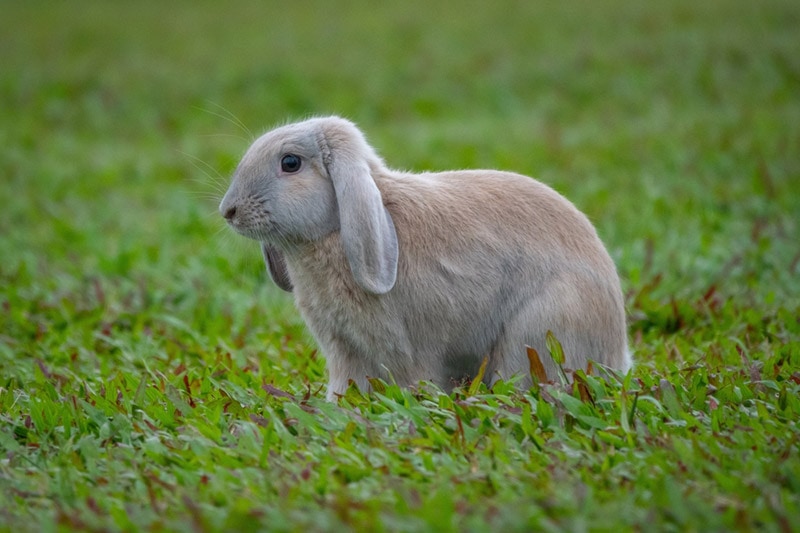
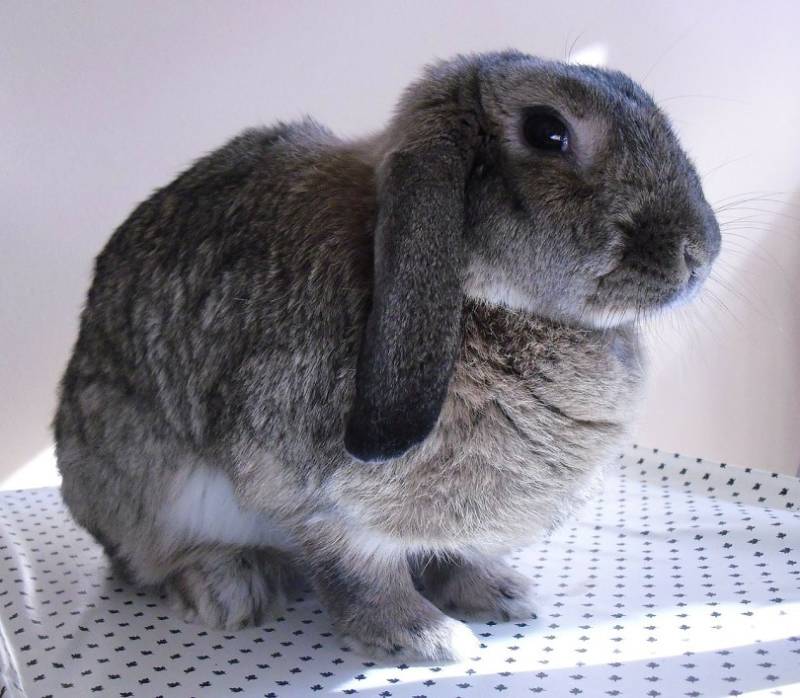
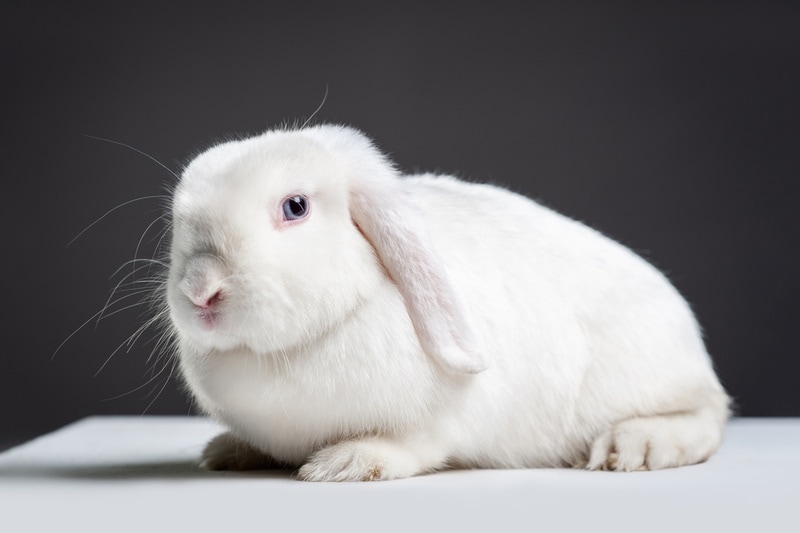
When adopting a rabbit, knowing as much as possible about the breed you plan to bring into your home is essential. The German Lop Rabbit, a newer breed developed in Germany in the 1960s, is a beautiful bunny with long, floppy ears. This sweet, easygoing rabbit enjoys human interaction and gets rather large as an adult. If you are ready to learn more about the German Lop Rabbit, we will discuss the breed’s temperament, traits, and defining characteristics below.
| Size: | Medium |
| Weight: | Up to 8.5 pounds |
| Lifespan: | 7–12 years |
| Similar Breeds: | Holland Lop, French Lop, English Lop, American Fuzzy Lop, Cashmere Lop, Plush Lop |
| Suitable for: | Families, singles, seniors, apartment dwellers |
| Temperament: | Tame, affectionate, calm |
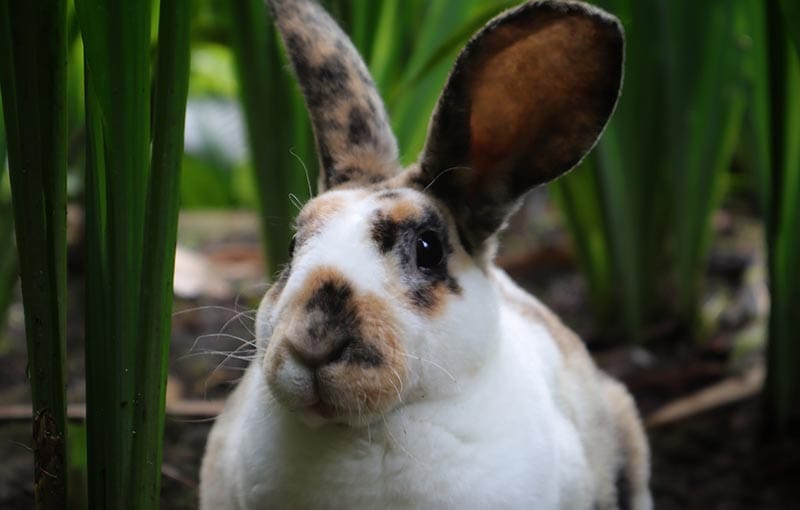
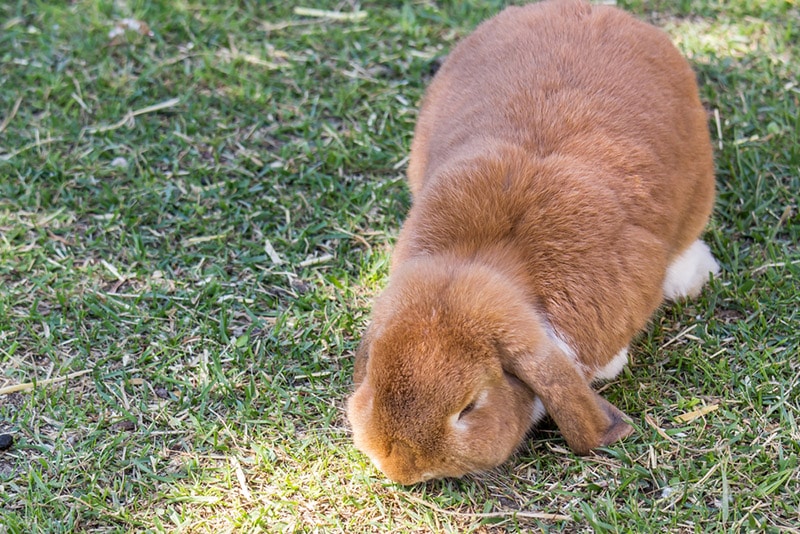
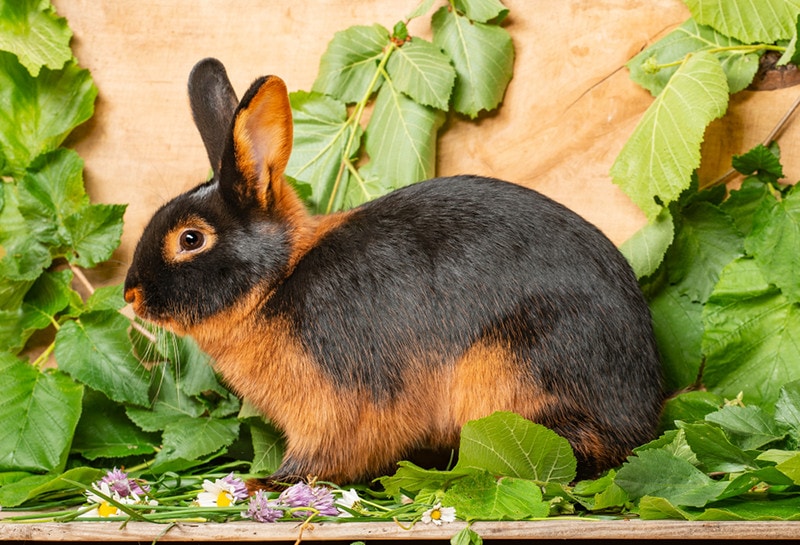
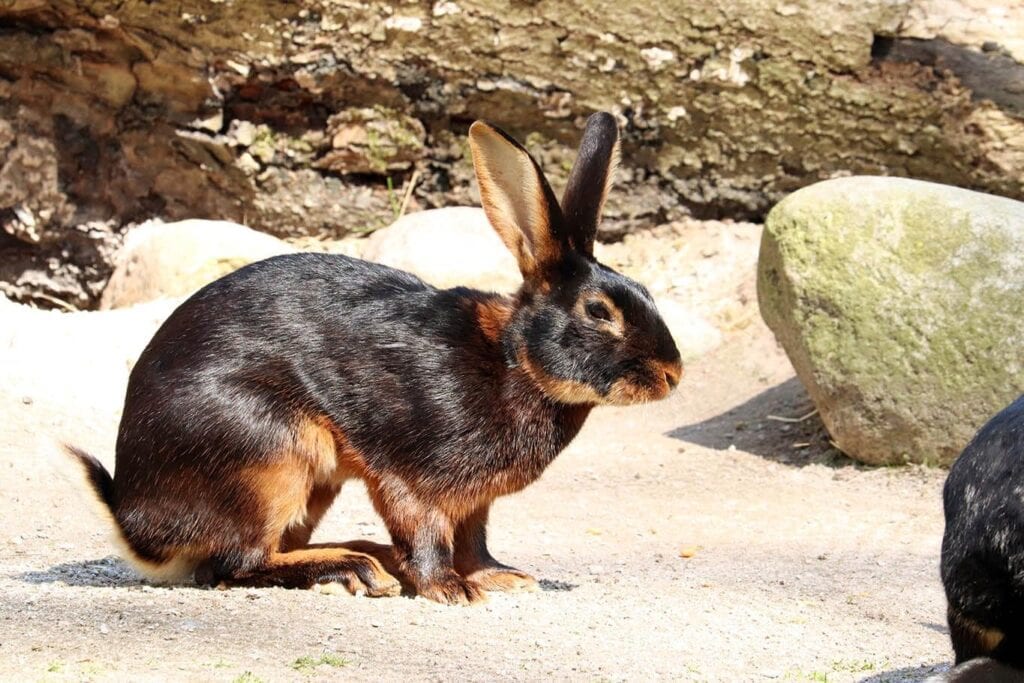
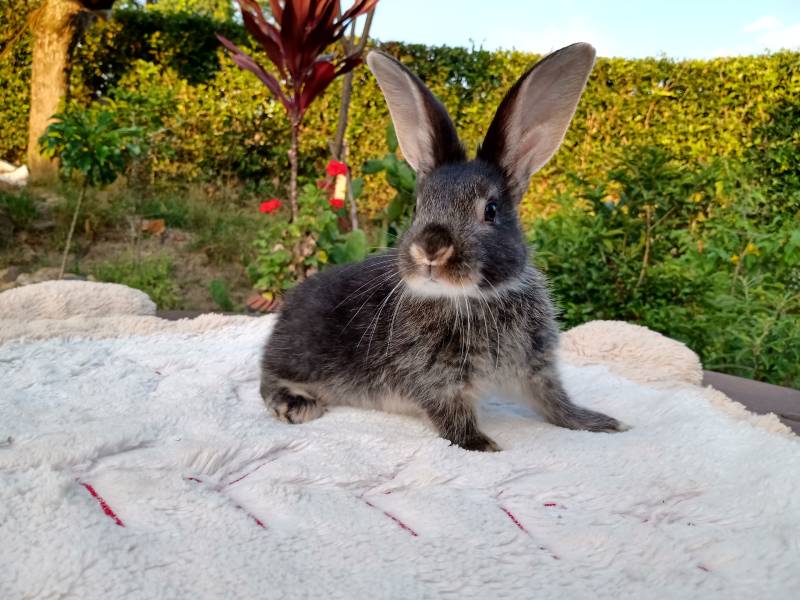
Not surprisingly, the German Lop was developed in Germany when French Lop rabbits were bred with Netherland Dwarf rabbits. During the first few years, other breeds were also introduced, giving us the long-eared, affectionate bunny we know today. The German Lop Rabbit is recognized by several rabbit associations, including the British Rabbit Council (1990). German Lops are undeniably cute, with floppy ears and a Romanesque nose that sets them apart. They also come in a wide range of colors and color patterns.
German Lop Rabbit Characteristics

How Much Do These Rabbits Cost?
One of the most important factors to note when adopting a German Lop is that they’re bred as show animals and, as such, must be close to perfect. Because of this demand for near perfection, you’ll pay a premium for a German Lop with champion bloodlines, somewhere between $150 and $200. However, if you find a breeder with German Lops that aren’t particularly ready for shows but are still healthy and vital animals, expect to pay between $50 and $100.
Like all pets, the initial cost to adopt a German Lop Rabbit is more than the typical weekly or monthly cost since you’ll also need to purchase all the supplies and tools to care for it. A rabbit hutch, for example, will cost between $100 and $200, and you’ll also need a litter box and litter, water bottle, pellet bowl or dispenser, toys, bedding, and, of course, food. By the time you finish shopping, you’ll likely have spent another $250 to $400 for all your German Lop’s supplies. Luckily, once purchased, most of these supplies will last several years.
Temperament & Intelligence of the German Lop Rabbit
One of the reasons the German Lop Rabbit is so popular is that they are surprisingly affectionate and sweet. When handled by an adult or child who knows how to handle rabbits, the German Lop enjoys interacting and often seeks attention from its favorite human. Like all rabbits, the German Lop doesn’t like being held high above the ground or floor. For that reason, interacting and engaging with your German Lop on the floor, at least at first, is strongly suggested.
Do These Rabbits Make Good Pets?
German Lop Rabbits make wonderful pets and are bred almost exclusively to be pets and show rabbits. They’re typically calm but enjoy playing games with their owners and can be socialized to tolerate other pets.
Does This Rabbit Get Along With Other Pets?
Unlike dogs and cats that have been domesticated for thousands of years, rabbits have mostly been food for humans until recently. That means the average rabbit, German Lops included, will have difficulty getting along with other pets simply out of fear. This is especially true if the pets you have in your home are large dogs and cats with a high prey drive.
Still, the German Lop is a social animal. If raised from a kitten with other pets, the chance it will get along with them is much higher.
Things to Know When Owning a German Lop Rabbit:
Food & Diet Requirements
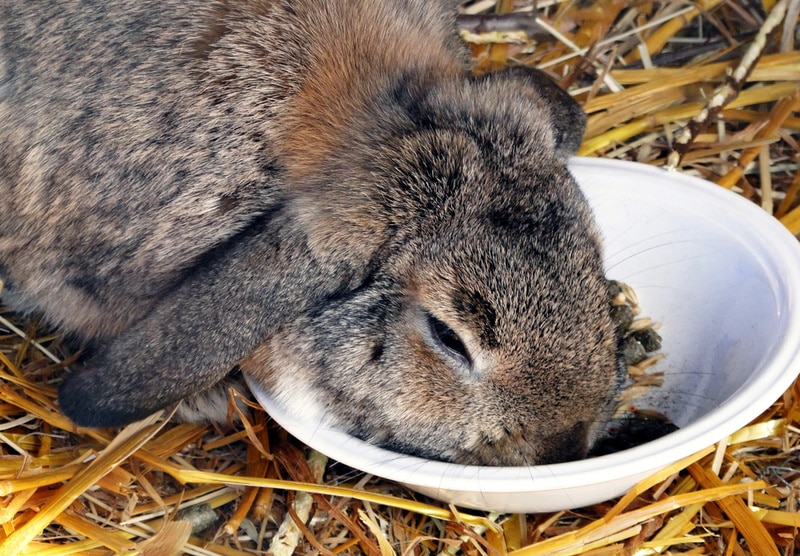
The German Lop requires a diet that’s about 80% fresh hay, 15% leafy greens, and 5% rabbit pellets. They will also need a continual supply of fresh, clean water, and a glass water bottle is ideal since rabbits are known to chew plastic bottles to pieces. Fresh hay is critical as it provides nourishment for your pet, prevents their teeth from overgrowing, and keeps their digestive system healthy and robust.
Habitat & Hutch Requirements
German Lop rabbits are medium-sized and need enough room to stand up, walk around and have their litter box in the same enclosure. Experts suggest a hutch that’s 36” long x 36” wide x 18” high, at least. If you keep your German Lop outside, a larger hutch should be provided to allow it to run around. Wherever you place it, your rabbit’s hutch should stay between 65° F and 80° F. Rabbits enjoy cooler temps, but not cold.
The bedding must be replaced regularly in your German Lop’s hutch (rabbits soil their bedding continuously), and it’s best to have a solid floor. The reason is that wire floors can cause injuries to a rabbit’s hocks. If your German Lop’s hutch is outdoors, placing it out of direct sunlight in a partly shaded area is essential to prevent overheating.
Exercise & Sleeping Needs
German Lops are moderately active animals that should be allowed to roam outside their hutch for 3 to 4 hours daily. They also should have a few toys to keep them occupied and active. As for sleeping, most rabbits, including the German Lop, sleep intermittently through the night. As a crepuscular animal, your German Lop will be most active in the early morning and late afternoon. To ensure your pet gets enough sleep, place the hutch in a low-light area that’s quiet and inaccessible to other pets.
Training
Although a German Lop isn’t as trainable as a Belgian Malinois dog (the smartest dog breed), they are intelligent enough to be taught simple tricks. They can learn to use the litter box, and some respond to their names when called.
Grooming ✂️
Because it has long, floppy ears, a German Lop rabbit needs more grooming than other breeds. Interestingly, these rabbits need more grooming as kittens than adults, at least until their baby fur is replaced by adult coats. Most veterinarians recommend brushing a German Lop two to three times a week to prevent matting and tangles and to check their ears and clean them regularly. It’s also necessary for you to clip your pet’s nails, which can be somewhat difficult, but your vet can show you the best method.
Lifespan and Health Conditions
With a lifespan of 7 to 12 years, the German Lop rabbit is a long-lived breed. German Lops have very few congenital health issues when bred by a conscientious and caring breeder. One of the biggest concerns is sore and injured hocks caused by wire mesh floors, which is why a flat surface is recommended in their hutch. Also, if you keep your German Lop outdoors, be vigilant in preventing flystrike, which is a painful and sometimes lethal issue caused by flies. Vaccinating your German Lop against VHD, myxomatosis, and other diseases is also critical to your bunny’s health.
Male vs Female
There are few differences between male and female German Lop rabbits. Like most breeds, males are typically calmer than females, especially when neutered. Females tend to dig more than males, get slightly larger, and get along with other female and male rabbits. Males, however, do not get along well with other males and are less aggressive with their owners. Both sexes should be de-sexed to reduce their aggressiveness and enable them to live longer lives.
The 3 Little-Known Facts About German Lop Rabbits
1. German Lop Rabbits Love Playing With Cat Toys
The bells and rattles in cat toys are amusing to German Lop rabbits.
2. The Name for the German Lop in Germany Is Deutsche Klein Widder
The name translates to “German Little Aries.”
3. German Lops Come in a Rainbow of Colors
They are a colorful breed, from Agouti to ticked and everything in between.
Final Thoughts
The German Lop rabbit is a beautiful, docile, and adorable rabbit from Germany that become popular all over Europe and North America. Fluffy but big-boned and rather heavy, German Lops do well in many situations, are affectionate, and tolerate gentle handling.
German Lop rabbits are intelligent animals and, if socialized well, will get along with other pets, including non-aggressive cats and dogs. While they need some attention, a German Lop will do fine if left alone for short periods. If given enough attention, care, and nutritious food, a German Lop rabbit will live a long, healthy life.
Related Reads:
Sources
Featured Image Credit: tanya.asfir, Shutterstock
Get Hepper In Your Inbox


Pet care tips from our vets and experts, straight to your inbox.
You may opt-out at any time. View our Privacy Policy for more information.

Greg Iacono is a self-taught writer and former chiropractor who, ironically, retired early due to back problems. He spends his time writing scintillating content on a wide variety of subjects. Greg is also an accomplished video script writer known for his ability to take a complex subject and make it accessible for the layperson.
Join the conversation
Ask a question, share your story, or send private feedback.