Hepper is reader-supported. When you buy via links on our site, we may earn an affiliate commission at no cost to you. Learn more.
Mini Lop Rabbit: Pictures, Care Guide, Lifespan & Traits
In this article
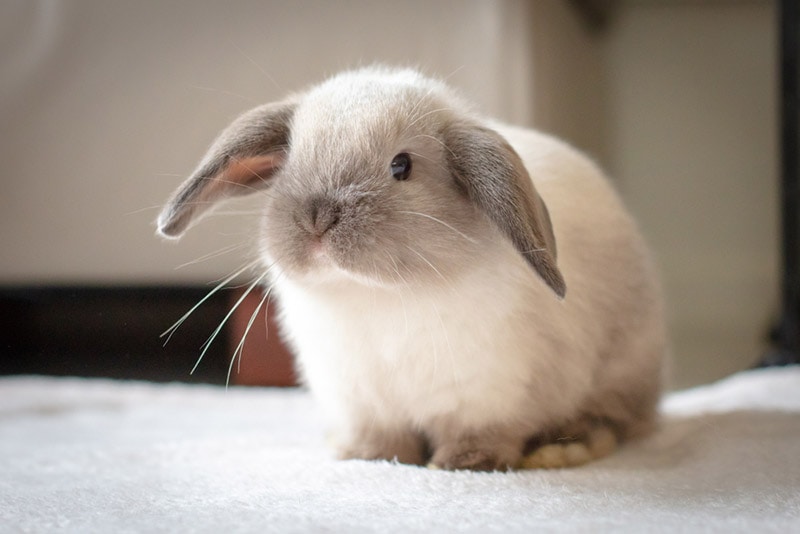
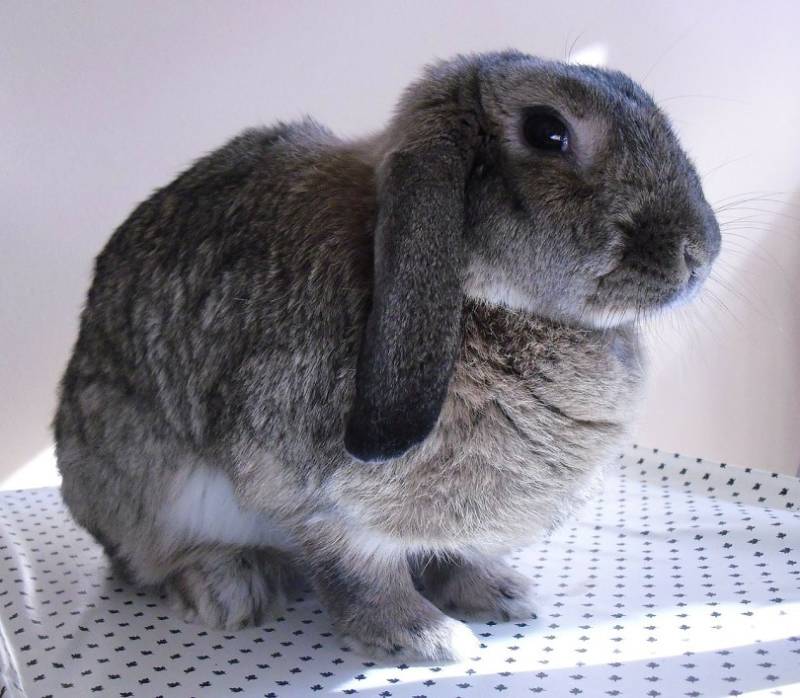
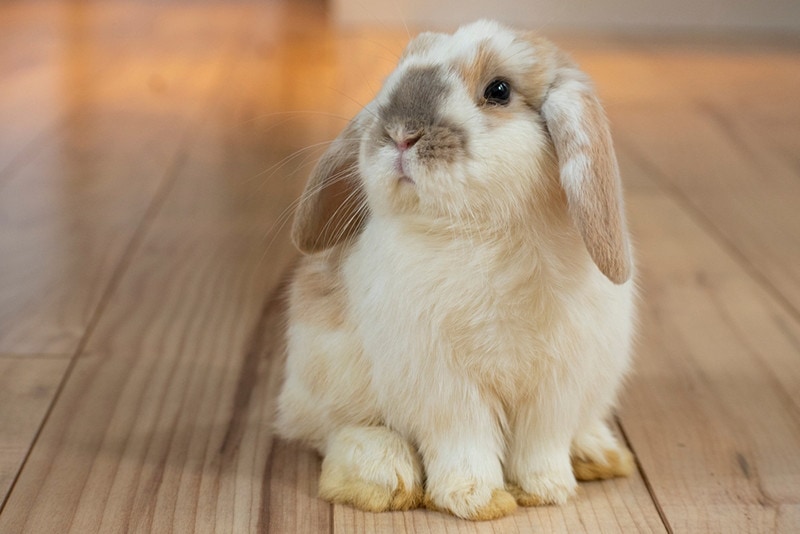
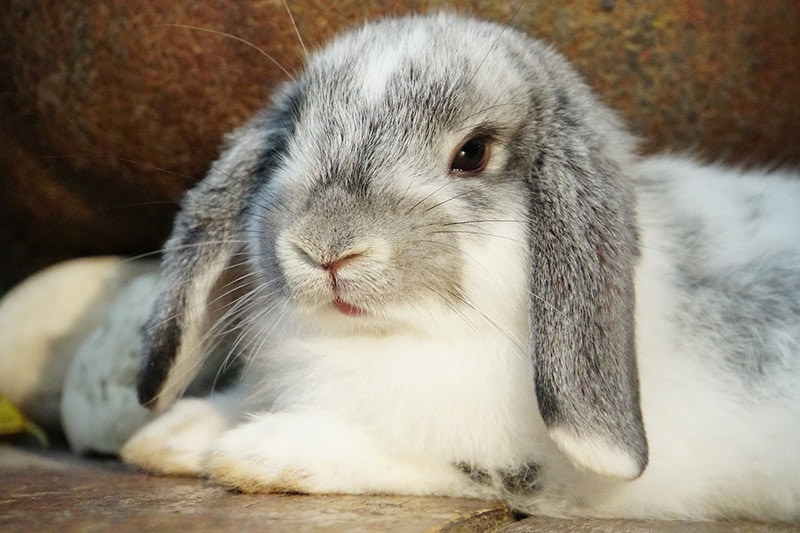
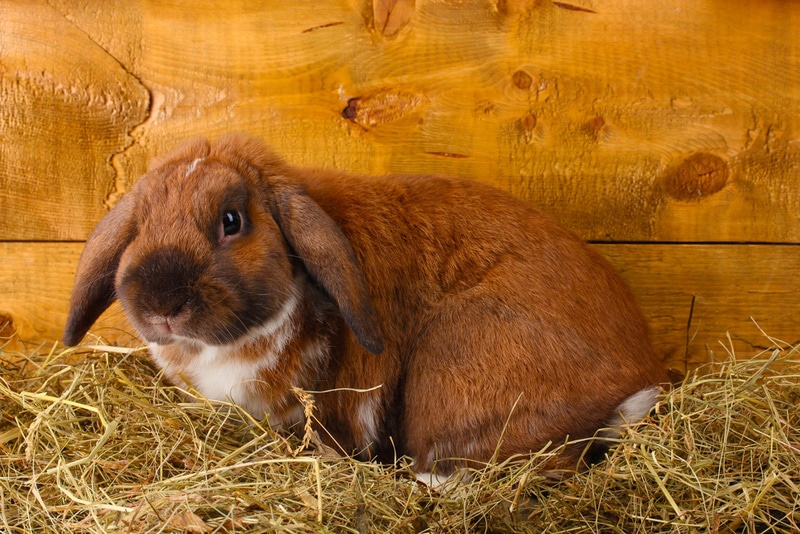
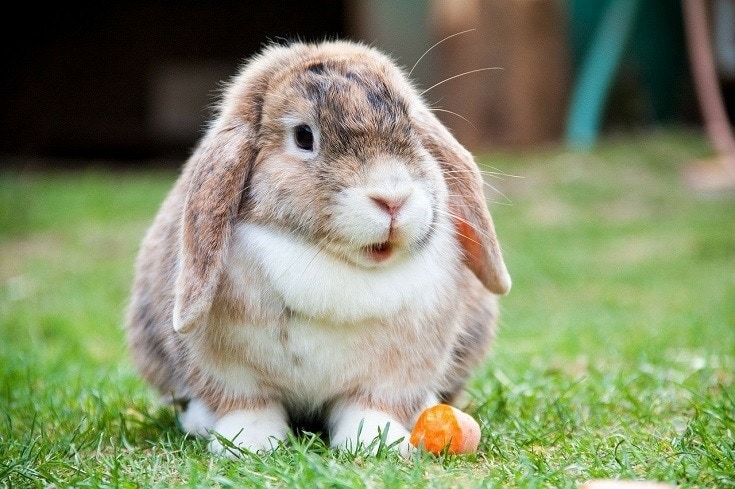
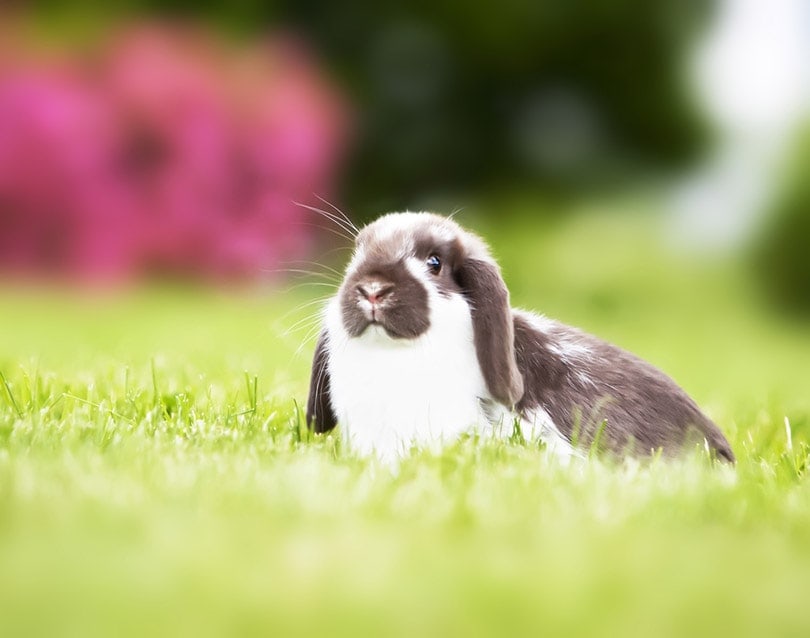
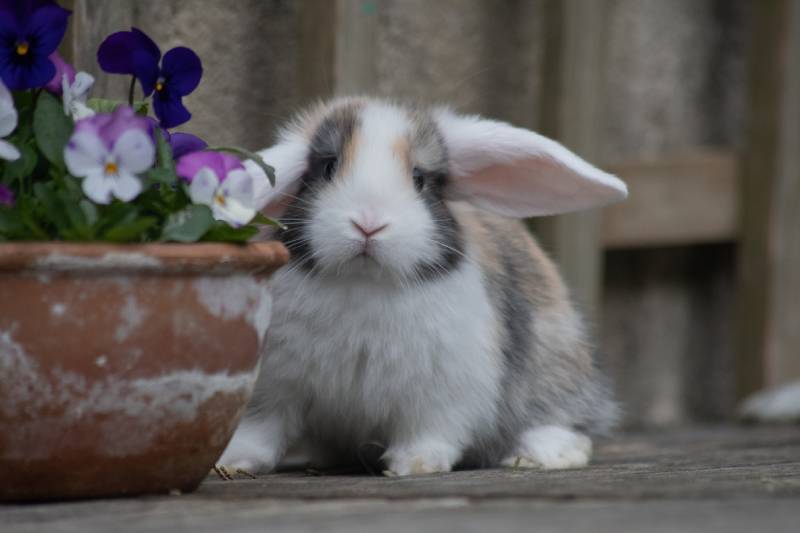
From the floppy ears and stocky frame to the energetic, playful personality, the Mini Lop is one of the most delightful rabbit breeds inside and out. Aptly described as a “basketball with a head,” these compact mounds of fluff are almost irresistible, and they’ll gladly offer their affection to a deserving handler. Discover why this endearing designer breed quickly evolved into a top choice among house pets in this look at the care, lifespan, and traits of the Mini Lop rabbit.

| Size: | Small–Medium |
| Weight: | 4–6.5 pounds |
| Lifespan: | 7–12 years |
| Similar Breeds: | German Lop, Chinchilla, French Lop, English Lop |
| Suitable for: | Families with another rabbit |
| Temperament: | Calm, friendly, adaptable |
The Mini Lop is a relatively recent crossbreed, appearing in the 1970s when breeder Bob Herschbach attempted to improve upon the Klein Widder. The original Mini Lop was a blend of a German Lop and a Chinchilla. Importing the rabbits from Germany, Herschbach bred the Klein Widder to a smaller, more attractive type. After its initial exhibition in 1974, the rabbit underwent more changes to increase interest, including earning a new name, the “Mini Lop.”
Hershbach’s efforts paid off over the ensuing decade. In 1980, the breed earned American Rabbit Breeders Association Recognition, and enthusiasts established the Mini Lop Rabbit Club of America1. Today, the adorable, fluffy lop remains one of the most popular pet breeds nationwide and is a compact yet well-built breed that fits well with the family dynamic.
Mini Lop Breed Characteristics
How Much Do These Rabbits Cost?
Mini Lops are one of the most popular breeds in America and, like many lops, relatively easy to find. Pet rabbits cost roughly $30–$100, with show rabbits running several hundred dollars. Most breeders release their rabbits when they are at least 8 weeks old, and you’ll typically have to provide a deposit before finalizing the deal.
Outside of the initial supplies to outfit the home, spaying, and neutering is the most expensive part of purchasing a Mini Lop rabbit. Though pet rabbits aren’t pricey up front, spaying and neutering can cost over $200 in many instances. It’s a crucial point to budget, as desexing can help you overcome potential behavioral and socializing issues while extending your rabbit’s lifespan.
Temperament & Intelligence of the Mini Lop Rabbit
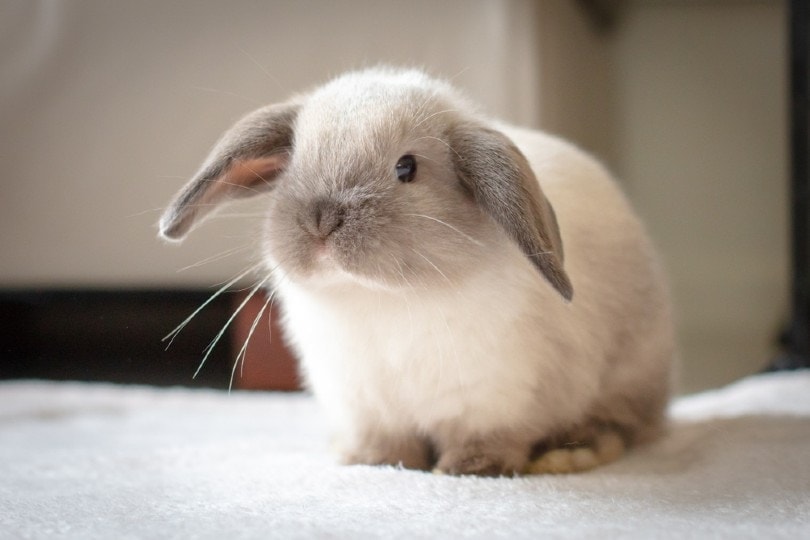
Mini Lops are an intelligent rabbit breed with a warm, agreeable temperament. Many owners describe them as laid back and outgoing, often having no problem showing affection to a trusted family member. Though relatively calm, they’re also energetic, with active minds and bodies needing plenty of toys and features in their enclosure. Training your Mini Lop to respond to commands and perform tricks is an engaging pastime to promote a deep bond with your rabbit.
Do These Rabbits Make Good Pets? 👪
The typical Mini Lop is friendly, affectionate, intelligent, and cute. Mini Lops can forge strong bonds with anyone in the house. From a practical standpoint, they’re an ideal breed to keep due to their undemanding size and few health problems. Though small, these stocky rabbits are muscular and surprisingly hardy, making them versatile for many households.
As a prey animal, Mini Lops will need gradual acclimation to ensure healthy relationships with the family. They may retreat or bite if they're uncomfortable, so guided interactions will be critical with young children. Spending time with your rabbit and establishing a suitable environment will keep them docile, social, and relaxed.
Does This Rabbit Get Along With Other Pets?
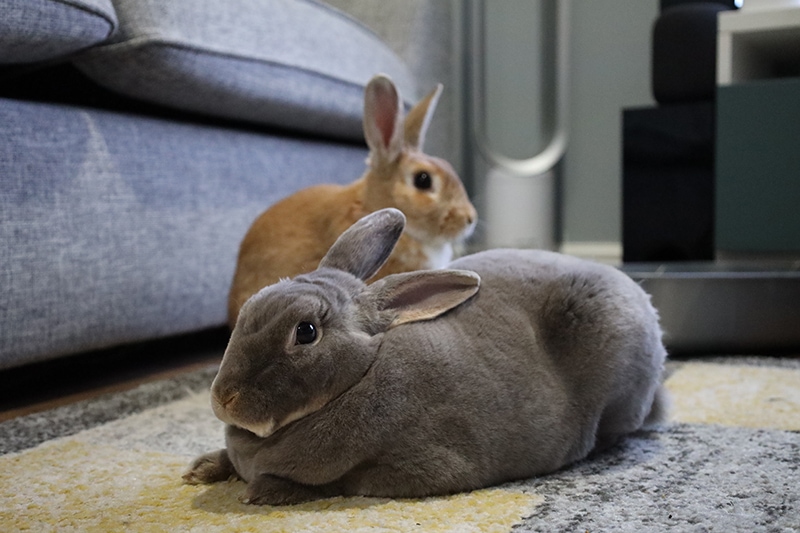
Mini Lops aren’t aggressive and likely won't take the domineering role with another pet in the house. The playful breed prefers the company and plenty of activity, making a bonded pair of Mini Lops a practical goal.
Though they may be able to coexist with other animals, their small size makes Mini Lops an easy target, meaning they’ll require constant supervision no matter how well they get along. Letting your pets bond when they’re both young will give you the best chance of a solid relationship. Still, instinct can be challenging to overcome, and some cat and dog breeds will always make a poor match for a Mini Lop.

Things to Know When Owning a Mini Lop Rabbit:
Mini Lop rabbits can be easy to manage for many years with the appropriate set-up, routine, and introduction to the household. Every aspect of the day can affect their well-being. Rabbits stress easily, which can have a significant mental and physical impact. By accommodating their natural dietary, exercise, and environmental needs, you’ll help them lead more fulfilling lives and reduce nerve-racking or costly health issues.
Food & Diet Requirements 🥕
Rabbits need a constant supply of fresh water and hay. Timothy hay or another high-quality variety will account for roughly 75–85% of their diet as a crucial control for dental and digestive health. The rest will consist of mostly green vegetables and pellets, with fruit and treats offered sparingly.
Habitat & Hutch Requirements 🏠
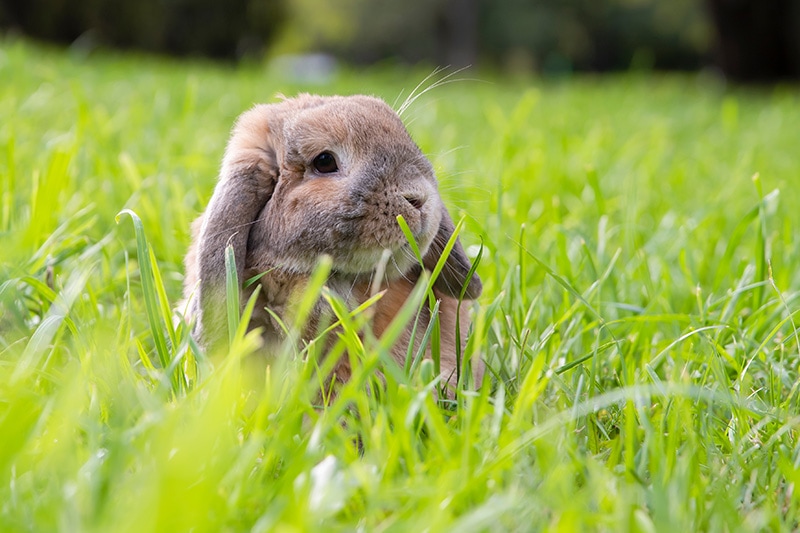
Like all rabbits, Mini Lops thrive when you give them as much space, safety, and habitat features as possible. The rabbit doesn’t require an enormous enclosure, but it should still have plenty of room for your pet to move. You’ll typically need it at least four times the length of your rabbit’s outstretched body. An exercise pen works well indoors, or you can set up an entire room for your rabbit. Rabbit-proofing wires, furniture, and other chewable materials are necessary to avoid injury or damage. Indoors or outside, your rabbit should have space to run and a place to retreat for rest and safety. Provide a covered wire cage with a solid floor and blankets or hay for comfort.
Keeping your rabbit’s shelter away from vents and direct sunlight will ensure they don’t overheat or get too cold. The cage will need daily checks and spot-cleaning, with a total cleaning and bedding replacement occurring at least once weekly. You can also train your Mini Lop to use the litter box, which is an enormous help in keeping their space tidy.
Exercise & Sleeping Needs 🐇
Mini Lop rabbits need at least 3 hours of daily exercise, either inside or outdoors, to maintain their weight, muscles, and joints. Give them space to roam in a safe area without predators or environmental hazards. You’ll need to take extra precautions outdoors to prevent escape via burrowing and protect your rabbits from harsh sun, extreme temperatures, and predators that can attack from any side.
In a comfortable environment, your Mini Lop will often rest over 10 hours a day. Sleep typically takes place through several brief naps during the day. The crepuscular creatures are more active during the early morning and evening. In the house, a lack of natural light may alter their routine, resulting in more sporadic sleep periods.
Training 🥎
Mini Lops don’t have the intelligence of a dog, but the same training principles can build positive habits and make your rabbit easier to control. You can clicker-train your rabbit to respond to commands or target-train them to perform complex and specific movements, using healthy treats as rewards to push them along. Patience and positivity are crucial in keeping your rabbit engaged and receptive to your training. Sessions should occur two to three times daily, each lasting about 10 minutes.
Litter box training a rabbit is straightforward. If they have a favorite corner for peeing, cover that spot with a litter box, and they should eventually start using it without issue. Spreading hay atop the absorbent pellet base will make it more attractive and comfortable for your Mini Lop, encouraging them to use it.
Grooming ✂️
The Mini Lop’s fur is a treat for owners, creating a simultaneously fluffy yet manageable coat without substantial grooming needs. You should brush their fur about once a week to keep down mats, increasing your brushing schedule in the spring and fall when they shed more heavily. Toenails need clipping every 4–6 weeks.
Regular checks around the Mini Lop’s floppy ears and eyes are essential steps in preventing mites or infection. Although rabbits are meticulous groomers, they may need extra help keeping clean, especially around the rear end. Grooming helps you understand your rabbit’s body. Abnormal lumps, sensitive spots, discharge, redness, or other potential concerns should spark an immediate conversation with your vet.
Lifespan and Health Conditions 🏥
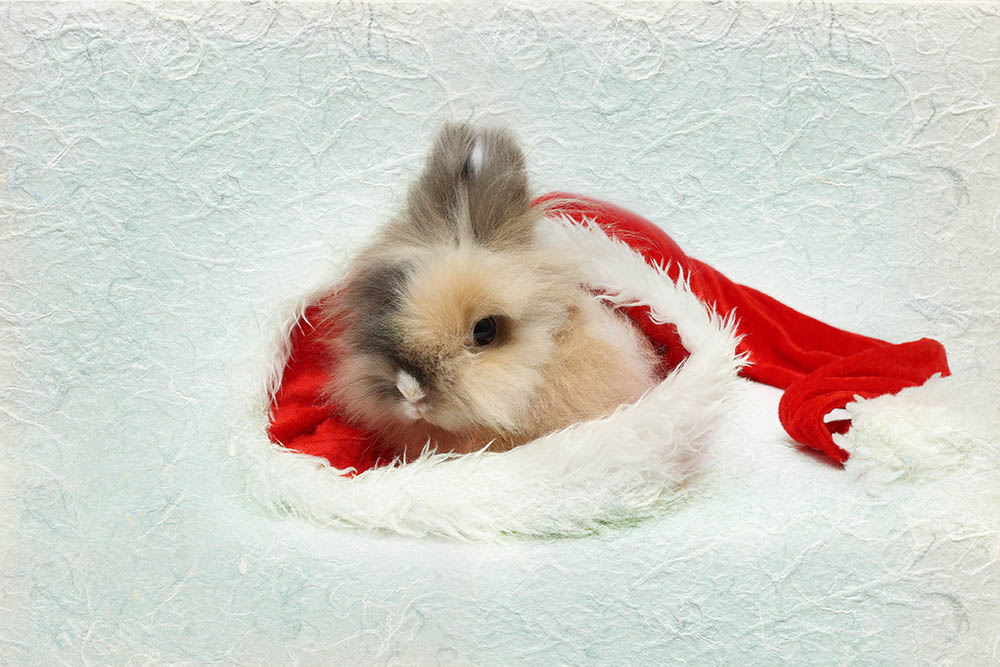
Mini Lops have a decent lifespan of up to 12 years, though plenty of owners have had their pets live well beyond that. The crossbred rabbits don’t carry any breed-specific concerns, though their short skulls and floppy ears may put them at a greater risk of malocclusion or ear infections and abscesses. Many of the most concerning issues are easily avoidable with regular vet visits and proper husbandry.
Male vs. Female
Male and female Mini Lops are similar in temperament and appearance and may not be easy to distinguish. Females have a dewlap for keeping their young safe and comfortable, though the breed standard considers an oversized dewlap a fault.
3 Little-Known Facts About Mini Lop Rabbits
1. Mini Lops Aren’t the Same as the U.K. Miniature Lops
Mini Lops and Miniature Lops create some confusion, as many people make the easy mistake of thinking they’re the same breed. In America, we call the Miniature Lop the “Holland Lop,” and if we’re being honest, the “mini” moniker fits them more than the American Mini Lop. U.K. Miniature Lops are smaller than the Mini Lop, weighing about 3–4 pounds and sporting shorter ears. The head shape is distinct, with the smaller U.K. breed having broader, blockier heads than the Mini Lop.
2. Mini Lops Come in Numerous Colors
Mini Lops stem from several rabbit breeds, resulting in an expansive collection of possible colors.
There are seven color groups the ARBA accepts:
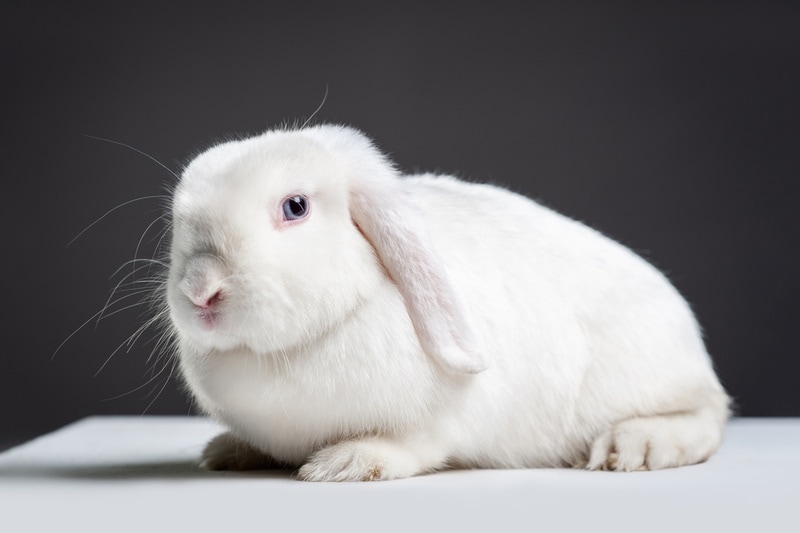
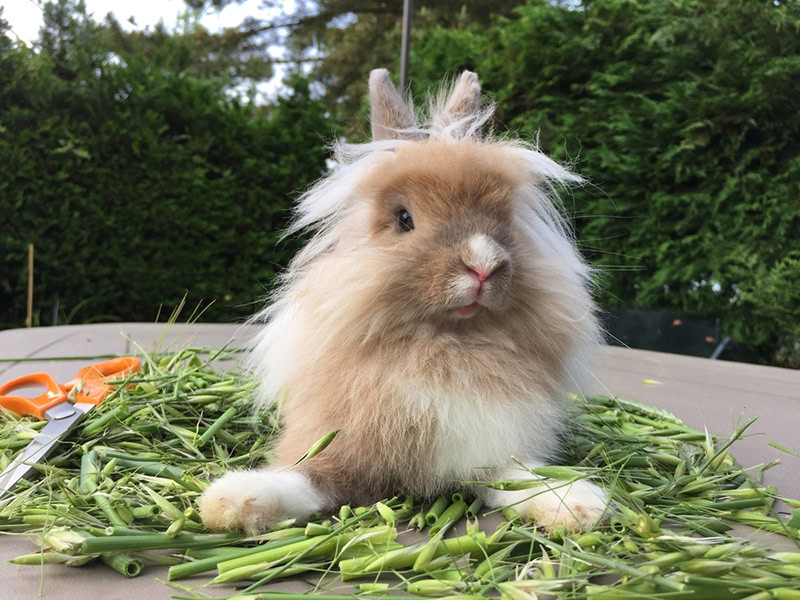
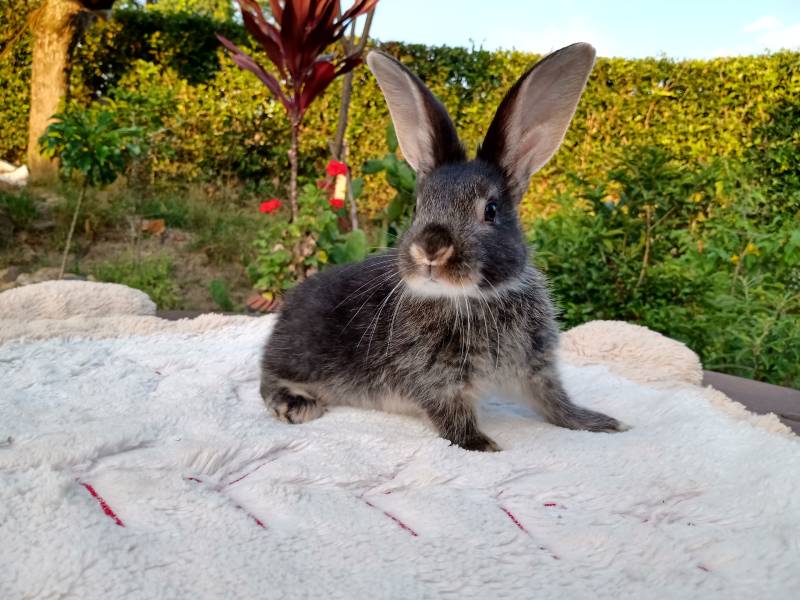
Within these categories are numerous colors, including chocolate, lynx, white, Chinchilla, blue, orange, and tri-color. The countless color possibilities distinguish Mini Lops and are part of the reason for their popularity.
3. Mini Lops Are More Prone to Ear and Dental Problems
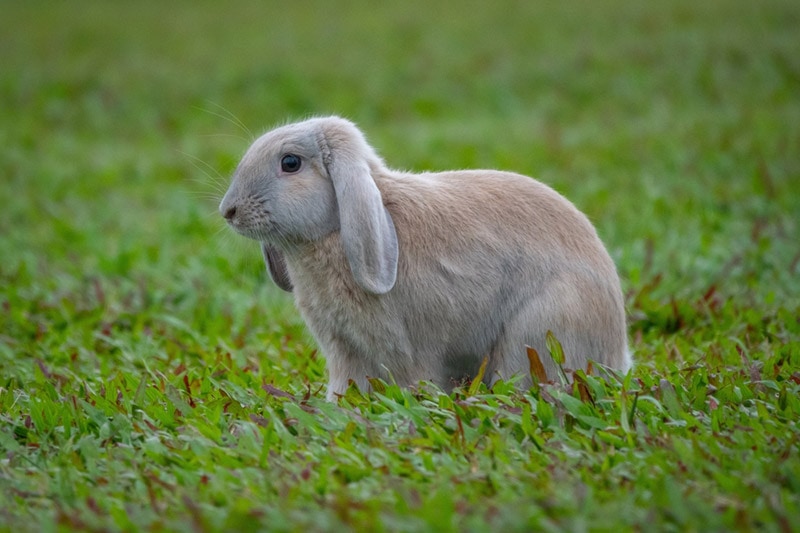
The droopy ears that define lop rabbits are not natural. Breeders selectively crafted offshoots with the aesthetically desirable trait that otherwise serves no function for the animal in the wild.
Though many love the adorable effect the floppy look affords, recent research reveals they may be detrimental due to the brachycephalic skull shape and abnormal ear shape. Minis and other lop rabbits are more prone to ear canal stenosis, molar overgrowth, and other painful ear and teeth problems. Considering the effect on the animal’s welfare, many question the ethics of breeding lop-eared rabbits.
Conclusion
Mini Lops are attractive, friendly, easy to raise, and delightful pets for almost any household. Since they’re bred in a broad spectrum of colors and patterns, you can enjoy their benefits in one-of-a-kind coats, making each rabbit all the more unique and valued. Thanks to their popularity, you’ll have no problem finding responsible breeders ready to offer one of these charming rabbits to fit your family.
Featured Image Credit to: Erika Cross, Shutterstock
Get Hepper In Your Inbox


Pet care tips from our vets and experts, straight to your inbox.
You may opt-out at any time. View our Privacy Policy for more information.

Nicole is a lover of animals of all sizes but is especially fascinated with the feline variety. She’s the proud mom of Baby, a Burmese, and works every day so he can relax in the sunshine or by the fire. She’s always had a cat in her home and has spent countless days with others, observing behaviors and softening up even the grouchiest of the lot. Nicole wants to share her kitty expertise with you so you and your cat can live happy, healthy, and care-free.
Join the conversation
Ask a question, share your story, or send private feedback.