Hepper is reader-supported. When you buy via links on our site, we may earn an affiliate commission at no cost to you. Learn more.
How Long Do Rabbits Live as Pets? Vet-Reviewed Average Lifespan, Data & Care


In this article
Whether you are a first-time rabbit owner or an experienced caretaker, you might not know all the ins and outs of every aspect of a rabbit’s life. Lifespan can be a really big deal to some potential owners, as some want a shorter commitment while others get bummed out to find out their pet of choice only lives a few short years.
Ultimately, the length of time your rabbit lives depends on a variety of factors including their breed, living conditions, diet and overall care. So the answer can vary quite a bit. On average, a pet rabbit lives between 7-10 years. We plan to go over factors that contribute to a rabbit’s lifespan so you can get a firm understanding of what to expect.

Rabbit Average Lifespan
As a rough guide, a domestic rabbit lives between 7 and 10 years on average, though many live to 12 years or older with optimal care.
In 2019 the Royal Veterinary College in London, UK, collected data from over 6,000 rabbits seen at veterinary clinics. The average lifespan of rabbits was found to be 4.3 years for females and 5.2 for males although up to 14.4 years was reported. Bear in mind these are rabbits that are ill or need medical care in some way.
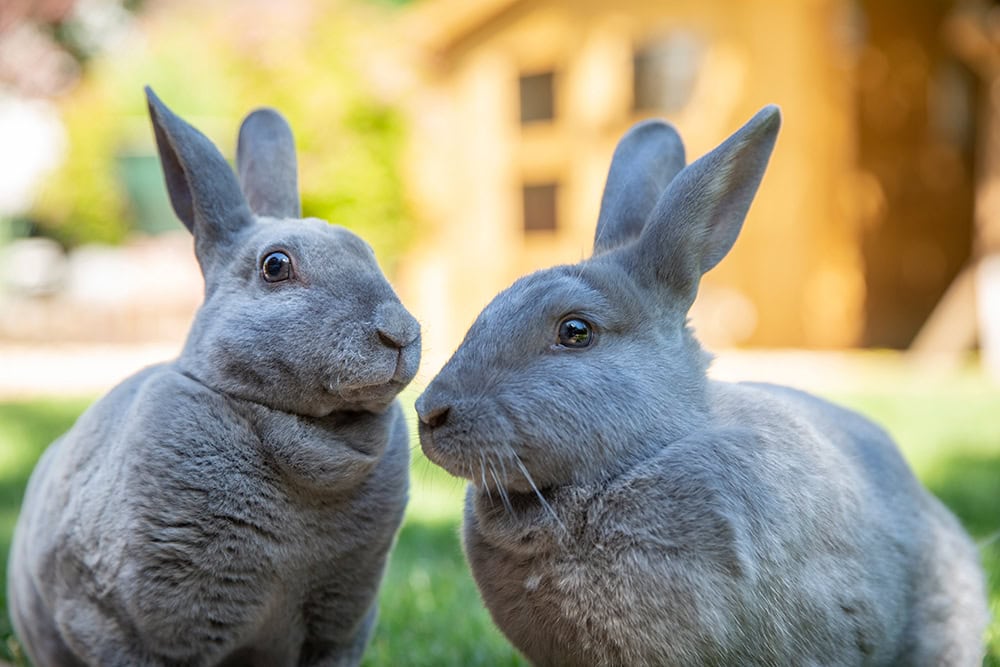
Genetics play a role and different breeds of rabbits will have varying lifespans. Overall smaller breeds, such as the Netherland Dwarf, tend to live longer than larger breeds like the Flemish Giant.
Here is a list of rough averages based on breed. Consider that it can change if the rabbit is a mixed breed, as mixed breeds tend to thrive longer than their purebred counterparts.
- American Rabbit: 8–12 years
- Dutch Rabbit: 5–8 years
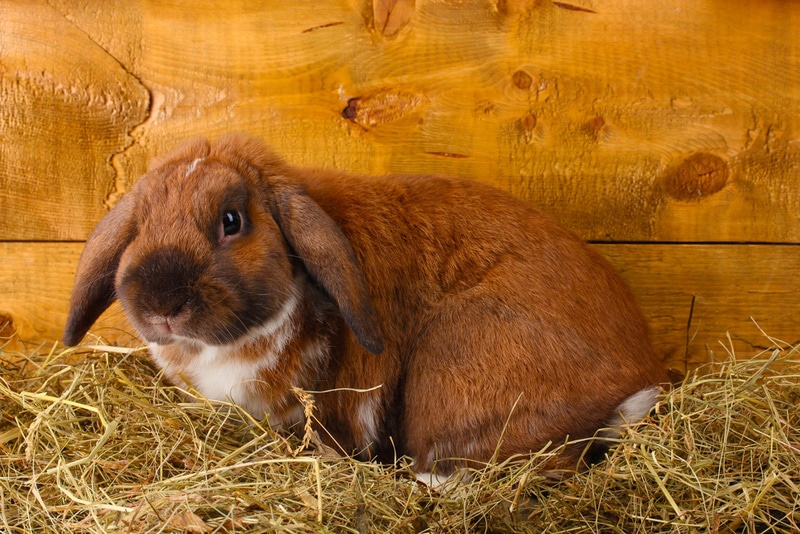
- English Lop: 5–8 years
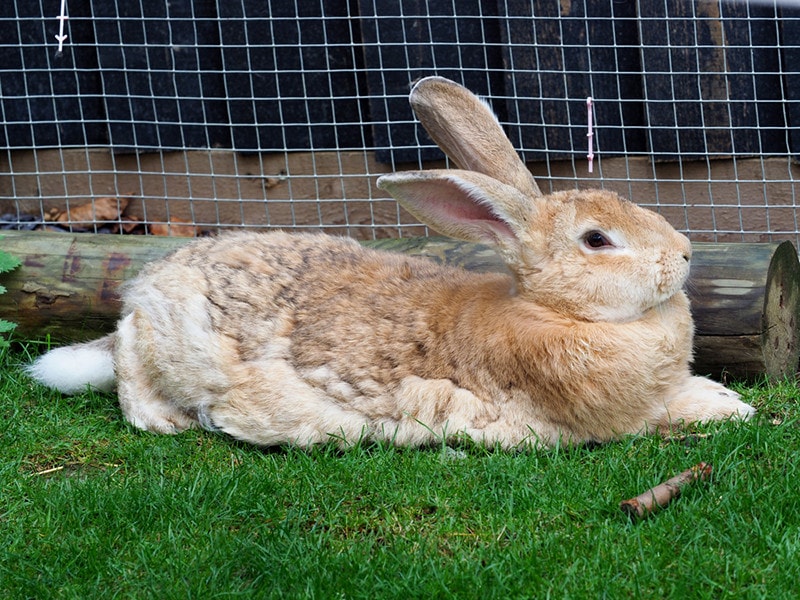
- Flemish Giant: 5–8 years
- French Angora: 7–12 years
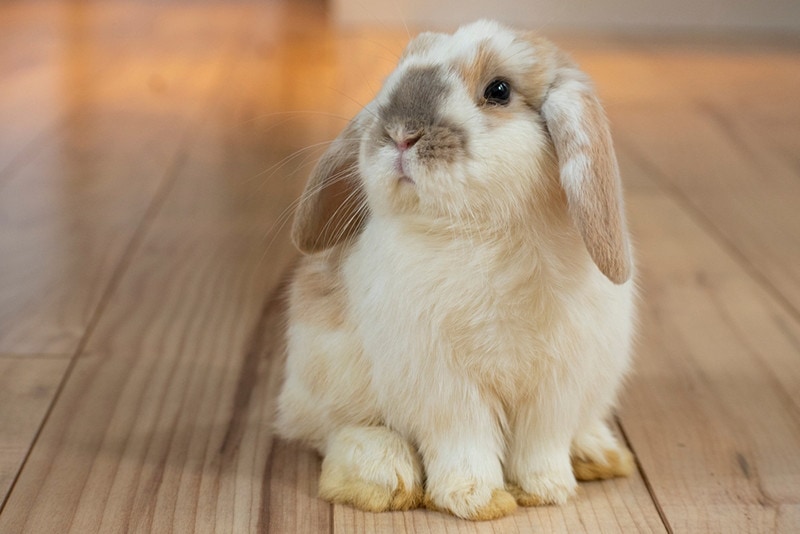
- Holland Lop: 7–10 years
- Miniature Lop: 7–14 years
- Netherland Dwarf: 10–12 years
- Rex Rabbit: 6–8 years
How Long Do Rabbits Live in the Wild?
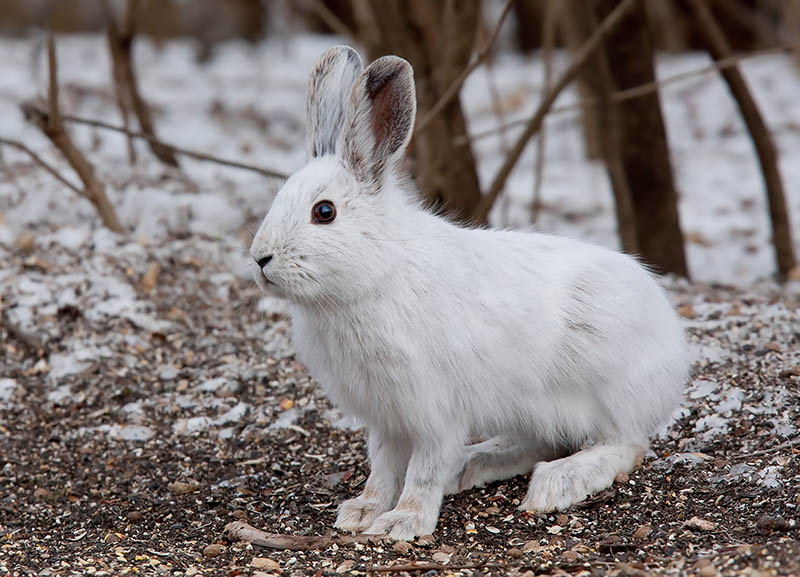
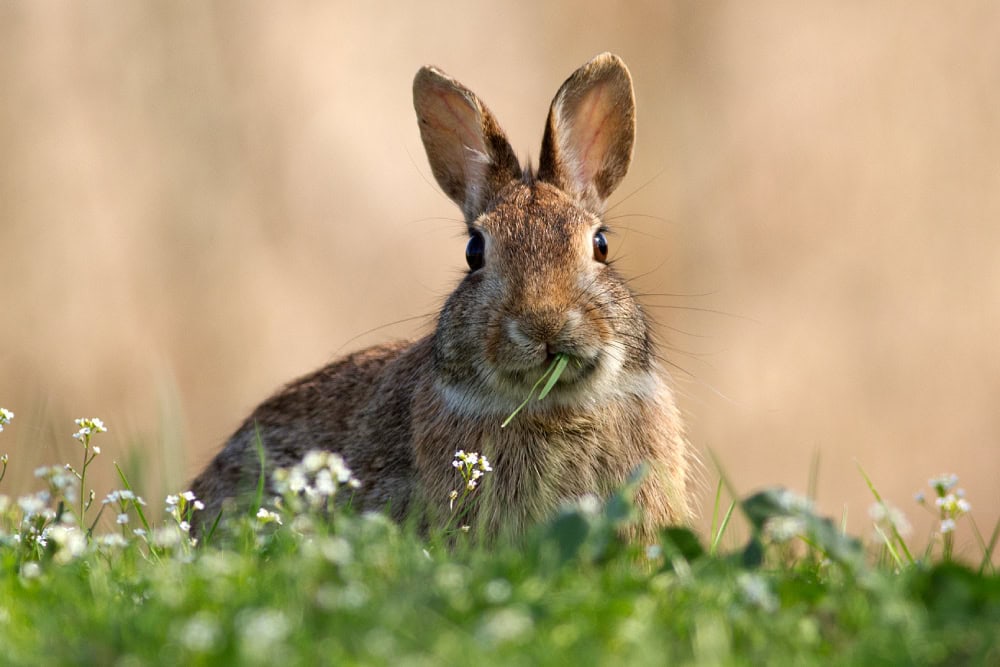
Wild rabbits have a significantly shorter lifespan than domestic rabbits. Why, you ask? Predators, disease, and environmental factors. Rabbits are prey species and unfortunately it’s a dangerous world out there. Some wild rabbits may only live 1–2 years in the wild with many sadly not making it past 3 months of age.
That’s one reason why rabbits are such prolific breeders. They reproduce quickly since they don’t live that long due to predators and other environmental factors.
How to Care for Your Rabbit for a Long Lifespan?
If you have a pet rabbit, here’s how to care for them to try to ensure a long lifespan. Please note that there will be factors out of your control that can shorten their lifespan.
Feeding & Diet
Rabbits are herbivores, and a balanced diet that is high in fiber is essential. The wrong diet can contribute to serious health issues such as dental disease and gut stasis which can be life-threatening.
Rabbits need an unlimited high-quality source of hay available all day and night. What might surprise you is that more importantly than pellets or veggies, rabbits require an 85% intake of hay in their daily diet. If you are confused as to exactly what type of hay to feed to your rabbit, you can choose from Timothy, orchard, or brome hay. The remainder of their diet should be fresh leafy greens and vegetables, and a small amount of high-quality rabbit pellets daily. Roughly a cup of mixed veg/greens and a tablespoon of pellets (depending on the age and breed of rabbit). Remove any un-eaten greens before they wilt.
Rabbits will always need fresh clean water so they can stay hydrated. Frequent cleaning of water bottles will help to prevent build up of a biofilm in the bottle and also bacteria and algae. Rabbits can be especially susceptible to infections, so it is crucial to make sure that their food and water are fresh.
Environment
Because rabbits can be so sensitive to their environment, it is crucial to make sure that the cage and run is in a safe place and protected from other animals like cats and dogs. As prey animals they need constant access to safe hiding places which they can escape to if they are frightened. Stress is a major contributing factor to poor health in rabbits.
Their environment should be well-ventilated, draft-free, dry, and away from direct sunlight and loud noises. It is important to note that rabbits should have room to stretch to full height and length and to jump. Spending all day in a hutch or small enclosure is not sufficient or conducive to good health.
Exercise
Pet rabbits need plenty of space to explore to help prevent obesity and boredom, both of which can negatively affect their life expectancy. Being overweight makes them more at risk of serious health conditions like heart problems, arthritis, and sore skin on their back legs (hock sores).
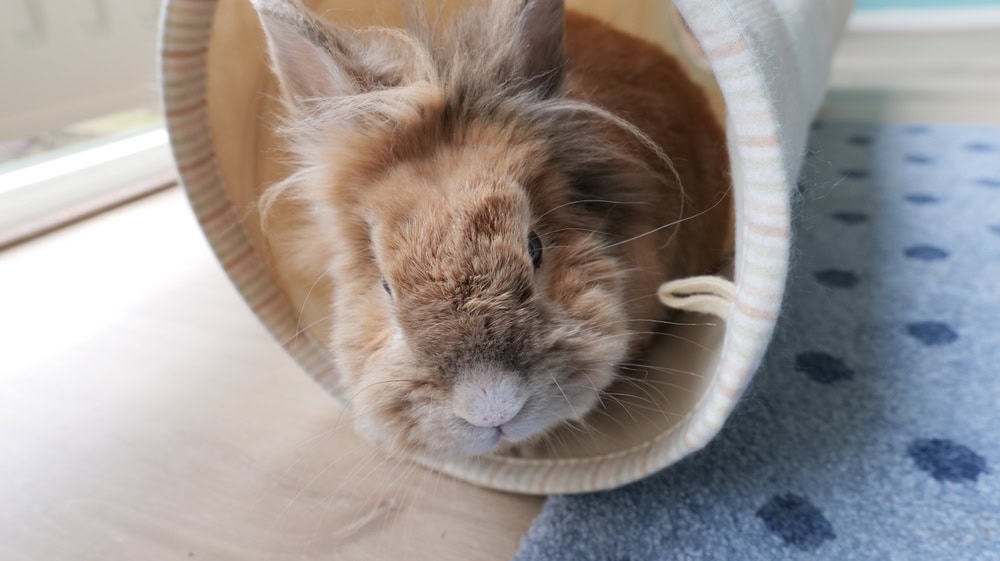
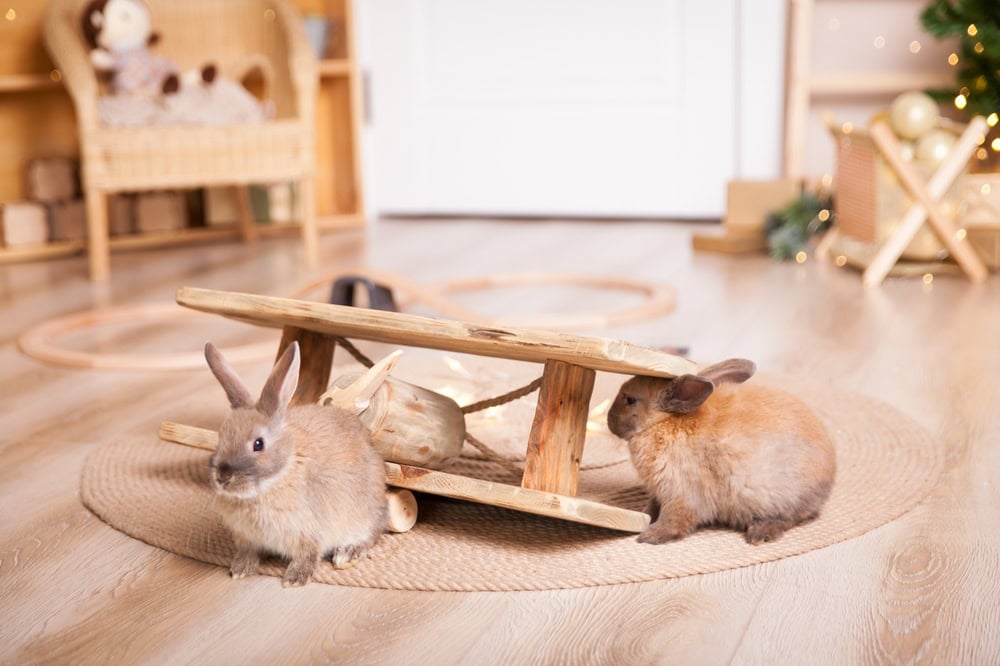
Rabbits are most active at dawn and dusk so this is often the best time for them to exercise. As well as a chance to run, they benefit from mental stimulation with toys and tunnels and a place where they can hop, jump, and forage.
Cleaning
Making sure the living environment is clean is important to ensuring good health. Unsanitary conditions can lead to a lot of trouble. It is a good idea to spot clean daily. You can remove wet or dirty bedding from the hutch.
You should do a total cage clean out at least once every seven days. Remember to check in on your rabbits several times a day especially in extremes of weather. Failure to clean the cage regularly can result in infections and infestations leading to issues such as flystrike, a condition where flies lay eggs on soiled fur leading to a maggot infestation. All these factors can negatively affect a rabbit’s health and shorten their lifespan.
Social Interaction
Rabbits are social animals that in the wild live in family groups. As well as regular interaction with their human family, pet rabbits benefit from companionship with other rabbits. Rabbits that are kept in neutered bonded pairs tend to be happier and less stressed, which helps contribute to a longer life expectancy. Although we are used to seeing images of rabbits and guinea pigs housed together this is not encouraged for the wellbeing of either species.
Rabbits are affectionate animals that can form strong bonds with people but it’s important to remember they are sensitive and can be easily startled or scared. Move slowly and talk quietly around them and keep interactions at ground level when possible to reduce the risk of injury.
Healthcare
Rabbits are prey species and so often hide signs of pain and illness. Regularly checking your rabbit for changes in appetite, production of feces, behavior and physical condition can help you pick up and address health issues early.
Regular routine veterinary medical exams and dental check ups are also vital for keeping your rabbit healthy. Your vet can advise you on appropriate preventative care, such as vaccinations, depending on where you live. Additionally spaying or neutering your rabbit is advisable. Spaying female rabbits prevents uterine cancer and can significantly extend their average lifespan.

The Life Stages of a Rabbit
Rabbits go through 5 life stages from birth three of these by the time they are 12 months of age.
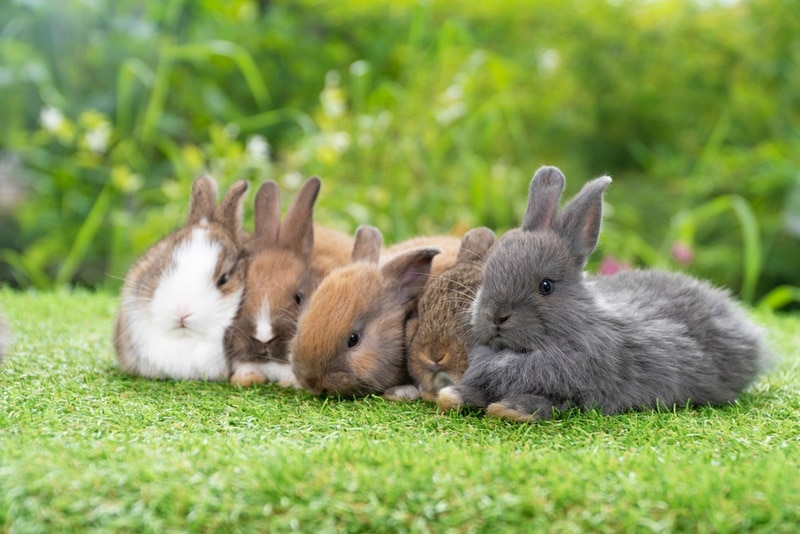
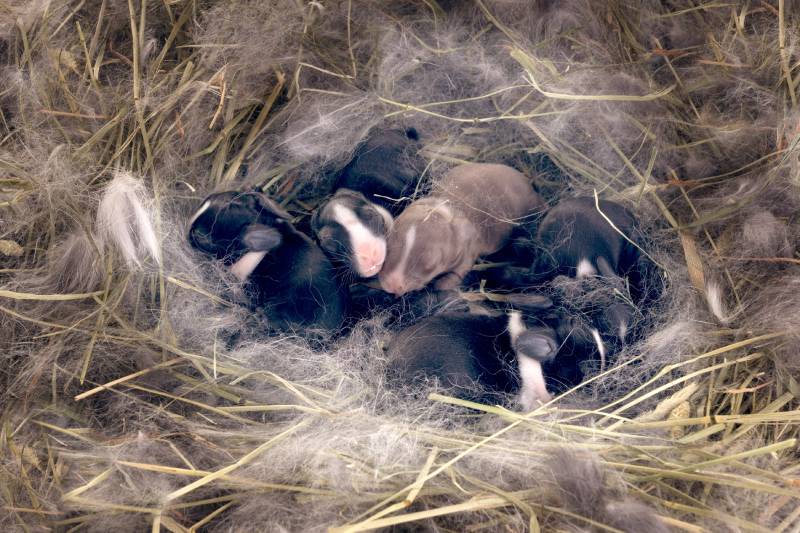
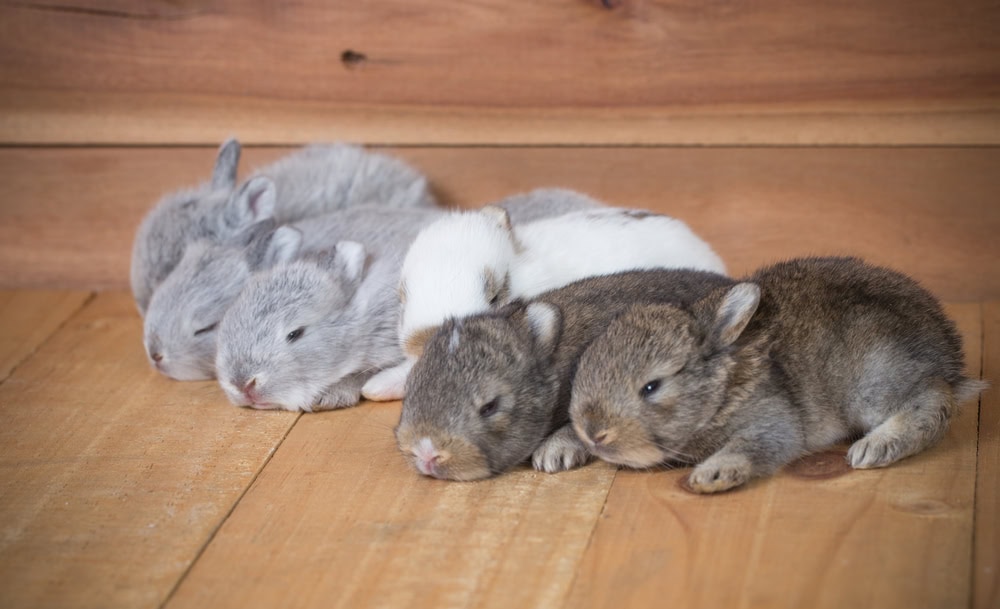
Newborn kits (baby rabbits) are altricial, meaning they are hairless and helpless and their eyes and ears are closed. When they are 10-12 days old their eyes and ears will start to open and over the next few weeks they become adorable fluff balls exploring their environment with increasing independence. From 3-6 months they are considered adolescents and reach sexual maturity. They are usually still considered young rabbits until 12 months when they are fully grown.
Then, they stretch their adult stage for 5 to 7 years without being considered a senior—or elderly rabbit.
How to Tell Your Rabbit’s Age
You can get a rough idea of your rabbit's age if they are under a year old. By 4 weeks they will have all their baby fur and be hopping around exploring, and by 4 months they are usually around half of their adult weight. Rabbits continue to grow until about 12 months and after this point it can be more tricky to tell their age. You can get some clues from their nails, coat, teeth and overall energy levels but it is not an exact science as some rabbits will start to show signs of aging much earlier than others.
In Conclusion
Now you can understand how the average lifespan of pet rabbits can vary based on their breed, care and environment. Remember, rabbits make loving, affectionate pets but they can be quite sensitive, so always take caution with general care.
See Also:
Featured Image Credit: VOLHA KAZLOUSKAYA, Shutterstock
Get Hepper In Your Inbox


Pet care tips from our vets and experts, straight to your inbox.
You may opt-out at any time. View our Privacy Policy for more information.
Ashley Bates, a freelance writer with a passion for pets, is currently studying animal therapy. She is a mother to four children and 23 pets, both furry and feathery. Ashley actively volunteers at local shelters, advocates for animal welfare, and rescues animals in distress. Her mission is to promote awareness, education, and entertainment about pets to help prevent animal homelessness. She specializes in the care and well-being of dogs and cats.
Join the conversation
Ask a question, share your story, or send private feedback.