Hepper is reader-supported. When you buy via links on our site, we may earn an affiliate commission at no cost to you. Learn more.
Male vs. Female Pitbull Terriers: What’s The Difference? (with Pictures)
In this article
Pitbull Terriers have a formidable reputation as powerful, aggressive, and unpredictable dogs, but in reality, nothing could be further from the truth. It is only the widespread use of these dogs in dogfighting that earned them this unfair reputation, and they are actually loyal, loving, and intelligent dogs that make amazing family pets.
If you have decided to bring one of these powerful pooches home, the next important question to answer is whether to get a male or female. The differences between the two are crucial to be aware of because one may suit your unique situation more than the other. In this article, we will take a brief look at what this amazing dog is all about and the important differences between male and female Pitbull Terriers.

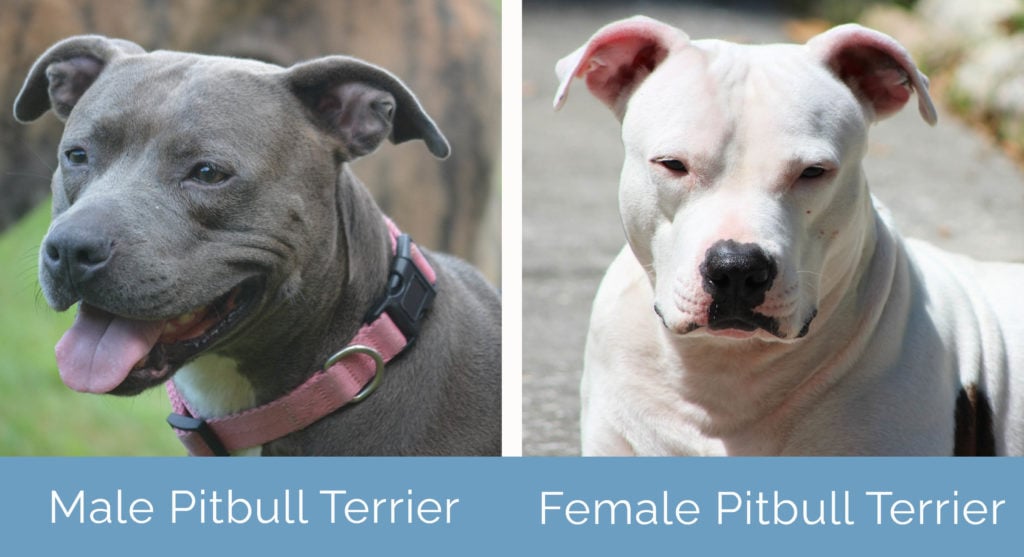
Visual Differences
Pitbull Terrier 101
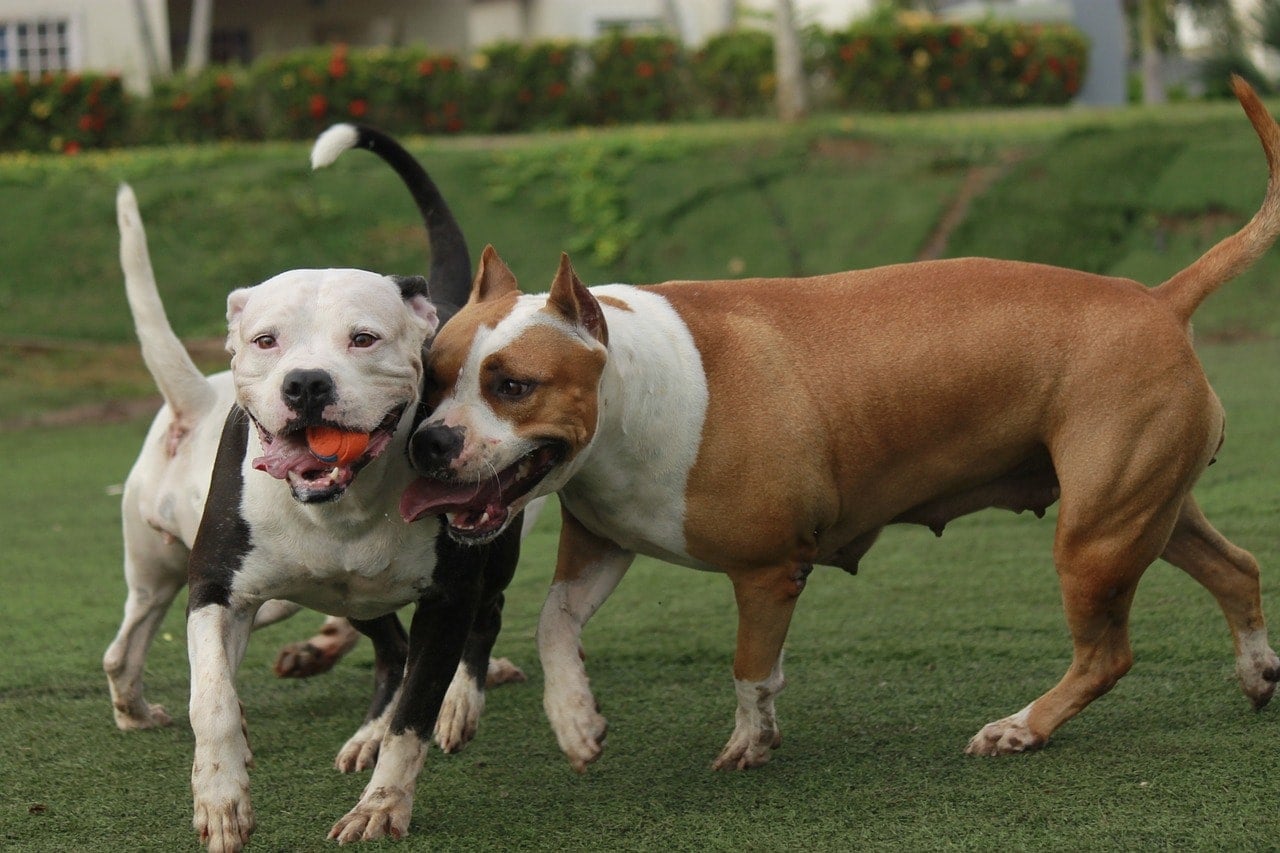
The Pitbull Terrier was long bred as a tough and intimidating fighting dog. The dogs that were the most aggressive were the ones that usually won these fights, so this was a trait that was selected for in the breed for a long time. This resulted in a breed that showed aggression at the slightest provocation. Of course, the dogs were usually trained this way with questionable techniques, and aggression is not a natural part of the Pitbull’s temperament.
Besides fighting, Pitbulls have a long history as all-round working dogs on farms and soon moved into the home as dedicated family pets. Despite their reputation, Pitbulls are loving, loyal dogs that are highly protective of their owners. They earned themselves the nickname, “nanny dog,” due to their trustworthy and protective nature around children. Trained correctly and socialized from a young age, Pitbulls are rarely aggressive toward people or other dogs, making them perfect family companions.
Male Pitbulls
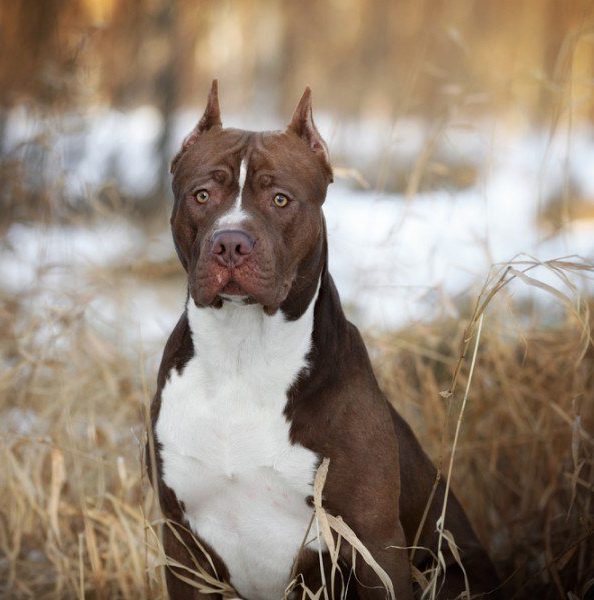
While aggression is not a large part of a Pit’s personality, unneutered males may display aggression toward other male dogs, especially in the protection of their owners. They can be fiercely loyal and territorial at times, and this may lead to aggressive behavior. That being said, they are rarely aggressive toward humans, and neutering can help this territorial trait greatly. Males can also be headstrong and stubborn at times.
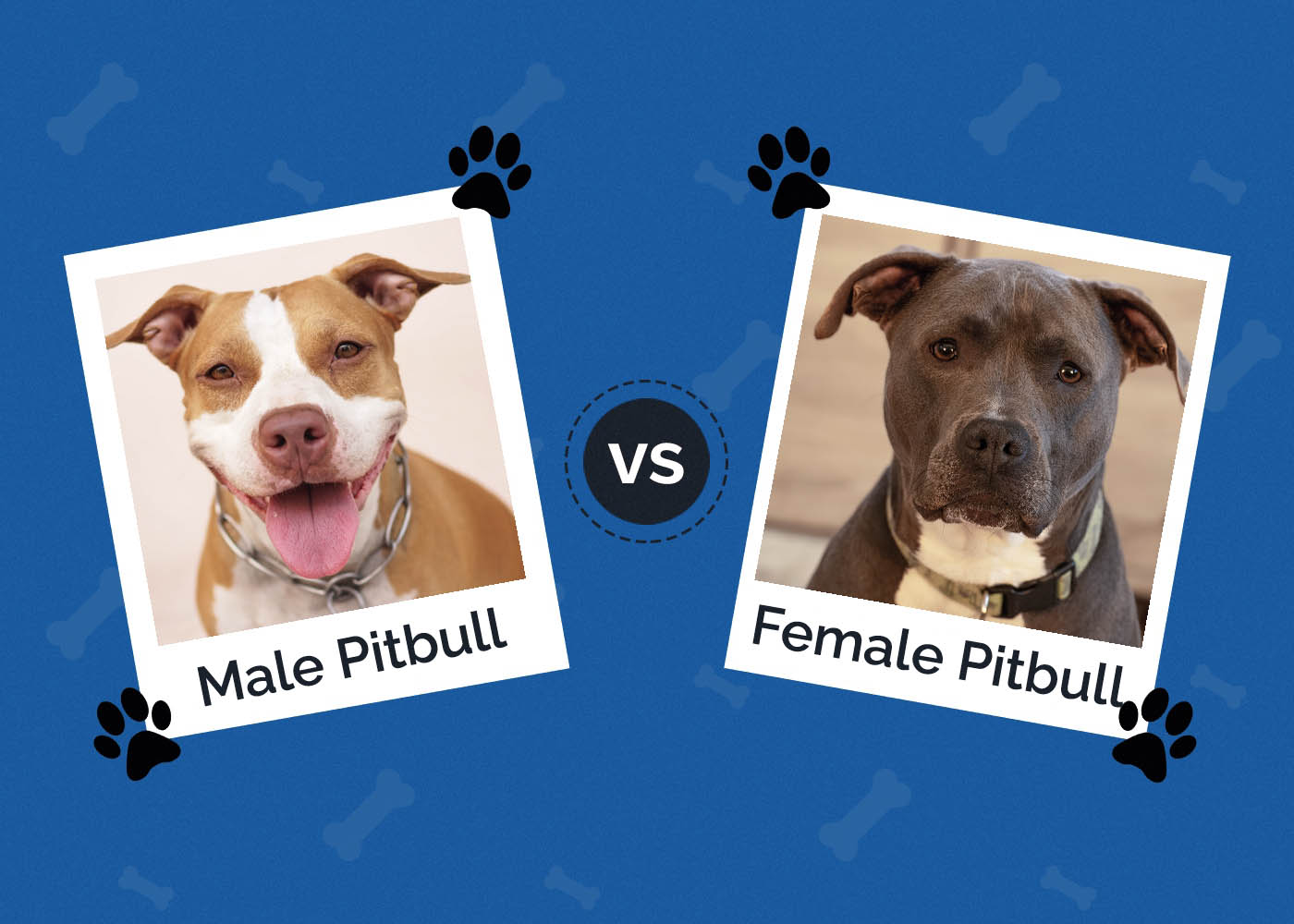
The biggest difference between males and females is size; males tend to be taller, heavier, and more muscular. The average male Pitbull weighs around 40–60 pounds and is usually around 18–22 inches in height. In terms of show dogs, the proportion of height to weight is what is important. Males who are heavier and more muscular need to be taller than lighter males to avoid looking too squat or stocky.
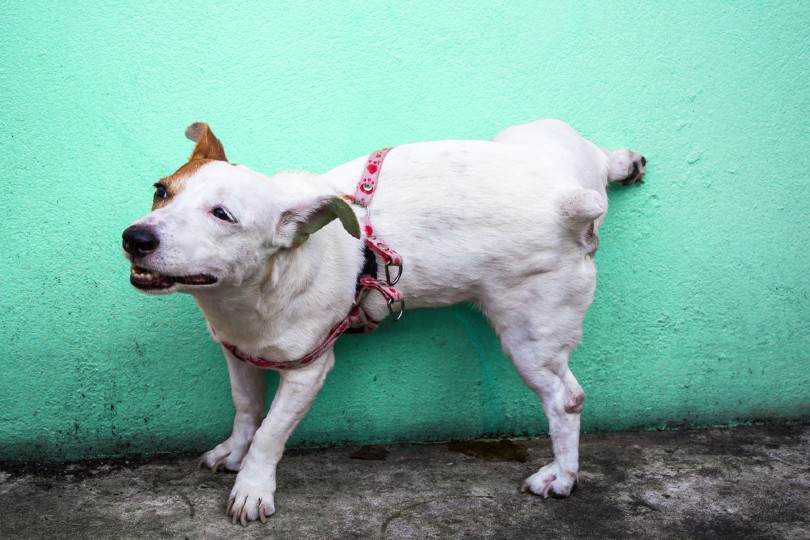
The heads of male and female Pitbulls are also markedly different. Males' heads are wide, with their eyes closer together, and are larger in general. Unneutered males are likely to wander in search of females in heat, which can easily get them lost or stolen. They will also constantly feel the need to mark their territory by urinating all over your home!
Female Pitbulls

As for female Pitbull behavior, they are rarely aggressive toward humans or other dogs. That being said, they can sometimes have an issue with other female dogs, but with early socialization, this shouldn’t be a problem. Female Pits are usually smaller and lighter and have less muscle mass than their male counterparts, weighing in at around 30–50 pounds and measuring 17–20 inches in height.
Females Pitbull’s heads are slightly narrower than males, with eyes spaced further apart and the skin around their lips pulled tighter than males. Unspayed females are prone to mood swings at times and tend to be more independently minded around this time. Because females mature faster than males, they can be trained from an earlier age, and some Pitbull owners feel that females are easier to train in general.
Unspayed females will go into estrus, or heat, every 6 months. During this time, they become more restless and moodier and enjoy more time alone.
Spaying and Neutering
Unless you are planning on breeding your Pitbull, vets across the board recommend spaying and neutering your dog, both for the benefits in temperament and the associated health benefits.
Neutering male Pits will result in a calmer, more even-tempered dog. They will be less inclined toward any aggression and less territorial. Additionally, neutering males will stop them from wandering in search of females in heat.
Spaying females will even out their temperament, they’ll be less inclined to mood swings, and you’ll avoid any unwanted males coming to your home and of course, surprise pregnancies.

Conclusion
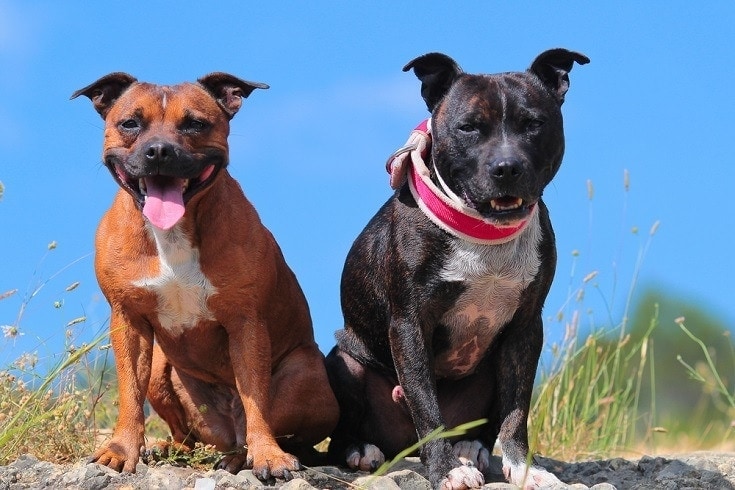
It’s important to remember that a dog’s personality, character, and temperament have more to do with how they are raised and the environment in which they are raised rather than their gender. If your Pit is raised in a loving and gentle household, chances are that they will be loving and gentle. The Pitbull Terrier’s history of aggressive dogfighting despite their innate calm and gentle nature is a clear testament to this.
If you spay or neuter your Pitbull, the only real difference between males and females is their size. Both males and females are loving, loyal, intelligent, and gentle dogs, and either choice is sure to be a great fit in your family.
Related Reads:
Featured Image Credit By: (L) Natthapot Chantaraviboon, Shutterstock | (R) J.A. Dunbar, Shutterstock
Get Hepper In Your Inbox


Pet care tips from our vets and experts, straight to your inbox.
You may opt-out at any time. View our Privacy Policy for more information.

Nicole is a lover of animals of all sizes but is especially fascinated with the feline variety. She’s the proud mom of Baby, a Burmese, and works every day so he can relax in the sunshine or by the fire. She’s always had a cat in her home and has spent countless days with others, observing behaviors and softening up even the grouchiest of the lot. Nicole wants to share her kitty expertise with you so you and your cat can live happy, healthy, and care-free.
Join the conversation
Ask a question, share your story, or send private feedback.