Hepper is reader-supported. When you buy via links on our site, we may earn an affiliate commission at no cost to you. Learn more.
Maltese vs Lhasa Apso: Key Differences (With Pictures)

In this article
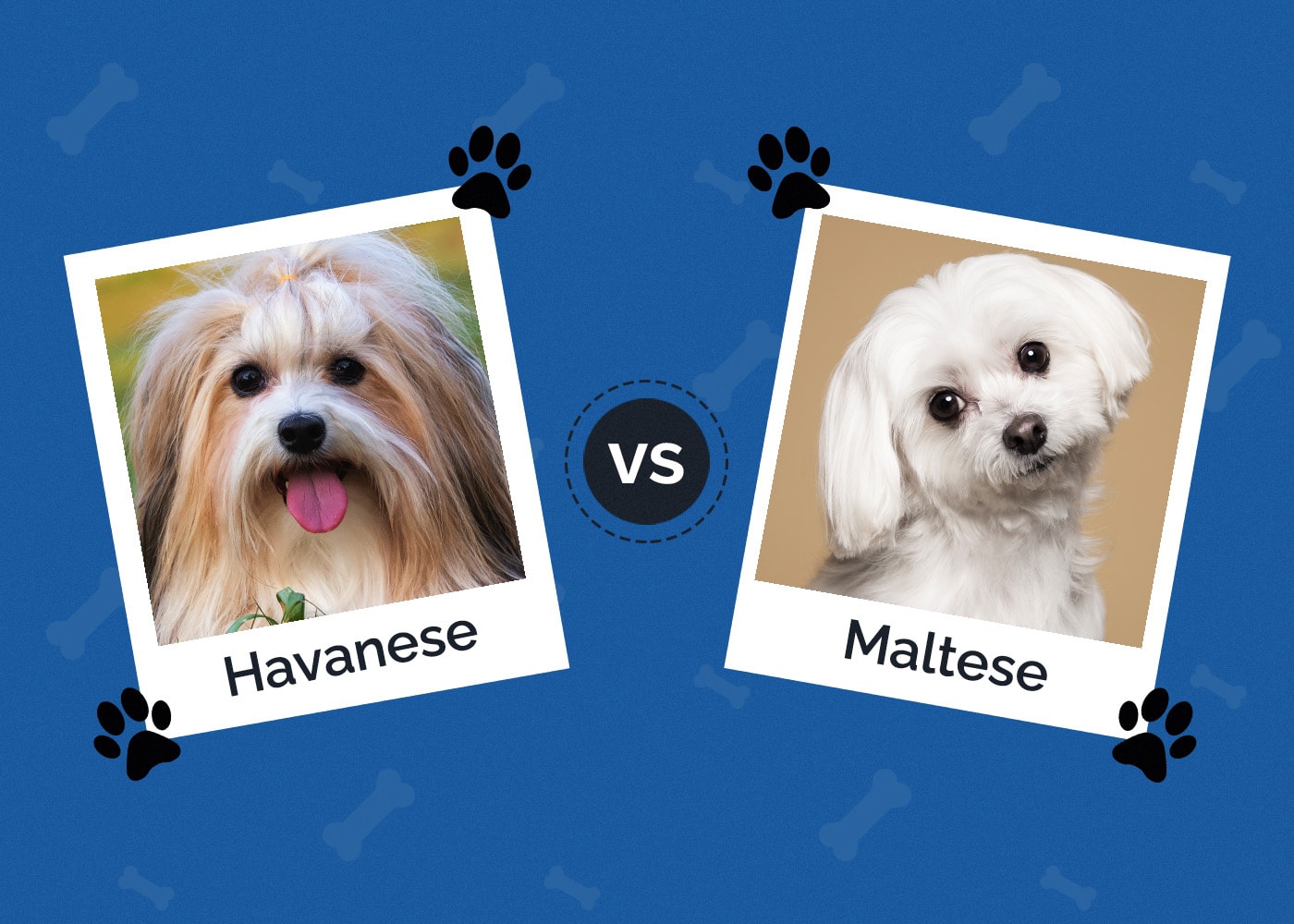
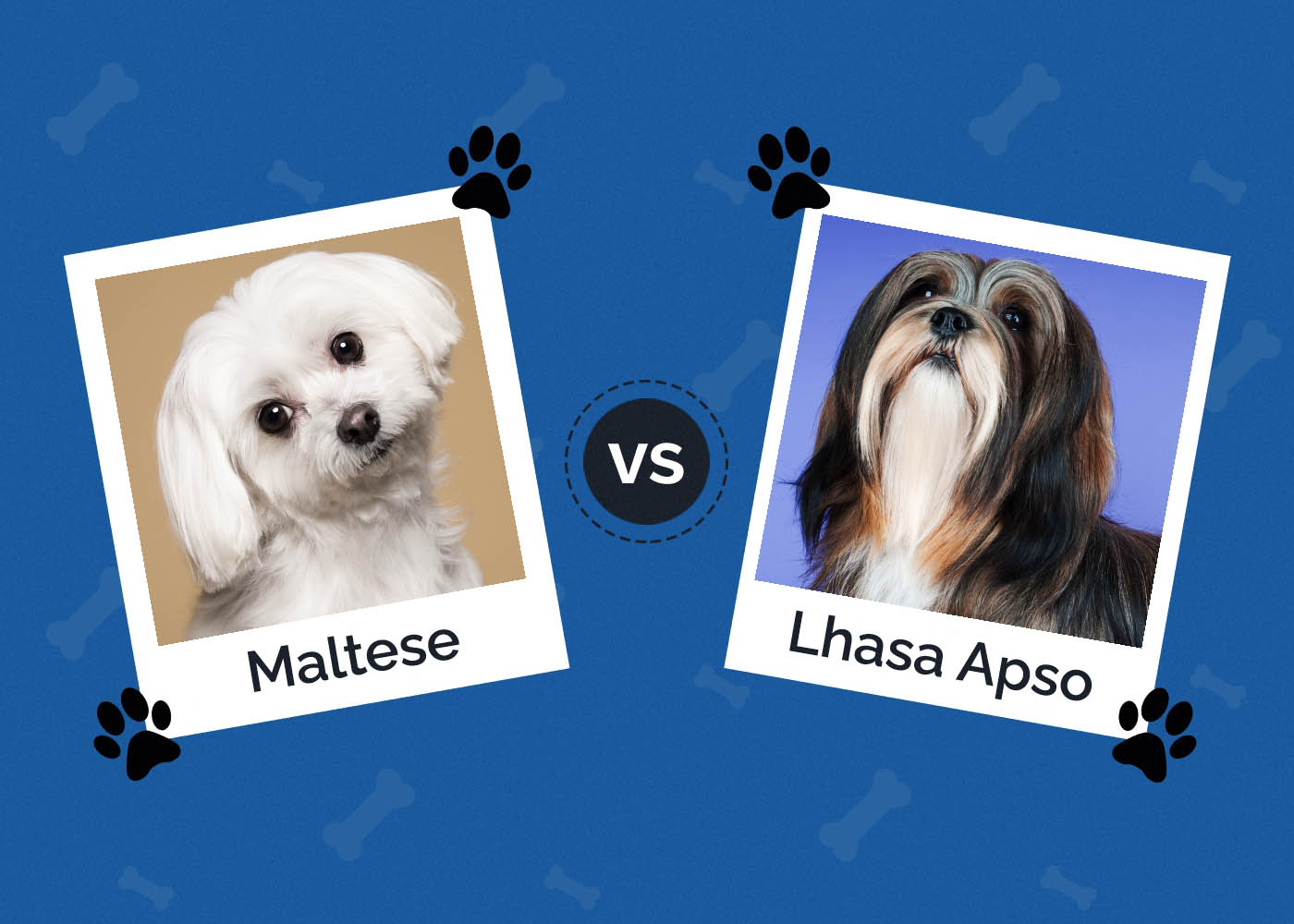
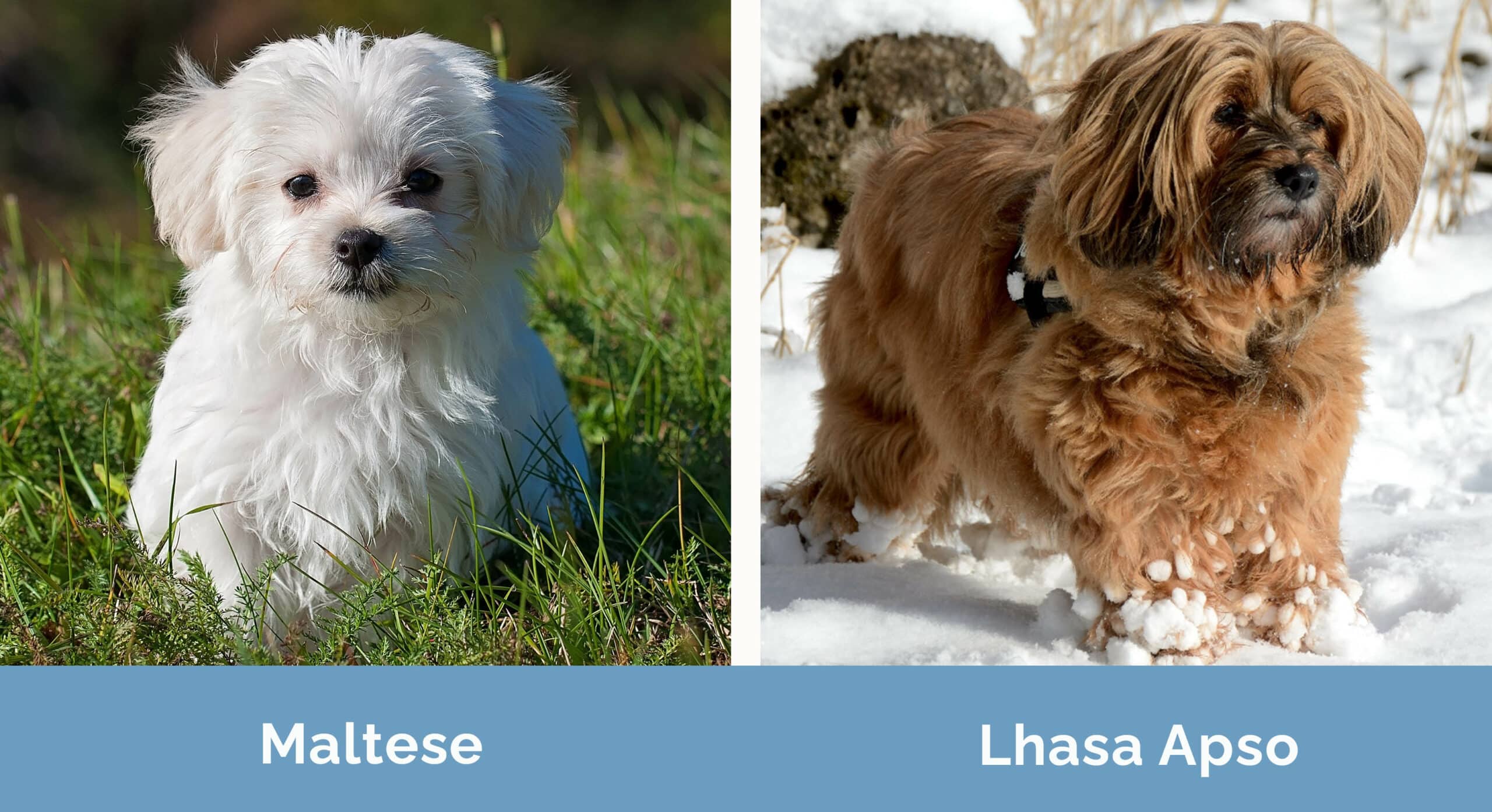
These toy dogs were bred for companionship and are two ancient breeds. The Maltese has its roots in Victorian antiquity, with its flowing coat and dark, soulful eyes prized by many “high-status” members of society (including royalty!).
The Lhasa Apso is another old breed, reportedly a thousand years old. This fluffy dog was founded in Tibet and was used as a guarding sentinel in the region’s palaces. These dogs both have ties to royalty, but how do they differ? We’ll take a closer look at the little pups and examine their similarities and differences to discover which is right for you.

Visual Differences
At a Glance
Maltese Overview

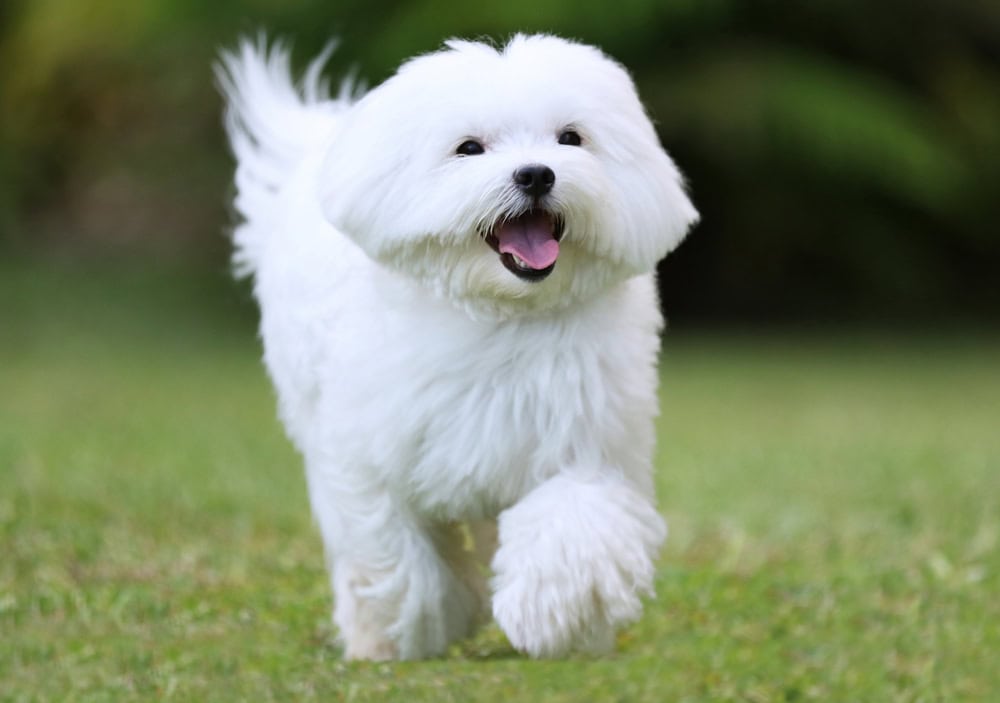
The Maltese is a bright and buoyant dog that is an excellent addition to the family. They are thought to be some of the earliest dogs that were kept purely for human companionship, and their wonderful coats and lively temperaments make them a great, if tiny, addition to the home.
Personality / Character
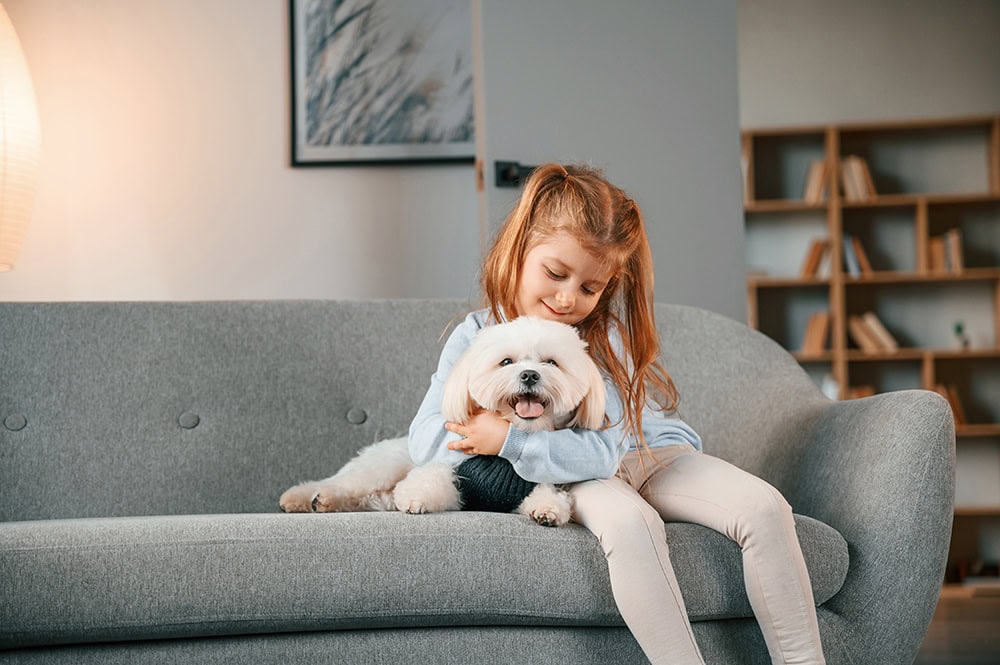
Maltese are different from classic lapdogs. While they adore being close to their owners, they are spirited and bright. The Maltese is playful without being clownish and happily plays with respectful children.
They're also very adaptable and hardy, which is often attributed to their intelligence and ability to sense their owner's emotions. While they make loving family pets, the Maltese can also be alert and fearless watchdogs. They tend to bark because of this, so ensuring proper bark training is important!
Training
The Maltese is intelligent and focused, but they can be willful if their attention is not kept. As they are toy dogs, house training can be more of a struggle for them. However, reward-based training is often highly successful and makes training exciting and engaging.
Because of their intelligence, they'll need adequate mental stimulation indoors and outside; puzzle feeders and interactive toys are good for this. In addition, they need consistent training to be kept engaged.
Health & Care
The Maltese is a generally healthy breed but has some problems related to their size.
Minor Health Problems
Dental disease is something Maltese owners have to watch out for. Most tiny toy breeds have dental problems, ranging from misaligned teeth to overcrowding and retained deciduous (baby) teeth. Daily brushing of your Maltese's teeth, starting when you bring them home, is vital to keeping their teeth and gums healthy.
Major Health Problems
Grooming
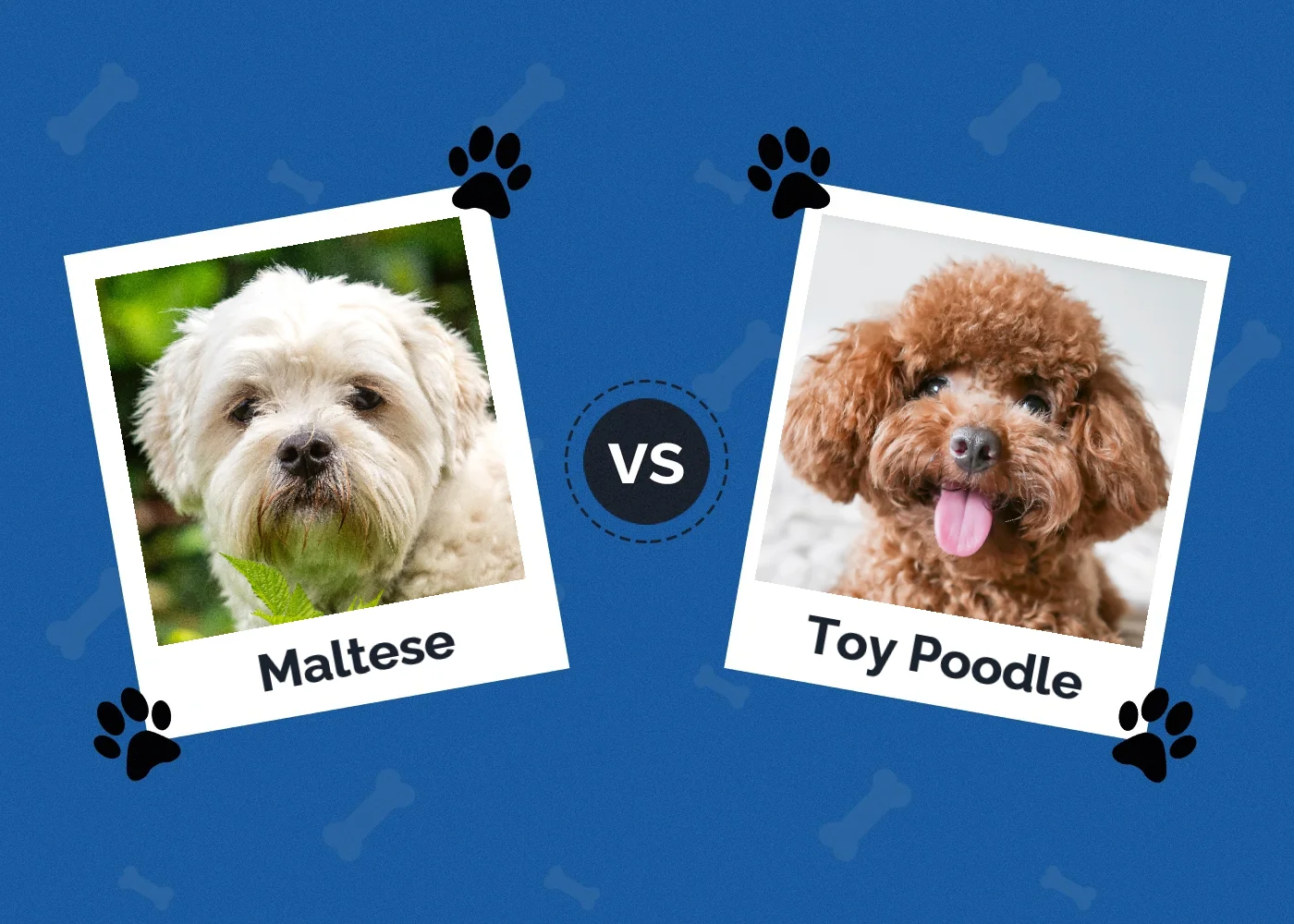
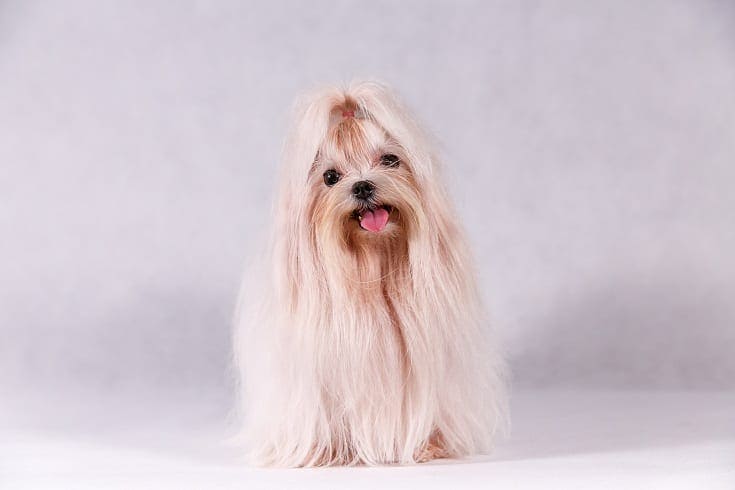
The long, white, silky coat of the Maltese is one of its most prominent features. The undercoat and overcoat are the same length and texture, protecting them from humidity and heat but equally being very prone to knotting! They need daily grooming if their coat is kept long, as tangles and matting can quickly occur.
Using gentle brushes is important since the Maltese has sensitive skin. Some owners who don't show their Maltese like to give them "puppy cuts," meaning the hair is kept much shorter and more manageable. Daily brushing is still recommended, but it's much less vigorous.
Exercise
The Maltese are lively dogs that have lots of energy for their size. They should be taken out of the home for a brisk walk at least once a day, but they won't enjoy long hikes. They should be allowed to run and sniff around, which provides enrichment and exercise. Toys and playing at home can also count towards daily activity, and the dog is as at home in a fenced-in yard as it is in an apartment.
Suitable for:
The little Maltese is suitable for anyone who wants an intelligent, loving, yet sprightly toy dog. It is friendly to other people and dogs it encounters (when correctly socialized), so it will suit families wanting a friendly and open companion.
Likewise, they suit families with respectful children living in a house or an apartment. However, they need to be near their people, so those who can take them to work or work from home are ideal.
Pros
- Is very friendly
- Portable
- intelligent and easy to train
Cons
- Can be stubborn
- May bark a lot if not trained to control barking
- Won't suit those working away from home
Lhasa Apso Overview
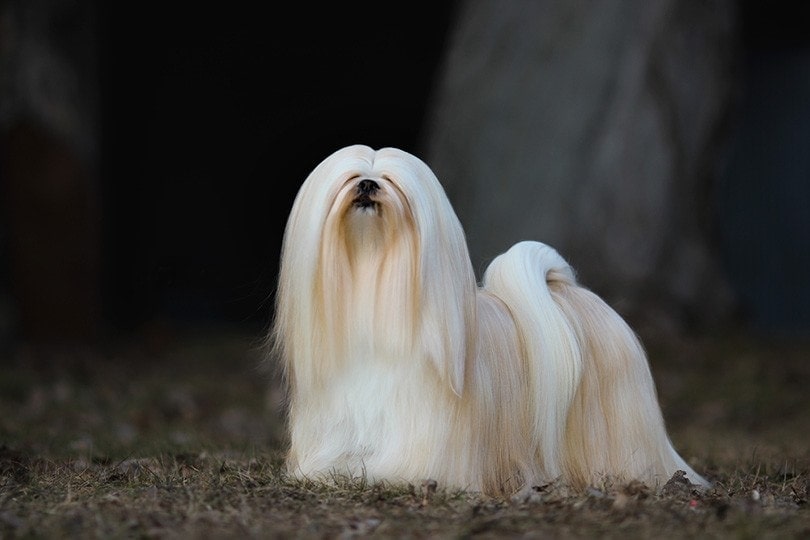
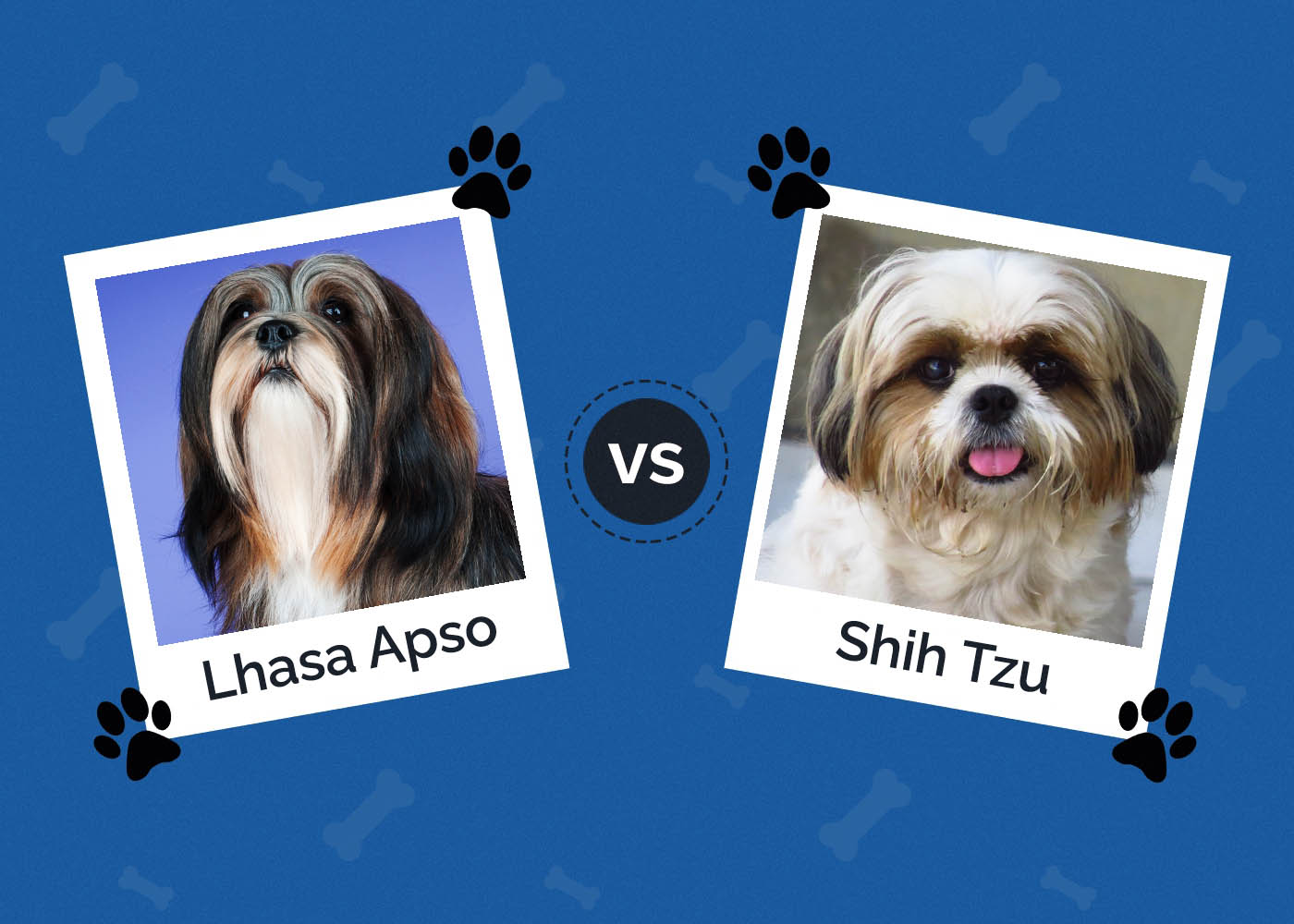
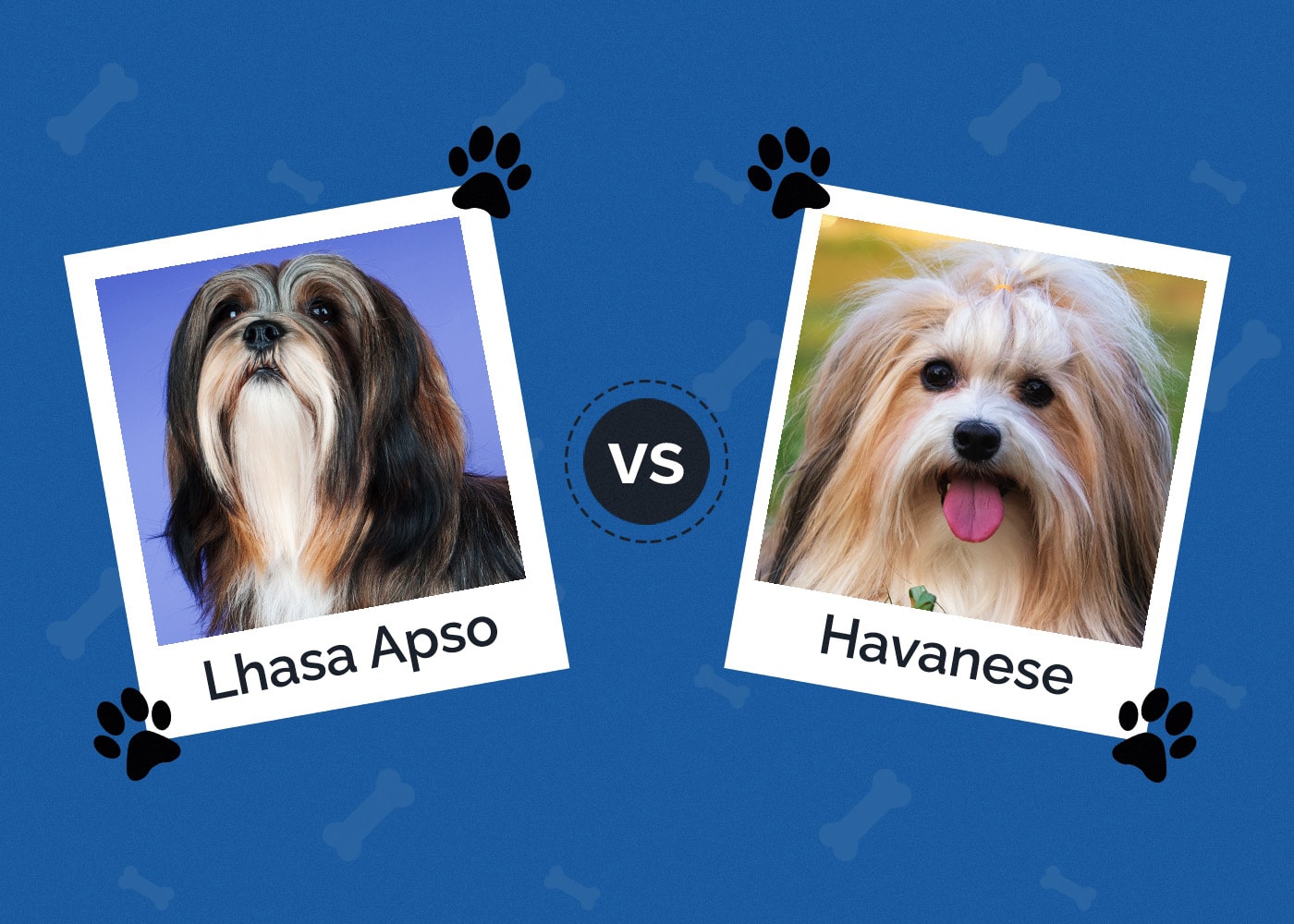
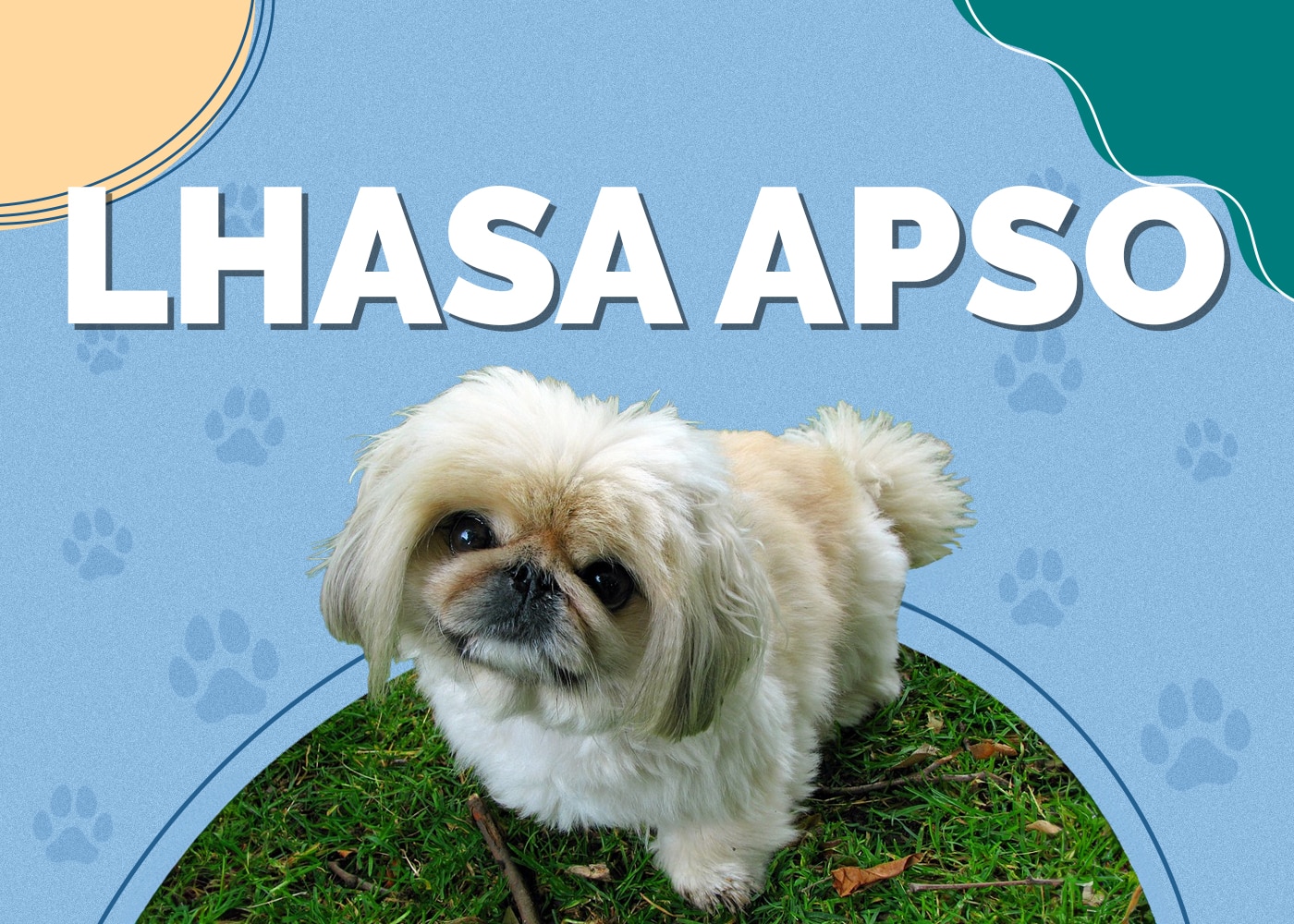
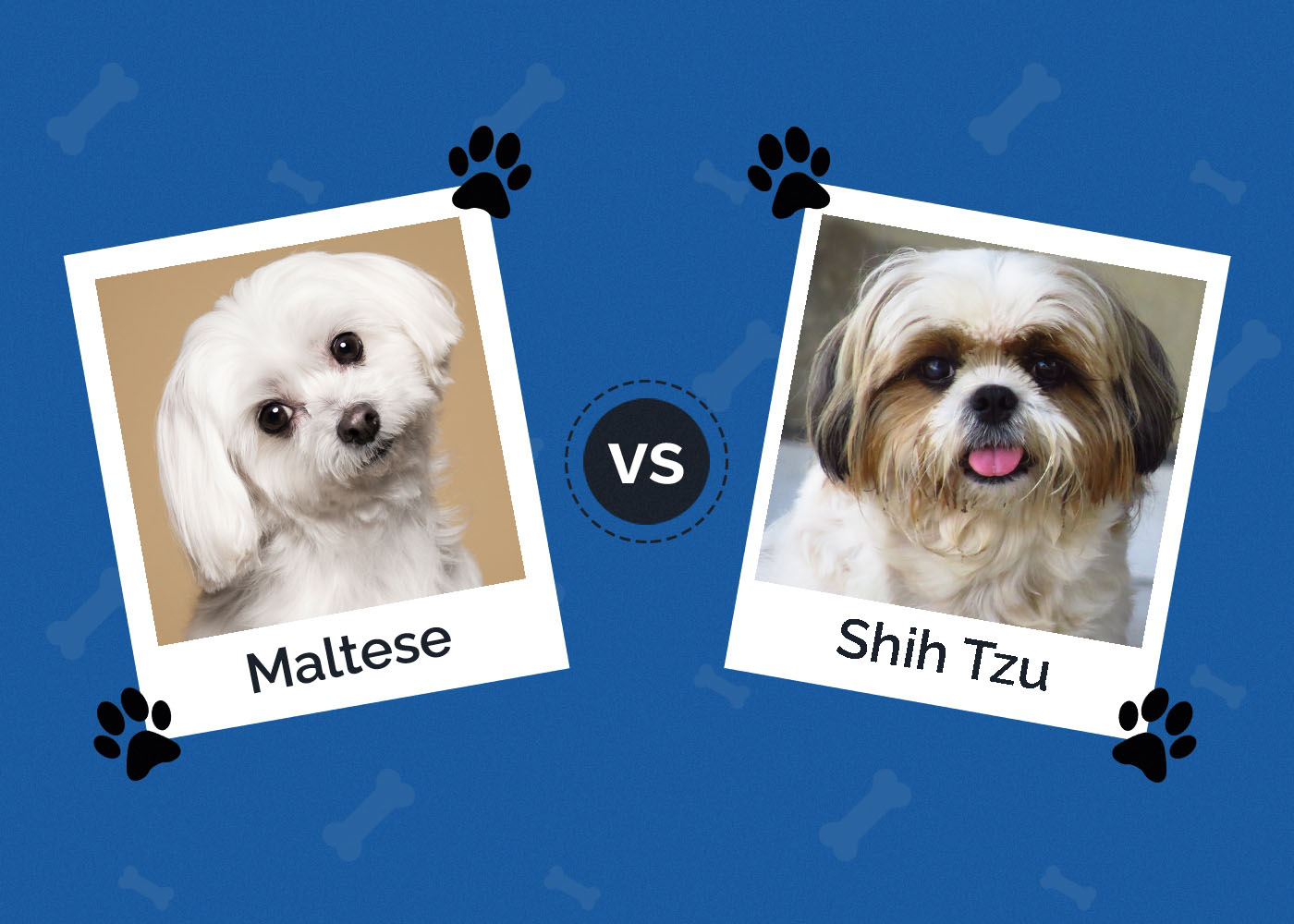
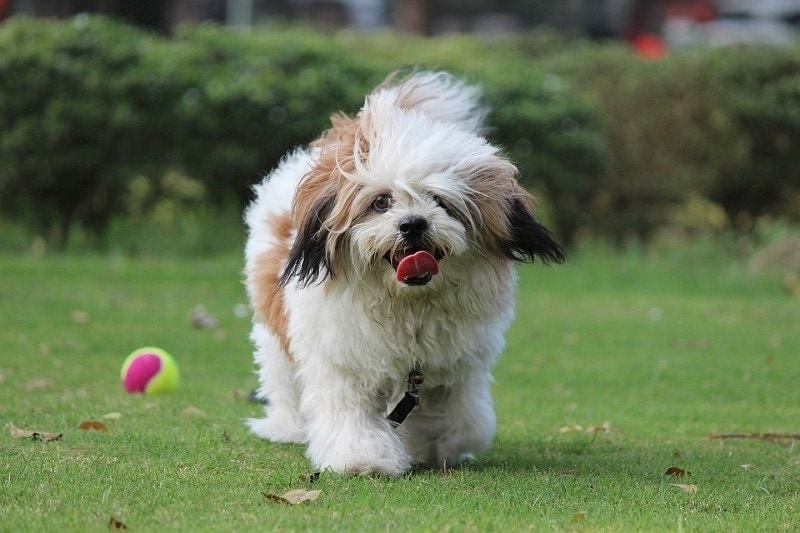
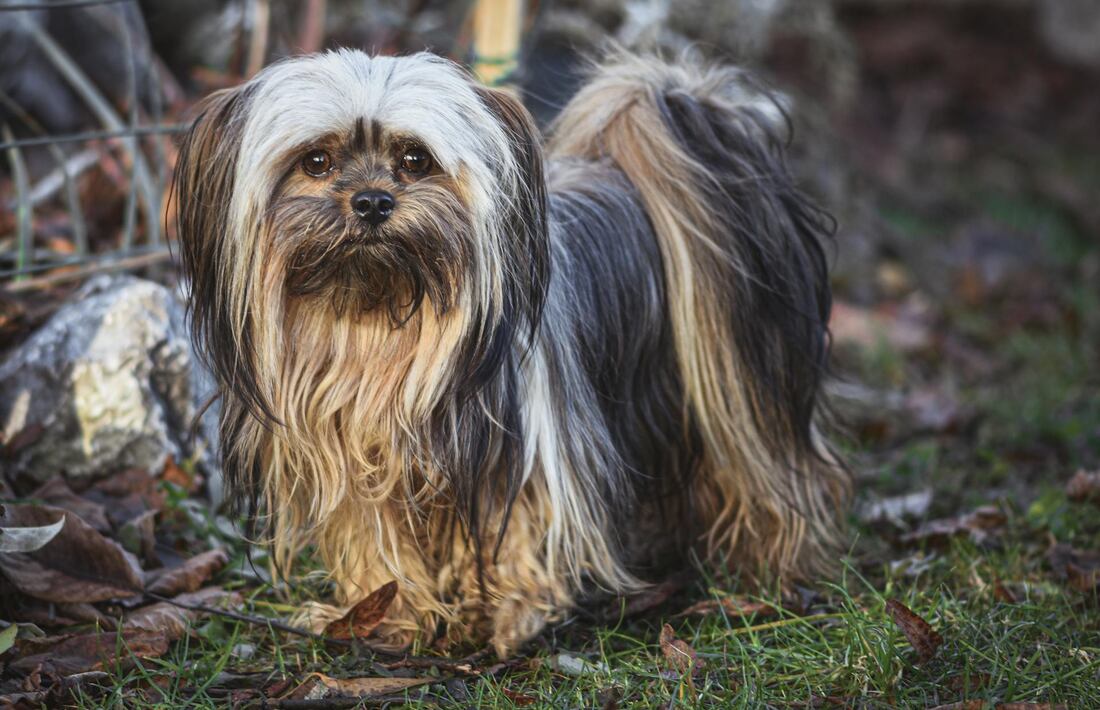
The Lhasa Apso is the slightly larger dog of the two but is by no means less adorable. This shaggy-coated dog has been favored for its stoic yet loving personality for centuries and has been given as a gift to people with power for a very long time. In fact, the original Lhasas in the US were gifts from the Dalai Lama Thupten Gyatso to C. Suydam Cutting in 1933!
Personality / Character
The Lhasa Apso is a natural-born comedian that loves playtime with their family. They love to make their people happy and will play and frolic for hours, but they are known for having a fiercely independent streak and will stubbornly refuse to continue if not on their own terms!
They are also aloof to strangers, possibly stemming from their time as sentinel guardians of temples in Tibet. However, they are affectionate and very loyal despite their independence and are often happiest when snuggling up with their family.
Training
Lhasa Apsos are highly intelligent, and they know they are! These dogs want to learn on their terms and need constant, engaging training to keep them interested. They don't respond well to pushy or repetitive training, so mixing it up will give you their full attention.
They're easy to train once their interest is piqued, and they love to learn tricks to perform for their owners. As these dogs were bred to alert, they'll need training to temper the urge to bark sharply at anyone they think deserves notifying.
Health & Care
The Lhasa Apso is fairly healthy but suffers from a few potential health problems. Apart from regular nail clips and health checks, the Lhasa Apso can be more prone to suffer from the following:
Minor Health Conditions
Major Health Problems
Grooming
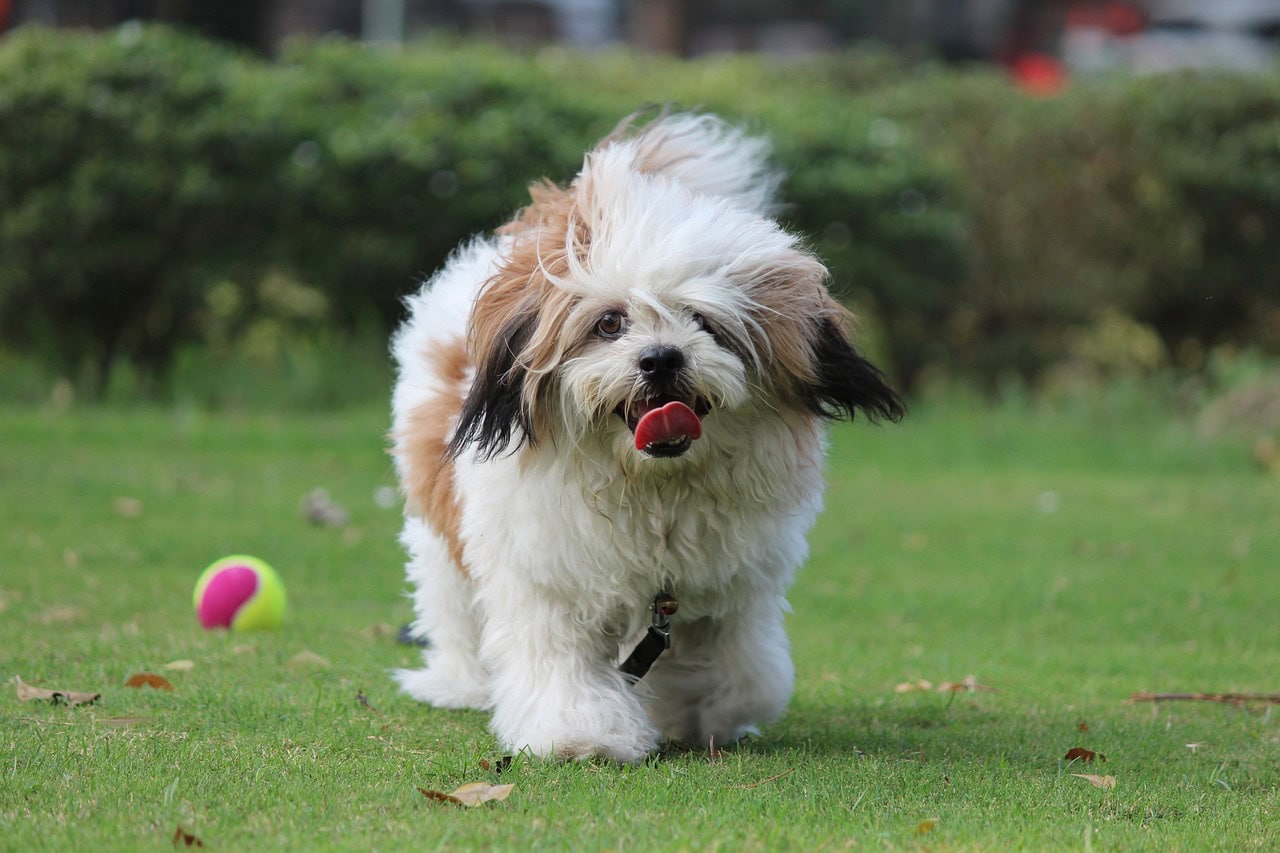
The Lhasa Apso also has a long, flowing coat, but it is not as fine as the Maltese's. They still require grooming at least three times a week (daily if the coat is grown out very long), and the correct tools, such as metal-toothed combs and slicker brushes, are needed to pull out any tangles efficiently. The Lhasa Apso should be bathed twice a month, but take care not to leave any shampoo residue as they have sensitive skin that can be easily irritated. Some owners like to keep the coat short in a puppy cut, which only needs a little grooming.
Exercise
Lhasa Apsos are energetic and active, needing around an hour of exercise a day. They can participate in canine sports and love to be challenged by agility courses despite their small size. However, they're not as happy to sit on the couch as some other small dogs, and they need outdoor exercise at least once a day alongside their playtime at home.
Suitable for:
Families who want an alert yet playful watchdog and those who have the time to take them out at least once a day are ideal for Lhasa Apsos. Families must be prepared to maintain their grooming, and persistent training is needed to keep them interested and engaged. Families who work away from home should be okay to leave their Lhasa Apso for short periods if they have plenty of toys to keep them occupied.
Pros
- Friendly
- Vigilant watchdog
- Active and loves to play
Cons
- Can be fiercely independent
- Can be loud barkers
- Sometimes stubborn to train

Which Breed Is Right for You?
If you want a tiny, sweet-faced dog with a playful heart and a spring in its step, the Maltese is the dog for you. They are portable and more than content to play before sleeping on a lap. However, they need lots of grooming and can become overly attached to their owners. If you still want a small, fluffy dog that isn't so attached, the Lhasa Apso is the dog for you. They are friendly and loving with their owners but like their alone time, so they are generally better at entertaining themselves.
Sources
Featured Image Credit: (L) BIGANDT.COM, Shutterstock | (R) otsphoto, Shutterstock
Get Hepper In Your Inbox


Pet care tips from our vets and experts, straight to your inbox.
You may opt-out at any time. View our Privacy Policy for more information.
Beth is a mom to two babies: one with four legs, and one with two. Beth has years of practical experience as a veterinary care assistant, working in both the operating room and in consult, expanding her knowledge to gain certification in her favorite subject: feline behavior and well-being! When she's not writing about her favorite topics (cats, dogs, and creature comforts), she's looking after her two-year-old daughter and her energetic eight-year-old Nebelung, Kiba. When she gets a moment's respite, Beth loves to read fiction books. Horror is her number one genre, with fantasy and rich history being her second option.
Join the conversation
Ask a question, share your story, or send private feedback.