Hepper is reader-supported. When you buy via links on our site, we may earn an affiliate commission at no cost to you. Learn more.
Mbuna Cichlids: Care Guide, Varieties & Lifespan (With Pictures)
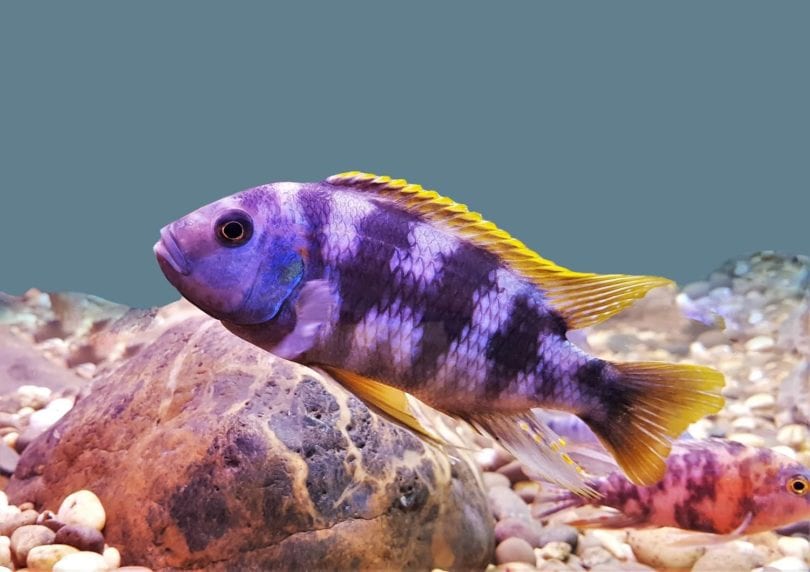
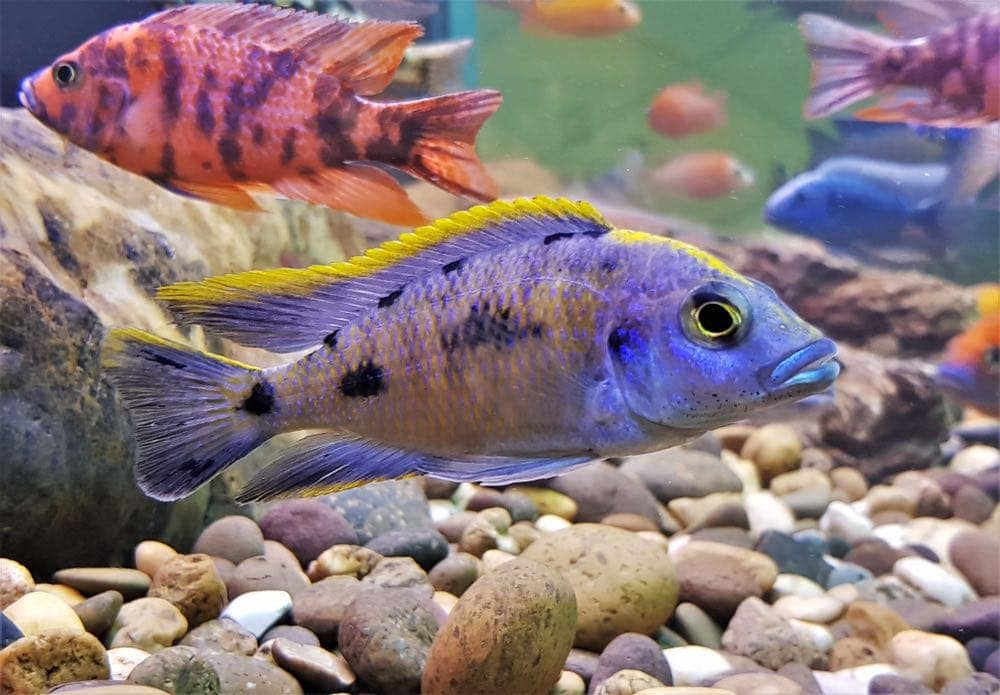
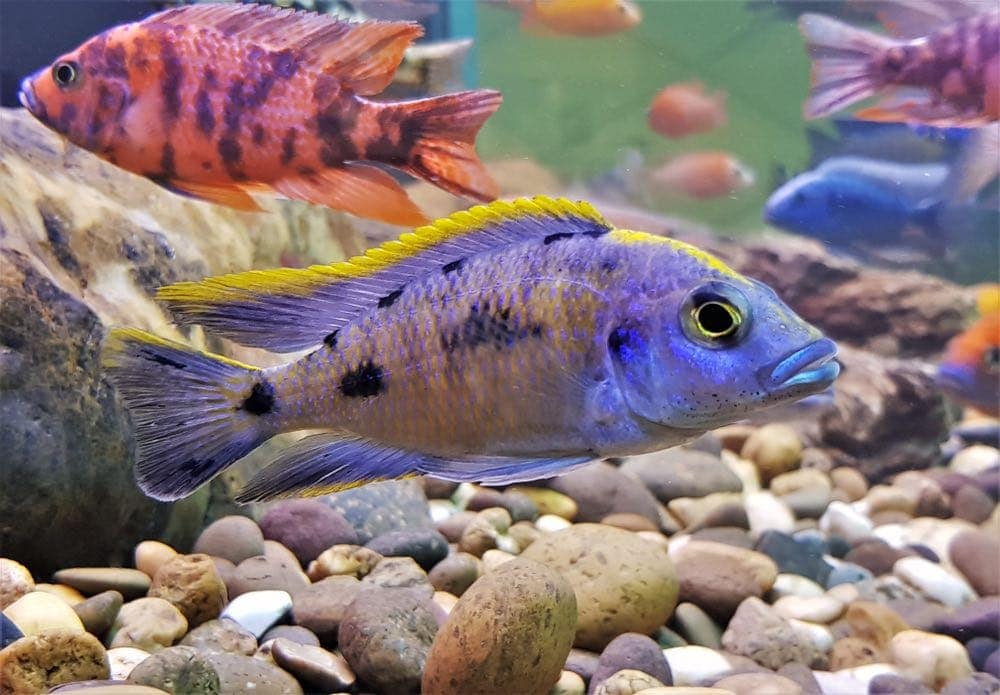
In between Tanzania, Malawi, and Mozambique lies Lake Malawi. It’s over 11,000 square miles and is home to around 850 species of cichlids. These species are broken down into groups, but the most common and easy to care for group are the Mbuna. Mbuna, pronounced “boo-nuh”, is a word from the Tonga people of Malawi that means “rockfish”. These fish are colorful and interesting, often found hiding in rocky caves. Here’s everything you need to know about the Mbuna cichlids.

Quick Facts about Mbuna Cichlids
| Species Name: | Some common Mbuna cichlids include Genyochromis, Labidochromis, Labeotropheus, Melanochromis, Pseudotropheus, and Iodotropheus |
| Family: | Haplochromine |
| Care Level: | Moderate to difficult |
| Temperature: | 73-84˚F |
| Temperament: | Aggressive |
| Color Form: | Orange, yellow, and bright blue are common |
| Lifespan: | Up to 10 years |
| Size: | 2-8 inches |
| Diet: | Herbivorous with occasional offerings like bloodworms |
| Minimum Tank Size: | 30 gallons |
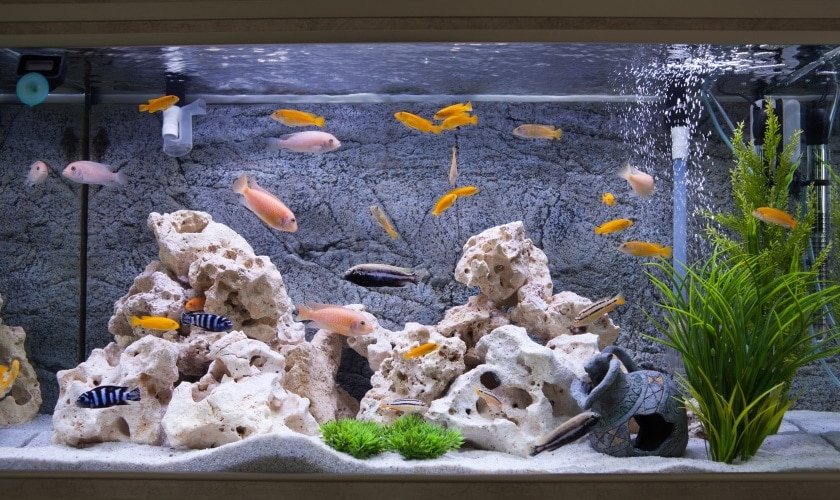
| Tank Set-Up: | Rocks with plenty of hides and caves |
| Compatibility: | Peaceful bottom-dwellers and other fish that frequently hide in rocky environments |
Mbuna Cichlids Overview
Mbuna cichlids are a large group of cichlids that all come from Lake Malawi. These cichlids are variable in behavior, diet, compatibility, and color, but they are all rock-dwelling fish. This means that a rock-filled tank is necessary for their health and happiness. These fish may be hard on plants, uprooting them while scavenging or eating plant matter, so many plants are not a good match for them. Mbuna cichlids spend much of their time hiding in rock caves, and they can often be seen congregating under the rocks, peering out at you. They tend to be active fish, though, so it’s not uncommon for them to spend the whole day swimming around the tank.
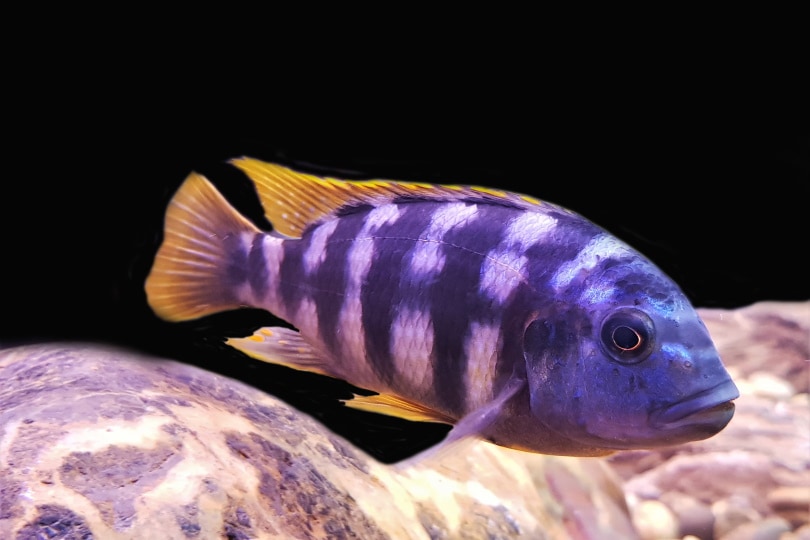
Cichlids in general are known for their aggressive, territorial nature, so tankmates should be chosen carefully and it’s imperative to know the typical behavior of the species of Mbuna you are bringing home. Some Mbuna become more aggressive and territorial when brought home in pairs or when introduced to the tank in a group. Others do best when they are introduced to the tank one at a time, and some Mbuna cichlids are best kept alone or with compatible, non-cichlid tankmates.
How Much Do Mbuna Cichlids Cost?
Since Mbuna cichlids are so varied, their costs vary as well. However, most Mbuna will fall in the range of $5 up to $30 per fish. There are exceptions to this and some rare varieties of Mbuna may sell for more than this range. For Mbuna that do best in groups, some shops will provide a discount on purchasing a group of fish, helping keep the price within your budget.
Typical Behavior & Temperament
Most Mbuna cichlids are territorial, willing to defend what they perceive to be their territory against their tankmates, while others are downright aggressive. Mbuna are usually equally territorial against males or females, the exception to this being when a female is ready to breed. Choosing tankmates that won’t cross paths with the cichlids very often usually works out best, but another option is keeping a harem with one male and multiple females. Sometimes, overstocking Mbuna will decrease territorial behavior by limiting the space each fish has to “claim”.
Appearance & Varieties
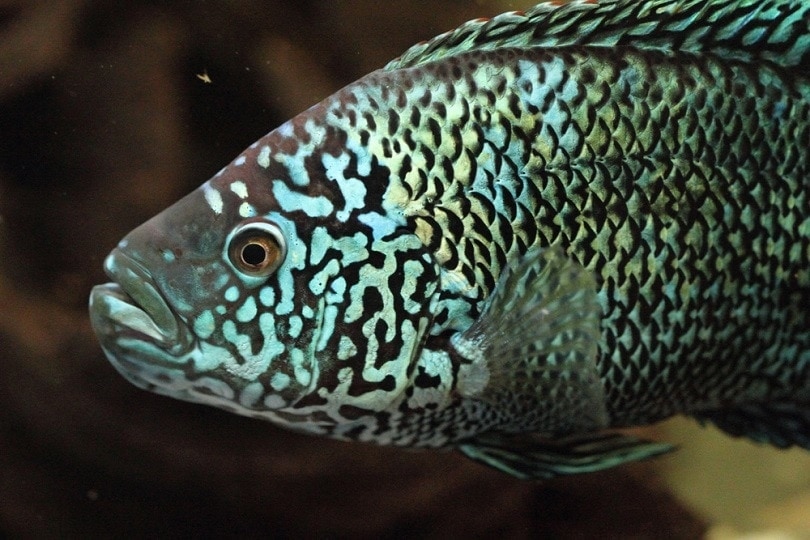
There are hundreds of species of Mbuna cichlids, each with their own distinct looks or personalities. Here are a few of the more popular varieties of Mbuna cichlids.
Popular Mbuna Cichlid Varieties:
How to Take Care of Mbuna Cichlids
Habitat, Tank Conditions & Setup
Are Mbuna Cichlids Good Tank Mates?
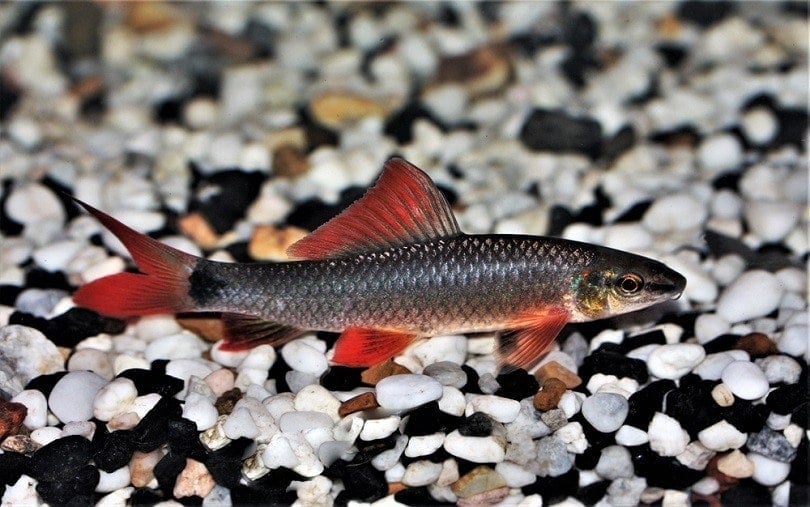
Due to the territorial nature of Mbuna cichlids, introductions can be difficult. The easiest way to introduce new fish into an established community is to completely rearrange the rocks in your tank. This will throw off the defined territories the fish have already claimed, allowing the new fish to slip in unnoticed while the other fish rush to establish new territories. This may be necessary when introducing cichlids, other rock-dwelling fish, or other territorial fish, like red-tailed sharks.
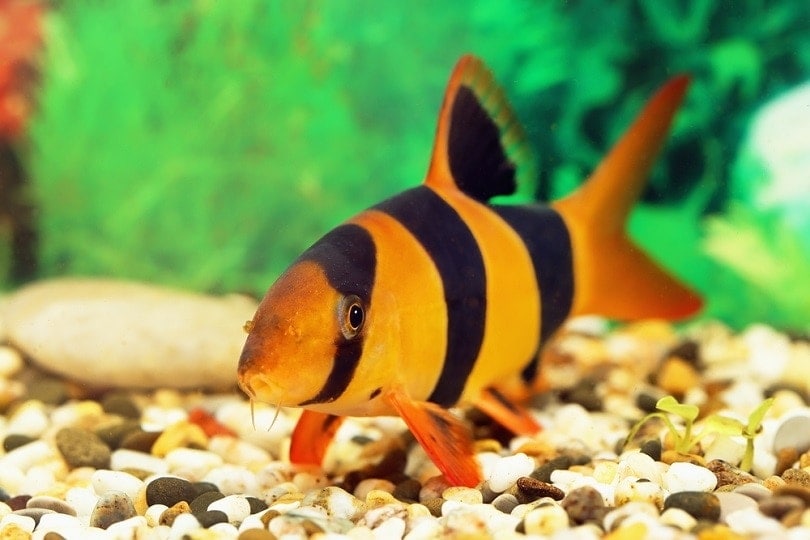
If you’re introducing new tankmates that will likely have no interactions with the cichlids, like Plecostomus and Flying Foxes, then this will likely not be necessary. If you have successfully created planted areas in your cichlid tank, then fish like Giant Danios and Rainbowfish can be good matches as well.
In most situations, you should not pair Mbuna cichlids with other species of Mbuna cichlids. This can lead to hybridization, confusion in the tank, and territory disputes. Some exceptions to this are peacock cichlids and electric yellow cichlids.
What to Feed Your Mbuna Cichlids
Mbuna cichlids need primarily plant-based diets. They will eat algae, biofilm, and plant matter in the tank but should also be offered a commercial cichlid diet. To supplement and ensure they are receiving proper nutrition, these fish can also be fed fresh veggies, like romaine lettuce, zucchini, cucumber, carrots, spinach, and arugula. It’s best to blanch or steam veggies before feeding to your fish to make it easier for them to eat. They may have difficulty tearing pieces off of raw vegetables. It’s important to remove any uneaten fresh foods, like vegetables, within 24 hours to prevent water quality issues. Mbuna cichlids can also be offered protein-rich foods once or twice weekly. This can be bloodworms, brine shrimp, daphnia, and even fry.
Keeping Your Mbuna Cichlids Healthy
Mbuna cichlids are sensitive to water quality issues as well as abrupt changes in water parameters. If your water parameters are off, such as a low pH or temperature, you may need to slowly change this to the ideal levels over a couple of days. This will allow the cichlids to adapt to the changing water parameters. Changing these parameters abruptly can lead to shock and even death, even if the parameters are outside of the realm of comfortable or safe in the long run.
Providing a healthy tank with plenty of rocks, caves, and filtration will keep your cichlid healthy, especially when coupled with a low-stress environment with high water quality. Keep Mbuna cichlids with appropriate tankmates to reduce fighting and the risk of injury, helping them stay healthy and happy for years to come.
Breeding
Breeding Mbuna cichlids is usually relatively easy. If kept in a proper, healthy tank environment, these fish will usually breed without assistance or prompting. Mbuna cichlids are what is called “maternal mouthbrooders”, which means that the mothers keep the eggs in their mouth. They will spawn like many other fish, but after the eggs have been fertilized, the mother will take the eggs in her mouth and carry them until they hatch. This keeps the eggs safe and allows for more fry to survive.
Once the eggs hatch, the mother will spit out the fry. This means that you may not even realize your Mbuna cichlids have bred until you begin seeing fry in the tank. Be aware, though, that the other Mbuna cichlids in the tank will eat the fry. You may need to remove them and put them into a safe fry tank. If you aren’t able to do this, make sure your tank has plenty of hiding places for the fry to shelter while they grow.

Are Mbuna Cichlids Suitable For Your Aquarium?
Mbuna cichlids are colorful, interesting fish that can make a beautiful addition to an aquarium. However, their specific water alkalinity needs and preference for rocks over plants may make them unsuitable for most tanks. They are particular about water quality, so it’s best to ensure you have a fully cycled tank ready for them when you bring Mbuna cichlids home. Otherwise, you may end up with sick or dead fish.
With a proper, low-stress environment with appropriate water parameters, Mbuna cichlids can thrive. They can live for years with proper care, making them an investment of time and effort. Mbuna cichlids are a commitment that isn’t for everyone. They can be challenging, even for the most experienced fish keepers. However, once you get a handle on their preferred environment, these fish bring a bright saltwater look to your freshwater tank.
Related Read:
Featured Image Credit: Arunee Rodloy, Shutterstock
Get Hepper In Your Inbox


Pet care tips from our vets and experts, straight to your inbox.
You may opt-out at any time. View our Privacy Policy for more information.

Lindsey discovered her passion for fish keeping after a junior high school field trip to the Shedd Aquarium in Chicago. Prior to becoming Editor-in-Chief of It's a Fish Thing, Lindsey studied marine biology at the University of California-Santa Cruz. She loves goldfish, tetras, and mystery snails, and recently began experimenting with a saltwater aquarium.
Join the conversation
Ask a question, share your story, or send private feedback.