Hepper is reader-supported. When you buy via links on our site, we may earn an affiliate commission at no cost to you. Learn more.
7 Great Tank Mates for African Leaf Fish: Compatibility Guide 2026
In this article
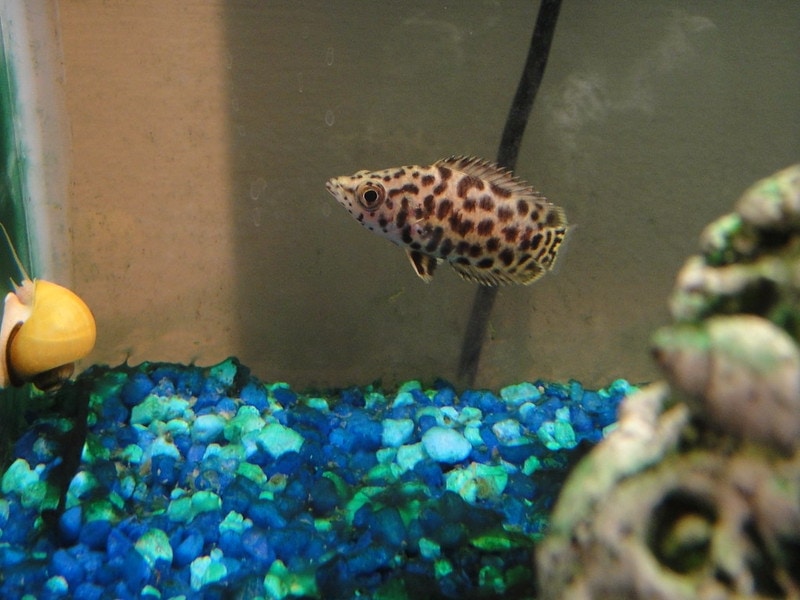
The African Leaf fish is a fascinating fish that takes on the appearance of a dead leaf to drift with the current and catch prey. They are opportunistic predators, which makes them a threat to small tank mates.
Considering the African Leaf fish can reach up to 8 inches in length, many commonly kept tropical freshwater fish are not a good match. They also should not be kept with aggressive fish, like most Cichlids, as this can put both fish in danger. There are options for appropriate tank mates, though, so here are some of the best tank mates for your African Leaf fish.

The 7 Ideal Tank Mates for African Leaf Fish
1. Snakeskin Gourami
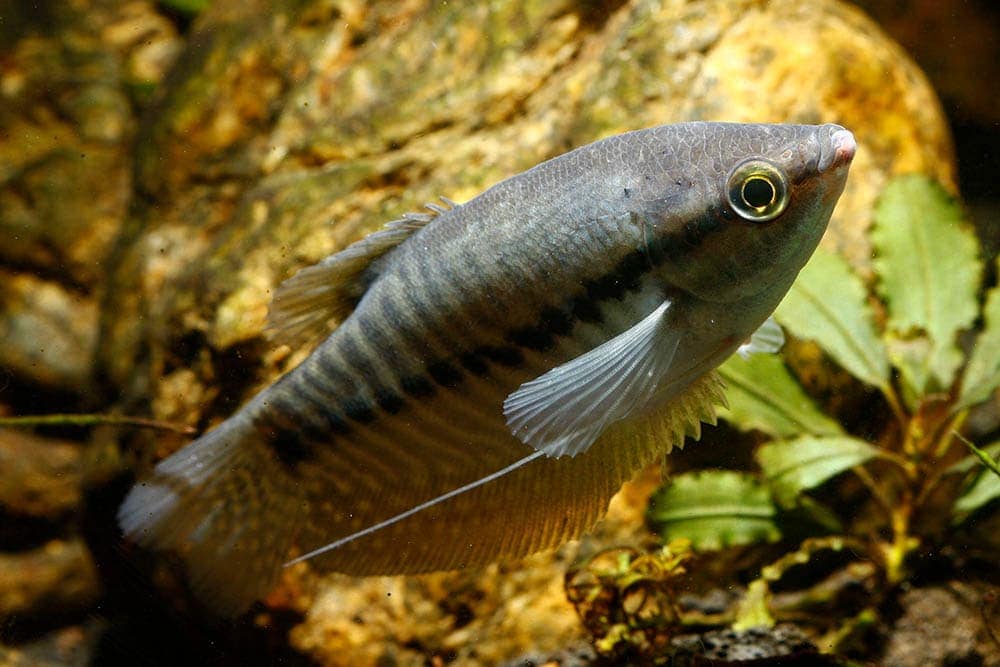
| Size | 6 - 8 inches (15.2 - 20.3 cm) |
| Diet | Omnivore |
| Minimum tank size | 30 gallons (114 liters) |
| Care Level | Easy |
| Temperament | Peaceful |
The Snakeskin Gourami is a large fish that is often raised as a food fish but is also popular in the aquarium trade. Although omnivorous, they are usually content to eat small prey, like insects and small fish, and are overall very peaceful in a community tank. If kept with an African Leaf fish, they’re likely to peacefully coexist with no issues. They are hardy fish that are relatively beginner-friendly.
2. Giant Gourami – Best for Large Tanks
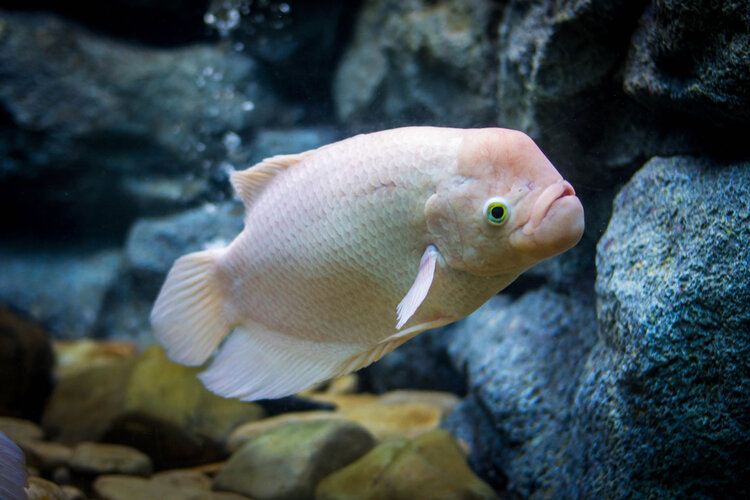
| Size | 16 - 20 inches (40.6 - 50.8 cm) |
| Diet | Omnivore |
| Minimum tank size | 200 gallons (757 liters) |
| Care Level | Moderate |
| Temperament | Peaceful, active |
The Giant Gourami is an excellent option if you’re interested in keeping a very large tank. These gentle giants are omnivorous but are only a risk to small tank mates and will typically leave your African Leaf fish alone. They are highly active fish for their size, and they do reach extremely large sizes, so it is important to ensure you only purchase this type of fish if you fully understand its long-term tank needs. They can live for up to 20 years in captivity, so be prepared for a commitment to their needs.
3. Blood Parrot Cichlid
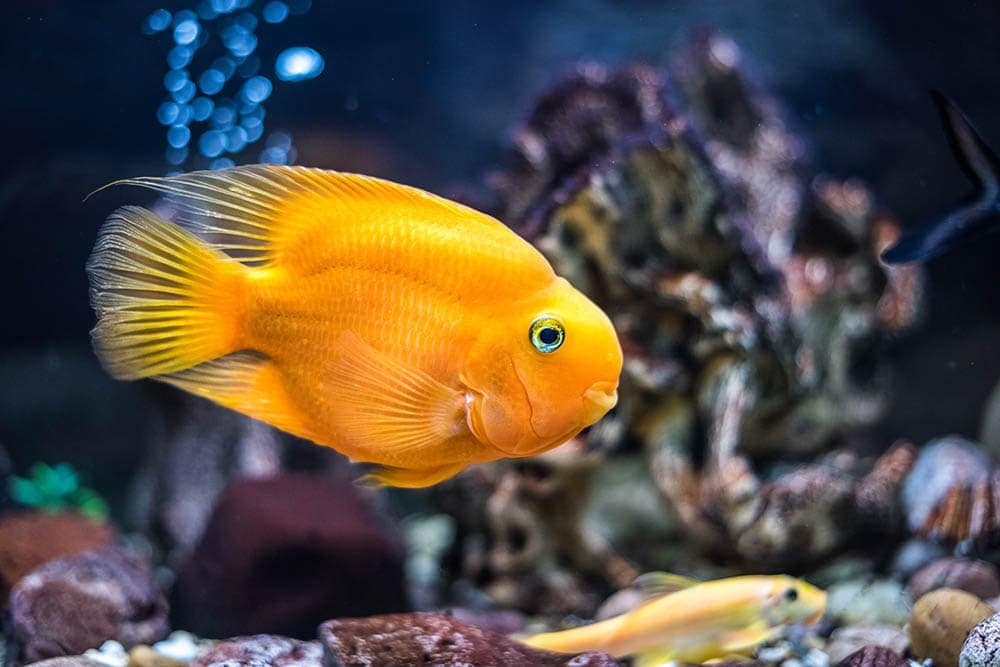
| Size | 6 - 8 inches (15.2 - 20.3 cm) |
| Diet | Omnivore |
| Minimum tank size | 30 gallons (114 liters) |
| Care Level | Moderate |
| Temperament | Semi-aggressive, active |
The Blood Parrot Cichlid is a controversial hybrid, so it’s important to ensure you only purchase them from responsible breeders who breed these fish with health in mind. They may be difficult to find, though, as some stores refuse to sell them.
These fish reach approximately the same size as African Leaf fish, making them a good tank mate option. They are considered to be semi-aggressive because they display aggressive tendencies when kept with aggressive or territorial fish. When kept with laid-back tank mates, they are generally peaceful.
4. Kissing Gourami
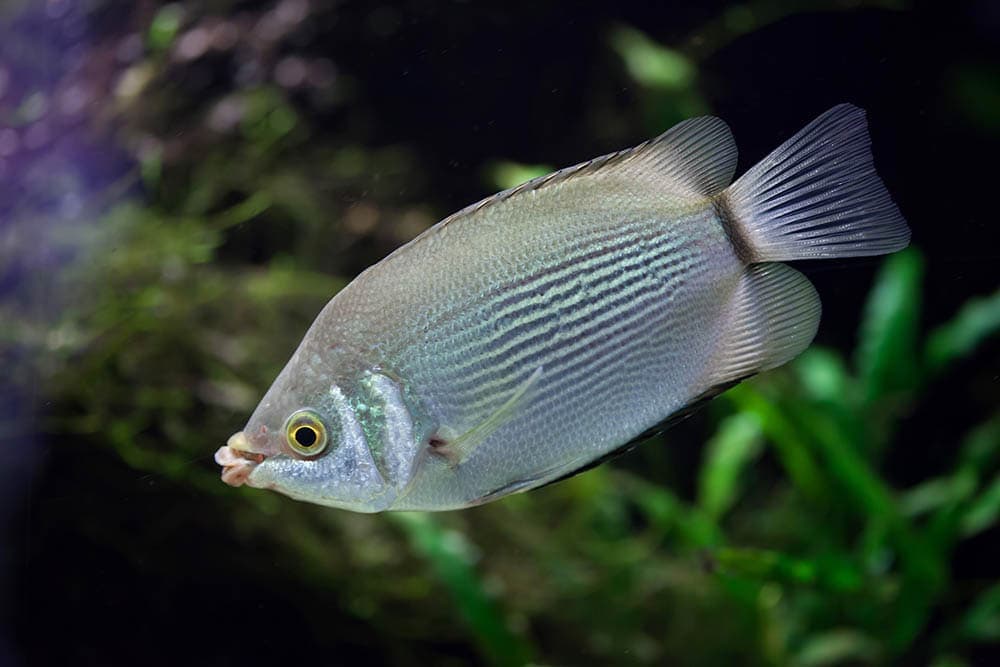
| Size | 12 inches (30.5 cm) |
| Diet | Omnivore |
| Minimum tank size | 75 gallons (284 liters) |
| Care Level | Moderate |
| Temperament | Semi-aggressive |
Kissing Gourami are beautiful fish that are a fun addition to a tank because of their kissy-face appearance. They get quite large and do require plenty of space to avoid feeling too cramped and to reduce the risk of aggression. They are considered to be semi-aggressive and should be monitored closely to ensure they do not begin bullying your African Leaf fish. They tend to bully fish that are smaller than them, but tank mates that are smaller than the moderately-sized African Leaf fish are more likely to receive this bullying.
5. Cyphotilapia frontosa
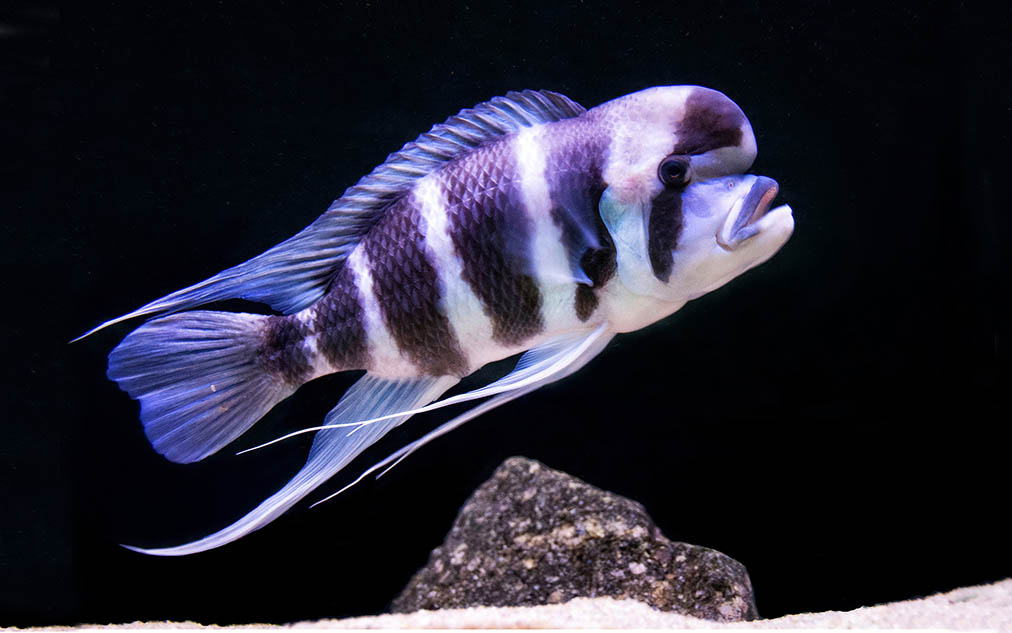
| Size | 12 - 15 inches (30.5 - 38.1 cm) |
| Diet | Carnivore |
| Minimum tank size | 70 gallons (265 liters) |
| Care Level | Moderate |
| Temperament | Generally peaceful, territorial |
The Cyphotilapia frontosa is a large African Cichlid variety that reaches large sizes around a foot in length. They are usually peaceful fish in community tanks, but they can become territorial, especially in overstocked tanks. They should be kept in tanks with plenty of rocky caves and overhangs.
These fish are often considered to be favorites by people who keep them because of their gentle and active nature. Apart from breeding periods, they are likely to leave your African Leaf fish alone, even if it wanders into its area.
6. Peacock Cichlid
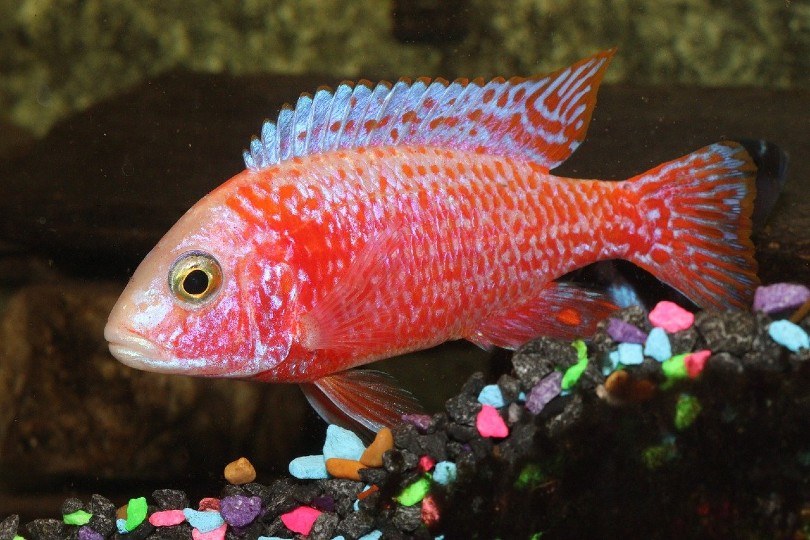
| Size | 4 - 6 inches (10.2 - 15.2 cm) |
| Diet | Omnivore |
| Minimum tank size | 55 gallons (208.2 liters) |
| Care Level | Moderate |
| Temperament | Generally peaceful |
Although small enough to potentially fall prey to your African Leaf fish, Peacock Cichlids are best kept in groups as large as the tank size will support. Keeping them in groups will reduce the risk of being eaten by your African Leaf fish and will increase the chances of breeding. It’s recommended to keep these fish in groups with two females to every male. Male Peacock Cichlids may be aggressive toward other males, but these fish generally leave tank mates alone.
7. Common Plecostomus
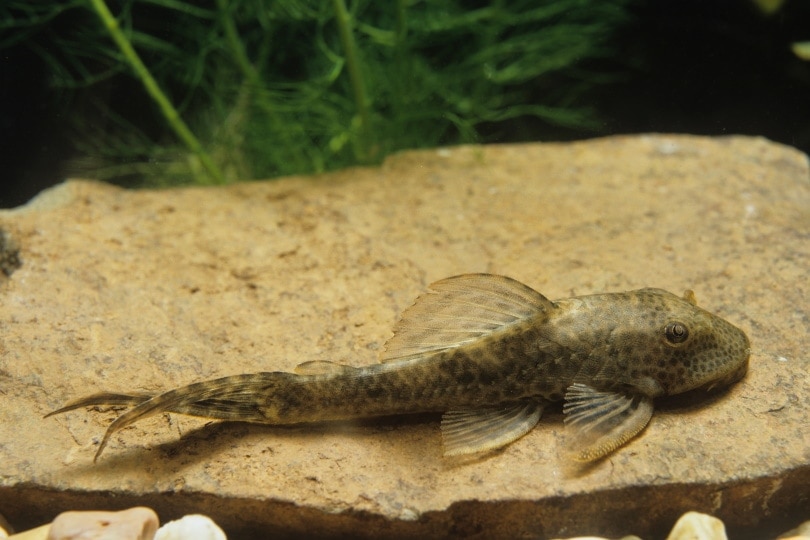
| Size | 18 - 24 inches (45.7 - 61 cm) |
| Diet | Omnivore |
| Minimum tank size | 75 gallons (284 liters) |
| Care Level | Easy |
| Temperament | Peaceful, potentially semi-aggressive |
The Common Pleco is a fish that is extremely common in the aquarium trade, and many people purchase them without realizing the extremely large size they can reach. They create a heavy bioload in the tank, which requires a high level of filtration.
These fish are usually extremely peaceful, but some people do report an increase in aggressive tendencies as they age. These large fish will help keep the tank free of algae and will rarely interact with other fish.

What Makes a Good Tank Mate for African Leaf Fish?
African Leaf fish are peaceful, but they will eat small tank mates. This is often misconstrued as aggression. They should not be kept with aggressive tank mates as this can lead to fights in the tank, leading to injuries and death. Good tank mates for African Leaf fish typically means finding fish that live in the same warm water temperatures, are too large to be eaten, and are not overtly aggressive.
Keep in mind that African Leaf fish can open their mouths very wide and can consume fish that are almost as large as themselves.
Where Do African Leaf Fish Prefer to Live in the Aquarium?
African Leaf fish spend most of their time in the middle to lower portions of the water column. They hunt by allowing the gentle current in the tank to pull them along, causing them to drift like a leaf floating in the water. This allows them to sneak up on unsuspecting prey.
Water Parameters
African Leaf fish are native to warm, soft waters in countries like Cameroon and Nigeria. They are most commonly found in slow-moving bodies of water, like swamps, streams, creeks, and rivers. They spend most of their time in dense vegetation in shallow parts of the water.
They do best with very warm water temperatures from 78-88˚F (25.6-31˚C), which is warmer than what most tropical freshwater fish prefer. They need a pH of around 6.0-6.5. Although they prefer soft water, they can thrive with water hardness from 1-10˚H.
Size
These fish can reach 6-8 inches (15.2-20.3 cm), but sometimes will only reach 3-4 inches (7.6-10.2 cm). It may take multiple years for them to grow to their full adult size, which often leads people to believe they will stay small before the fish has finished growing. They can live for around 10 years when well cared for in the home aquarium, and they may not reach their full adult size until 3-5 years or more.
Aggressive Behaviors
African Leaf fish are often misunderstood as aggressive fish due to their tendency to eat smaller tank mates. However, they are generally very peaceful fish that will keep to themselves. Avoid keeping them with smaller tank mates they may be able to eat to prevent these behaviors. They are known to eat other small fish, but it’s not out of the question for them to eat smaller invertebrates as well.
The 2 Benefits of Having Tank Mates for African Leaf Fish in Your Aquarium
Final Thoughts
Choosing tank mates for your African Leaf fish can be difficult due to their tendency to eat smaller tank mates and their love of extremely warm water. Choosing tank mates that are native to the same areas as the African Leaf fish is often a good start, but there are other fish that can make great tank mates.
Choose tank mates that won’t cause aggression problems or risk the health of your African Leaf fish. Fish that are the same size or larger than your African Leaf fish are typically the best options. Make sure to provide plenty of space within the tank for everyone to feel safe and comfortable.
See also: 7 Best Tank Mates for Rope Fish
Featured Image Credit: David Shane, Flickr - Creative Commons License 2.0
Get Hepper In Your Inbox


Pet care tips from our vets and experts, straight to your inbox.
You may opt-out at any time. View our Privacy Policy for more information.

After nine years as a veterinary assistant, Brooke Billingsley transitioned to a career as a nurse in 2013. She lives in Arkansas with her boyfriend, sharing their home with three dogs, two cats, five fish, and two snails. A dedicated animal lover, Brooke has a special place in her heart for special needs pets, including a three-legged senior dog and a famous cat with acromegaly and cerebellar hypoplasia. Fish keeping is one of her hobbies, and she is constantly improving her knowledge to care for her aquarium pets. Brooke is an active yoga enthusiast, having obtained her 200-hour yoga teacher certification in 2020. She believes in the importance of continuous learning and dedicates time each day to developing new skills and expanding her knowledge.
Join the conversation
Ask a question, share your story, or send private feedback.