Hepper is reader-supported. When you buy via links on our site, we may earn an affiliate commission at no cost to you. Learn more.
Mercury Poisoning in Cats: Causes, Signs & Treatment (Vet Answer)

In this article
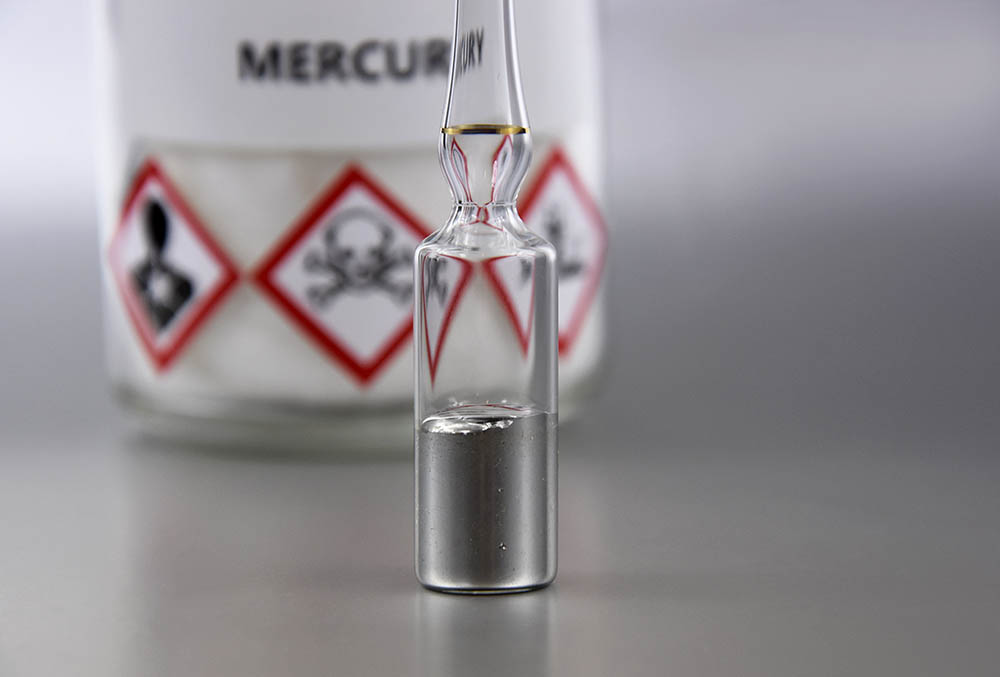
Mercury is a heavy metal found in air, water, and soil. It exists in several forms, such as elemental mercury, in some thermometers, inorganic mercury salts/compounds used in industry and the production of certain chemicals, and organic mercury (e.g., methylmercury) known to bioaccumulate through food chains, especially in fish.
Cats are very sensitive to the effects of methylmercury, in particular. Since exposure to elemental and inorganic mercury is not very common in cats, this article will focus on mercury poisoning caused by chronic exposure to methylmercury.

What Causes Mercury Poisoning in Cats?
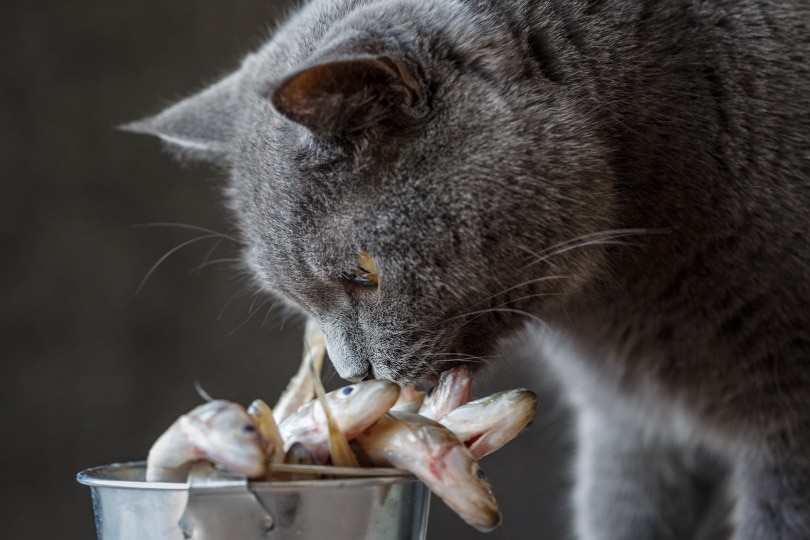
Historically, methylmercury poisoning has been observed in cats who consumed large amounts of contaminated fish. You may have heard of the “dancing cats” of Minamata, Japan, whose signs resulted from large amounts of mercury waste being dumped into Minamata Bay by a petrochemical plant in the 1950s (thousands of people were also affected). There was another report of cats with Minamata Disease in Ontario, Canada in the 1970s.
Several recent studies (like this one) have raised concerns about methylmercury levels in commercial pet foods.
The practical application of this information is currently limited, however, because:
Chronic exposure to methylmercury in cat food certainly has the potential to result in toxicity. However, we do not currently have clinical evidence to show that this is happening.

What Are the Signs of Mercury Poisoning in Cats?
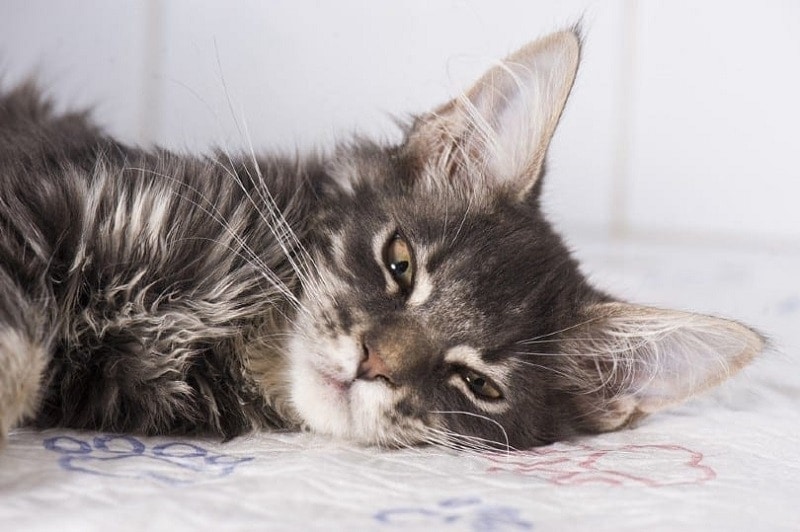
Signs of mercury poisoning in cats are primarily due to damage of the nervous system (including the brain) because this is where methylmercury tends to accumulate in the body. The kidneys are also frequently affected, as well as unborn kittens (mercury crosses the placenta).
Signs may include:
It can take several weeks for methylmercury to build up in the body to a level where signs of toxicity become apparent.
Can Mercury Poisoning Be Treated?
Unfortunately, there is no specific antidote for chronic methylmercury toxicity. Treatment involves providing supportive care and preventing further exposure. There is currently no evidence to show that chelation therapy (which has been used in cases of acute poisoning caused by inorganic mercury salts) is helpful in these cases.
The damage to organs caused by methylmercury is irreversible, and the prognosis for severely affected patients is poor. Cats who do survive may have permanent neurologic impairments and reduced kidney function.
Other than the specific cases mentioned in this article, there are very few reports of confirmed methylmercury toxicity in cats. Signs can be similar to other neurologic conditions, so veterinarians may not consider testing for methylmercury, and mild cases may be going undiagnosed. Therefore, we have little information about the overall prevalence of methylmercury toxicity in cats and whether mildly affected patients are surviving.
How Can I Protect My Cat From Mercury Poisoning?
While the risk of mercury poisoning is probably very low for most cats, there are some steps you can take to help keep your cat as safe as possible. These may be particularly important for pregnant cats and kittens:
At this time, fish oil supplements do not appear to be a significant source of mercury.

Conclusion
Hopefully, future research will continue to investigate methylmercury levels in commercial cat food and determine whether they are a significant cause for concern.
Development of regulations dictating maximum allowable levels of mercury in pet food would be a good step towards ensuring our cats’ food is as safe as possible.
It may also be helpful to determine whether non-invasive methods of testing methylmercury levels in cats (such as fur sampling) could be used for widespread monitoring.
Featured Image Credit: BeataGFX, Shutterstock
Get Hepper In Your Inbox


Pet care tips from our vets and experts, straight to your inbox.
You may opt-out at any time. View our Privacy Policy for more information.
Dr. Sharon (as she is known by her clients) has had an intense love for animals for as long as she can remember. She grew up in Guelph, Ontario and fulfilled her childhood dream by obtaining her Doctor of Veterinary Medicine (DVM) degree from the Ontario Veterinary College in 2009. She has since found joy working in a variety of small animal clinics, focusing on cat and dog care. She loves sharing her expertise and empowering pet owners to take the best possible care of their fur babies!
Sharon currently lives in beautiful British Columbia with her husband, daughter, and Parker, her loveable Great Dane. When she’s not at work, she enjoys clogging, photography, and exploring the outdoors with her family.
Dr. Sharon (as her clients call her), was raised in Guelph, Ontario, and has loved animals for as long as she can remember. She fulfilled her childhood dream when she obtained her Doctor of Veterinary Medicine (DVM) degree. Sharon now lives in British Columbia, Canada with her husband, daughter, and Parker, their loveable Great Dane. When she’s not working, she enjoys clogging, photography, hiking, and camping with her family.
Education
Dr. Sharon obtained her DVM in 2009 from the Ontario Veterinary College in Ontario, Canada.
Experience
Dr. Sharon loves sharing her knowledge and empowering people to take the best possible care of their fur babies, which she has been able to do through her work. She has practiced in a variety of small animal clinics since graduating, with a main focus on cats and dogs.
Check out some of our top posts written by our veterinary team:
Why Does My Dog Snore? Should I Act?
My Cat Ate Paint! Our Vet Explains What to Do Now
How Common is Heartworm in Cats? 7 Things to Know About Heartworm Disease
Join the conversation
Ask a question, share your story, or send private feedback.