Hepper is reader-supported. When you buy via links on our site, we may earn an affiliate commission at no cost to you. Learn more.
My Dog Ate Grapes or Raisins: What to Do and Prevention (Vet Answer)

In this article
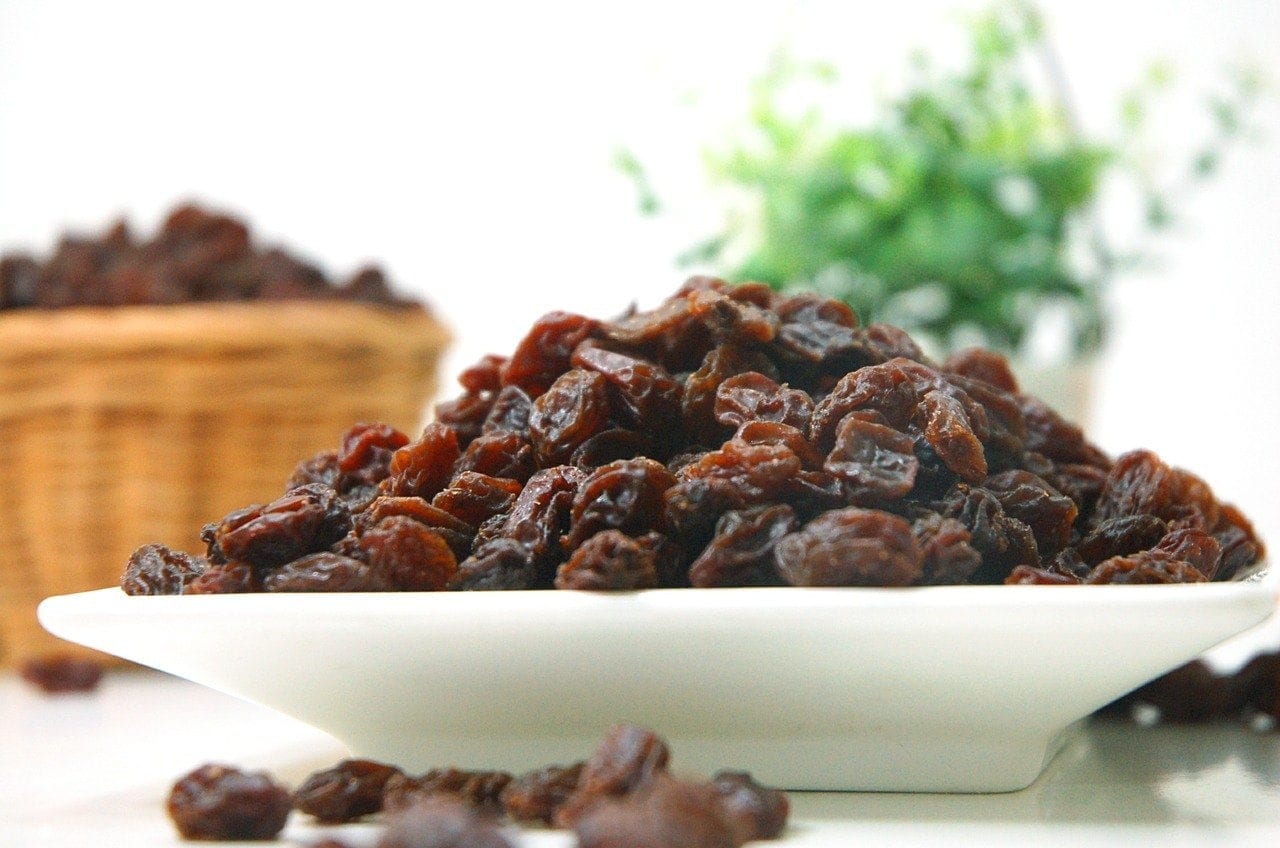
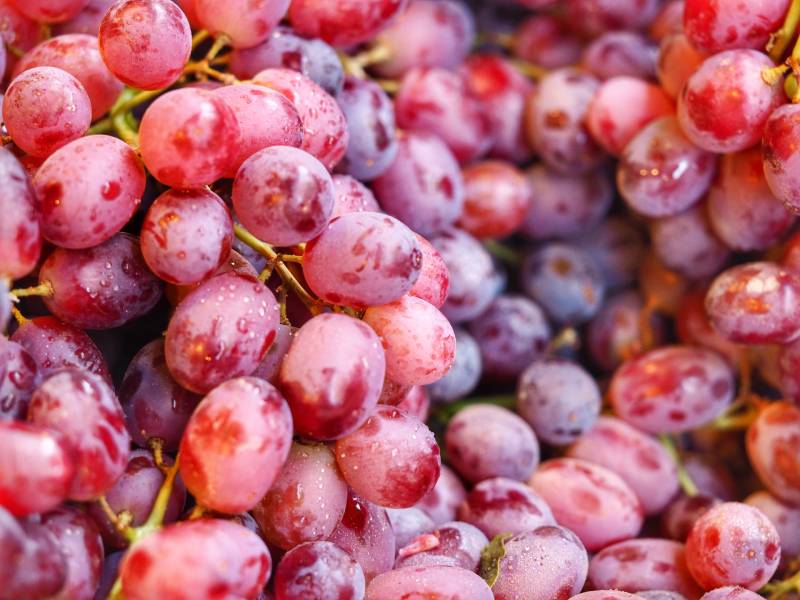
Grapes (and the dehydrated version, raisins) are undoubtedly delicious, hence why they make one of the most popular snacks in our day-to-day lives. Be it on their own, or packed into treats like fruit loaf, hot cross buns, or mince pies, grapes and raisins are a staple on the daily menu of most households.
In this article, we’ll look at whether grape and raisin poisoning in dogs is serious and how we can treat it.

Are Grapes and Raisins Bad for Dogs?
Grapes and raisins are highly toxic to dogs. All ages, breeds, and sizes of dogs are equally at risk of the effects of grape and raisin toxicity, which sadly has the potential to be life-threatening.
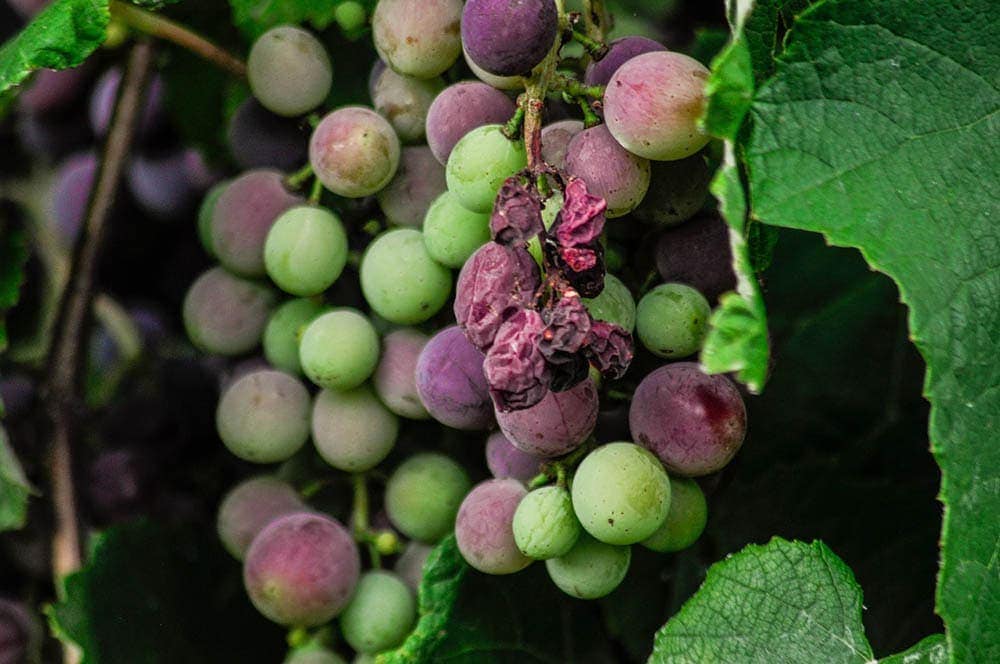
No one knows the exact reason they are so toxic, nor if it’s the flesh or skin that’s responsible for causing the toxicity. The most recent theory is that grapes contain compounds called tartaric acid and potassium bitartrate. Dogs are unable to metabolize these compounds easily and kidney damage develops. The levels of tartaric acid and potassium bitartrate vary depending on the season, ripeness of the grape, and the grape variety.
This may explain why some dogs appear unaffected after eating grapes and others suffer severe reactions. More research is needed to solidify this theory, but as yet it’s the most plausible explanation researchers have found.
What we do know, based on many scientific reports from around the globe, is that if a dog ate raisins or grapes there is a high risk of a condition called acute kidney failure. Whilst acute kidney failure can be reversible with treatment, this is not guaranteed. All ingestion of grapes, raisins, sultanas, and food containing these items should therefore be treated as an emergency.
My Dog Ate Grapes or Raisins – What Should I Do?
If you catch your dog eating grapes or raisins follow these steps:
If you have more than one dog eat grapes or raisins, all potentially affected dogs must go to the veterinarian at the same time for assessment and intervention.

What Are the Signs of Raisin and Grape Poisoning in Dogs?
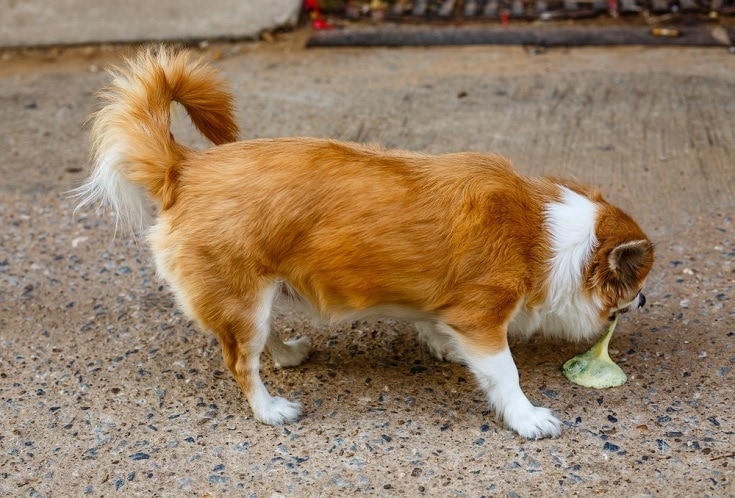
Dogs are clever at sneaking food and you don’t always catch them in the moment of raiding the pantry or grazing the leftovers. As such, it’s not always easy to know if your dog has helped themselves to a potentially toxic snack.
If your dog has eaten grapes or raisins, signs usually start around 6 hours after eating.
The signs typically seen are:
Signs are not related to the number of grapes or raisins eaten, so you may see all of the signs mentioned with only a small number of grapes.
My Dog Ate Grapes – What’s the Treatment?
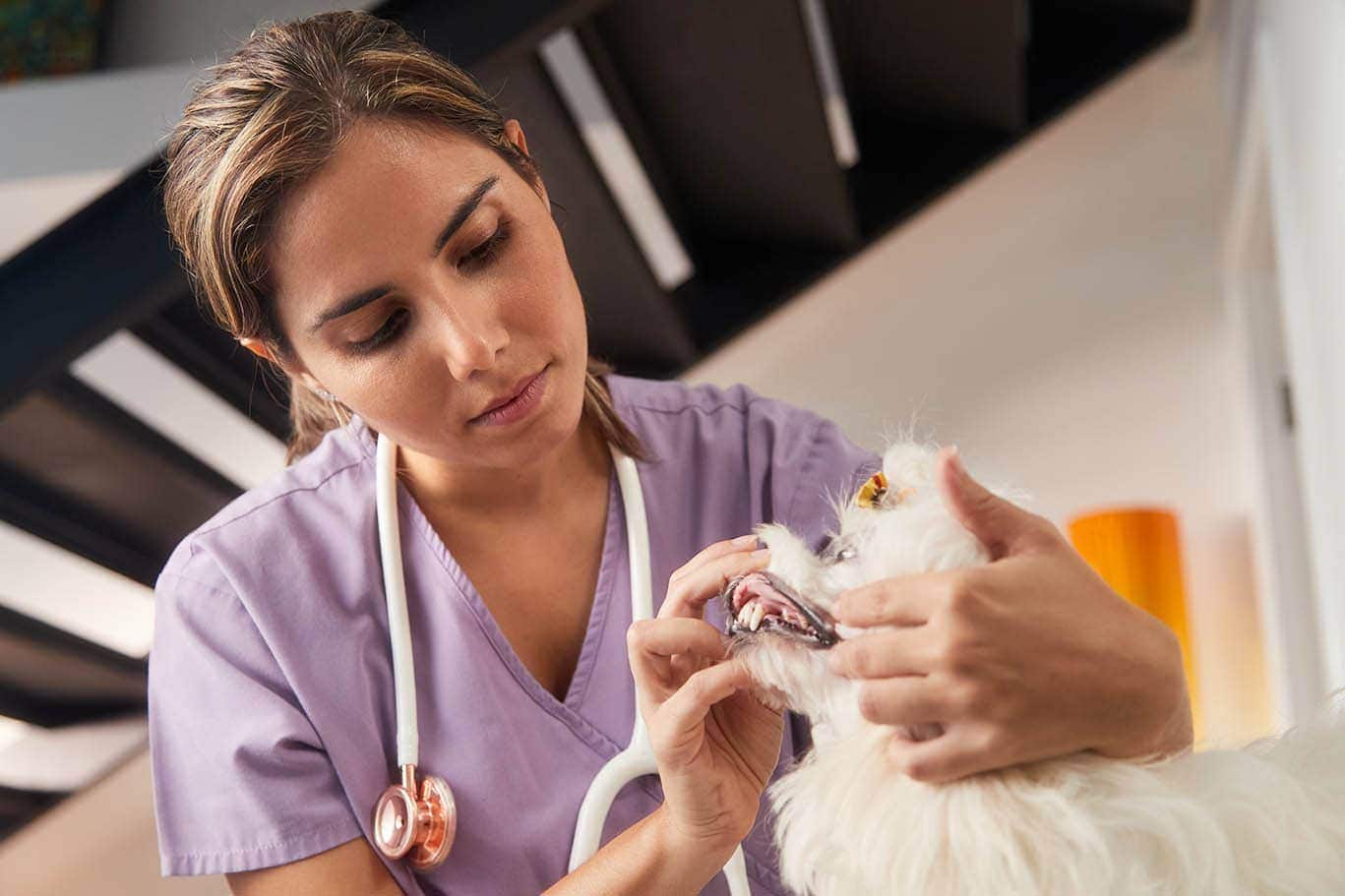
When you arrive at the veterinary clinic, your vet will first ask you some questions. If your dog has eaten grapes within the last 4–6 hours, your vet might give an injection to make your dog sick. This fast-acting drug causes a strong urge to vomit and usually works within 15 minutes.
Food material has the potential to stay in the stomach for up to 3 hours so whilst it is unpleasant to make a dog vomit, the benefits of possibly removing some grape or raisin material far outweigh the negative feeling of vomiting. A second drug can be given to reduce the sensation of nausea after all the stomach contents have been produced.
If the grape or raisin is vomited up whole and we are quite certain there is no further risk of toxicity, your dog will be sent home with activated charcoal. This medication is given to line the gastrointestinal tract and prevent any absorption of harmful substances. However, if there’s still a chance that some raisins remain in your dog’s stomach and intestines—for instance if you aren’t sure how many were eaten—then your vet will recommend further treatment.
Frequently Asked Questions (FAQ)
Will my dog stay at the vet clinic?
If there is a concern that a large number of grapes or raisins were eaten, or you are not sure how long ago they were eaten, your vet will recommend hospitalization.
Intravenous fluid therapy is used to support kidney function as much as possible, and this can continue for up to 72 hours. Your vet will regularly check for signs of deterioration or improvement by measuring urine output and taking blood samples. If your dog’s urine production is falling, medications to help increase the volume of urine produced will be given.
If my dog eats grapes, is there a home remedy I can try?
Grape and raisin toxicity cannot be treated at home. Whilst it is possible to make a dog vomit at home to remove the grape or raisin, there are risks with using home remedies of hydrogen peroxide or salt. Making your dog vomit at home can lead to unwanted side effects such as salt toxicity or an infection in the lungs from inhaling vomit material. These unwanted side effects need veterinary treatment to recover completely.
Making your dog vomit is truly best left to the professionals. Even if you do manage to make your dog vomit at home, they are still at risk of permanent non-reversible kidney damage from grapes without further intervention.

Will my dog be okay if he eats grapes or raisins?
During treatment, your vet will take regular blood tests to help guide treatment. These tests often tell us about your dog’s prognosis—their chance of recovery. If the blood values remain normal throughout treatment there is an excellent chance of full recovery. If the kidney values become elevated and stay elevated, there is a poor chance of recovery.
Some dogs are highly susceptible to grape toxicity and may either pass away or be euthanized due to the severity of clinical signs. Luckily, with prompt treatment your dog’s prognosis is good—so time is of the essence!
Will one grape kill a dog?
We currently do not know the toxic dose of raisins and grapes. Reports have shown toxicity from half a grape per kilogram. Generally speaking, the more grapes or raisins ingested per kilogram of body weight, the more likely we are to see more severe clinical signs. Although this is not always the case, and there have been records of dogs suffering severe signs of toxicity after ingesting only a few grapes.
As a vet, I’ve made a 150lb dog vomit for half a grape. Until we know more about why some grapes are more toxic than others, and why some dogs are more susceptible than others, it’s best to treat all cases with the same level of care.
Prevention
Preventing grape and raisin toxicity is far less traumatic than treating it. Keep baked goods and fruits out of reach of pets, and store baking supplies in lockable containers to add an extra layer of defense. If your dog is known to sneak food, keep them occupied in a separate room or in their crate with a stuffed Kong whilst food is served.
Often people who don’t own a dog have no idea of the toxic nature of grapes and raisins. Take time to talk to your guests, especially children, about the risks of feeding grapes to your dog.
Conclusion
Grapes and raisins might seem like tempting, tasty snacks for your dog, but have the potential to be life-threatening when eaten. Always contact your veterinarian if you see or suspect your dog has eaten grapes or raisins. Whilst not all cases of grape and raisin toxicity will make a recovery, overall there are many dogs who survive and return to full health after veterinary treatment.
Get Hepper In Your Inbox


Pet care tips from our vets and experts, straight to your inbox.
You may opt-out at any time. View our Privacy Policy for more information.
Joanna is an experienced vet working in the UK. She has written about pets and pet health for many websites, blogs, and pet magazines and loves to help owners understand their pets through her writing.
Joanna is an experienced vet working in the UK who has always loved both writing and science. So, after following her passion for science and graduating as a veterinarian, she was able to begin writing and join her two passions together.
She has written about pets and pet health for many websites, blogs, and pet magazines. She loves to help owners understand their pets better through her writing, and loves to teach and educate her clients. She owns her own freelance company to help even more clients than just the one standing in front of her in a consultation room.
Education
In 2016, Joanna graduated from the University of Nottingham, with a degree in Veterinary Science (BVMedSci) and a degree in Veterinary Medicine and Surgery (BVM BVS).
Experience
Joanna practiced as a clinical vet from 2016 - 2019 and left full-time practice after that to work as a locum/relief vet in the Channel Islands, alongside her freelance writing work.
Join the conversation
Ask a question, share your story, or send private feedback.