Hepper is reader-supported. When you buy via links on our site, we may earn an affiliate commission at no cost to you. Learn more.
5 Natural Home Remedies for Dog Vomiting - Vet Approved Tips!


In this article
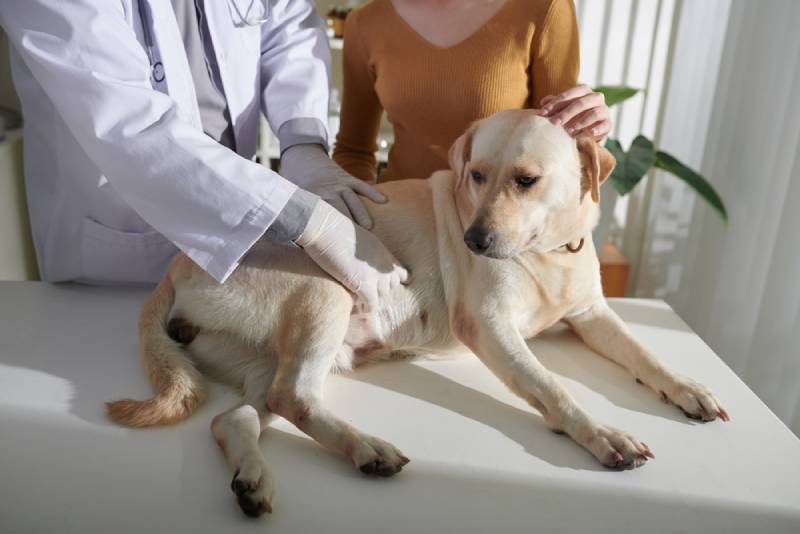
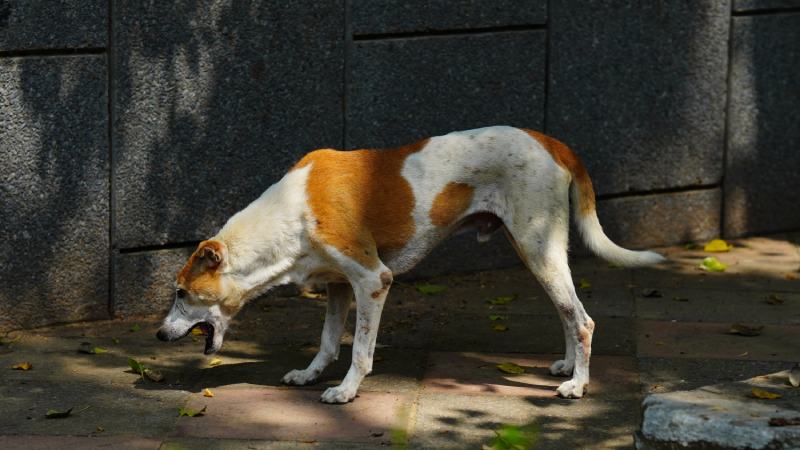
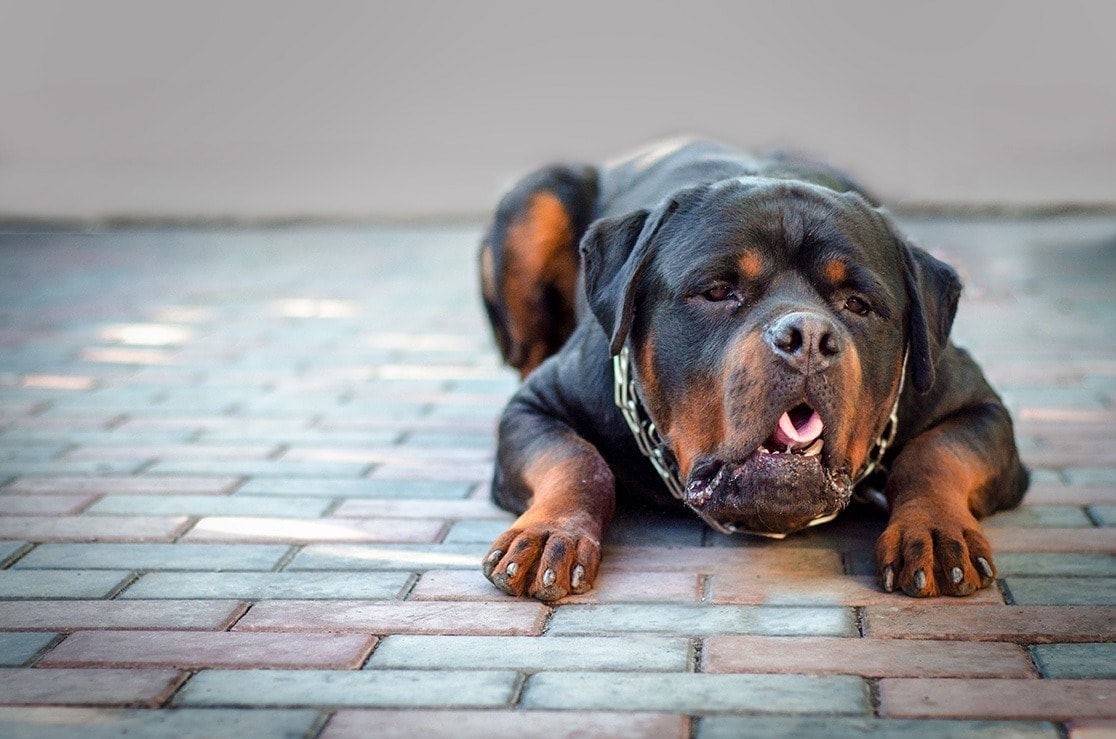
The essential thing to understand about vomiting is that it’s a general and very common sign of illness and not diagnostic on its own. So many things can cause it. The same point applies to cats, too. If it’s a one-off occurrence that resolves on its own and your pooch is otherwise fine, the chances are that it isn’t serious. But only a vet can confirm this after checking your animal.
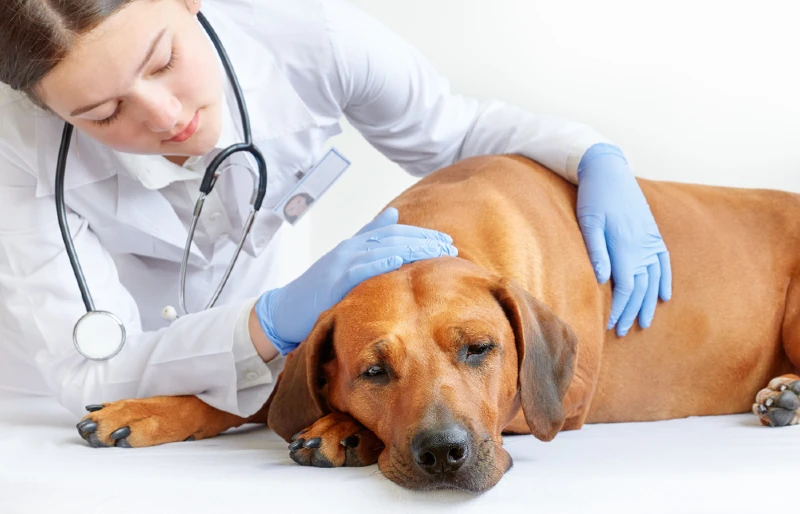
Sometimes vomiting can be an indication of severe and even life-threatening illness, and it should never be overlooked or ignored. Speak to your vet if your dog has vomited, as they may recommend to get them checked straight away.

First, Let’s Discuss Some Important Considerations
Every dog is different, and knowing what is normal for your dog is crucial in being able to recognize early signs of illness. We recommend monitoring your dog’s behavior for any other signs they may be experiencing. That can provide valuable clues for both you and your veterinarian about what’s behind their vomiting. After all, there is always a root cause. It could be something minor like they ate too much or something didn’t agree with them.
However, vomiting is also a sign of many conditions that require a vet’s attention and appropriate treatment, instead of a home remedy. They include things like gastroenteritis, pancreatitis, gastric bloat or a twisted stomach, poisoning, liver or kidney disease, reproductive disease, cancer, infections, and many more. That’s why getting a complete view of your pup’s behavior is vital. Another thing to pay attention to is whether there’s a pattern.
As we already mentioned, if your dog is trying to be sick but cannot, or is retching or developing a more rounded look to their abdomen, they may be developing a life-threatening gastric bloat with volvulus and time is of the essence. Call your vet immediately.
Puppies that are vomiting are at higher risk of dehydration than adult dogs and will need to get checked by a vet straight away. This may also apply to old dogs, as they can go downhill quickly and vomiting is often a sign of an underlying illness.

Top 5 Natural Home Remedies for Dog Vomiting:
1. Withhold Food
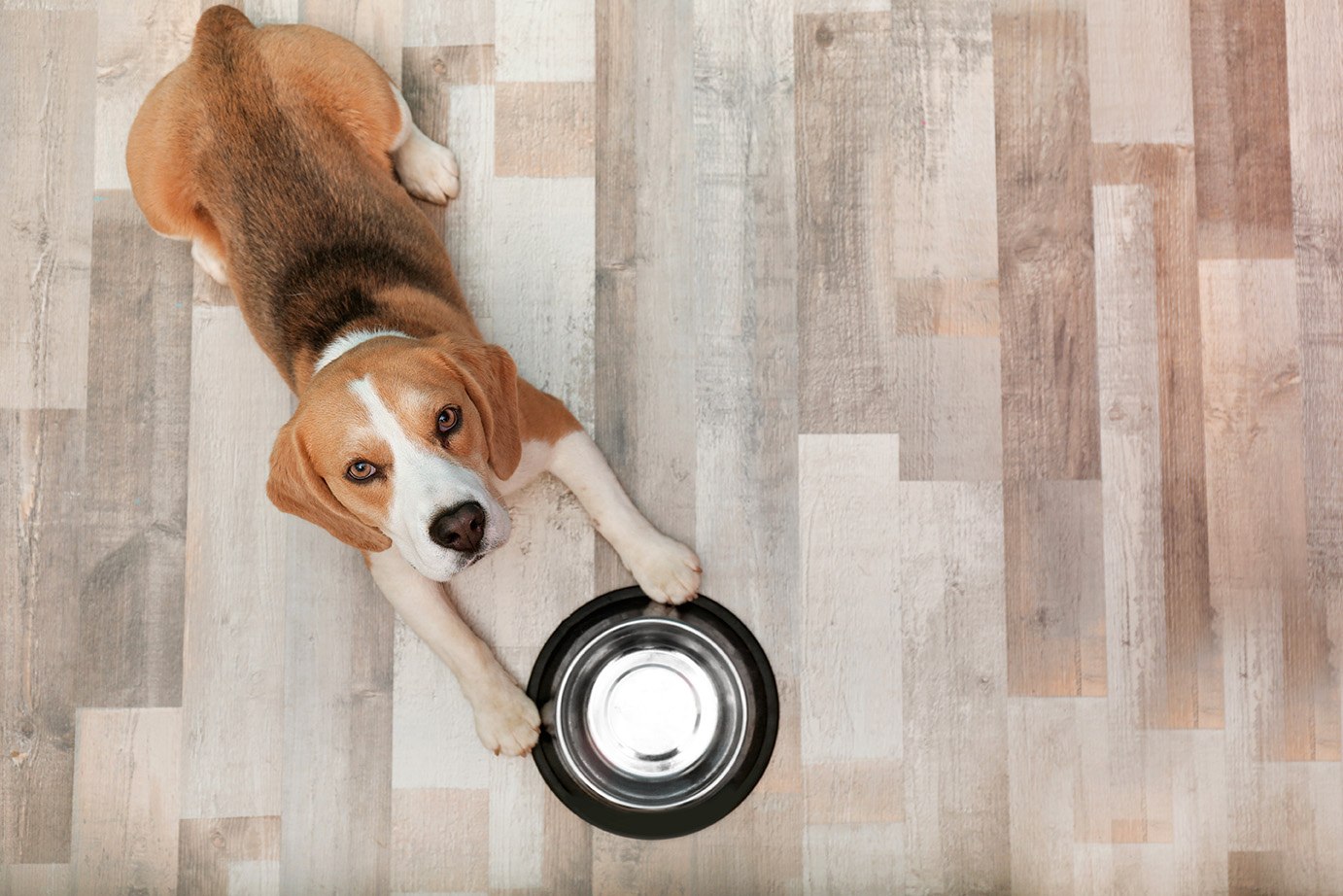
The first thing you should do if your pup throws up is to call your vet for advice. They will often say to pick up the food bowl and give their stomach a rest. Avoid feeding them for the next 1–2 hours. Make sure they have access to fresh water at all times. If they are vomiting after drinking as well, or they have developed any of the previously mentioned signs, contact your vet promptly rather than trying out tips that may delay getting your dog the help they need. Some vets may recommend starving them for longer, 12, or more hours, but this will not be appropriate in every case, especially for puppies or older dogs.
Prolonged starvation can also be detrimental to recovery, as the first layer of the intestinal cells, called enterocytes, feed directly from the nutrients present in the lumen, and originating from the digested food, and these cells will atrophy if they don’t get nutrition within 48 hrs. This will set back your pooch’s healing.
2. Offer a Bland Diet Gradually
If your pet hasn’t vomited for several hours, you can slowly introduce food with something bland like boiled rice with plain cooked chicken. That can help with other digestive signs like diarrhea. It won’t aggravate their sensitive tummy, as these are simple choices of protein and carbohydrates.
Initially offer very small meals, 1–3 tablespoons of this bland low-fat cooked food every 1–2 hours. If your dog is eating this well and there are no further signs of vomiting or nausea, continue with the same diet but increase the amounts slowly. Ask your vet how much they should get per day, or in case of special prescription gastrointestinal diets check the bag recommendations, and split this amount into 4–6 small meals. Ideally, feed this diet for a few days, and if your dog is doing well, gradually introduce their old food by mixing it with the bland diet, increasing the proportion of their usual food with each subsequent meal, and reducing the amount of the bland food.
However, some dogs may be allergic to chicken, and plain cooked white fish may be a better choice for them. Speak to your vet about the best bland diet, as there are also some prescription veterinary diets, both kibble and cans, that are safe and appropriate to be used during an upset stomach. Avoid any fat, additives, dairy, or raw foods that may make your dog feel even worse.
Throwing up is hard on a dog. Anything you can do to prevent a recurrence will help them through the worst of it.
3. Keep Meals and Playtime Separate

Sometimes, dogs may regurgitate their food if they eat too fast or too much at one time. Your pooch may still be excited after playing a game of frisbee. This situation differs from vomiting in that there isn’t any involvement of the abdominal muscles; it happens out of the blue and usually contains only the content from the esophagus. Speak to your vet about possible medical causes for this and get your pooch checked out, as regurgitation may indicate a disorder of the esophagus, foreign bodies, dilated dysfunctional esophagus (megaesophagus) or other neuromuscular weakness, presence of the stomach hiatal hernia, vascular congenital anomalies, and many others.
However, always make sure that exercise and playing happen several hours before and after feeding times, especially in large and giant breeds and ones with deep chests. Exercise after a meal or eating too soon after exerting themselves may lead to gastric bloat and twists in these dogs, which requires emergency surgery and can be fatal. This condition can happen in other breeds as well.
4. Separate Your Dog from the Other Pets in the House
Related to the previous remedy is to isolate your pup from the other pets. Eating with them might encourage them to gobble their food too quickly and cause them to regurgitate it. Or they may steal the other pet’s food as well. Some causes for vomiting are of an infectious nature, and until your vet can rule this out, it’s best to keep them apart, to avoid posing a risk to the other animal as well. Instead, try feeding them in separate rooms or at a different time to remove the pressure of finishing their meals quickly and to avoid any infectious disease transfer. Sometimes, a simple change like this one can make a significant impact.
5. Monitor Your Pooch’s Time in the Yard
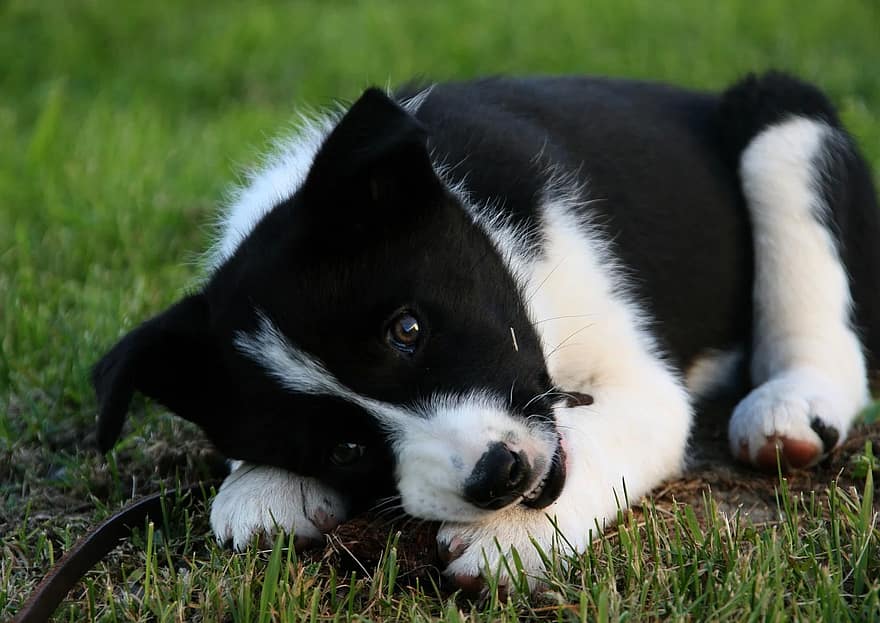
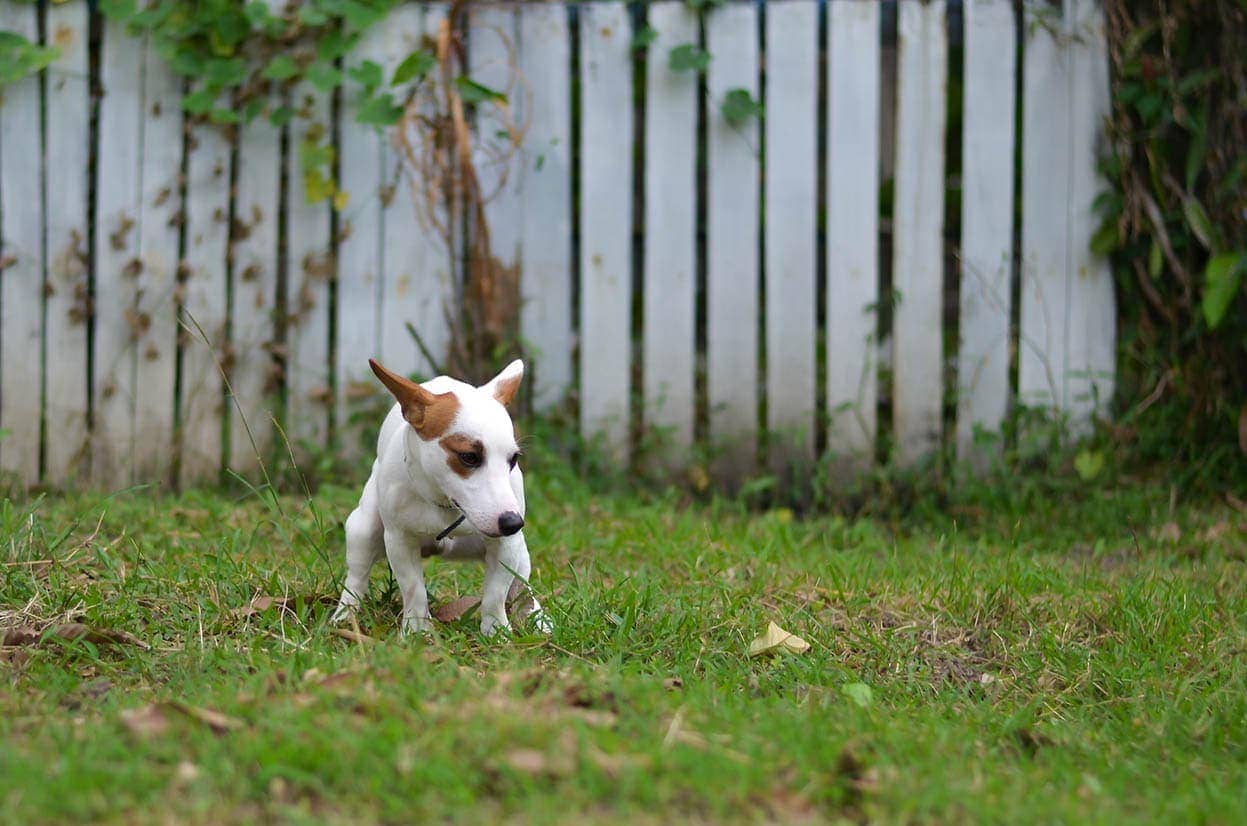
Both cats and dogs sometimes eat grass. Your dog may have picked up this habit and may do it daily and excessively. Other times, pups will do it due to boredom or to satisfy a fiber or nutrition craving from something missing in their diet. That’s why it’s essential to feed your dog a complete and balanced food that has all of the necessary nutrients. If you notice that your dog vomits regularly after eating grass, schedule an appointment with your veterinarian.
Monitoring what your pooch is up to in the garden will also give you valuable information about their urination and stools, which will be important to share with your vet and will help to guide them in the diagnostic process.
Extra Words of Caution

Final Thoughts
Vomiting or regurgitating in dogs is not normal, and even if it happens only once in a while, it can certainly be a cause for concern. Speak to your vet to see if your dog needs checking out straight away or whether they advise a bland diet and careful monitoring at home, as long as your pooch is otherwise fine and the vomiting has stopped.
But if your dog continues vomiting or is not feeling well, is retching, regurgitating, having a painful or bloated abdomen (extremely urgent), experiencing signs such as lethargy, reduced appetite, weakness, disorientation, weight loss, diarrhea, having any blood in the vomit or stool, behavior changes, or just doesn’t seem quite right, get on the phone with your vet immediately and get them checked out.
Many of the causes for vomiting are serious and may indicate significant illness. Vomiting presents an added risk of dehydration, and if it continues, it will only complicate the diagnosis and treatment of the condition. Home remedies are appropriate only for one-off situations in cases of otherwise well dogs, provided that your vet agrees. Otherwise, it’s best to seek advice from a professional.
Related Reads:
Sources
Featured Image: Olexandr Andreiko, Shutterstock
Get Hepper In Your Inbox


Pet care tips from our vets and experts, straight to your inbox.
You may opt-out at any time. View our Privacy Policy for more information.
Nicole is a lover of animals of all sizes but is especially fascinated with the feline variety. She’s the proud mom of Baby, a Burmese, and works every day so he can relax in the sunshine or by the fire. She’s always had a cat in her home and has spent countless days with others, observing behaviors and softening up even the grouchiest of the lot. Nicole wants to share her kitty expertise with you so you and your cat can live happy, healthy, and care-free.
Join the conversation
Ask a question, share your story, or send private feedback.